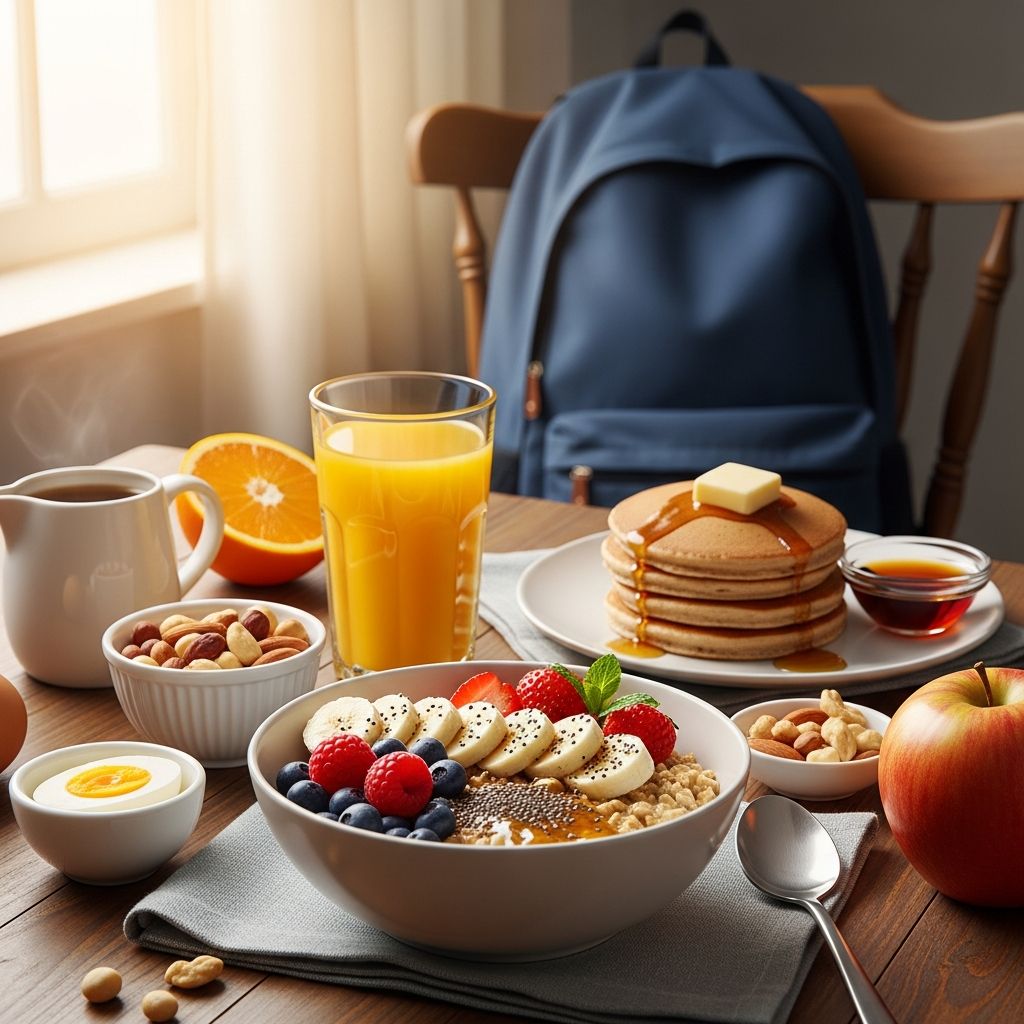
For many teenagers, mornings feel like a blur of alarms, rushing, and trying not to miss the bus. In the middle of all that, breakfast can seem like the easiest thing to skip. Yet the first meal of the day does far more than simply stop your stomach from growling. It gives your brain fuel, supports your mood, and helps your body handle school, sports, and everything else on your schedule.
This guide breaks down what breakfast really does for you, what happens when you always go without it, and how to build realistic, no-stress morning meals that work with a busy life—not against it.
How Your Body Wakes Up (Even Before You Do)
While you sleep, your body is still hard at work. It repairs muscles, organizes memories from the day, and keeps your heart, lungs, and brain running. Because you usually go many hours without eating, your blood sugar—the main fuel your brain uses—drops by morning. Breakfast is your chance to refill that tank so your body can switch from \”nighttime maintenance\” mode to \”daytime performance\” mode.
Without that refuel, your body has to scramble to pull energy from stored sources. It can do it, but it is not the most efficient way to start a day packed with classes, tests, practices, and social stress.
What Breakfast Actually Does for You
Eating a balanced morning meal is not just about avoiding hunger; it has real effects on how you feel and function. A thoughtful breakfast can:
- Help you concentrate better during class and remember what you study.
- Keep your energy more stable so you are less likely to feel wiped out before lunch.
- Support a steadier mood and make it easier to handle stress and frustration.
- Help manage cravings later in the day so you are not raiding the vending machine by mid-afternoon.
Those benefits depend less on having a huge meal and more on what is in your meal. A small, well-balanced breakfast can do more for you than a massive serving of sugary cereal or pastries.
What Happens When You Skip Breakfast
Almost everyone has skipped breakfast at some point. Doing it once in a while is not the end of the world. The real issue comes when skipping becomes a habit. When your mornings regularly start with nothing but caffeine or air, you may notice patterns that are easy to blame on school, sleep, or stress—when food actually plays a big role.
Common side effects of routinely skipping breakfast include:
- Foggy thinking: It can be harder to focus, follow directions, or solve problems when your brain is short on fuel.
- Energy crashes: You may feel fine at first but hit a wall during late morning classes.
- Intense cravings later: Going too long without food often pushes you toward large portions or very sugary, salty, or fatty snacks.
- Grumpiness and irritability: Low blood sugar can make even small annoyances feel huge.
Some people also try to skip breakfast as a way to control weight. That can easily backfire if it leads to overeating or emotional snacking later on. A stable pattern of balanced meals usually supports health better than going from starving to stuffed.
Building a Balanced Breakfast: The 3-Part Formula
A good morning meal does not have to be complicated. Think of it as a simple formula with three main parts. You do not need all of them in perfect amounts every single day, but aiming for this mix most mornings will help your body run more smoothly.
| Component | What It Does | Examples |
|---|---|---|
| Slow, steady carbs | Provide long-lasting energy and help your brain focus. | Oats, whole-grain toast, whole-grain tortillas, low-sugar granola, fruit |
| Protein | Supports muscles, keeps you fuller longer, and stabilizes blood sugar. | Eggs, yogurt, milk, cheese, nut or seed butter, beans |
| Healthy fats | Help you stay satisfied and assist your body in using certain vitamins. | Nuts, seeds, avocado, nut butters, olive oil |
If you can include at least two of these three components in your breakfast, you are already giving your body a much better start than a single processed snack or nothing at all.
Realistic Breakfast Ideas for Rushed Mornings
One of the biggest reasons teens skip breakfast is simple: not enough time. The key is to think in terms of building blocks you can mix and match instead of trying to cook something complicated from scratch every day.
Here are fast combinations that use the three-part formula and can be eaten at home or on the go:
- Whole-grain toast + peanut or almond butter + sliced banana.
- Plain yogurt + frozen berries + a sprinkle of nuts or seeds.
- Cheese stick + an apple + a small handful of almonds.
- Scrambled eggs wrapped in a whole-grain tortilla with a bit of salsa.
- Overnight oats made the night before with milk, oats, and fruit.
Even if you only have five minutes, pairing any whole-grain or fruit with a protein source will give you a stronger start than a sugary drink or heading out the door with nothing.
Make-Ahead Breakfasts: Help Your Future Self
If mornings always feel like a race, preparing food the night before—or on weekends—can remove one decision from your morning chaos. Make-ahead breakfasts can be stored in the fridge or freezer and pulled out when you need them.
- Overnight oats jars: Combine rolled oats, milk or a milk alternative, fruit, and a spoonful of nut butter in a jar. By morning, it is ready to eat cold or warmed.
- Egg muffins: Beat eggs with chopped vegetables and a little cheese, pour into a muffin tin, bake, and refrigerate. Reheat in seconds.
- Freezer breakfast burritos: Fill whole-grain tortillas with scrambled eggs, beans, and veggies, wrap, and freeze. Microwave in the morning.
- Homemade trail mix: Mix nuts, seeds, and a small amount of dried fruit into portions you can grab with a piece of fruit and yogurt.
Spending even 30 minutes once or twice a week on these options means less stress and fewer skipped breakfasts later.
Smart Sips: What You Drink Counts Too
Drinks can give you energy, but not always in a way that keeps you steady. A breakfast built around sugary coffee drinks or sodas might wake you up briefly, then send your energy and mood crashing.
Better choices to pair with or include in breakfast include:
- Water, plain or with lemon or fruit slices.
- Milk or fortified milk alternatives for protein and calcium.
- Unsweetened or lightly sweetened tea.
If you like coffee, keeping the added sugar and heavy syrups low and pairing it with a real meal can make it less likely to send your energy on a roller coaster.
Handling Busy, Unpredictable Schedules
Between early practices, long bus rides, part-time jobs, and late-night homework, teen schedules are rarely calm or predictable. That does not mean breakfast is impossible; it just needs to be flexible. Portable foods and small, frequent bites can be your best friends.
Helpful strategies include:
- Keeping a shelf or drawer stocked with grab-and-go items like nuts, whole-grain crackers, and fruit.
- Packing breakfast the night before in the same bag as your school supplies or sports gear.
- Eating part of your breakfast at home and the rest during a break between classes if allowed.
Thinking of breakfast as a flexible window of time rather than a single sit-down moment makes it more likely you will actually eat it.
Common Breakfast Myths (And What Is Really True)
A lot of ideas about breakfast get passed around among friends, online, and even within families. Some of them sound convincing but do not quite match how bodies work in real life. Sorting myths from facts can make it easier to make your own choices.
- Myth: \”If I am not hungry right away, I should not eat.\”
Reality: It is normal for appetite to be low right after waking. Starting with something small, like fruit and yogurt, can gently wake up your digestion without feeling forced. - Myth: \”Skipping breakfast helps me control my weight.\”
Reality: Skipping often leads to bigger portions and more snacking later because your body is trying to make up for the missed energy. - Myth: \”Breakfast has to be traditional breakfast food.\”
Reality: Leftover rice and beans, a slice of pizza plus fruit, or a turkey sandwich can still provide carbs, protein, and fats. What matters most is the balance, not the label.
When you understand what your body needs, you can build breakfasts that fit your tastes instead of following strict rules that do not match your life.
Tips for Picky Eaters and Sensitive Stomachs
Not everyone wakes up ready to eat anything. Some teens are picky about textures or flavors, while others feel slightly nauseated if they eat too early. Breakfast can still work for you; it may just need some adjustments.
Try these ideas if standard options are not appealing:
- Start small, like half a piece of toast or a few crackers with cheese, and gradually increase over time.
- Choose smoother foods—such as smoothies, yogurt, or oatmeal—if chewing feels like too much effort early in the day.
- Eat a light snack shortly after waking and a second, more filling snack later in the morning.
Pay attention to which foods make you feel energized versus sluggish and build your regular choices around the ones that work best for you.
Breakfast Ideas by Personality Type
Everyone has a different morning style. Matching breakfast to your personality can make it easier to stick with the habit.
| Morning Style | Challenge | Good Breakfast Fits |
|---|---|---|
| The Snooze-Button Pro | Always running late and rushing out the door. | Granola bar plus a banana; yogurt drink; pre-made breakfast wrap. |
| The Early-Rising Athlete | Needs fuel for practice but does not want to feel too full. | Toast with nut butter; small smoothie; oatmeal with fruit and nuts. |
| The Slow Starter | Not hungry right away and needs time to wake up. | Light snack at home (like fruit), then a more filling snack at school. |
| The Planner | Loves routines and organization. | Weekly rotation of make-ahead egg muffins, overnight oats, and wraps. |
No style is wrong; the goal is to understand yours and create breakfast habits that support it.
Getting Family and Friends on Board
Sometimes building a breakfast habit is easier when the people around you support it. Talking with parents or caregivers about what foods you actually like and what fits your schedule can help them stock the kitchen with useful choices instead of random snacks.
Good ways to involve others include:
- Offering to help shop or prep on weekends so your favorite options are available.
- Sharing quick recipes or ideas with friends and trading photos of your creations for motivation.
- Suggesting that your family try a simple make-ahead breakfast together, like overnight oats or egg muffins.
When breakfast stops feeling like a solo struggle and becomes something you plan with others, it often becomes more consistent—and more fun.
FAQs: Your Top Breakfast Questions Answered
Is it really that bad if I skip breakfast sometimes?
Skipping once in a while is not going to ruin your health, especially if the rest of your eating is balanced. The concern is when skipping becomes your usual pattern and you frequently feel tired, unfocused, or extremely hungry later. Paying attention to how you feel on days you eat breakfast versus days you do not can help you decide what works best.
What if I am trying to manage my weight?
A balanced breakfast can actually support healthy weight management because it helps prevent extreme hunger and overeating later in the day. Choosing options with protein, fiber, and healthy fats tends to keep you fuller longer than sugary pastries or high-calorie drinks that do not offer much nutrition. Working on an overall pattern of regular, balanced meals is usually more effective than skipping meals entirely.
Can a snack count as breakfast?
Yes, if it supplies real energy and nutrients rather than just sugar and salt. A snack that includes at least two of the three components—carbs, protein, and healthy fats—can absolutely function as breakfast. Examples include fruit with nuts, yogurt with granola, or a cheese stick with whole-grain crackers.
Do I have to eat as soon as I wake up?
No. Some people feel better eating within the first hour of getting up, while others prefer a slightly later meal. If you are not hungry immediately, you can bring a small breakfast with you and eat it on the way to school or during an early break if that is allowed. The important part is that your body gets fuel in the first part of the day, not that it happens at an exact minute.
What if my school mornings are extremely stressful?
Stress and rushing make breakfast feel like just one more task, but they are also reasons your body needs fuel the most. Focusing on the simplest possible options—like a pre-packed snack box, a smoothie, or a wrap that can be eaten with one hand—can lower the effort required. Over time, even small but consistent breakfasts can make stressful mornings feel a bit easier to handle.
Turning Breakfast into a Habit
Like any routine, eating breakfast gets easier the more you do it. Start with small steps instead of trying to overhaul your entire morning at once. Pick one realistic change—such as keeping fruit and nuts by the door or making overnight oats twice a week—and stick with it for a couple of weeks.
As you figure out what makes you feel more energized, focused, and stable, you can build on that by trying new combinations or prepping a bit more in advance. The goal is not perfection; it is creating a morning rhythm that supports the life you want, one meal at a time.