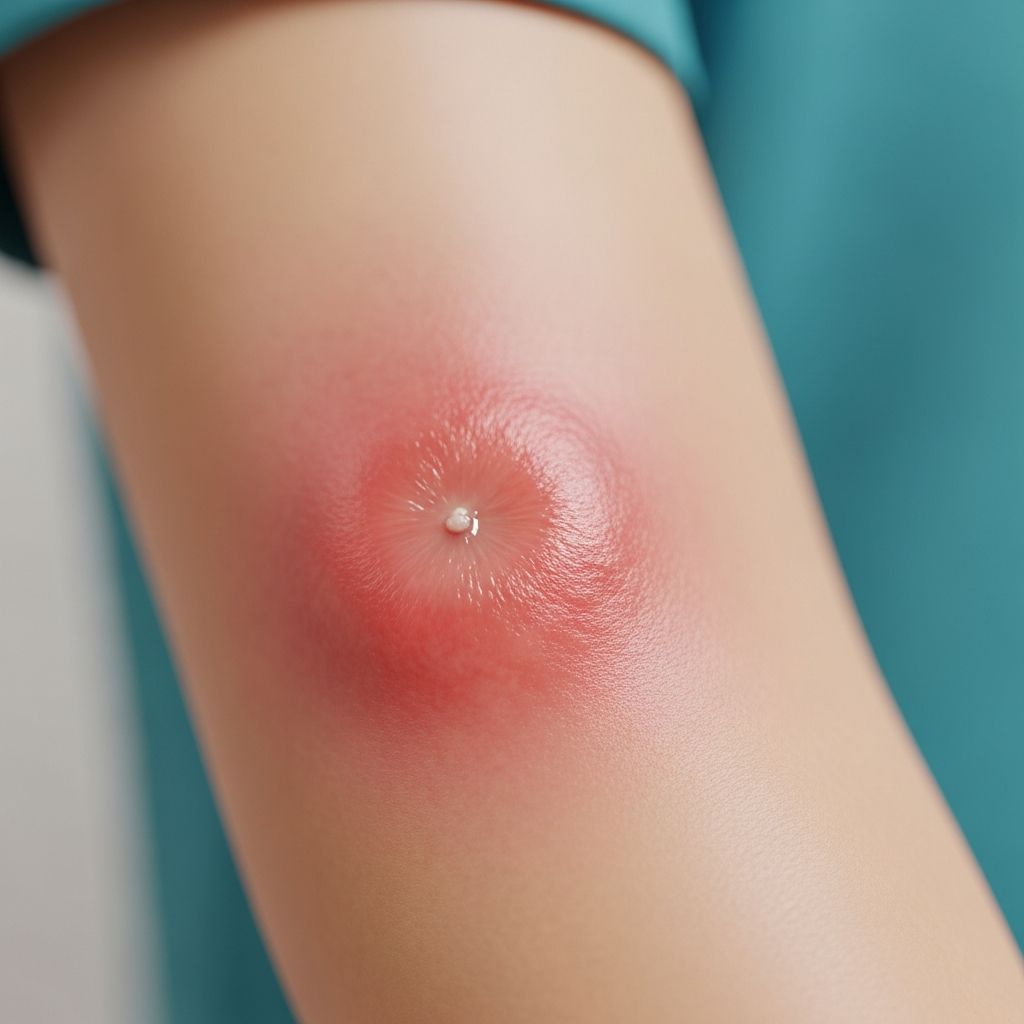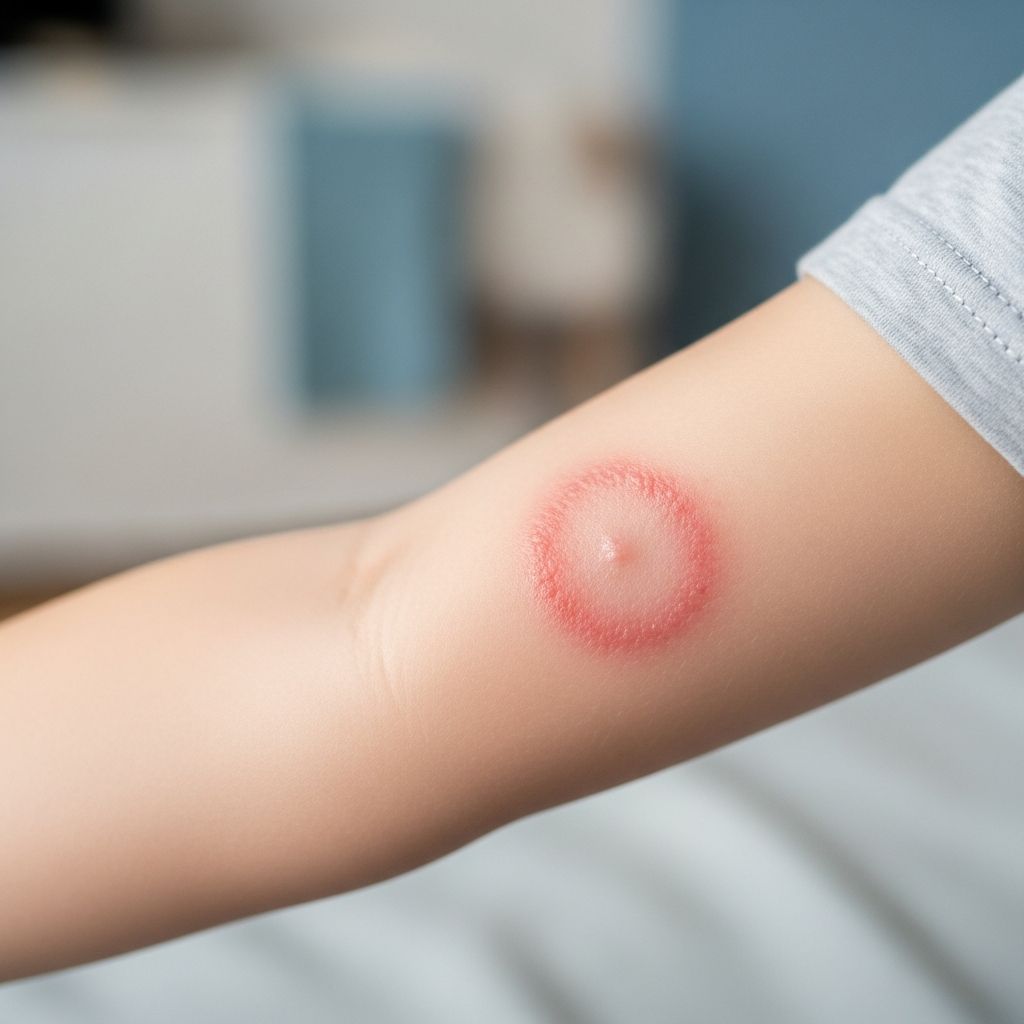
Ringworm is one of the most common skin infections in children. Despite its name, it is not a worm, but a fungus that infects skin, scalp, or nails and can easily spread in families, classrooms, and sports teams. Understanding how it looks, how kids catch it, and what treatment involves helps parents act quickly and prevent it from spreading.
What Exactly Is Ringworm?
Ringworm is a contagious fungal infection that affects the outer layers of the skin, hair, or nails. The medical term is “tinea,” followed by a word that describes the body area involved, such as tinea corporis (body), tinea capitis (scalp), or tinea pedis (feet). The infection typically creates round or oval patches that can be scaly, itchy, or red, and sometimes form a ring-like outline.
The fungus that causes ringworm thrives in warm, moist environments and can live on skin flakes, hair, clothing, and household items. Because children often share toys, sports gear, and close contact, they are especially likely to pick it up at schools, daycares, and playgrounds.
Why Is It Called “Ringworm” If There Is No Worm?
The name comes from the appearance of the rash, not from any parasite inside the body. When the infection spreads outward from a central spot, the edge of the rash can form a ring that is slightly raised compared with the middle, giving the impression of a worm-like shape.
Because the name is misleading, kids (and even adults) sometimes feel embarrassed or scared. Reassure your child that this is simply a skin infection caused by a common type of fungus and that, with proper treatment, it usually clears up without long-term problems.
Common Types of Ringworm in Kids
Ringworm can affect several body areas. The location influences how the rash looks, how uncomfortable it feels, and what kind of treatment a doctor may recommend.
| Type | Body Area | What It Often Looks Like | Common Symptoms |
|---|---|---|---|
| Tinea corporis | Arms, legs, trunk, or face | Round or oval patches with a clearer center and a more noticeable, sometimes scaly outer edge | Mild to moderate itch, slight burning or irritation, dry or flaky skin |
| Tinea capitis | Scalp | Scaly patches on the scalp, sometimes with broken hairs or small bald areas | Itchy scalp, tenderness, visible hair loss in spots, sometimes swollen lymph nodes |
| Tinea pedis (athlete’s foot) | Feet, especially between toes | Red, cracked, or peeling skin; may be moist between toes | Itching, stinging, or burning, especially after taking off shoes or socks |
| Tinea cruris (jock itch) | Groin and inner thighs | Red or darker patches that can spread outward from the folds of the groin | Intense itching, irritation, and chafing |
| Tinea unguium (nail infection) | Fingernails or toenails | Thickened, discolored, or brittle nails that may crumble | Discomfort in affected nails, cosmetic concerns |
How Kids Catch Ringworm
Ringworm spreads when contagious fungal spores move from one host or surface to another. Children normally catch it from other kids, infected adults, household pets, or contaminated objects such as brushes, hats, towels, or sports equipment.
Transmission can happen in several ways:
- Direct skin-to-skin contact: Hugging, wrestling, or playing rough with someone who has an active rash.
- Animal contact: Petting or handling infected dogs, cats, rodents, or farm animals, especially those with hairless patches.
- Shared personal items: Using another person’s hat, comb, towel, bedding, or clothing that carries fungal spores.
- Contaminated surfaces: Walking barefoot on locker room floors, pool areas, or communal showers where spores are present.
Not every child who comes into contact with the fungus will develop ringworm. How easily infection takes hold can depend on skin condition, hygiene habits, and the strength of the child’s immune system.
Risk Factors: Which Children Are More Vulnerable?
While any child can get ringworm, some situations make infection more likely. Teachers, coaches, and parents should be aware of these risk factors to recognize problems early.
- Participation in contact sports such as wrestling, football, or martial arts.
- Frequent use of shared locker rooms, mats, or showers.
- Wearing tight, non-breathable clothing or shoes that trap moisture.
- Living in warm, humid climates where children sweat more.
- Minor skin injuries or conditions that break the skin barrier.
- Weak or compromised immune systems due to illness or medications.
- Close contact with many animals, especially stray or untreated pets.
Reducing moisture on the skin, encouraging regular handwashing, and avoiding the sharing of personal items can lower the risk, even when these factors are present.
Recognizing Symptoms Early
Parents often notice ringworm when they see a circular or patchy rash that seems to slowly expand. On lighter skin, the affected area may look pink or red, while on darker skin it may appear brown, gray, or slightly lighter than the surrounding area.
Common warning signs include:
- Itchy, scaly, or bumpy patches.
- A ring-like border that appears more raised or inflamed than the center.
- Small bald spots, broken hairs, or scaly patches on the scalp.
- Cracked skin or peeling between toes or in skin folds.
- Thickened, discolored nails that may split or crumble.
Symptoms can be mild at first. Without treatment, the rash usually expands, more patches may appear, and the itch can intensify, especially in warm or sweaty areas.
When to Call the Doctor
Some mild skin ringworm infections may improve with over-the-counter creams, but medical guidance is important, especially for children. A doctor should evaluate any rash that does not clearly improve within a couple of weeks or that causes significant discomfort.
Contact your child’s health care provider if:
- The rash involves the scalp, face, or many parts of the body.
- Your child has a fever, swollen glands, or appears very unwell.
- The skin looks very swollen, painful, or has yellow crusts or pus.
- Over-the-counter cream does not help or seems to make it worse.
- Your child has a chronic health condition that affects immunity.
Early medical assessment can confirm whether the rash is truly ringworm or another condition that needs a different treatment approach.
How Doctors Diagnose Ringworm
In many cases, a trained health care provider can identify ringworm simply by examining the skin or scalp. The classic shape, borders, and scale give strong clues about the diagnosis.
If the appearance is unclear, the doctor may:
- Take a gentle scraping of the skin or a few hairs from the affected area to look at under a microscope.
- Send a sample to a lab to grow the fungus, which helps confirm the type of organism.
- Use a special light in a darkened room to see if the infection glows in a characteristic way (this works only for some fungal species).
Accurate diagnosis matters because other conditions—such as eczema, psoriasis, or bacterial infections—may look similar but require very different treatment.
Treatment Options for Children
Treatment aims to kill the fungus, relieve itch, and stop the infection from spreading. The choice of medicine depends on the body area involved, how extensive the rash is, and your child’s age and overall health.
Topical Antifungal Medications
For ringworm on the body, feet, or groin, doctors often recommend antifungal creams, gels, or sprays applied directly to the skin. These products must be used consistently for the full duration recommended, even if the rash looks better sooner.
- Apply a thin layer to the rash and at least 2–3 centimeters of normal-looking skin around it.
- Continue treatment for several days after the rash appears to clear to reduce the chance of recurrence.
- Follow product and doctor instructions carefully, and avoid using steroid-only creams unless prescribed specifically for your child’s condition.
Oral Antifungal Medications
Scalp ringworm and serious nail infections usually need prescription medicine taken by mouth. These medications circulate through the bloodstream and reach the deeper parts of the hair follicles or nails, where topical treatments cannot penetrate as well.
- Courses may last several weeks to a few months, depending on the infection’s location and severity.
- Your child may also need medicated shampoo to reduce contagious spores on the scalp.
- Complete the full course, even if symptoms improve quickly, unless the prescriber advises otherwise.
Home Care and Comfort Measures
Alongside medical treatment, simple home-care steps can relieve itching and keep the infection from spreading further. Consistency is key; small daily habits add up to faster recovery.
- Keep the skin clean and dry; gently wash the area with mild soap and water and pat dry.
- Have your child wear loose, breathable clothing made of cotton or moisture-wicking materials.
- Change socks, underwear, and sportswear daily, or more often if they become sweaty.
- Discourage scratching; trim fingernails short and consider cotton gloves at night if itching is intense.
- Wash bedding and towels frequently in hot water and dry them completely.
Over-the-counter anti-itch lotions or cool compresses may help reduce discomfort. Ask your health care provider which products are safe for your child’s age and situation.
Preventing Ringworm at Home and School
Complete prevention is not always possible, but many cases of ringworm can be avoided by reducing moisture, avoiding shared personal items, and maintaining good hygiene. Teaching children a few simple routines can protect not only them but also their classmates and siblings.
Practical prevention steps include:
- Encouraging daily bathing or showers, especially after sports and outdoor play.
- Insisting on flip-flops or shower shoes in public locker rooms and pool areas.
- Reminding children not to share hats, helmets, hair accessories, towels, or combs.
- Regularly cleaning sports equipment, such as helmets, pads, and mats.
- Checking pets for patchy hair loss and seeking veterinary care if skin problems are found.
- Allowing shoes and sports gear to air out completely between uses.
Schools and sports programs can help by maintaining clean facilities, promoting hygiene education, and excluding children with untreated, contagious infections from close-contact activities until treatment has started.
Is Ringworm Dangerous?
Ringworm is usually more of an inconvenience than a serious health threat, especially when treated early. The main concerns are discomfort, cosmetic changes like bald spots or nail changes, and the potential for spreading to others.
If the skin is scratched repeatedly or the infection is severe, bacteria can enter through damaged areas and cause secondary infections. Rarely, scalp ringworm can lead to inflamed, swollen patches that may scar and cause permanent hair loss if not treated promptly. Parents should watch for worsening pain, warmth, drainage, or fever and seek medical attention if these occur.
Ringworm and Your Child’s Daily Life
With appropriate treatment, most children can continue everyday activities, including school and sports,