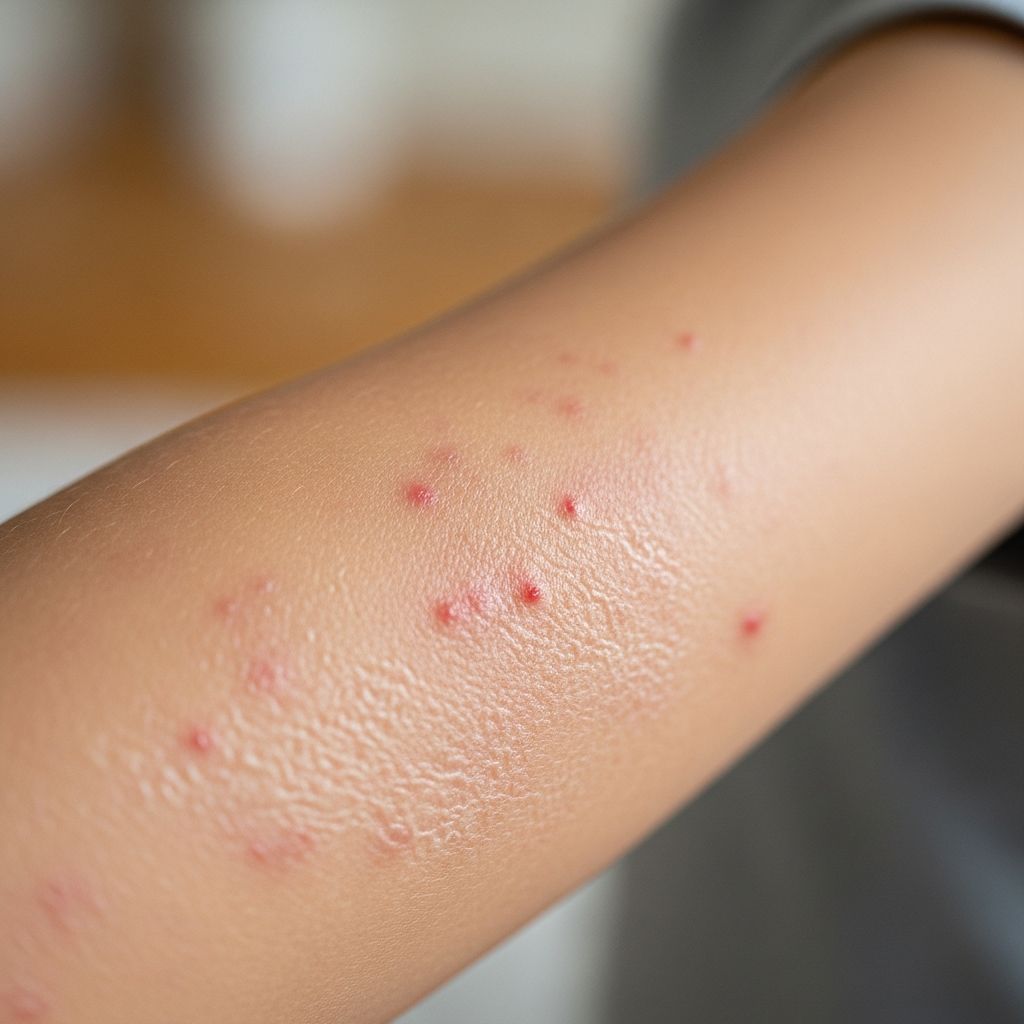
Viral illnesses are a normal part of childhood, and many of them can cause a widespread skin rash called a viral exanthem. Knowing what these rashes are, how they behave, and when to seek medical help can make a stressful situation easier to handle for parents and caregivers.
What Is a Viral Exanthem?
A viral exanthem is a widespread skin rash that appears as part of a viral infection, often along with other symptoms such as fever, tiredness, or sore throat. The word “exanthem” simply means a rash that covers large areas of the body.
- Usually appears during or shortly after a viral illness.
- Often made up of small red or pink spots, patches, or bumps that can blend together.
- Most are short-lived and clear up on their own.
- Common in babies and young children because their immune systems are still developing.
In many children, the exact virus causing the rash is never identified; treatment focuses on keeping the child comfortable until the illness passes.
What Do Viral Exanthems Look Like?
The appearance of viral rashes can vary, but there are some shared features that parents often notice.
Typical Rash Features
- Color: Pink, red, or sometimes purplish spots or blotches.
- Distribution: Commonly starts on the trunk (chest, back) and spreads to the arms, legs, and sometimes the face.
- Texture: May be flat (macules), slightly raised (papules), or form larger flat areas (patches) and plaques.
- Itch: May be not itchy at all or only mildly itchy, depending on the virus.
- Blisters: Some viral infections can cause tiny blisters (vesicles), but this is less common for simple viral exanthems.
In children with darker skin, the redness may be harder to see. The rash may look darker, purplish, or simply feel bumpy to the touch.
Common Accompanying Symptoms
Because viral exanthems are part of an infection, the rash often appears alongside general signs of illness.
- Fever (sometimes high)
- Runny nose, cough, or “cold” symptoms
- Sore throat
- Headache or body aches
- Tiredness and decreased activity
- Reduced appetite or drinking less than usual
Occasionally, the rash appears just as the fever is settling down, which can actually mean the child is moving into the recovery phase for certain viruses such as roseola.
Common Viral Illnesses That Cause Rashes
Many different viruses can lead to an exanthem. Some have very characteristic patterns that doctors recognize on sight.
| Condition (example) | Typical Age | Key Rash Clues | Other Common Symptoms |
|---|---|---|---|
| Roseola (HHV-6/7) | 6 months–2 years | Pink spots start on trunk after fever suddenly resolves. | High fever for 3–5 days, sometimes mild respiratory symptoms. |
| Hand, foot, and mouth disease | Infants & young children | Rash or blisters on hands, feet, and buttocks. | Mouth sores, fever, poor appetite. |
| Erythema infectiosum (“slapped cheek”) | Preschool & school-age | Bright red cheeks, then lacy rash on arms and legs. | Mild fever, runny nose; sometimes joint pain in older kids. |
| Non-specific viral rash | Any age | Diffuse pink spots or patches on trunk and limbs. | Cold or flu-like symptoms; virus often not precisely identified. |
Serious infections such as measles or rubella also cause exanthems, but childhood vaccination has made these much less common in many countries.
How Are Viral Exanthems Spread?
Most viruses that cause exanthems are contagious and spread from person to person before and sometimes during the rash stage.
- Respiratory droplets: Coughing, sneezing, or talking at close range (for example, parvovirus B19, roseola).
- Contact with saliva or nasal secretions: Sharing utensils, bottles, or toys that children put in their mouths.
- Contact with stool: Some viruses spread via tiny amounts of stool, especially during diaper changes (for example, some enteroviruses that cause hand-foot-and-mouth disease).
Because these infections can be highly contagious, children with a suspected viral exanthem should usually avoid close contact with others, especially newborns, pregnant people, and those with weakened immune systems, until a doctor advises that it is safe.
Is a Viral Exanthem Dangerous?
Most viral exanthems in healthy children are mild and self-limited. The rash itself is usually not harmful and fades as the immune system clears the virus.
However, a rash can occasionally signal a more serious problem that needs urgent medical attention. It is important to look at the whole child—their behavior, breathing, hydration, and level of alertness—not just the skin.
Reassuring Signs
- Child is alert and interactive at times (even if more tired than usual).
- Drinking fluids reasonably well and having wet diapers or regular urination.
- Fever responds to fever-reducing medicine as advised by a health professional.
- Rash appears gradually and the child seems otherwise stable.
Red-Flag Symptoms: Call a Doctor Urgently
Seek urgent medical advice or emergency care if your child has a rash plus any of the following warning signs:
- Difficulty breathing, fast breathing, or working hard to breathe.
- Unusual sleepiness, confusion, or trouble waking up.
- Stiff neck, severe headache, or sensitivity to light.
- Rash that is bright red or purple and does not fade when pressed (non-blanching).
- Rash with swelling or pain in hands, feet, or joints.
- Persistent vomiting, severe diarrhea, or signs of dehydration (no tears when crying, dry mouth, very few wet diapers).
- Fever above your pediatrician’s advised threshold that lasts more than a couple of days or returns after going away.
How Do Doctors Diagnose a Viral Exanthem?
In many cases, doctors can recognize a viral exanthem from a careful history and physical examination.
- They will ask about:
- When the rash started and how it spread.
- Recent fevers and other symptoms (cough, sore throat, stomach upset).
- Vaccination history and recent exposures to sick contacts.
- Any new medications or foods (to rule out allergy).
Most of the time, no blood tests or swabs are needed for uncomplicated viral rashes in otherwise healthy children. Tests may be ordered if:
- The child appears very unwell or the diagnosis is unclear.
- There is concern about infections like measles, rubella, or chickenpox in high-risk settings.
- The child has a weakened immune system or chronic medical problems.
Treatment: Caring for a Child With a Viral Exanthem
There is usually no specific medicine for the rash itself. Treatment focuses on easing symptoms and supporting the child’s recovery while the virus runs its course.
Comfort Measures at Home
- Fluids: Offer frequent sips of water, breast milk, formula, or an appropriate oral rehydration solution to prevent dehydration.
- Rest: Allow your child to sleep more and keep activities quiet.
- Fever relief: Use fever-reducing medicine only as directed by your child’s health professional (never give aspirin to children).
- Clothing: Dress your child in light, breathable clothing; avoid overdressing which can worsen discomfort.
- Skin care: Use gentle, fragrance-free cleansers and moisturizers; avoid harsh soaps or scrubbing the rash.
Managing Itching
Many viral exanthems are not very itchy, but when itching is present, it can disturb sleep and make your child more irritable.
- Cool compresses or lukewarm baths may soothe the skin.
- Keep fingernails short and consider cotton mittens for babies to reduce scratching.
- Ask your pediatrician before using any anti-itch creams or oral medicines.
Antibiotics do not help viral exanthems because they treat bacteria, not viruses. They are only prescribed if a bacterial infection is also present.
Preventing the Spread of Viral Rashes
While you cannot prevent every viral illness, there are practical steps that lower the risk of spread at home, daycare, and school.
- Hand hygiene: Encourage frequent handwashing with soap and water, especially after wiping noses, changing diapers, and before eating.
- Respiratory etiquette: Teach children to cover their coughs and sneezes with a tissue or their elbow.
- Stay home when sick: Keep children with fever, new rash, or significant symptoms out of group settings until cleared by a health professional.
- Vaccination: Keeping routine vaccines up to date can prevent some serious viral exanthems such as measles and rubella.
- Cleaning surfaces: Regularly clean high-touch objects like toys, doorknobs, and tablet screens.
Viral Exanthem vs. Other Childhood Rashes
Not every rash with a fever is a viral exanthem. Doctors consider several possibilities when evaluating a child.
| Type of Rash | Typical Cause | Clues |
|---|---|---|
| Viral exanthem | Viral infection | Widespread pink-red spots, often with fever and cold-like symptoms. |
| Allergic rash (hives) | Food, medication, or environmental trigger | Raised, very itchy welts that move around the body; may appear quickly. |
| Bacterial rash (e.g., scarlet fever) | Strep or other bacteria | Sandpaper-like texture, sore throat, and fever; often needs antibiotics. |
| Chronic skin condition (eczema) | Inflammatory, often allergic tendency | Dry, itchy, recurring patches, especially in skin folds; not typically linked to acute fever. |
Because some serious conditions can mimic a viral rash in the early stages, parents should not hesitate to call a pediatrician if they are unsure.
Frequently Asked Questions (FAQs)
Q1: How long does a viral exanthem usually last?
A typical viral exanthem lasts from a few days to about two weeks, depending on the virus and the child’s immune response. Some patterns, such as the lacy rash of erythema infectiosum, can fade and reappear for several weeks, especially after exercise or heat exposure.
Q2: Is my child still contagious when the rash appears?
Many viruses are most contagious before the rash appears and during the early fever stage. In some illnesses, the appearance of the rash signals that the child is moving out of the most infectious period, but this varies by virus. Your pediatrician can advise when it is safe for your child to return to daycare or school.
Q3: Can viral exanthems cause scarring or long-term skin problems?
Simple viral exanthems generally do not scar and do not cause ongoing skin disease once they resolve. Scarring may occur if a child scratches deeply, if blisters become infected, or with certain specific viral infections like severe chickenpox.
Q4: Should I take photos of the rash?
Yes, photos can be very helpful. Viral rashes can change quickly, and pictures taken in good light (and in sequence over a few days) give your child’s health professional a clearer view, especially if you are using telehealth.
Q5: When is it safe for my child to go back to school or daycare?
Children should usually stay home while they have a fever, feel very unwell, or have a new, unexplained rash. Once they feel better, are fever-free (without fever medicine) for the period recommended by your pediatrician, and any specific isolation guidance has been followed, they can often return. Always check with your health professional and the school or daycare policy.
Q6: Do viral exanthems mean my child has a weak immune system?
No. In fact, viral rashes are a sign that the immune system is actively responding to an infection. Repeated minor viral illnesses and exanthems are common in young children, especially those in group care settings.
References
- Clinical features of viral exanthems — Royal Australian College of General Practitioners (AJGP). 2021-04-01. https://www1.racgp.org.au/ajgp/2021/april/clinical-features-of-viral-exanthems
- Viral Exanthem Rash — Cleveland Clinic. 2022-09-13. https://my.clevelandclinic.org/health/diseases/22510-viral-exanthem-rash
- Viral Exanthem — Pediatric Associates of Austin (Patient Education PDF). 2024-05-01. https://www.pediatricassociates.net/wp-content/uploads/2024/05/Viral-Exanthem.pdf
- Viral Exanthem — Infants — Skinsight. 2023-01-10. https://skinsight.com/skin-conditions/viral-exanthem/infant/
- Exanthems (reactive rashes) — DermNet NZ. 2023-06-15. https://dermnetnz.org/topics/exanthems
- Pediatric Dermatology: Viral Rashes and When to Take Them Seriously — Happy Skin Dermatology. 2024-12-20. https://www.happyskindermatology.com/2024/12/20/pediatric-dermatology-viral-rashes-and-when-to-take-them-seriously/
- Viral exanthems — Primary Care Dermatology Society. 2022-05-05. https://www.pcds.org.uk/clinical-guidance/viral-exanthems