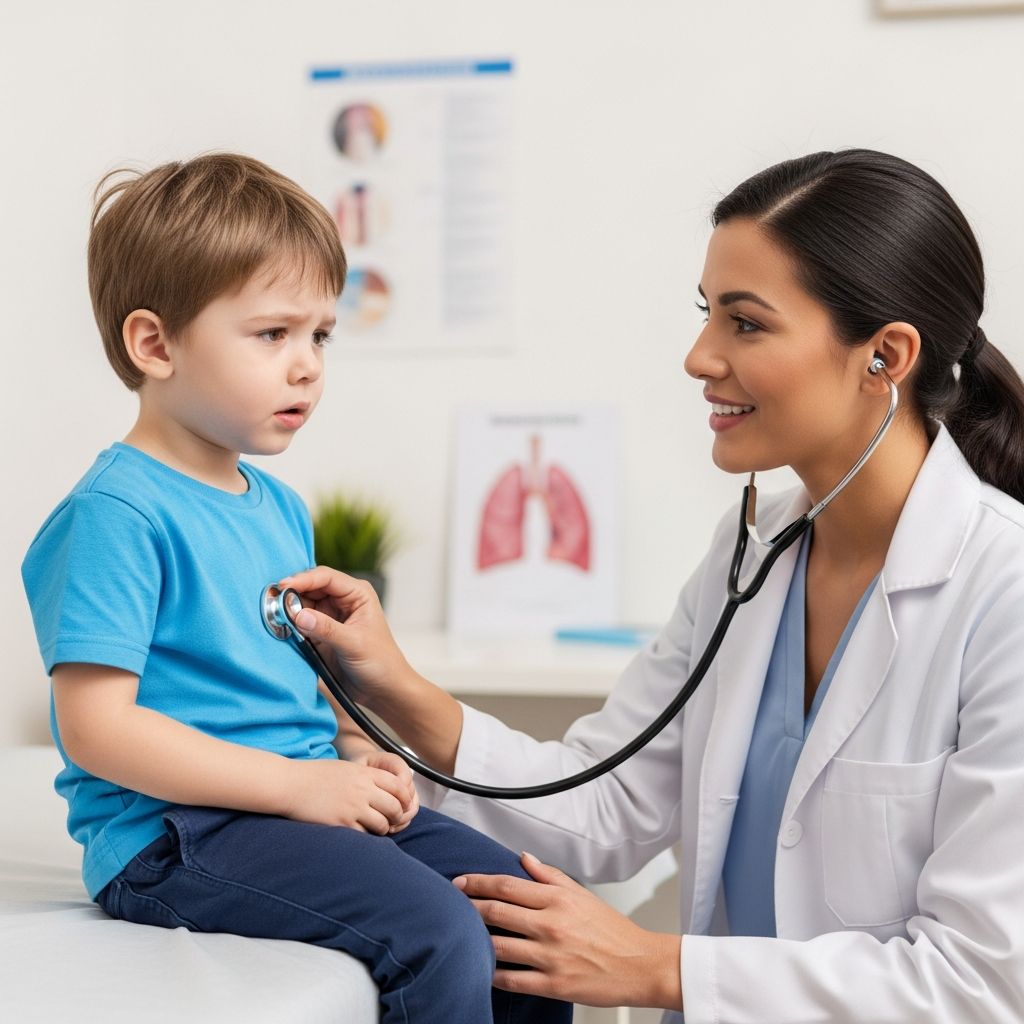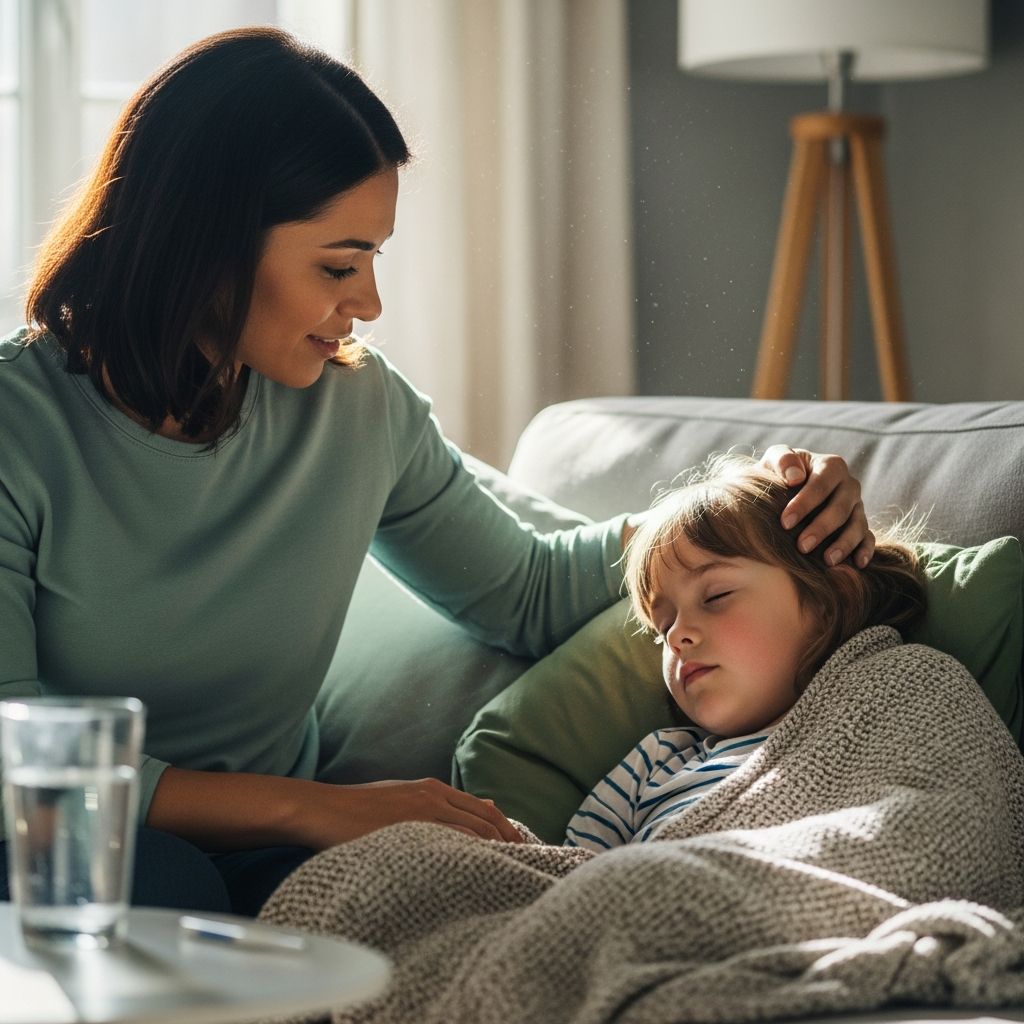
Making the Right Call: When Illness Warrants Staying Home from School
One of the most challenging decisions parents face is determining whether their child is too sick to attend school. This dilemma occurs regularly, especially during cold and flu seasons, and the stakes extend beyond just your child’s comfort—the decision affects classroom dynamics, your child’s ability to learn, and the health of other students and staff. Understanding the medical criteria and practical indicators can help parents make informed choices that prioritize both their child’s recovery and community health.
Core Fever Thresholds and Temperature Guidelines
Temperature measurement stands as one of the most objective indicators of whether a child should remain home. Medical professionals establish specific fever thresholds that warrant school absence. A fever of 100.4 degrees Fahrenheit or higher, particularly when accompanied by behavioral changes or other signs of illness, typically indicates a child should stay home. Some school guidelines specify that children should not attend school if they have experienced a fever above 101 degrees Fahrenheit within the past 24 hours.
The return-to-school standard for fever is equally important. Children should not return to school until they have been fever-free without fever-reducing medication like acetaminophen or ibuprofen for a full 24 hours. This guideline reflects the understanding that fever often signals active contagion, and the 24-hour fever-free period provides reasonable assurance that the child is no longer spreading infectious disease to classmates. Parents should recognize that compliance with this standard is essential, even if their child otherwise feels energetic or capable of participating in class activities.
Gastrointestinal Symptoms: Vomiting and Diarrhea Indicators
Digestive disturbances present specific challenges in determining school readiness. Vomiting requires careful evaluation, as unexplained vomiting occurring two or more times within a 24-hour period warrants keeping a child home. Similarly, when a child experiences vomiting or diarrhea that persists for more than a few hours, school absence is appropriate. For diarrhea specifically, children should remain home if they experience three or more loose stools within a 24-hour period. The pattern and frequency of these symptoms serve as reliable indicators because frequent gastrointestinal disturbances disrupt the classroom environment and may indicate significant infection risk.
Return guidelines for gastrointestinal illness are equally specific. Children may return to school once they have no more than two stools above their normal baseline and, for younger children, once stool is contained within diapers. This graduated return approach acknowledges that while minor digestive issues may persist, children are no longer experiencing acute, contagious illness.
Respiratory Symptoms: Coughs and Cold Manifestations
Respiratory symptoms generate considerable parental uncertainty because they are extremely common and vary widely in severity. The distinction lies between mild, manageable symptoms and those that impair function or suggest serious illness. A simple stuffy nose or minor cough does not necessarily prevent school attendance if your child remains active in the morning and can manage routine self-care tasks like getting dressed and eating. This practical assessment—whether your child can functionally participate in their day—serves as a useful screening tool.
However, more significant respiratory symptoms require different handling. Coughs that are constant, cause shortness of breath, or interfere with normal breathing warrant school absence. If your child’s cold or cough persists beyond six or seven days, or if an initially mild cold worsens and develops a fever, the child should remain home. Additionally, if your child experienced a rough night—such as being awake most of the night coughing or experiencing breathing difficulties—this physical exhaustion indicates insufficient recovery for the demands of a school day.
Regarding cough duration, it’s worth noting that coughs can persist for up to 18 days following certain infections. Parents should not expect complete symptom resolution before returning to school. Instead, once the cough improves and the child feels substantially better, return to school is appropriate, even if minor cough symptoms linger.
Behavioral and Energy Level Assessments
Beyond specific physical symptoms, a child’s overall behavioral state provides crucial information. Listlessness and lethargy are significant indicators that a child should remain home. When children appear unusually tired, lack their normal energy level, or seem withdrawn compared to their baseline personality, these signs suggest their body requires rest for recovery. Similarly, a marked absence of appetite indicates the body is directing resources toward fighting infection rather than digestion, suggesting a child is not ready for school.
The practical application of these observations means parents should assess whether their child can meaningfully participate in classroom activities. If symptoms prevent your child from engaging in routine activities or participating fully in classroom learning, staying home is appropriate. This holistic assessment captures situations where a child might not meet a single dramatic criterion but is clearly unwell enough to benefit from rest.
Specific Conditions Requiring Immediate School Absence
Certain symptoms demand unambiguous school absence due to their severity or contagion implications. Ear pain combined with fever, or drainage leaking from the ear, requires home care. These symptoms suggest middle ear infection or similar conditions that merit medical evaluation and rest. Sharp, persistent stomach or abdominal pain warrants staying home, particularly when accompanied by other symptoms. Severe sore throat, especially when causing difficulty swallowing or accompanied by fever, indicates the need to remain home and possibly seek medical evaluation.
More critical warning signs include blood in urine or stool, which always necessitates medical attention and school absence. Additionally, if your child has consumed no fluids for more than 24 hours, this represents a medical concern requiring evaluation and home care. These specific symptoms generally point toward conditions requiring professional medical assessment beyond standard home care.
Understanding Contagion Risk and Classroom Impact
The decision to keep a child home extends beyond that individual child’s wellbeing. When children attend school while contagious, they transmit illness to classmates, teachers, and school staff. This broader health impact is an important consideration in decision-making. Medical guidance recognizes that children remain typically contagious while displaying symptoms and for several days afterward. Keeping contagious children home reduces infection spread within school communities.
However, medical guidance also acknowledges that some illness spread is expected and normal in school settings. The balance involves keeping children home during acute, highly contagious phases while recognizing that children with improving symptoms can participate in school. This nuanced approach supports both disease prevention and the educational and social benefits of school attendance.
Practical Decision-Making Framework
Rather than relying on a single symptom, parents benefit from a systematic assessment. Begin by checking your child’s temperature, as fever is the primary indicator requiring school absence. If fever is absent or resolved for 24 hours without medication, assess functional capacity: Can your child participate in class activities? Can they manage bathroom needs and basic self-care? Are they eating and drinking adequately? Does the child have normal energy levels and alertness?
Consider symptom duration and trajectory. A cough that is improving and a child who is otherwise functional may attend school. A cough that is worsening, constant, or causing breathing difficulty indicates the need to stay home. Evaluate contagion risk by checking whether your child’s symptoms suggest active viral or bacterial infection. Fresh colds with profuse nasal drainage, productive coughs, or recent vomiting suggest higher contagion risk than older colds where symptoms are minimal.
Finally, consider your child’s medical history and any chronic conditions. Children with asthma, for example, may experience more significant impact from respiratory infections than other children. Children with weakened immune systems require more cautious decision-making. Your pediatrician’s guidance tailored to your child’s specific health profile provides valuable perspective.
School-Specific Policies and Communication
While general medical guidelines provide a framework, individual schools and districts establish their own attendance policies. Some schools have stricter requirements than general medical guidelines; others may be more flexible. Preschools and daycare centers frequently maintain specific rules about when to keep children home that differ from elementary school policies. Parents should familiarize themselves with their specific school’s requirements and communicate proactively when their child will be absent.
When you decide to keep your child home, notify the school promptly. Provide contact information where you can be reached during the school day in case your child’s condition changes and they need to be picked up. If your child receives medical care, sharing the diagnosis with the school office helps inform their infection prevention practices and allows them to monitor for similar illnesses in the student population.
Recovery and Return-to-School Readiness
Once your child begins recovering, the question becomes when they’re ready to return. The general principle is that children should return to school once they meet specific recovery milestones rather than waiting for complete symptom resolution. For fever-related illnesses, the 24-hour fever-free benchmark without medication is standard. For respiratory symptoms, once the cough improves and the child feels substantially better, return is appropriate even if minor symptoms persist. For gastrointestinal illness, once the acute phase has resolved and symptoms are controlled, return is suitable.
If your child has been diagnosed with a specific communicable disease like strep throat or norovirus, follow your doctor’s or local health department’s specific return guidelines, as these conditions may have different requirements than general viral illnesses.
Frequently Asked Questions About School Attendance During Illness
Q: Can my child attend school with just a stuffy nose?
Yes, if the stuffy nose is the only symptom and your child is active and functional in the morning, able to get ready for school, and has normal energy levels, they can typically attend school. However, check your specific school’s policies, as some facilities have different requirements. Consider recommending that your child wear a mask if they have cold symptoms to reduce transmission risk.
Q: What temperature is considered a fever that requires staying home?
A fever of 100.4 degrees Fahrenheit or higher, particularly when accompanied by behavioral changes or other symptoms of illness, warrants school absence. Some schools specify 101 degrees as their threshold. Regardless of the specific number, your child should not return until they have been fever-free for 24 hours without using fever-reducing medications.
Q: Should I wait for my child’s cough to completely disappear before returning to school?
No. Coughs can persist for up to 18 days after certain infections. You should not expect complete cough resolution. Once the cough improves and your child feels substantially better and is functioning normally, return to school is appropriate, even if minimal cough symptoms remain.
Q: My child vomited once but feels fine otherwise—should they stay home?
A single vomiting episode doesn’t necessarily require staying home. However, if your child experiences unexplained vomiting two or more times within a 24-hour period, they should remain home. Isolated vomiting followed by normal eating and drinking, with normal behavior and no fever, typically doesn’t warrant absence.
Q: When should I contact my pediatrician about my child’s illness?
Contact your pediatrician if you’re uncertain whether your child should attend school, if you have concerns about whether something more serious is occurring, if symptoms aren’t improving as expected, if you notice signs of dehydration, or if your child develops any of the severe symptoms requiring medical attention such as blood in stool, severe persistent abdominal pain, or inability to drink fluids for extended periods.
Q: Do I need a doctor’s note to return to school after illness?
Generally, a doctor’s note is not required for returning to school after a typical viral illness, provided your child meets the recovery criteria (fever-free for 24 hours without medication, symptoms improving, functional participation possible). However, if your child was diagnosed with a specific communicable disease, your school or health department may have specific return requirements or documentation needs.
References
- Stay or Go? When to Keep Your Child Home From School — Children’s Hospital of Philadelphia. 2024. https://www.chop.edu/news/stay-or-go-when-keep-your-child-home-school
- When to Keep Your Child Home Sick from School — American Academy of Pediatrics. 2024. https://www.healthychildren.org/English/ages-stages/gradeschool/school/Pages/When-to-Keep-Your-Child-Home-from-School.aspx
- The Basics: When Should My Sick Child Stay Home from School? — University of Utah Health. 2024-09. https://healthcare.utah.edu/the-scope/kids-zone/all/2024/09/basics-when-should-my-sick-child-stay-home-school
- Staying Home from School or Childcare When Your Child is Sick — South Carolina Department of Health and Environmental Control. https://dph.sc.gov/sites/scdph/files/Library/00251-ENG-CR.pdf
- Is Your Kid Too Sick to Go to School? with Kristin Barrett, MD — Cleveland Clinic Health Essentials. 2024. https://my.clevelandclinic.org/podcasts/health-essentials/is-your-kid-too-sick-to-go-to-school-with-kristin-barrett
- When to Keep Your Child Home From School — Sacramento City Unified School District. 2024. https://www.scusd.edu/explore/programs-services/student-support-and-health-services/health-services/when-to-keep-your-child-home-from-school
- When Students or Staff are Sick — Centers for Disease Control and Prevention. 2024. https://www.cdc.gov/orr/school-preparedness/infection-prevention/when-sick.html
- When Can My Child Be Around Other Kids After Being Sick? — Texas Children’s Hospital. 2024. https://www.texaschildrens.org/content/wellness/when-can-my-child-be-around-other-kids-after-being-sick