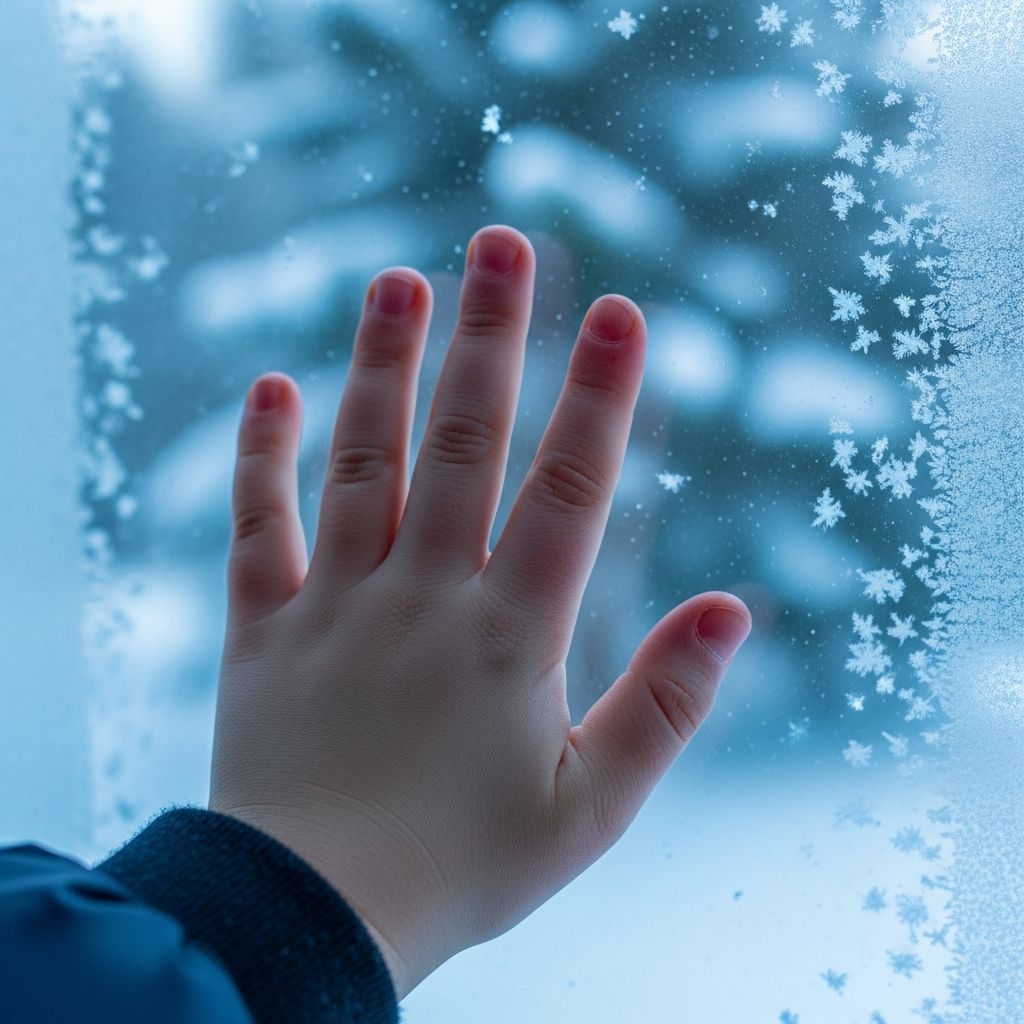
Cold, snowy days can be magical for children, but when temperatures drop too low, a fun day outside can quickly turn into a medical emergency. Frostbite and frostnip are cold-related injuries that can affect kids faster than many parents realize, especially in windy weather or when clothing gets wet. Knowing how to recognize, treat, and prevent these conditions helps keep children safe while they enjoy winter.
What Are Frostbite and Frostnip?
Both frostbite and frostnip happen when skin is exposed to very cold temperatures, but they are different in severity.
- Frostnip: The mildest form of cold injury. Only the top layer of skin is affected, and there is no permanent damage when treated promptly.
- Frostbite: A deeper injury where the skin and sometimes tissues underneath actually freeze. Severe frostbite can damage nerves, muscles, and even bone.
These conditions most often affect areas that are more exposed or have less blood flow:
- Fingers and hands
- Toes and feet
- Ears
- Nose and cheeks
Why Children Are at Higher Risk
Children are not just “small adults” when it comes to cold exposure. They lose heat more quickly and may not recognize danger signs early.
- Kids have a larger body surface area relative to their weight, which speeds up heat loss.
- They may not notice or report numbness, tingling, or pain in time.
- They often want to keep playing, even when they are very cold or wet.
- Infants and toddlers cannot tell adults how they feel and rely completely on caregivers to monitor them.
How Cold Is Too Cold? Understanding Risk Factors
Frostbite does not depend on air temperature alone. Other conditions can dramatically increase risk.
- Wind chill: Wind removes the thin layer of warm air over the skin and can cause frostbite in minutes at very low wind chill values.
- Wet clothing or skin: Wet gloves, socks, or boots pull heat away from the body much faster than dry materials.
- Tight boots or gloves: Restrict blood flow and make extremities more vulnerable.
- Long outdoor exposure: Sledding, skiing, or waiting at a bus stop in freezing weather without breaks indoors.
- Certain medical conditions: Poor circulation, some chronic illnesses, or medications that affect blood vessels can increase risk.
Signs and Stages: What Frostbite Looks Like
Recognizing early changes in your child’s skin can prevent a mild injury from becoming severe. Health organizations describe frostbite progressing through several stages.
| Stage | What You May Notice | Typical Depth of Injury |
|---|---|---|
| Frostnip (very mild) | Skin is red or pale, feels very cold, tingling or numbness, but soft to the touch. | Topmost layer of skin only; no permanent damage if treated promptly. |
| Superficial frostbite | Skin turns whitish, pale, or waxy; may feel stiff while the tissue underneath is still somewhat soft. After rewarming, the area may swell or form clear blisters. | Freezing of skin and upper tissues; can cause lasting damage without proper medical care. |
| Deep frostbite | Skin may look blue, gray, or black, feels very hard or “wood-like”; complete numbness. Large blisters can appear after rewarming. | Freezing extends deep into tissue, muscle, and sometimes bone; high risk of tissue loss. |
General Warning Signs in Children
- Skin that is paler, redder, or whiter than nearby areas
- Complaints of burning, prickling, or tingling that may progress to numbness
- Skin that feels firm, stiff, or waxy compared with adjacent skin
- Blisters appearing after warming
- Child shivering intensely, looking very tired, or having trouble walking, which may also suggest hypothermia.
Immediate First Aid for Suspected Frostnip
Frostnip is usually mild and can often be treated safely at home if handled correctly. Quick action helps reverse symptoms and prevent frostbite.
- Get out of the cold right away. Move your child indoors or to a sheltered, warmer area.
- Remove wet clothing. Wet gloves, socks, boots, or hats must come off because they draw heat away from the body.
- Begin gentle rewarming.
- Place the affected area in warm (not hot) water, usually around 37–39°C (99–102°F), for about 15–30 minutes.
- Alternatively, use your own body heat or warm blankets to slowly raise the temperature of chilled skin.
- Avoid dry or direct heat. Do not use a fireplace, space heater, oven, or heating pad. Numb skin burns easily because the child cannot feel that it is too hot.
- Do not rub or massage the skin. Friction can damage fragile, chilled tissues.
- Recheck feeling and color. Once warmth and normal sensation return and the skin color looks closer to normal, ongoing damage is unlikely.
Even after frostnip has improved, continue to monitor the area over the next 24–48 hours. If the skin becomes more painful, swollen, or blistered, contact a health care provider.
First Aid for Frostbite While Waiting for Medical Care
Frostbite is a medical emergency. Children’s hospitals and major clinics advise calling your child’s doctor or seeking emergency care immediately if you suspect frostbite, especially if blisters, color changes, or deep numbness are present.
While you arrange medical help or wait for emergency services, you can take these steps if it is safe to do so:
- Move your child to a warm environment as quickly as possible.
- Remove wet or tight clothing and jewelry from the affected area to allow circulation and prevent further cooling.
- Protect the area from further cold using dry, loose, warm coverings such as blankets.
- Do not allow your child to walk on frostbitten feet or toes, because this can worsen tissue damage.
- Rewarm only if there is no chance of refreezing. Thawing and then refreezing the tissue can cause far more damage.
- If rewarming is advised and refreezing is not expected, gently place the affected part in warm water (about 37–39°C / 99–102°F) for 15–30 minutes.
- Do not break any blisters. Cover loosely with a clean dressing if available.
- You may offer a warm, non-alcoholic drink if your child is awake and able to swallow safely, which can help raise core body temperature.
What Happens at the Hospital?
Health professionals will assess how deep the frostbite is and check for other cold-related problems such as hypothermia.
Depending on the severity, treatment may include:
- Controlled rewarming baths in warm water, closely monitored by staff.
- Pain medicine during and after rewarming, because the process can be painful.
- Wound care for blisters and damaged skin to prevent infection.
- Possible medications to improve blood flow in some cases, especially when damage is severe.
- Imaging or repeated exams over several days to determine the full extent of injury.
In the most serious cases, dead tissue may eventually need surgical removal. Fortunately, prompt first aid and quick medical care often greatly reduce the risk of long-term damage.
Preventing Frostbite and Frostnip in Children
Prevention is much easier than treating frostbite. Pediatric and emergency medicine experts recommend a layered approach to protect kids in cold weather.
Dress Smart for the Cold
- Use layers:
- A moisture-wicking inner layer to keep sweat away from the skin.
- A warm middle layer such as fleece or wool.
- A waterproof, wind-resistant outer layer to block wind and moisture.
- Cover extremities well: Insulated gloves or mittens, warm socks, winter boots, and a hat that covers the ears.
- Avoid tight items: Footwear and gloves should be snug but not so tight that they limit circulation.
- Pack extras: Bring spare gloves, socks, and a hat so wet items can be replaced right away.
Limit Time in Harsh Conditions
- Check the temperature and wind chill before going outside; shorten outdoor play when wind chills are very low.
- Schedule frequent warm-up breaks indoors, especially for younger children.
- Do not leave children waiting outside for transportation in extreme cold whenever you can avoid it.
- Monitor infants and toddlers closely—experts advise checking them about every 10–15 minutes in very cold weather.
Keep Kids Dry and Fueled
- Change out of wet clothing promptly after sledding or snow play.
- Make sure kids eat regular meals and snacks; good nutrition supports body heat production.
- Encourage warm, non-caffeinated drinks like warm water, milk, or cocoa to help maintain core temperature.
Teach Children to Speak Up
Educate kids about how frostbite and frostnip feel so they know when to come inside.
- Explain that tingling, burning, or numbness are warning signs.
- Tell them to look for pale, gray, or overly red skin compared with other areas.
- Remind them that it is never “weak” or “spoiling the fun” to come indoors when something feels wrong.
Common Mistakes to Avoid
Some actions that seem helpful can actually worsen frostbite or frostnip. Medical organizations caution against the following:
- Do not rub or massage frozen or very cold skin. This can create tiny tears in already fragile tissue.
- Do not use direct heat like fires, stoves, car heaters on high, or heating pads on numb skin.
- Do not pierce or drain blisters. This increases the risk of infection and should be managed by a health professional.
- Do not rewarm if refreezing is likely. Wait for a stable warm environment before starting rewarming.
- Do not give alcohol or sedating medications. These can impair judgment and worsen cold injury risk.
Frequently Asked Questions (FAQs)
How fast can frostbite happen in a child?
In very cold and windy conditions, exposed skin can develop frostbite in minutes, especially when the wind chill is extremely low. Wet skin or tight clothing can speed this up. On milder days, frostbite is much less likely but frostnip can still occur during long outdoor play.
Are red cheeks after playing outside a sign of frostbite?
Not always. Mild redness that fades after your child warms up is usually a normal response to cold. Worry more if the skin becomes pale, white, gray, very hard, completely numb, or blistered—those are warning signs of frostbite that need prompt attention.
When should I call a doctor or go to the emergency department?
Seek medical care right away if your child has skin that stays numb, looks waxy or discolored, develops blisters, feels very hard, or if they show signs of hypothermia such as intense shivering, confusion, or trouble walking. When in doubt, contact your pediatrician or local emergency services.
Can frostbitten skin fully recover?
Mild injuries such as frostnip and some cases of superficial frostbite often heal without permanent problems, especially with fast treatment. Deep frostbite can cause scarring, long-term sensitivity to cold, or even tissue loss. Early first aid and specialized medical care improve the chances of a good outcome.
How can I safely warm my child after they come inside?
Start by removing wet clothes, then wrap your child in dry, warm layers and blankets. For cold hands or feet, use warm (not hot) water baths and avoid rubbing. Offer a warm, non-alcoholic drink if they are fully awake and able to swallow. Monitor them closely for any worsening symptoms.
References
- Frostbite — Yale Medicine. 2022-01-19. https://www.yalemedicine.org/conditions/frostbite
- Frostbite: First aid — Mayo Clinic. 2023-01-07. https://www.mayoclinic.org/first-aid/first-aid-frostbite/basics/art-20056653
- Frostbite and Frostnip in Children — Stanford Medicine Children’s Health. 2022-11-15. https://www.stanfordchildrens.org/en/topic/default?id=frostbite-and-frostnip-in-children-90-P02820
- Frostbite — Cleveland Clinic. 2022-12-22. https://my.clevelandclinic.org/health/diseases/15439-frostbite
- Frostbite and Frostnip — Boston Children’s Hospital. 2021-12-10. https://www.childrenshospital.org/conditions/frostbite