Turning two is a big milestone, but that does not mean you need an over-the-top celebration. At this age, toddlers care more about familiar faces, simple fun, and snacks than elaborate decorations or a packed schedule. Research on early childhood development shows that young children learn best through play and short, engaging experiences, not long, highly structured events. Planning with this in mind can keep the day fun for your child and manageable for you.
This guide offers realistic, low-stress ideas for a memorable second birthday party, including timing, guest list, themes, activities, food, and FAQs—designed for busy parents who want joy, not burnout.
Understanding a Two-Year-Old’s Perfect Party
Before you pick a theme or buy balloons, it helps to think about what a two-year-old can comfortably handle. Many parenting and pediatric resources recommend short parties, small groups, and flexible routines for toddlers.
- Short attention span: Most two-year-olds move quickly from one activity to another. Plan a few simple options rather than one big, complicated game.
- Sensitivity to noise and crowds: Some toddlers love bustle; others get overwhelmed. A smaller group reduces meltdowns and makes supervision easier.
- Routine still matters: Try to avoid nap time and keep the total party time to about 1.5–2 hours.
- Parallel play stage: At two, kids often play near each other instead of together. Having several stations lets everyone find something they like.
Choosing a Simple Guest List and Venue
You do not need a huge crowd or an expensive venue for a great second birthday. Many families find that home or a local park is more than enough.
How Many Guests Are Enough?
There is no strict rule, but many parents aim for a small group so they can focus on their child instead of crowd control.
- Start with your toddler’s comfort: Think about how they react at playgroups or family gatherings.
- Consider inviting parents to stay: At age two, it is common and often safer for caregivers to remain at the party.
- Balance kids and adults: Fewer children often means a calmer environment, especially in small spaces.
Home vs. Park: Quick Comparison
| Option | Pros | Things to Consider |
|---|---|---|
| At Home | Familiar to your child, easy access to toys, bathroom, and kitchen. | Requires tidying before and after; may feel crowded with larger groups. |
| Local Park | Built-in space to run, less mess inside your home, plenty of fresh air. | Weather dependent, need to bring supplies, keep close watch near play structures. |
Picking an Easy, Toddler-Friendly Theme
Themes for two-year-olds do not need to be complicated. Choose something your child already loves, and let that guide a few decorations and activities.
- Favorite animals: Dinosaurs, farm animals, jungle creatures, or pets.
- Beloved songs or books: Simple nursery rhymes, classic storybooks, or a favorite character.
- Colors and shapes: Rainbow, polka dots, stars, or one bright color.
- Activities they adore: Bubbles, cars and trucks, water play, or building blocks.
Once you have a general idea, you can add a few small touches—like matching plates or a themed cake topper—without buying everything in a full party set.
Planning the Schedule Around Naps
Toddlers are often happiest when they are well rested and not overly hungry. Many child development and parenting guides recommend scheduling toddler parties for mid-morning or late afternoon, and keeping them short.
- Ideal length: 1.5 to 2 hours is usually enough excitement for a two-year-old.
- Best start times:
- Mid-morning (around 10:00 a.m.) after an early nap or snack.
- Late afternoon (around 3:00–3:30 p.m.) after the main nap.
- Build a loose flow:
- Arrival and free play.
- Simple activity stations or a song circle.
- Snack and cake.
- More free play and gentle goodbyes.
Keep the schedule flexible so you can adjust if kids are tired, overwhelmed, or happy with one activity longer than expected.
Activity Ideas Toddlers Can Really Enjoy
At two, the best activities are safe, open-ended, and easy to join or leave at any time. Experts on early childhood play encourage simple materials, sensory experiences, and opportunities for movement.
Low-Mess Activity Stations
- Bubble zone: Set out bubble wands or a bubble machine in the yard or near an open space. Toddlers can chase, pop, or just watch.
- Sticker and coloring table: Offer chunky crayons, large paper, and easy-peel stickers. Skip tiny pieces that are hard to grasp.
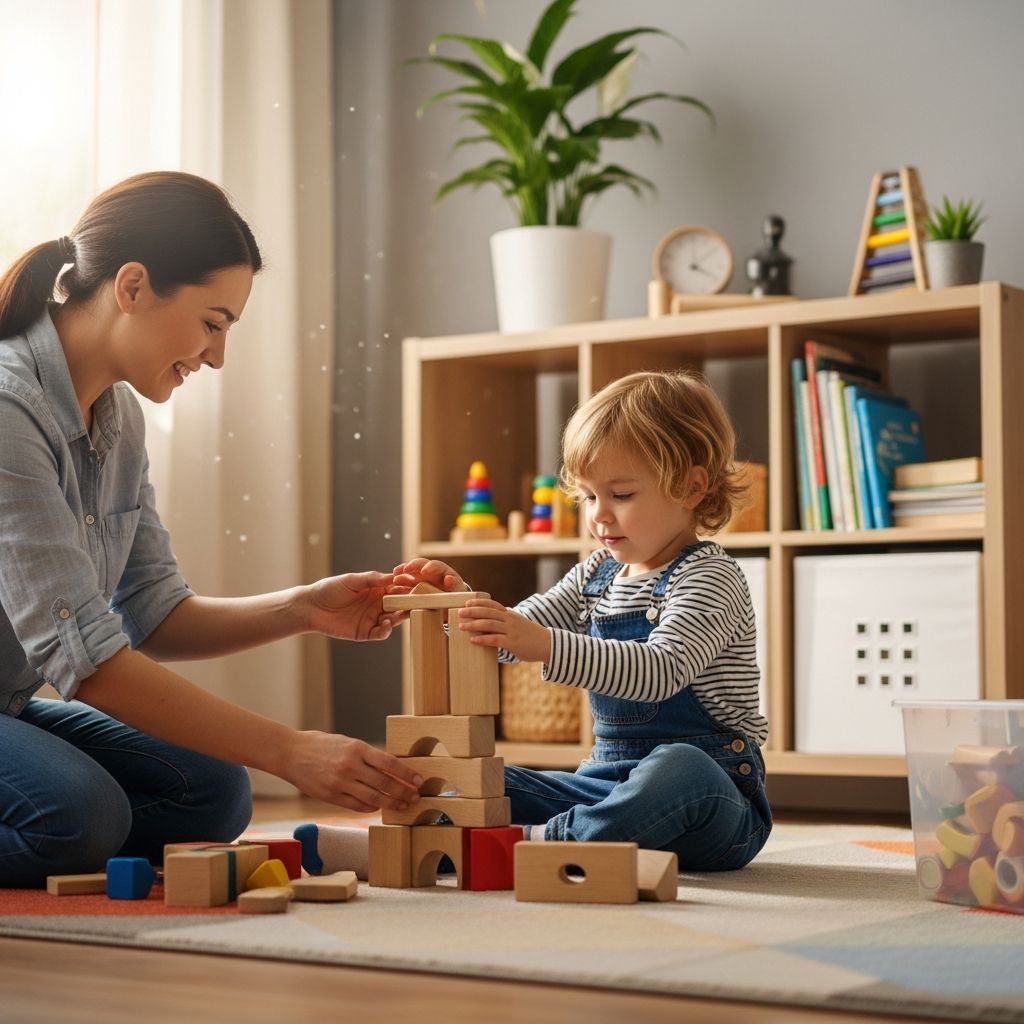
- Block or car corner: A small rug with blocks, cars, or trains is perfect for quieter kids.
- Soft ball play: Use lightweight balls for rolling, tossing into baskets, or gentle kicking.
Simple Sensory Fun
Sensory activities can support development when supervised closely, helping children explore textures, cause and effect, and coordination.
- Water play: In warm weather, shallow bins with cups and spoons provide big fun. Always maintain constant adult supervision around water.
- Dry sensory bins: Large tubs filled with pom-poms, large pasta shapes, or fabric scraps, plus scoops and bowls.
- Music and movement: Put on favorite songs for dancing, clapping, or marching with simple instruments like shakers.
Activities to Use With Caution
Some classic party activities can still work at this age if you adapt them.
- Piñatas: If you use one, consider pulling ribbons instead of swinging a bat, and fill it with soft, larger items rather than hard candy.
- Face painting: Keep designs very simple, use hypoallergenic products, and have wipes ready in case a toddler changes their mind mid-design.
Decorations That Do Not Take Over Your Life
You can create a festive look without turning your home into a craft project. There is no evidence that elaborate décor makes the party more meaningful to a toddler; familiar people and simple play matter more at this age.
Quick Decoration Ideas
- Balloons in moderation: A small cluster at the entrance or near the cake table can be enough. Always keep uninflated balloons away from children and supervise balloon play closely due to choking risks.
- Streamers or bunting: Hang across a doorway or wall to mark the party space.
- Photo display: Print a few favorite pictures from the past year and clip them to a string or place them in frames.
- Themed tableware: Cups, plates, or napkins that match your theme add color without much effort.
Safety Checks for Decor
- Avoid small decorative items toddlers could put in their mouths.
- Secure any hanging items well above reach.
- Keep candles out of reach until it is time to sing, and blow them out quickly.
Toddler-Friendly Food and Cake Ideas
Food at a second birthday does not need to be a full meal. Many parenting resources suggest offering simple finger foods that are easy to chew and not major choking risks.
Snack Ideas That Work for Kids and Adults
- Fruit platters: Sliced bananas, seedless watermelon, berries cut small, or clementine segments.
- Mini sandwiches or wraps: Soft bread with cheese, mashed avocado, or thinly spread nut-free butters (if there are allergy concerns).
- Crackers and cheese: Mild cheeses cut into thin strips or small pieces, with soft crackers.
- Veggie sticks with dip: Soft-cooked carrot sticks, cucumber slices, or bell pepper strips with hummus or yogurt dip.
Birthday Cake and Alternatives
- Small cake: A single-layer cake is often easier to cut and serve to little hands.
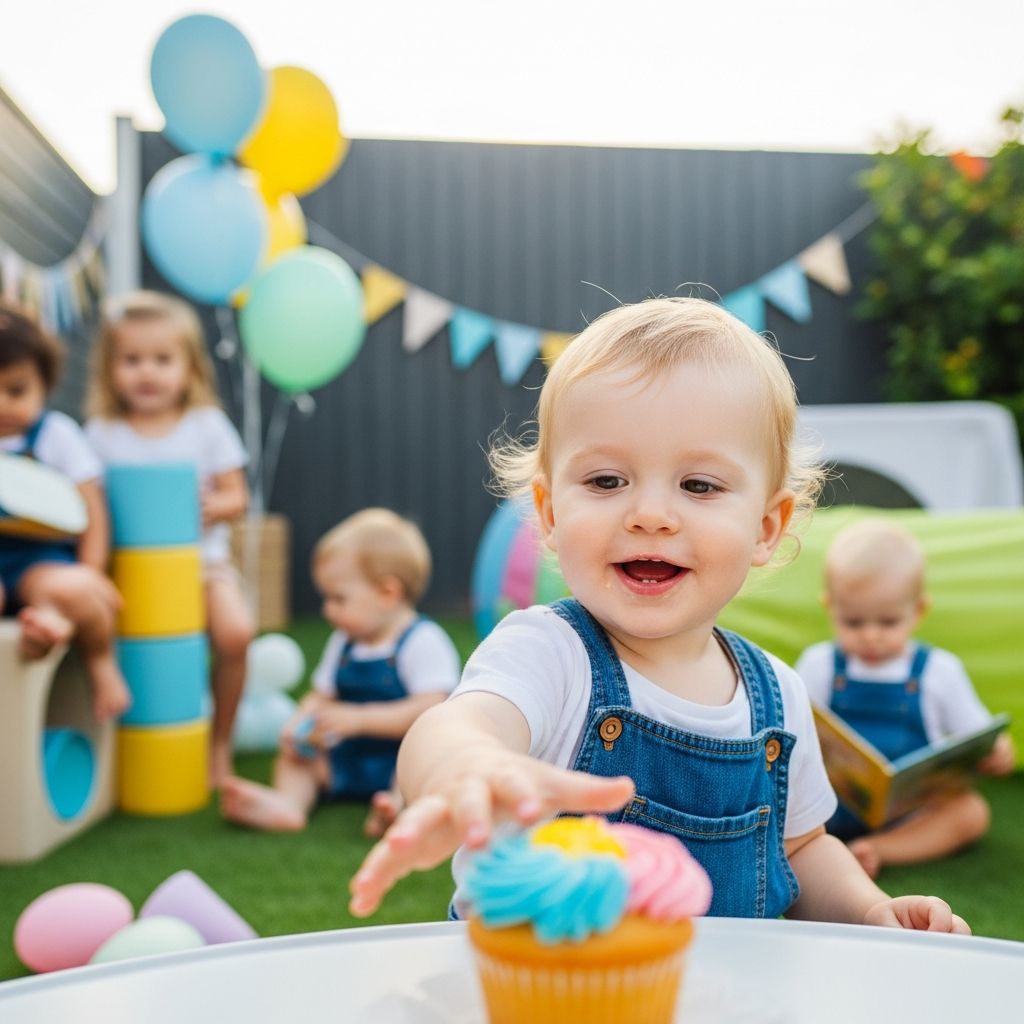
- Cupcakes or muffins: Easy to portion, no cutting required, and can be made lower in sugar if you prefer.
- Simple topper: A candle and a small decoration that fits your theme are enough to make it feel special.
Ask guests about allergies in advance and label anything that contains common allergens like nuts, eggs, or dairy.
Planning a Few Weeks Ahead Without Overdoing It
A light planning timeline can prevent last-minute stress. Checklists have been shown to help families manage recurring tasks and reduce the chance of missing important details.
Three to Four Weeks Before
- Choose the date, time, and general theme.
- Decide on home or park and reserve any space if needed.
- Make a rough guest list and send invitations (digital or paper).
One to Two Weeks Before
- Plan the menu and short list of activities.
- Gather basic decorations and any needed supplies.
- Confirm who is attending and whether parents will stay.
Day Before and Day Of
- Prepare any food that can be made ahead.
- Set up activity areas and put away fragile items.
- Charge your phone or camera for photos.
- Have a small, quiet space ready in case a child needs a break.
Making the Party Enjoyable for Adults Too
Happy caregivers help create a calmer environment for kids. Pediatric and family well-being research emphasizes that caregiver stress can affect how children experience events. A few small considerations can make the party more pleasant for adults as well.
- Offer simple adult snacks and drinks separate from the kids’ table.
- Provide enough seating where grown-ups can see their children.
- Keep trash bags and wipes handy so clean-up is easy.
- Consider a short message or sign outlining where to leave gifts and coats.
Frequently Asked Questions (FAQs)
How long should a second birthday party last?
For most two-year-olds, 1.5 to 2 hours is enough excitement. Longer events can lead to overtired, overwhelmed toddlers, especially if they interfere with nap times.
Do I need to invite the whole preschool class or playgroup?
No. Many families prefer a small gathering of a few children your toddler knows well. A smaller group usually means easier supervision and fewer meltdowns.
Should parents stay at a two-year-old’s party?
It is very common and often recommended for caregivers to stay at parties for two-year-olds. Children this age often need help with toileting, snacks, and transitions, and they may feel more secure with a familiar adult nearby.
What is a good time of day for a second birthday?
Mid-morning or late afternoon usually works best, scheduled around your child’s regular nap. Try to avoid starting when they are typically tired or just waking up.
Do I need party favors?
Favors are optional. If you choose to give them, keep them simple and safe for toddlers, such as a small board book, chunky crayons, or a sheet of stickers. Avoid items that are very small or hard candy.
How can I keep the party from feeling overwhelming for my child?
Limit the guest list, keep décor simple, offer a few low-key activities, and have a quiet space where your child can take a break if they need it. Follow their cues; if they want to step away for a while, let them.
References
- Choosing Safe Toys and Gifts for Children — U.S. Consumer Product Safety Commission. 2023-11-20. https://www.cpsc.gov/Safety-Education/Safety-Education-Centers/toys
- Tips for Hosting a Toddler Birthday Party — Wild Katz. 2023-04-10. https://wldktz.com/blog/Blog%20Post%20Title%20One-m3nrt
- How to Throw a Toddler Birthday Party — The Price Adventure. 2022-07-15. https://thepriceadventure.com/how-to-throw-a-toddler-birthday-party/
- The Importance of Play in Promoting Healthy Child Development and Maintaining Strong Parent-Child Bonds — Ginsburg, Pediatrics (American Academy of Pediatrics). 2007-01-01. https://publications.aap.org/pediatrics/article/119/1/182/70878
- Birth to 5: Watch Me Thrive! A Compendium of Screening Measures for Young Children — U.S. Department of Health and Human Services. 2014-03-01. https://www.acf.hhs.gov/archive/sites/default/files/documents/ecd/screening_compendium_march2014.pdf
- Complete Kids’ Birthday Party Checklist — Cozi Family Organizer. 2021-06-01. https://www.cozi.com/add-to-cozi/complete-kids-birthday-party-checklist/
- How to Plan Your Child’s Second Birthday Party: A Complete Guide — Planiit. 2023-05-10. https://planiit.io/blog/how-to-plan-your-childs-second-birthday-party-a-complete-guide