Decoding Your Child’s Inner World Through Artistic Expression
Children often struggle to articulate their emotions verbally, leaving parents searching for insights into their emotional landscape. One powerful avenue for understanding a child’s inner thoughts and feelings exists right in front of us: their artwork. Drawings, paintings, and other creative expressions serve as windows into a child’s psychological state, providing glimpses of their concerns, joys, anxieties, and developmental progress. However, interpreting these artistic creations requires more than surface-level observation—it demands an understanding of developmental psychology and a commitment to avoiding hasty conclusions.
The Psychology Behind Childhood Artistic Expression
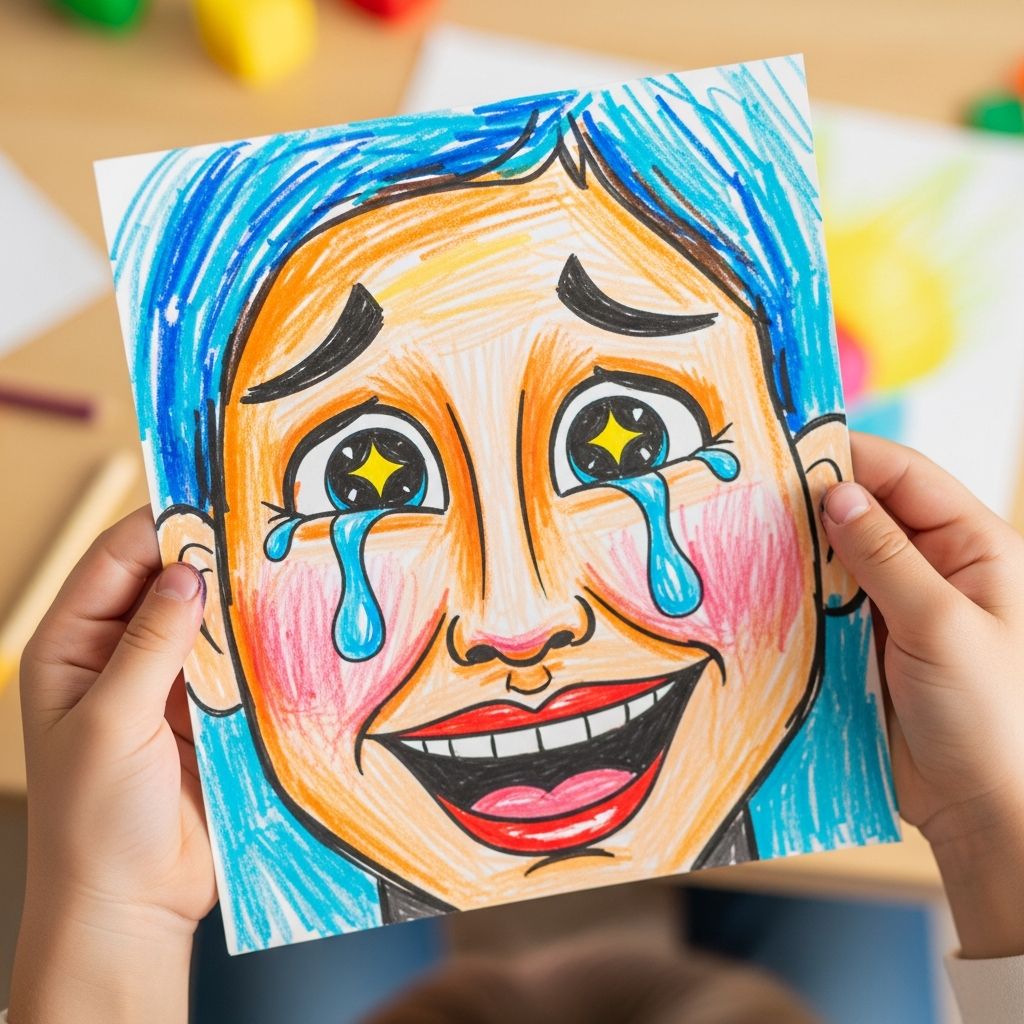
Children’s drawings function as projective tools, revealing unconscious thoughts and emotional experiences that may remain hidden during casual conversation. When a child puts pencil to paper, they are not simply creating random marks; instead, they are translating their internal mental representations into visual form. Research has consistently shown that drawings provide authentic depictions of a child’s psyche and personality, making them valuable in both diagnostic and therapeutic contexts.
The developmental progression of children’s drawing abilities follows a predictable pattern. According to developmental psychology theory, children progress through distinct stages: accidental realism between ages 2-3, followed by failed realism at ages 3-4, intellectual realism spanning ages 4-12, and finally visual realism beginning at age 12. Understanding where your child falls within this developmental trajectory is crucial for accurate interpretation, as age-appropriate elements should be distinguished from potentially concerning features.
What Line Quality Reveals About Emotional State
The manner in which a child applies their drawing implement—the pressure, continuity, and character of their marks—communicates volumes about their emotional condition. When a child presses firmly and creates bold, continuous lines, they typically demonstrate self-confidence, security, and a clear visualization of what they intend to create. These children have already mentally conceptualized their image before applying it to paper, resulting in purposeful, decisive marks.
Conversely, hesitant children who doubt themselves often produce light, wavering, or broken lines that suggest uncertainty and insecurity. These fragmented marks indicate a child who is thinking as they draw rather than working from a pre-formed mental image. While this doesn’t necessarily indicate problems, it can reveal a child’s internal hesitation or lack of confidence in their decision-making.
When lines become noticeably trembling, discontinuous, or meandering, these disrupted line qualities may indicate difficulty coping with unwanted realities and complex emotional struggles. Such indicators warrant closer observation and conversation with your child to understand what circumstances might be contributing to this visual representation of anxiety.
The Significance of Pressure and Stroke Intensity
Bold strokes, particularly when placed close together, frequently signal strong emotions including stress, determination, anger, or intensity of feeling. A child pressing hard with their pencil or marker is channeling emotional energy into their artwork. While this intensity doesn’t automatically indicate problems, it does suggest emotional activation that deserves attention and conversation.
In contrast, softer, lighter marks typically suggest a gentler temperament and a more measured emotional baseline. Children who naturally create delicate lines often demonstrate a calmer approach to creative expression and may be more introverted or sensitive to their environment.
It’s important to recognize that the intensity of marks can vary based on the moment and context. A child might press harder during one drawing session due to frustration with an unrelated event, or apply lighter pressure when they’re relaxed and content. This is why single drawings should never be interpreted in isolation as definitive statements about a child’s emotional state.
Size, Proportion, and Self-Perception
When examining a child’s drawing, the relative sizes of figures provide meaningful clues about self-esteem and perceived importance within their world. A child who draws themselves as the largest figure on the page typically demonstrates confidence and a strong sense of self-worth. Conversely, children who draw themselves as notably smaller than other family members or figures might be experiencing feelings of being overlooked, shy, or less important within their social or family structure.
The proportional relationships between figures reveal how a child perceives their place in their family hierarchy and social relationships. Children often unconsciously draw more important or dominant figures larger than those they perceive as less significant. In family drawings, the size discrepancies can illuminate a child’s perception of which family members hold the most influence or emotional importance in their life.
Tiny feet, when present in human figures, are sometimes interpreted as representing insecurity and instability, literally depicting an unstable foundation. Similarly, the presence or absence of arms carries symbolic meaning—the absence of arms may suggest timidity or non-aggressive tendencies, while exaggerated hand size in self-portraits can potentially indicate aggressive impulses, though this interpretation should never stand alone without contextual information.
Color Selection and Emotional Tone
While color psychology in children’s drawings is not a foolproof diagnostic tool, color preferences and combinations do communicate emotional information. Children who favor particular colors will tend to use them consistently across multiple drawings, and analyzing how they employ their preferred colors can yield additional insights. Red, one of the most commonly favored colors among children, carries associations with energy, passion, and emotional intensity.
The combination of colors chosen—particularly unusual or unexpected pairings—can suggest emotional coping strategies. Children facing stress or anxiety might select color combinations that appear discordant to adult sensibilities, or they might avoid certain colors entirely. However, color preference alone should never be interpreted as definitive evidence of emotional difficulty.
Content, Themes, and Symbolic Imagery
What a child chooses to draw often matters more than how they draw it. The themes and subjects appearing repeatedly in a child’s artwork reveal their preoccupations, interests, and concerns. A child repeatedly drawing images of separation, loss, or isolation may be processing experiences or anxieties related to these concepts. Fantasy elements such as superheroes, monsters, or magical creatures can represent feelings of empowerment or overwhelm, and also reflect a child’s abstract thinking abilities and exposure to narratives through books, movies, and stories.
Children with chronic illnesses or emotional difficulties often depict anxiety and tension in their artwork, whereas children with healthy psychological states tend to create more positive family scenes and pleasant environments. The emotional tone conveyed through subject matter provides important context for understanding what occupies your child’s thoughts and emotions.
The Critical Role of Direct Communication
Perhaps the most essential element in interpreting children’s artwork is asking your child to explain their creation. Their verbal explanation provides invaluable context that prevents misinterpretation and reveals the actual meaning they intended to convey. What appears to an adult as a disturbing image might represent something entirely different from the child’s perspective. By asking open-ended questions about the drawing, you simultaneously gather diagnostic information and foster communication and connection with your child.
Experts strongly counsel against analyzing children’s drawings in isolation to identify specific character traits or problems. Instead, the most reliable approach combines observation of artistic choices with verbal input from the child about their work. This collaborative interpretation respects the child’s agency and ensures that adult emotions and biases don’t distort the meaning of the artwork.
Avoiding Common Misinterpretations
Research has consistently demonstrated that analyzing children’s drawings according to specific features is fraught with difficulties because too many factors can influence any single element, and different researchers often attribute different interpretations to identical features. Additionally, our own emotions as adults can interfere with objective interpretation without us realizing it.
While correlations exist between certain drawing characteristics and emotional conditions, these correlations are typically modest and should not be used to work backward from a drawing to diagnose or label a child. For example, while children with callous unemotional traits may create aberrant family drawings for their age, this relationship is not strong enough to conclude from observing a drawing that a child possesses these traits.
Children’s artwork can convey important emotional experiences and even trauma, but the same is true of other behaviors including speech and social interactions. There isn’t anything magically diagnostic about drawings compared to other forms of expression. Instead, drawings represent one of several interesting and potentially revealing ways that children express themselves.
When to Observe Patterns and Seek Professional Guidance
While individual drawings should be interpreted with caution, patterns across multiple drawings deserve attention. When the same disturbing elements keep appearing repeatedly, or when you notice a sudden, worrying change in your child’s artistic expression, this represents good reason to dig deeper through conversation and observation.
Sudden shifts in a child’s artwork—such as abrupt changes in color preference, line quality, figure size, or subject matter—can indicate shifts in emotional state or response to environmental changes. Rather than diagnosing from these observations alone, use them as prompts for conversation and increased attentiveness to your child’s overall wellbeing.
Consider consulting with mental health professionals, school counselors, or developmental psychologists when you notice persistent concerning patterns, particularly when combined with behavioral changes or reports from teachers and caregivers. These professionals can provide contextualized assessment that goes beyond artwork interpretation alone.
Building Stronger Connection Through Artistic Dialogue
Regardless of what your child’s artwork might reveal about their emotional state, engaging with their creative expression builds connection and opens channels of communication. By showing genuine interest in their artwork and asking thoughtful questions, you communicate that their inner world matters to you. This foundation of attentiveness and respect creates safety for children to express themselves more openly, both through art and through conversation.
Each child possesses their own distinctive artistic style and preferred subjects that make their creations uniquely theirs. Rather than becoming fixated on interpreting every element, appreciate your child’s creative expression as a window into their developing mind while maintaining realistic expectations about what artwork can and cannot reveal.
Frequently Asked Questions
Q: Should I be concerned if my child draws dark or scary images?
A: Not necessarily. Children often explore themes through art that reflect their imagination, exposure to stories and media, or ways of processing complex emotions. Ask your child to explain their drawing and look for patterns rather than reacting to isolated images. Concern is warranted when disturbing images appear repeatedly, are accompanied by other behavioral changes, or when your child expresses distress about their own drawings.
Q: What does it mean if my child draws themselves very small?
A: Drawing oneself as small might suggest feelings of being overlooked, shy, or less important in their environment. However, this could also reflect developmental stage, artistic choice, or page composition decisions. The most reliable approach is to ask your child why they drew themselves that size and observe whether this pattern appears consistently across multiple drawings.
Q: Can children’s drawings diagnose emotional or behavioral problems?
A: Children’s drawings can provide clues about emotional state and serve as conversation starters, but they should never be used in isolation to diagnose conditions or confirm problems. Professional assessment requires multiple sources of information beyond artwork. Use drawings as one piece of a larger puzzle rather than as standalone diagnostic tools.
Q: How old should a child be before their artwork becomes meaningful for interpretation?
A: While very young children’s scribbles (ages 2-3) reflect developmental stages rather than emotional complexity, by ages 4-5 and beyond, children’s drawings increasingly reflect their thoughts, feelings, and perceptions. Adjust interpretation expectations based on developmental stage, and always consider what is age-appropriate before drawing conclusions.
Q: What’s the best way to respond when my child shows me their artwork?
A: Express genuine interest and ask open-ended questions such as “Tell me about your drawing” or “What’s happening here?” rather than making assumptions. Listen to their explanation without judgment, and use their response to guide further conversation if appropriate. This approach builds connection while gathering the most reliable information about what they intended to convey.
References
- Interpreting Your Child’s Artwork — Artful Kids. 2010-03-01. https://artful-kids.com/2010/03/01/what-does-your-childs-artwork-reveal/
- Evaluating Children’s Drawings as a Means of Expression — National Center for Biotechnology Information (NCBI/PMC). 2024. https://pmc.ncbi.nlm.nih.gov/articles/PMC12269769/
- 12 Must-Know Facts About Children’s Drawing Interpretation — University of Colorado Online. 2021. https://upload01.uocslive.com/ISTE/ISTE2021/PROGRAM_SESSION_MODEL/HANDOUTS/114889080/12MustKnowFactsaboutChildrensDrawingInterpretation.pdf
- What Do Your Child’s Drawings Say About Them: A Peek Into Children’s Psychology — Little Sunshine’s Daycare. https://littlesunshine.com/blog/what-do-your-childs-drawings-say-about-them-a-peek-into-childrens-psychology/
- What Do Children’s Drawings Tell Us About Life at Home? — Parenting Science. https://parentingscience.com/what-do-childrens-drawings-tell-us/
- Learning from Children’s Drawings — Stanford Report. 2024-02. https://news.stanford.edu/stories/2024/02/learning-childrens-drawings