Recognizing When Physical Aggression Becomes a Serious Problem
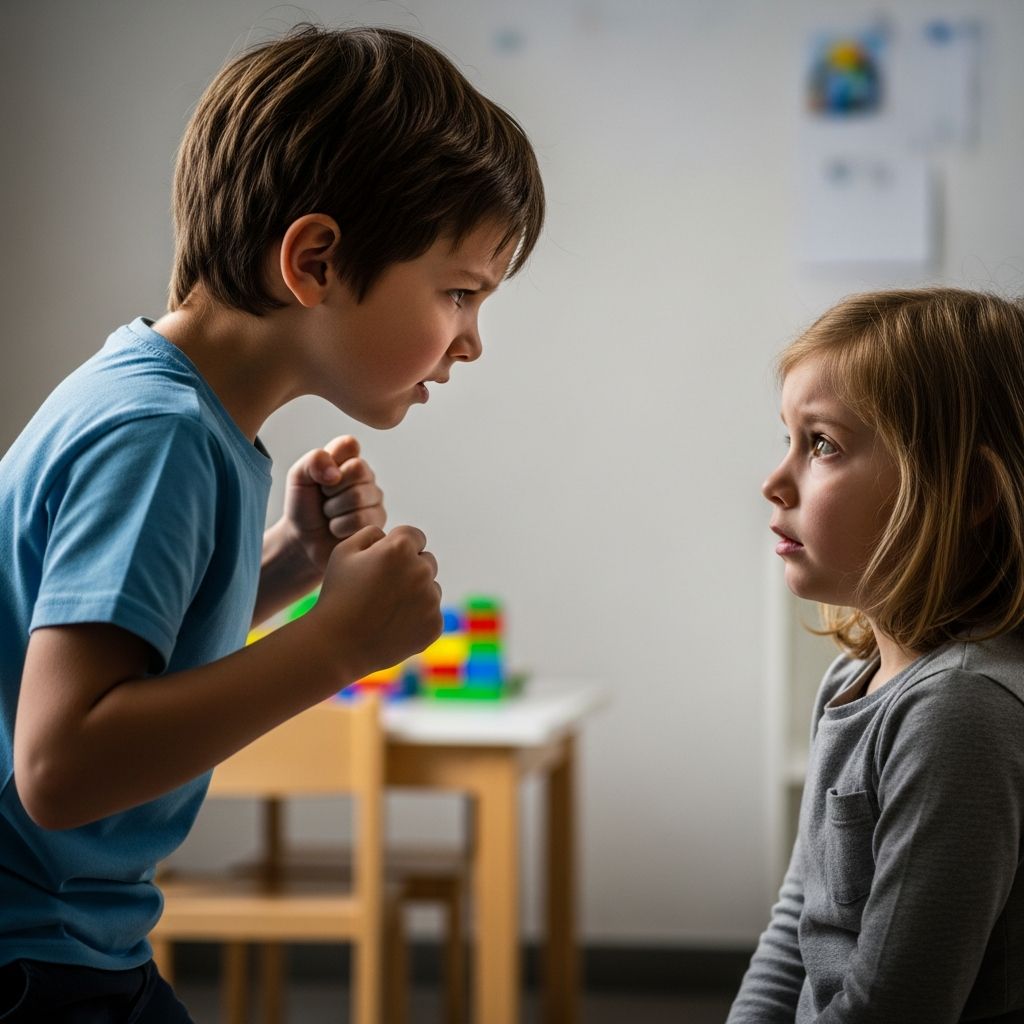
When a child strikes a parent, throws objects in anger, or uses physical intimidation, it often represents more than typical childhood misbehavior. Physical aggression directed toward caregivers signals underlying emotional distress, developmental challenges, or learned patterns that require immediate attention. Understanding the distinction between age-appropriate frustration and genuinely harmful behavior is crucial for parents seeking to address the situation effectively. Many parents feel confused, embarrassed, or unsure how to respond when their child becomes physically violent, yet recognizing this as a treatable behavioral concern—rather than a character flaw—is the first step toward intervention.
Understanding the Root Causes Behind Aggressive Behavior
Children and teens who strike their parents rarely do so without reason. While the aggression is never acceptable, examining the underlying factors helps parents address the core issue rather than merely punishing the symptom. Frustration stemming from developmental delays, difficulty communicating emotions, or unmet sensory needs frequently manifests as physical outbursts. Similarly, children experiencing anxiety, depression, or trauma may lash out when overwhelmed. Some adolescents resort to physical aggression when they lack other coping mechanisms or when facing peer rejection, academic failure, or family instability. Additionally, exposure to violence—whether through media, witnessing domestic conflict, or experiencing abuse—normalizes aggression as a problem-solving tool. Neurological conditions, attention disorders, and impulse control deficits can also contribute significantly to the frequency and intensity of physical aggression.
Environmental and Family Dynamics
The family environment plays a substantial role in shaping whether children develop aggressive behavioral patterns. Homes characterized by high stress, inconsistent discipline, or inadequate emotional support create conditions where children struggle to regulate their behavior. Parental modeling—when children observe caregivers managing anger through physical or verbal aggression—teaches them that violence is an acceptable response to frustration. Conversely, children in chaotic or unpredictable households may become hypervigilant and reactive, interpreting neutral situations as threatening and responding defensively with aggression.
Early Warning Signs That Aggression May Escalate
Recognizing emerging patterns of aggressive behavior allows parents to intervene before the situation deteriorates. Several behavioral indicators suggest that a child’s aggression may become increasingly problematic if left unaddressed.
Behavioral Indicators in Children
- Frequent verbal outbursts, name-calling, or intense arguments that escalate quickly
- Pattern of damaging property during moments of anger
- Deliberate disobedience combined with physical resistance to parental authority
- Cruelty toward animals or smaller siblings during conflict
- Lack of empathy or remorse following aggressive incidents
- Social withdrawal or peer relationship difficulties, particularly rejection by classmates
- Aggressive behavior reported by teachers, coaches, or authority figures outside the home
- Sudden or dramatic changes in mood regulation and frustration tolerance
- Preoccupation with violent media, gaming, or content
- Bullying behavior at school or in the community
Behavioral Indicators in Adolescents
- Escalating defiance toward parental boundaries and rules
- Physical threats directed at parents or siblings
- Substance experimentation or abuse combined with increased aggression
- Association with peer groups known for delinquent behavior
- Punching walls, throwing objects with force, or other destructive acts
- Reduced impulse control during conflict situations
- Antisocial attitudes or statements revealing lack of concern for others’ safety
- Isolating behaviors interrupted by explosive outbursts
Distinguishing Typical Childhood Behavior From Problematic Aggression
Parents often wonder whether their child’s behavior falls within normal developmental ranges or warrants concern. Young children may hit when frustrated because their language and emotional regulation skills remain underdeveloped—a predictable phase in typical development. Occasional arguments and mild physical resistance during discipline typically reflect normal boundaries testing. However, aggression becomes genuinely problematic when it occurs frequently, intensifies in severity, involves deliberate intent to harm, lacks appropriate remorse, or occurs across multiple settings including school and community environments. Additionally, when aggressive incidents result in actual injury, weapon involvement, or create genuine fear in the household, professional intervention becomes essential.
Strategic Approaches to Managing Physical Aggression
Effective intervention requires a thoughtful combination of strategies tailored to the child’s age, developmental stage, and the specific circumstances triggering aggression. No single approach works universally, and parents often need to adjust their strategy based on ongoing observation and response patterns.
Immediate De-escalation Techniques
When a child becomes physically aggressive in the moment, prioritizing safety is paramount. Maintaining calm body language and tone signals to the child that the situation remains manageable, even though emotions feel overwhelming. Creating physical distance—either by stepping back or directing the child to move to a neutral space—prevents escalation and reduces the likelihood of physical contact. Speaking in short, simple sentences and avoiding lengthy explanations helps children in heightened emotional states process information. Removing potential weapons or objects that could cause injury demonstrates practical safety management. For younger children, sometimes distraction through a change of scenery, activity, or sensory input interrupts the aggressive cycle.
Establishing Consistent Consequences
Children need to understand that physical aggression carries predictable, age-appropriate consequences delivered without anger or intensity. Consequences work most effectively when they are specific to the behavior, logically connected to the action, and implemented consistently. For instance, if a teenager breaks household items during an outburst, removing privileges related to that activity or requiring the teen to repair or replace the item teaches responsibility. However, consequences delivered in anger or involving physical punishment often escalate aggression rather than reducing it and model the very behavior the parent seeks to eliminate. Timing matters as well—consequences imposed during peak emotional intensity may seem unfair to the child and reduce their receptiveness to the lesson.
Teaching Alternative Coping Mechanisms
Children who resort to physical aggression often lack developed skills for managing strong emotions. Explicitly teaching and practicing alternative responses reduces their reliance on aggression. Deep breathing exercises, counting to ten, physical activities like running or jumping, creating or drawing, writing in a journal, or talking to a trusted adult all provide healthy outlets for intense feelings. Role-playing scenarios that typically trigger aggression allows children to rehearse new responses in a low-pressure environment. Some children benefit from establishing a designated “calm space” in the home where they can retreat when feeling overwhelmed, complete with sensory tools like stress balls, headphones, or fidget items.
Improving Communication and Emotional Literacy
Many children who struggle with aggression cannot accurately identify or express their emotions verbally. Helping children develop emotional vocabulary—labeling feelings as frustrated, disappointed, scared, or overwhelmed—creates a foundation for more sophisticated emotional expression. Teaching children to recognize physical signals of rising anger (tight chest, clenched fists, racing heart) enables earlier intervention before aggression occurs. Family discussions about managing difficult emotions, problem-solving conflicts, and expressing needs assertively build communication skills applicable across situations.
When Professional Support Becomes Necessary
While many parents can address behavioral aggression through consistent strategies and environmental adjustments, some situations require professional intervention. Mental health professionals, behavioral specialists, and family therapists bring expertise in identifying underlying conditions and designing targeted treatment plans.
Indicators That Professional Help is Needed
- Aggression occurs frequently despite consistent parental intervention efforts
- The child has injured a parent, sibling, or animal
- Weapons or dangerous objects are involved in aggressive incidents
- Aggression accompanies other concerning symptoms like withdrawal, self-harm, or expressed suicidal thoughts
- A mental health diagnosis such as ADHD, oppositional defiant disorder, or trauma-related conditions is present or suspected
- Substance abuse is involved or suspected
- The child or parent is afraid of escalating violence
- Family dynamics are severely strained, with trust and safety compromised
Protecting Your Own Well-Being as a Parent
Parents facing child-to-parent aggression often experience significant emotional toll, including shame, frustration, and feelings of failure. Recognizing that a child’s aggression reflects the child’s struggle rather than parental inadequacy is essential for maintaining perspective. Seeking support through parent groups, individual counseling, or trusted relationships helps parents process their emotions and avoid isolation. Setting personal boundaries—making clear what behaviors are unacceptable while maintaining the parent-child relationship—models healthy assertiveness. Some parents benefit from developing a safety plan that includes removing themselves from dangerous situations, enlisting support from other adults, or contacting emergency services when physical safety is compromised.
Building Long-Term Behavioral Change
Addressing child-to-parent aggression effectively typically requires sustained effort over weeks or months rather than immediate resolution. Progress often follows an uneven trajectory, with improvements punctuated by setbacks. Celebrating small victories—instances where the child caught themselves before hitting, used words instead of physical action, or accepted a consequence without escalating—reinforces positive behavior change. Family routines that reduce stress, increase connection, and provide structure create conditions favoring behavioral improvement. Regular family meetings discussing progress, challenges, and adjustments keep everyone invested in solutions.
Creating a Safety Plan and Support System
When aggression reaches concerning levels, developing a practical safety plan protects family members while still supporting the child’s behavior change journey. The plan should identify specific aggressive behaviors of concern, outline de-escalation steps, specify who to contact in emergencies, and clarify consequences for serious incidents. Involving extended family members, close friends, or counselors in the plan ensures support is available when needed.
Frequently Asked Questions
Is it normal for young children to hit their parents?
Occasional hitting in very young children (ages 2-4) during frustration typically reflects limited emotional regulation and language skills rather than concerning aggression. However, consistent hitting or hitting that continues past early childhood warrants attention and intervention.
What should I do if my child hits me in public?
Prioritize safety first by moving away from people or objects. Calmly remove your child from the situation if possible, avoid lengthy explanations in the moment, and address the behavior later with clear consequences and discussion about appropriate responses to frustration.
Can physical punishment teach my child not to hit?
No. Physical punishment teaches children that physical aggression is an acceptable response to problems and typically escalates rather than reduces aggressive behavior. It also damages trust and the parent-child relationship.
How long does it typically take to see improvement?
Behavior change requires consistent effort over several weeks to months. Some improvement may be visible within two to three weeks, but establishing stable, lasting change usually takes considerably longer.
Should I involve my teen in developing a behavior plan?
Yes. Adolescents are more likely to cooperate with strategies they helped develop. Involving them in identifying triggers, choosing consequences, and planning alternative responses increases their investment in changing the behavior.
What if the aggression is related to a diagnosed condition like ADHD?
Work closely with your child’s healthcare provider and any specialists involved in their treatment. Medication, therapy, and behavioral strategies tailored to the specific condition often work together to address aggression more effectively.
References
- Warning Signs of Child Abuse and Neglect — Commonwealth of Massachusetts, Department of Children and Families. 2024. https://www.mass.gov/info-details/warning-signs-of-child-abuse-and-neglect
- Child Abuse — Symptoms & Causes — Mayo Clinic. 2024. https://www.mayoclinic.org/diseases-conditions/child-abuse/symptoms-causes/syc-20370864
- Parental Abuse by a Teenager: Warning Signs and What to Do — PsychCentral. 2025. https://psychcentral.com/lib/parent-abuse-by-teen
- Signs of Neglect or Abuse — Maryland Department of Human Services. 2024. https://dhs.maryland.gov/child-protective-services/reporting-suspected-child-abuse-or-neglect/signs-neglect-abuse/
- Spotting the Signs of Child Abuse — National Society for the Prevention of Cruelty to Children (NSPCC). 2024. https://www.nspcc.org.uk/keeping-children-safe/spotting-signs-child-abuse/
- Indicators of Child Abuse: Emotional, Physical, Behavioural — Child Matters. 2024. https://www.childmatters.org.nz/insights/abuse-indicators/