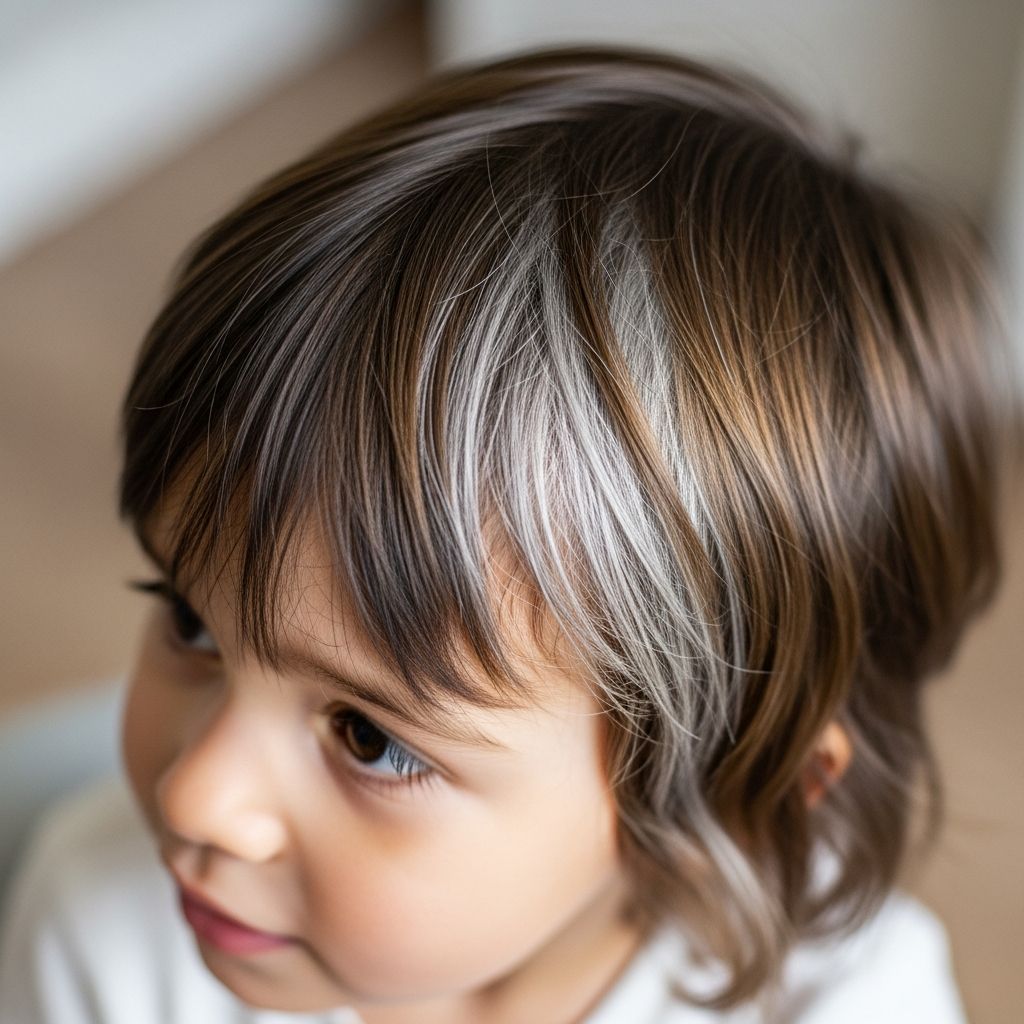
Seeing gray or white strands in a child’s hair can be alarming for parents, but it’s more common than you might think. Premature graying happens when hair follicles produce less melanin, the pigment responsible for hair color, leading to silver or transparent strands. While adults expect this change in their 30s or 40s, kids and teens under 20 can experience it too, often due to a mix of inherited traits and modifiable factors.
The Science Behind Hair Color Loss
Hair color comes from melanin, made by special cells called melanocytes in each hair follicle. As we age, these cells slow down or stop, but in kids, this process speeds up prematurely. Each hair grows in cycles lasting years; after several cycles, melanin production halts, turning new growth gray. In children, this isn’t always permanent—addressing root causes can sometimes restore color.
Follicles go through growth, rest, and shedding phases. Melanin is added during growth, but factors like oxidative stress from free radicals damage melanocytes early. Hydrogen peroxide buildup in follicles can bleach hair from within, mimicking external lightening.
Genetic Roots of Early Graying
Family history is the top predictor—if parents or grandparents went gray young, kids are likely to follow. For Caucasians, graying before 20 counts as premature; for African Americans, before 30. Genes influence up to 18 hair traits, including melanin timing.
- Parental onset: If both parents grayed early, risk doubles.
- Ethnic patterns: Whites mid-30s average, Asians late 30s, Blacks mid-40s—but genes can shift this earlier.
- Syndromes: Rare conditions like Cross, Angelman, or Prader-Willi cause childhood graying.
Genes aren’t destiny; they interact with environment, but they set the baseline.
Nutrition Shortfalls Triggering White Strands
Diets missing key nutrients weaken melanin production. Deficiencies are reversible culprits in many young cases.
| Nutrient | Role in Hair Pigment | Deficiency Signs | Food Sources |
|---|---|---|---|
| Vitamin B12 | Supports DNA for melanocytes | Fatigue, anemia, early gray | Meat, eggs, dairy (supplement for vegans) |
| Folic Acid | Aids cell division in follicles | Under-20 graying linked | Leafy greens, beans, fortified cereals |
| Vitamin D | Regulates melanin genes | Low in graying high schoolers | Sunlight, fatty fish, fortified milk |
| Zinc & Copper | Enzymes for pigment synthesis | Premature loss association | Nuts, seeds, shellfish, whole grains |
| Iron | Prevents anemia-related gray | Pale skin, tiredness | Red meat, spinach, lentils |
A 2022 study tied low zinc, copper, and selenium to early graying; 2017 research found folic acid gaps in young patients. Vegetarians risk B12 shortfalls—test levels if gray appears. Balanced meals with colorful veggies, proteins, and fruits can rebuild pigment pathways.
Medical Conditions Linked to Premature Graying
Beyond genes and diet, health issues disrupt follicles. Thyroid imbalances are common, underdiagnosed in kids.
- Thyroid disorders: Hypo- or hyperthyroidism alters hormones, affecting hair. Screen kids for prevention.
- Vitiligo: Autoimmune attack destroys follicle pigment, causing poliosis (localized white).
- Alopecia areata: Patchy loss regrows gray.
- Anemia: Pernicious type from B12 blocks pigment.
- Metabolic issues: Phenylketonuria or homocystinuria lighten hair.
These often pair with symptoms like fatigue or skin changes—consult doctors for blood tests.
Stress and Lifestyle Accelerators
Chronic stress depletes melanocytes via norepinephrine, pushing them from follicles. In kids, school pressure or family issues build up. While emotional stress rarely acts alone in young ones, it amplifies others.
Smoking exposure—even secondhand—ages hair fast; pre-30 smokers gray earlier. Pollution, UV rays, and toxins cause oxidative damage, mimicking aging. Experiments show UV grays mouse follicles via free radicals.
Daily Habits to Protect Your Child’s Hair Color
Can’t change genes, but habits help delay graying.
- Eat nutrient-rich: Prioritize B-vitamins, minerals daily.
- Reduce stress: Exercise, sleep, mindfulness for kids.
- Avoid toxins: No smoking areas, pollution masks in cities.
- Sun safety: Hats, SPF for scalp.
- Gentle care: Mild shampoos, no harsh chemicals.
Antioxidant foods like berries combat oxidative stress. Hydration and sleep support follicle health.
Can Gray Hair in Kids Be Reversed?
Yes, if deficiency-driven—fix B12 or thyroid, color may return. Genetic cases are tougher, but slowing progression works. Natural treatments restore pigment in nutritional/hormonal cases. Track progress after 3-6 months of changes.
When to See a Doctor
Not all gray needs worry, but sudden spread, patches, or symptoms warrant checks.
- Rapid increase
- With hair loss/fatigue
- Family thyroid history
- Vegetarian diet
Pediatricians test vitamins, thyroid; dermatologists assess follicles.
Frequently Asked Questions (FAQs)
Is gray hair in kids always genetic?
No, while genes play a big role, nutrition gaps, thyroid issues, and environment contribute too.
Does stress really turn kids’ hair gray?
Stress accelerates it by depleting pigment cells, but rarely alone in children.
Can diet reverse my child’s white strands?
Yes, if due to B12, D, or mineral deficiencies—improve intake and supplement under guidance.
Should I worry about one gray hair in my 10-year-old?
Isolated strands are normal; monitor if more appear or symptoms join.
Does pollution cause early graying?
Yes, via oxidative stress—urban kids face higher risk.
Embracing Early Gray: Myths vs. Facts
Gray doesn’t mean poor health always—many rock it young. Myths like inevitable baldness are false. Focus on health, not cover-ups unless desired. Dyes safe post-puberty, but natural fixes first.
Premature graying teaches balance: nourish body, mind, environment. Kids with early strands often thrive with tweaks.
References
- Gray Hair in Teens: Understanding Premature Graying in Teens — TopLine MD. 2023. https://www.toplinemd.com/worldwide-pediatrics/gray-hair-in-teens-understanding-premature-graying-in-teens/
- Causes of greying of hair in early teens and how to manage it — YouTube (Medical Expert). 2023. https://www.youtube.com/watch?v=WLIA6cdnhI8
- White Hair in Kids: Causes and Treatment — Healthline. 2023-10-18. https://www.healthline.com/health/childrens-health/white-hair-in-kids
- What causes gray hair, and can I stop it? — American Academy of Dermatology (AAD). 2024. https://www.aad.org/public/everyday-care/hair-scalp-care/hair/gray-hair-causes
- What Causes Premature Graying In Hair — Short Hills Dermatology. 2023. https://www.shorthillsderm.com/blog/what-causes-premature-graying-in-hair/
- Premature Graying of Hair: Review with Updates — PMC (NCBI). 2018-11-27. https://pmc.ncbi.nlm.nih.gov/articles/PMC6290285/
- Premature Graying: Reasons, Options — WebMD. 2023. https://www.webmd.com/beauty/features/abcs-premature-graying