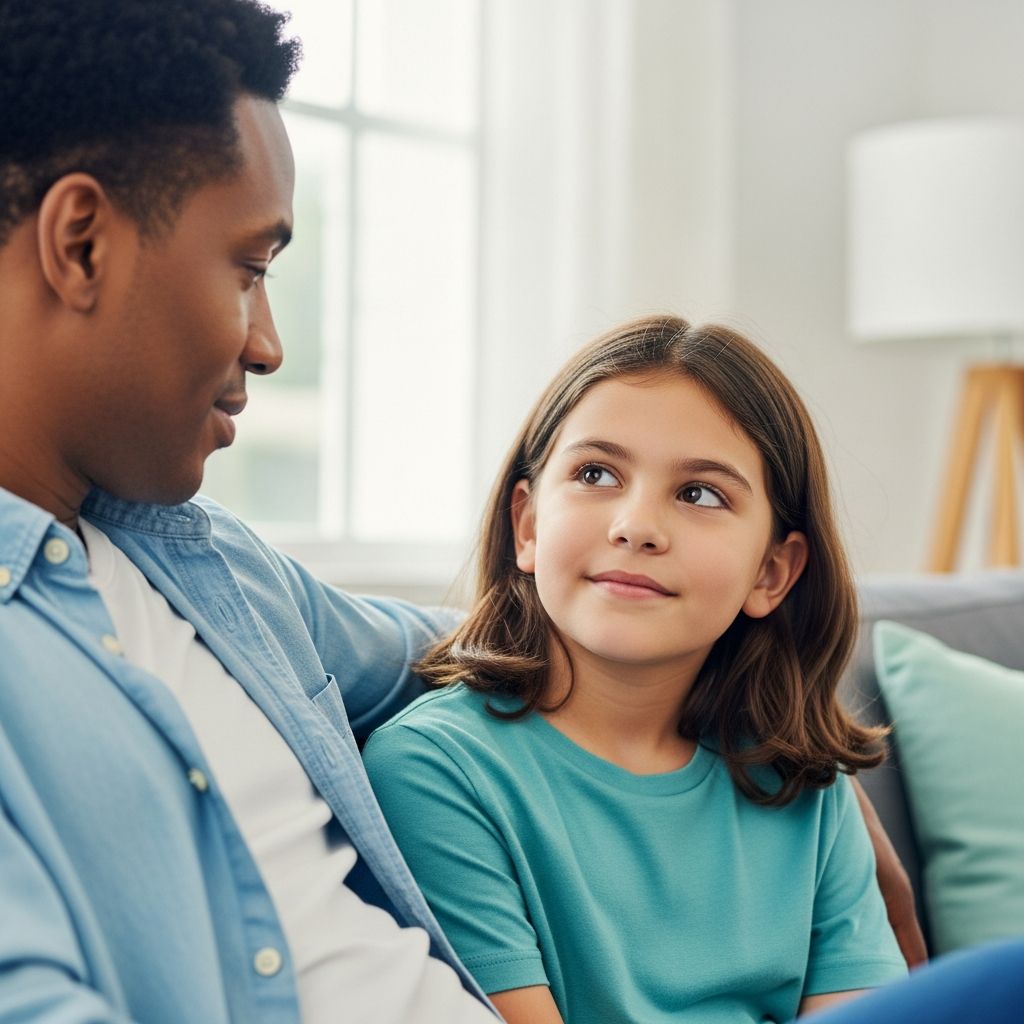
When a child hits, it is easy to see only the misbehavior and miss the storm of feelings underneath. Yet moments of aggression can become powerful opportunities to teach empathy, self-control, and emotional awareness when adults respond with calm, limits, and connection.
Why Hitting Happens: Looking Beneath the Behavior
Hitting rarely appears out of nowhere. It usually signals that a child has more emotion than they have skills to manage. Understanding common triggers makes it easier to respond wisely instead of reacting impulsively.
Common Emotional Triggers Behind Hitting
- Overwhelming anger when something feels unfair, like a toy being taken or a game not going their way.
- Frustration from not yet having the words or problem-solving skills to handle conflict.
- Fear or anxiety in new, loud, or unpredictable situations.
- Jealousy when attention shifts to a sibling or peer.
- Physical discomfort such as tiredness, hunger, or sensory overload.
Research on emotion regulation shows that young children’s brains are still developing the networks needed for impulse control and flexible thinking, which makes them more likely to act before they think.
What Hitting Communicates
Instead of seeing a hitting child as bad, it helps to interpret the behavior as a message:
- “I don’t know how to say what I need.”
- “My feelings are too big for me right now.”
- “I don’t feel safe or understood.”
When adults decode that message, they can respond to both the behavior and the underlying need.
The Adult’s First Job: Regulate Yourself Before You Respond
Children rely heavily on caregivers as external regulators of emotion. When an adult stays calm in the face of aggression, it helps the child’s nervous system settle and models what self-control looks like.
Quick Techniques to Stay Centered
- Pause before reacting: Take one or two deep breaths and, if possible, lower your voice rather than raising it.
- Ground your body: Feel your feet on the floor, relax your shoulders, and unclench your jaw.
- Use a cue phrase silently, such as “Safety first” or “Connect before correct.”
- Adjust your posture: Move to the child’s eye level, with an open, non-threatening stance.
Modeling Healthy Emotional Regulation
Children learn emotional skills by watching adults handle their own feelings.
- Describe your internal process in simple words, such as: “I’m feeling angry, so I’m taking a breath to calm down.”
- Show that strong feelings are manageable, not dangerous.
- Repair moments when you do lose your temper by apologizing and explaining what you will do differently next time.
Setting Firm, Kind Limits on Hitting
Being understanding does not mean allowing hurtful behavior. Children need clear, consistent boundaries to feel safe and learn self-control.
How to Stop Hitting in the Moment
- Move quickly but gently to block or hold the hitting hand if necessary, ensuring everyone’s physical safety.
- Use a brief, calm statement such as “I won’t let you hit. Hitting hurts.”
- Remove the child from the situation only if needed to protect others, staying with them whenever possible so removal is not experienced as abandonment.
Separating Feelings from Actions
Children benefit from hearing that all feelings are acceptable, while some actions are not.
- “It’s okay to feel mad. It’s not okay to hit.”
- “You can be angry, and I’ll help you find a safer way to show it.”
This distinction supports healthy emotional expression while still protecting others from harm.
Coaching Emotional Skills After Everyone is Calm
Once the immediate storm has passed, the real learning can begin. Talking about feelings and problem-solving when a child is calm helps build skills they can use next time.
Step 1: Help Children Name Their Feelings
Being able to label emotions is a core component of emotional regulation.
- Use simple phrases: “You looked really angry when your tower fell.”
- Offer choices: “Were you more mad, or more sad?”
- Use visual supports like emotion charts or picture cards for younger children.
| Age | Emotion Language Support | Example |
|---|---|---|
| Toddlers | Single feeling words plus gestures or pictures | “Mad”, “Sad”, “Ouch”; pointing to faces on a chart |
| Preschoolers | Short sentences and emotion stories | “I felt jealous when it was your turn.” |
| School-age kids | More nuanced vocabulary and reflection | “I felt embarrassed when my friends laughed.” |
Step 2: Validate the Child’s Experience
Validation means acknowledging that the child’s feelings make sense from their point of view.
- “It was really disappointing when you had to stop playing.”
- “You worked hard on that, and it broke. That’s tough.”
Feeling understood reduces emotional intensity and makes children more open to guidance.
Step 3: Brainstorm Safer Alternatives Together
When children are calm, invite them to explore different ways to express their feelings in the future.
- “Next time you feel that mad, what could you do instead of hitting?”
- Offer options if they are unsure, such as:
- Stomping feet on the floor
- Squeezing a pillow or stress ball
- Using words like “Stop!” or “I don’t like that”
- Asking an adult for help
Practicing these alternatives through brief role-play helps children remember and apply them in real situations.
Building Everyday Emotional Regulation Skills
Helping children with hitting is not only about what happens in the heat of the moment. Daily routines and proactive teaching can strengthen emotional regulation before problems arise.
Teach Concrete Coping Strategies
Evidence-based approaches to emotional regulation for kids often include mindfulness, deep breathing, and other simple relaxation techniques.
- Breathing exercises: “Smell the flower, blow out the candle” or counting breaths slowly.
- Movement breaks: Jumping jacks, stretching, or a short walk to release tension.
- Distraction skills: Listening to music, looking at books, or drawing until the intensity drops.
- Thinking skills: Helping kids reframe thoughts, like “I can try again” instead of “I always lose.”
Use Stories and Play to Explore Feelings
- Talk about how characters in books or shows might feel and what choices they make.
- Use puppets or dolls to act out scenarios involving conflict and repair.
- Invite children to create their own endings where problems are solved without hitting.
Create a Calm Space, Not a Punitive “Time-Out”
Many programs and families use a designated calm corner to support self-regulation.
- Include pillows, soft lighting, picture books, and simple sensory tools like fidgets or stress balls.
- Teach children to use the space proactively when they begin to feel overwhelmed, not only after misbehavior.
- Frame it as a tool for feeling better, not as a place of exile or punishment.
Supporting the Child Who Hits Frequently
Some children hit only occasionally under high stress. Others may struggle with frequent aggressive outbursts that disrupt home or school. In these cases, more structured support can help.
Look for Patterns
- Keep brief notes on when hitting occurs (time of day, activities).
- Observe who is usually involved and what happens right before and after.
- Identify common triggers like transitions, noise, or specific social challenges.
Patterns can guide you toward practical changes—such as adding more transition warning time, adjusting schedules, or teaching specific social scripts.
Collaborate with Other Adults
- Share strategies between home and school so the child receives consistent messages and support.
- Ask teachers or caregivers what they observe and what seems to help.
- Consider using simple, shared visuals (like the same feeling chart) across settings.
When to Seek Professional Help
It may be time to consult a pediatrician, mental health professional, or school psychologist if:
- Hitting is frequent, intense, and not improving over time.
- Aggression seriously interferes with friendships, learning, or family life.
- There are signs of significant anxiety, mood issues, or trauma.
Evidence-based therapies such as cognitive behavioral therapy (CBT) or parent training programs can improve emotional regulation and behavior, often by teaching both children and caregivers practical skills.
Practical Do’s and Don’ts When Kids Hit
| Do | Why It Helps |
|---|---|
| Stay calm and speak softly | Helps the child’s nervous system settle and reduces escalation. |
| Block hitting and state the limit clearly | Protects safety and teaches boundaries. |
| Validate feelings while rejecting the behavior | Supports emotional expression without allowing harm. |
| Teach and rehearse alternative behaviors later | Builds a toolkit of replacement skills for next time. |
| Don’t | Why It Backfires |
|---|---|
| Yell or shame the child | Increases fear and anger, making aggression more likely. |
| Ignore the feelings driving the behavior | Misses opportunities to teach emotional skills. |
| Label the child as “mean” or “bad” | Harms self-concept and does not provide guidance for change. |
| Over-rely on punishment alone | May stop behavior temporarily without teaching self-regulation. |
Frequently Asked Questions (FAQs)
Is hitting normal in young children?
Occasional hitting in toddlers and preschoolers is common because their impulse control and language skills are still developing. The goal is not to panic, but to respond consistently: protect, label the feeling, and teach safer alternatives over time.
Should I punish my child for hitting?
Consequences can be appropriate, especially when they are related to restoring safety or repairing harm. However, research suggests that focusing more on teaching skills, praising positive behavior, and practicing alternatives is more effective than heavy punishment alone.
What if my child laughs after hitting?
Laughter often reflects nervousness or discomfort, not a lack of caring. Stay calm, repeat the limit, and help them notice their own body signals. Later, discuss how others feel when they are hurt and practice different ways to handle similar situations.
How can I prevent hitting between siblings?
Proactively teach turn-taking, create routines that reduce competition for attention, and step in early when tension starts to rise. After conflicts, coach both children to name feelings, describe what they wanted, and brainstorm kinder ways to solve problems in the future.
My child only hits at school, not at home. What should I do?
Different environments have different demands. Talk with teachers to identify triggers and successful strategies. Consistency between home and school—such as using similar language for feelings and limits—supports children in transferring their skills across settings.
References
- Dos & Don’ts of Emotional Regulation: A Guide for Kids & Families — Greater Boston Behavioral Health. 2023-08-15. https://greaterbostonbehavioralhealth.com/rehab-blog/emotional-regulation-for-kids-and-families/
- Teaching Kids Emotional Regulation: 5 Strategies for Your Program — Kids Included Together (KIT). 2022-06-10. https://www.kit.org/teaching-kids-emotional-regulation/
- How to Help Kids Understand and Manage Their Emotions — American Psychological Association. 2022-03-01. https://www.apa.org/topics/parenting/emotion-regulation
- Coping Skills for Kids: Managing Feelings & Emotions — YouTube / Coping Skills for Kids. 2021-05-20. https://www.youtube.com/watch?v=Vs-MyQgfH3A
- An Age-by-Age Guide to Helping Kids Manage Emotions — The Gottman Institute. 2020-09-14. https://www.gottman.com/blog/age-age-guide-helping-kids-manage-emotions/
- The Zones of Regulation — Social Thinking. 2023-01-05. https://zonesofregulation.com
- Emotion and Stress Regulation Magic Tool Box (PDF) — University of Maryland College of Education. 2019-04-01. https://education.umd.edu/sites/default/files/uploads/Emotion%20and%20Stress%20Regulation%20Magic%20Tool%20Box.pdf