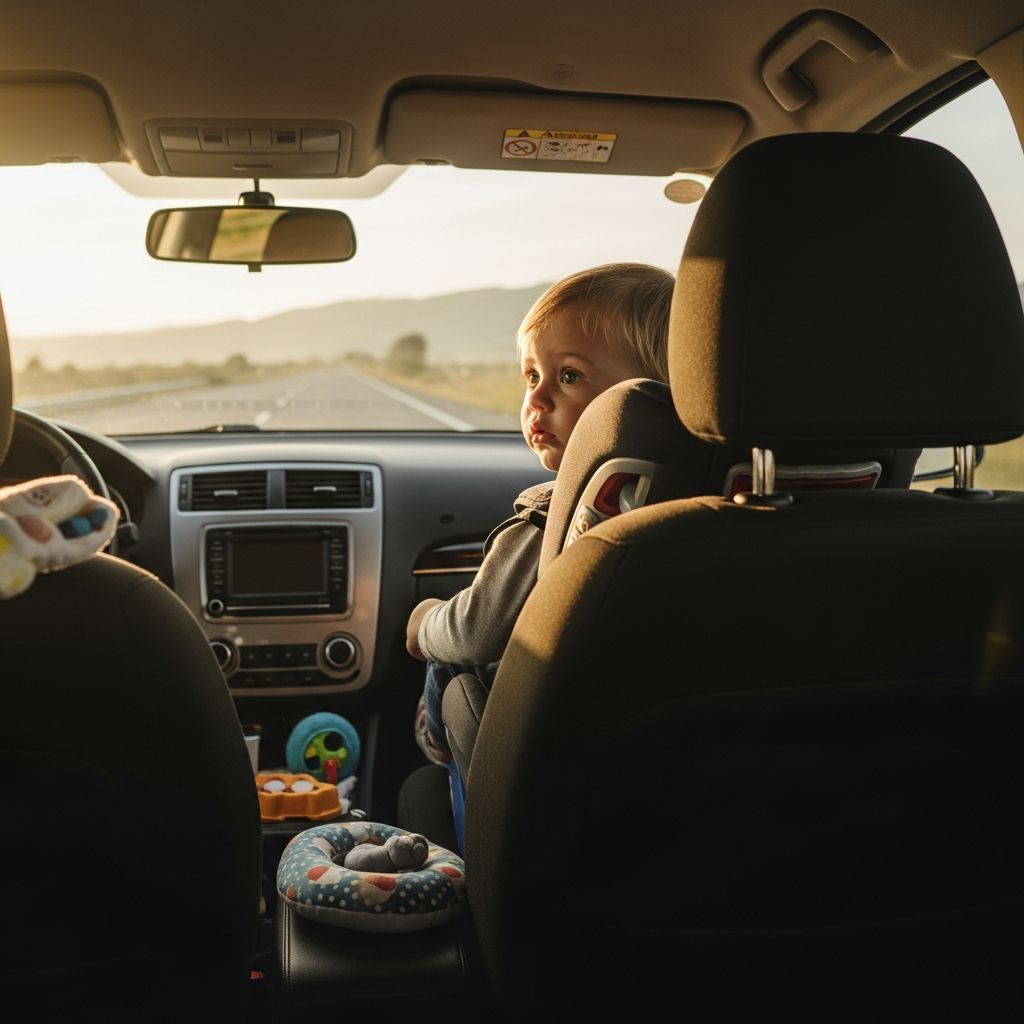
Traveling by car with toddlers demands a blend of rigorous safety measures and clever engagement tactics to ensure smooth journeys. Properly installed car seats reduce fatal injury risks by 71% for infants and 54% for toddlers, according to NHTSA data. This guide outlines proven methods for restraint systems, driver focus, entertainment, and hazard avoidance, drawing from official guidelines.
Mastering Child Restraint Systems
Selecting and installing the correct car seat is foundational to toddler safety. Infants and toddlers must remain rear-facing until reaching the maximum height or weight limit of their seat, often allowing extension beyond age two as recommended by pediatric experts. The back seat provides optimal protection for children under 13, keeping them distant from frontal airbags.
Verify compatibility with your vehicle model and follow manufacturer instructions meticulously. Five-point harnesses secure infants snugly, with straps at or below shoulder level and chest clips at armpit height. Convertible seats transition to forward-facing once rear-facing limits are exceeded, but delay this switch for maximum spinal protection.
| Age/Size Group | Recommended Seat Type | Key Installation Tips |
|---|---|---|
| Birth to 2+ years | Rear-facing infant or convertible | Harness snug (pinch test fails), anti-rebound bar if available, LATCH or seatbelt |
| 2-4 years | Forward-facing convertible | Top tether anchored, back seat center if possible, recheck after 1 week |
| 4-12 years | Booster seat | Lap-shoulder belt fits properly over child, no SLIPI rule violations |
Annual inspections or professional fittings at fire stations ensure correctness, as improper installation multiplies injury risks. Buckle all adults first to model compliance, preventing unbelted child temptations.
Maintaining Driver Vigilance
Defensive driving elevates when toddlers ride along. Scan mirrors and blind spots before any maneuver, especially reversing, where backover incidents claim young lives annually. Walk around the vehicle pre-departure, regardless of backup cameras, as small children evade detection.
Eliminate distractions: Silence phones, delegate sibling squabbles, and resist reaching back. Hands-free laws apply, but zero cell use is ideal with kids aboard. Adhere to speed limits, signal early, and maintain following distances tripled in neighborhoods. Fatigue prompts breaks every 2 hours on long drives.
- Pre-trip ritual: Fuel check, tire pressure, emergency kit (diapers, wipes, snacks).
- Weather prep: Extra layers, window shades for sun glare.
- Route plan: Avoid peak traffic, identify rest stops with play areas.
Preventing Vehicle Hazards Around Toddlers
Beyond motion, stationary risks loom. Never leave toddlers unattended in vehicles, even briefly, due to heatstroke or rollaway dangers. Engage parking brakes fully and remove keys; supervise closely near parked cars.
Teach boundary rules: No playing in driveways, keep toys off streets, hold hands crossing. Secure trunks to bar access, and lock power window switches to avert entrapment. For rollaway prevention, verify Brake Transmission Shift Interlock (BTSI) functionality per owner’s manual.
Entertainment Without Compromise
Safety harnesses enable calm drives via proactive engagement. Pack age-suited toys: Clip-on mirrors for self-viewing, soft books, and magnetic puzzles resist floor drops. Rotate items to sustain novelty.
Audiobooks, kid podcasts, and sing-alongs fill quiet voids without screens, preserving nap cycles. Schedule feeds and diaper changes pre-departure to extend sleep windows. Car-friendly snacks like fruit pouches minimize mess.
On long hauls, pit stops revive: 10-minute play breaks stretch legs and reset moods. Co-pilot adults monitor backseat dynamics, dispensing comfort seamlessly.
Packing Essentials for Toddler Car Travel
Adequate supplies avert crises. Core kit includes:
- Multiple outfit changes, spill-proof cups, trash bags.
- First-aid basics: Thermometer, motion sickness bands, saline drops.
- Tech aids: Portable charger, white noise machine for soothers.
- Comforts: Favorite blanket, pacifier alternatives.
Health records handy cover allergies or meds; hygiene packs with sanitizer maintain cleanliness. Test packs on short drives to refine.
Common Driveway and Parking Lot Dangers
80% of child vehicle injuries occur off-road. Driveway backovers spike from unseen darting. Counter with routines: Honk on reverse, enlist spotters, position kids visibly aside.
Power windows injure via unaware operation; activate child locks universally. Seat belt extenders tempt play—buckle unused ones fully retracted. Trunks claim curious climbers; immediate sweeps if child vanishes.
Legal and Age-Based Guidelines
Federal standards mandate restraints by age/weight; states vary boosters to 8 years or 4’9″. NHTSA urges back seats till 13. Violations incur fines, but safety trumps legality.
Frequently Asked Questions
When can toddlers switch from rear-facing seats?
Rear-face until max height/weight, ideally past age 2 for spine protection per AAP and CHOP.
Is backseat monitoring essential?
Yes, adults back there handle feeds, soothe cries, and monitor harnesses safely.
How to curb car seat protests?
Pre-install with fun associations, use distractions like songs, involve in buckling games.
What if no LATCH system fits?
Use seatbelt installation; lock base, check level indicators.
Best long-trip break frequency?
Every 2 hours for driver alertness and child needs.
References
- Tips for Driving Safely with Kids in Vehicles — RTA Fleet. 2023. https://rtafleet.com/blog/tips-for-driving-safely-with-kids-in-vehicles
- Tips to Keep Your Child Safer While Driving — Children’s Hospital of Philadelphia (CHOP). 2024. https://injury.research.chop.edu/sites/default/files/documents/tips_to_keep_your_child_safer_while_driving.pdf
- Safety Tips When Driving With a Baby in the Car — Burke & Schultz. 2023. https://www.burkeandschultz.com/driving-with-baby-in-car-tips/
- Keeping Children Safe in Vehicles — Head Start (U.S. Department of Health and Human Services). 2024. https://headstart.gov/safety-practices/article/keeping-children-safe-vehicles
- Child Safety — National Highway Traffic Safety Administration (NHTSA). 2025-01-10. https://www.nhtsa.gov/road-safety/child-safety
- In And Around Cars — Safe Kids Worldwide. 2024. https://www.safekids.org/safetytips/field_risks/and-around-cars