Vaginal yeast infections are very common in teens and young adults and almost always treatable. They can be uncomfortable and embarrassing, but they are not a sign that someone is dirty or did something wrong.
This guide explains what a yeast infection is, why it happens, how to tell it apart from other vaginal problems, and what treatment and prevention look like, using teen-friendly language.
What Is a Vaginal Yeast Infection?
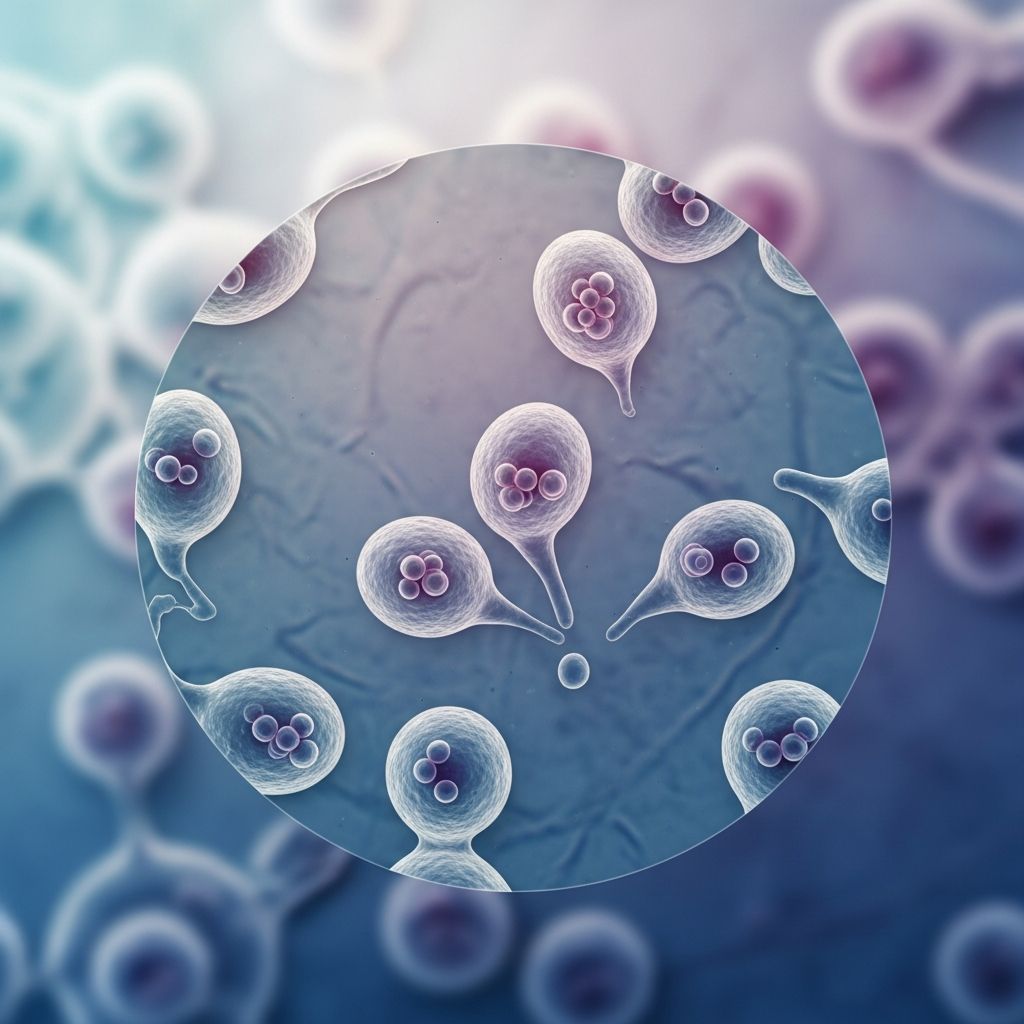
A vaginal yeast infection happens when a type of fungus called Candida grows too much in the vagina and vulva. Candida normally lives on the skin and in the vagina in small amounts without causing problems, but when the balance of germs is disturbed, it can overgrow and cause symptoms.
| Feature | Normal vaginal environment | Vaginal yeast infection |
|---|---|---|
| Amount of Candida | Small amount, kept in check by healthy bacteria | Candida multiplies and takes over |
| Typical discharge | Clear to white, not clumpy, mild or no odor | Often thick, white, clumpy, usually no strong odor |
| Symptoms | Little or no itching, burning, or irritation | Itching, burning, redness, soreness are common |
Why Do Yeast Infections Happen in Teens?
In teens, hormones, lifestyle changes, and new medications can all shift the natural balance of bacteria and yeast in the vagina and on the skin. When that balance changes, yeast can grow more easily.
Common Triggers and Risk Factors
- Antibiotic use (for acne, strep throat, urinary tract infections, etc.) can kill healthy vaginal bacteria that normally limit yeast growth, allowing Candida to overgrow.
- Hormone changes, such as those during puberty and the menstrual cycle, can affect vaginal pH and the mix of bacteria and yeast.
- Diabetes, especially if blood sugar is high or not well controlled, can make yeast infections more likely because yeast thrives in sugary environments.
- Weakened immune system from certain medications (like steroids or chemotherapy) or health conditions can make it harder for the body to keep Candida in check.
- Warm, moist conditions around the vulva, such as from tight, non-breathable clothing, staying in wet swimsuits, or wearing pads for a long time, give yeast a better chance to grow.
- Irritants like perfumed soaps, vaginal sprays, scented pads or pantyliners may upset the normal vaginal environment and make symptoms worse.
Sexual activity does not have to be involved for a teen to get a yeast infection. A person who has never had any type of sexual contact can still develop one. Yeast infections are not considered classic sexually transmitted infections (STIs), even though they can sometimes appear after sex or be shared between partners.
Typical Symptoms of a Vaginal Yeast Infection
Symptoms can range from very mild to very uncomfortable. Some teens only notice a little itching, while others feel sore and irritated doing everyday activities.
Common Signs and Symptoms
- Vaginal and vulvar itching that may be intense, especially at night or after exercise.
- Redness, swelling, or irritation of the vulva (the outer genital area).
- Thick, white vaginal discharge, often compared to cottage cheese. It usually does not have a strong or fishy odor.
- Vaginal soreness or burning, which may get worse when wiping, inserting a tampon, or having intercourse.
- Burning when peeing if urine touches irritated skin around the opening of the vagina.
Some people have very mild symptoms or none at all. When symptoms are strong, it can be hard to ignore or sleep comfortably.
Is It Really a Yeast Infection? Other Conditions That Look Similar
Many vaginal and vulvar problems cause itching, discharge, or burning. It is easy to assume it is a yeast infection, but other issues might be the real cause, especially in sexually active teens.
Common Conditions That Can Be Confused with Yeast
- Bacterial vaginosis (BV)
- Usually causes thin, white or gray discharge with a fishy odor.
- Often minimal itching compared with yeast infections.
- Trichomoniasis (“trich”)
- A sexually transmitted infection.
- Can cause frothy, yellow-green discharge with a strong odor and genital irritation.
- Other STIs such as chlamydia or gonorrhea
- May cause abnormal discharge, burning with urination, pelvic pain, or bleeding.
- Skin irritation or allergic reactions
- Perfumed products, scented pads, laundry detergents, or tight clothing can cause redness and itching without infection.
Because these conditions need different treatments, it is important not to guess. A health care professional can usually tell the difference by talking with you, doing an exam, and sometimes looking at a sample of discharge under a microscope.
How Health Care Providers Diagnose a Yeast Infection
Diagnosis is usually simple and can often be done in one visit.
What to Expect at the Appointment
- Questions about symptoms
- When symptoms started, how strong they are, whether they come and go.
- Recent antibiotic use, new soaps or products, sexual activity, and medical conditions like diabetes.
- Physical exam
- The clinician checks the vulva for redness, swelling, and irritation.
- Often, a gentle speculum exam is done to see the vagina and cervix in older teens.
- Sample of discharge
- A swab of discharge may be examined under a microscope to look for yeast cells.
- Sometimes, tests are done to rule out BV or STIs, especially if there is odor or unusual discharge.
You can ask for a support person to be in the room if that makes you more comfortable. Health care providers are used to these visits and should explain what they are doing and why.
Treatment Options: What Really Helps
Most uncomplicated vaginal yeast infections can be treated quickly with antifungal medications. These medicines work by stopping Candida from growing or by killing it directly.
Common Antifungal Treatments
- Vaginal creams or suppositories
- Placed inside the vagina, often at bedtime.
- Used for 1, 3, or 7 days depending on the product and severity.
- Oral antifungal pills
- A single dose or a short course by mouth, commonly used for straightforward infections.
- Sometimes repeated for complicated or recurrent infections.
The choice depends on your age, other medical conditions, how severe the symptoms are, and whether this is your first infection or one of many. Teens with recurrent yeast infections or other health issues (such as diabetes or immune problems) may need longer or repeated treatment.
Why Self-Diagnosis Can Be Risky
- Treating yourself repeatedly for a “yeast infection” without a proper diagnosis can delay finding the real cause, such as BV or an STI.
- Using the wrong medicine can allow symptoms to continue and may make some conditions worse.
- If you keep needing treatment more than a few times a year, it is especially important to see a clinician.
Many professional organizations recommend that teens who have vaginal symptoms for the first time, or who are unsure what is going on, get evaluated before or while using over-the-counter treatments.
What You Can Do at Home for Comfort
While medicine treats the infection, simple steps can help reduce irritation:
- Wear loose, breathable cotton underwear and avoid tight leggings or synthetic fabrics that trap heat and moisture.
- Change out of wet swimsuits or sweaty workout clothes as soon as possible.
- Use unscented, gentle soap around the vulva and rinse well; avoid washing inside the vagina, which can upset the natural balance.
- Avoid douches, vaginal sprays, and perfumed products near the genital area.
- Pat the area dry instead of rubbing, which can worsen soreness.
- Ask your clinician before trying home remedies like yogurt or vinegar; many of these are not well studied and may irritate the skin or change the vaginal pH in unhelpful ways.
Preventing Future Yeast Infections
You cannot always prevent a yeast infection, but you can lower your chances of getting one frequently.
Everyday Prevention Tips
- Choose cotton underwear and avoid wearing thongs or very tight clothing for long periods.
- Do not stay in damp clothing for many hours.
- Use unscented pads or tampons if possible.
- Skip douching entirely; the vagina cleans itself and douching can increase the risk of infections, including BV.
- If you have diabetes, work with your health care team to keep your blood sugar as well-controlled as possible.
- If you need antibiotics, ask your clinician what to watch for and whether you are at higher risk for yeast infections.
For teens who get four or more yeast infections in a year, long-term or repeated antifungal treatment may be recommended. This is decided on a case-by-case basis after a full evaluation.
When to See a Doctor or Nurse Right Away
Some symptoms call for quicker medical advice, especially if it might be more than a simple yeast infection.
- This is your first time having vaginal itching, burning, or abnormal discharge.
- You have a fever, pelvic or belly pain, or feel very sick along with vaginal symptoms.
- You notice foul-smelling, greenish, or gray discharge.
- You have sores, blisters, or open cracks around the vulva or anus.
- Symptoms come back soon after treatment or you have several yeast infections in a year.
- You have diabetes or a condition that affects your immune system.
- You are or might be pregnant.
These signs do not always mean something serious, but they do mean a check-up is the safest choice.
Emotional Side: Embarrassment, Myths, and Talking About It
Many teens feel embarrassed to talk about vaginal symptoms, even with a trusted adult or clinician. That silence can make the experience feel more stressful than it needs to be.
Common Myths vs. Facts
- Myth: Only sexually active people get yeast infections.
Fact: Anyone with a vagina can get a yeast infection, even if they have never had sex. - Myth: Having a yeast infection means you are dirty.
Fact: Yeast infections are about changes in the balance of microorganisms, not cleanliness. - Myth: You should scrub or douche to clean out the infection.
Fact: Scrubbing or douching can irritate the area and disrupt healthy bacteria, making things worse.
Remember that health care providers talk about genital concerns every day. Their job is to listen without judgment and to help you feel better.
Frequently Asked Questions (FAQs)
Can a yeast infection go away on its own?
Mild infections sometimes improve without treatment, but many do not fully clear and can keep coming back. Getting proper treatment usually brings faster relief and lowers the chance of ongoing irritation or misdiagnosing another condition.
Is it safe to use over-the-counter (OTC) treatments?
OTC antifungal creams and suppositories can work well for people who have been diagnosed with yeast infections before and recognize the same symptoms. If this is your first time, if you have other health issues, or if symptoms do not improve in a few days, you should see a health care provider for an accurate diagnosis.
Do I need to tell a partner?
Yeast infections are not considered classic STIs, but if you are sexually active and have a partner with genital symptoms, both of you may need medical advice. Open communication with partners and regular sexual health checkups are good habits.
Can I get a yeast infection during my period?
Yes. Hormone changes around your menstrual cycle can make yeast infections more likely, and pads or tampons can sometimes worsen irritation. You can usually still use most treatments during your period; check with your clinician or read the product instructions.
What if I keep getting yeast infections again and again?
Recurrent infections (often defined as four or more per year) should always be evaluated by a medical professional. They may check for underlying issues like diabetes or immune problems and might recommend longer-term antifungal treatment to keep symptoms under control.
References
- Vaginitis in Teens — University of Rochester Medical Center. 2023-05-01. https://www.urmc.rochester.edu/encyclopedia/content?contenttypeid=90&contentid=P01659
- Vaginitis in Teens — Stanford Medicine Children’s Health. 2023-05-01. https://www.stanfordchildrens.org/en/topic/default?id=vaginitis-in-teens-90-P01659
- Vaginal Yeast Infection — Nationwide Children’s Hospital. 2022-09-15. https://www.nationwidechildrens.org/conditions/vaginal-yeast-infection
- Vaginal Symptoms – Teen — Children’s Hospital Colorado. 2022-08-10. https://www.childrenscolorado.org/conditions-and-advice/conditions-and-symptoms/symptoms/vaginal-symptoms-teen/
- Yeast Infection: Symptoms, Diagnosis, and Treatment — UCHealth. 2023-04-20. https://www.uchealth.org/diseases-conditions/yeast-infection/
- Candidiasis (Yeast Infection) in Children — Children’s Hospital of Philadelphia. 2021-11-30. https://www.chop.edu/conditions-diseases/candidiasis-yeast-infection-children
- Vulvovaginitis in adolescents — Agana et al., Pediatric Medicine. 2021-02-28. https://pm.amegroups.org/article/view/5054/html
- Yeast Infections in Girls and Young Women — HealthyChildren.org, American Academy of Pediatrics. 2019-10-21. https://www.healthychildren.org/English/health-issues/conditions/genitourinary-tract/Pages/Yeast-Infections-in-Girls-and-Young-Women.aspx