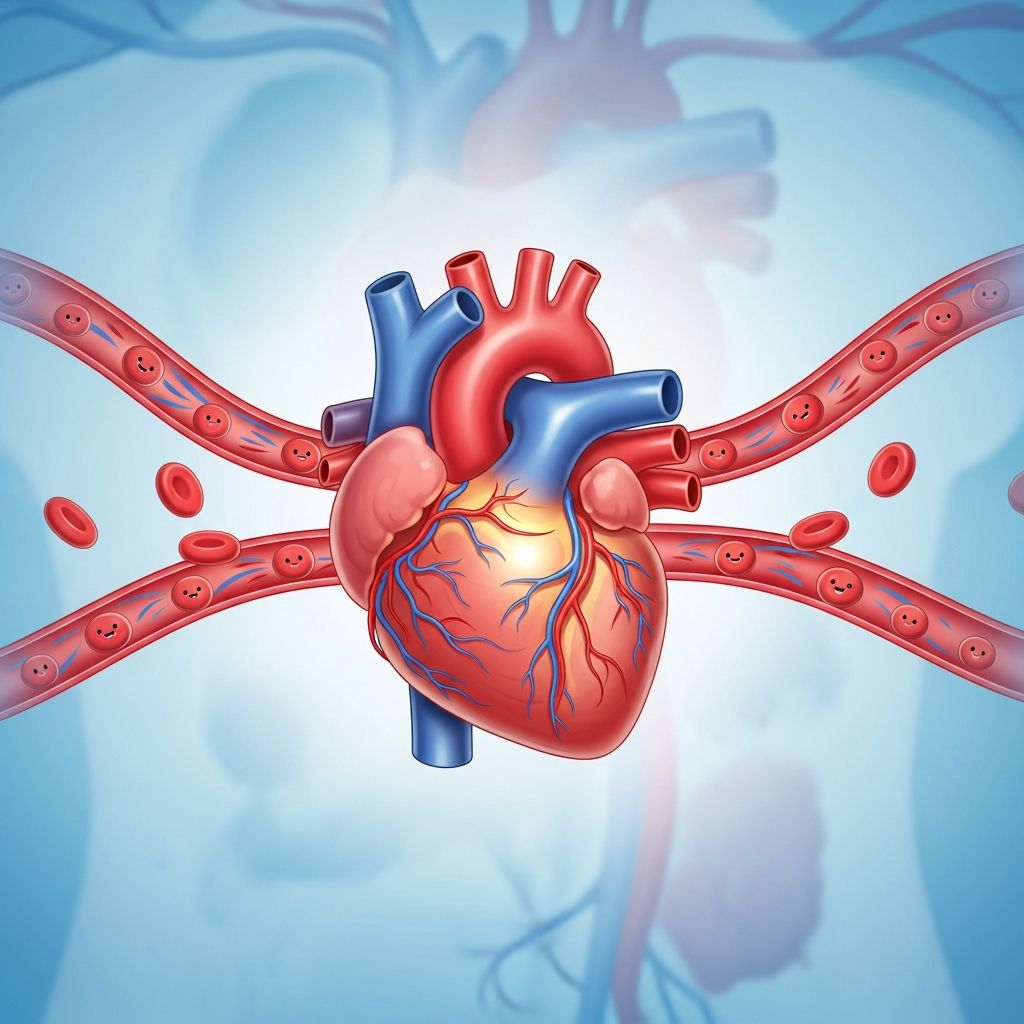
The human heart is one of the most hardworking organs in the body, beating nonstop from before birth until the end of life. This kid-friendly guide explains how the heart works, how it sends blood everywhere, what can go wrong, and how children can build heart-healthy habits every day.
Meet Your Heart: The Engine Inside You
Place a hand on the left side of your chest and you can usually feel or hear your heart quietly thumping away. This small, strong organ sits in the middle of the chest, slightly to the left, protected by the rib cage like a shield around a precious engine.
Even though it is only about the size of a child’s fist, the heart pushes blood through a huge network of tubes called blood vessels. It never stops, even when you are sleeping, watching videos, reading, or daydreaming in class.
- The heart is made mostly of special muscle that can squeeze over and over without getting tired quickly.
- Each squeeze is called a beat, and the beats together are known as your heartbeat or pulse.
- The heart is part of the circulatory system, which includes blood and blood vessels working together as a team.
Inside the Heart: Rooms, Doors, and Valves
The heart is not just a solid lump of muscle. Inside, it is divided into four spaces, or “rooms,” that help keep blood moving in the right direction. These rooms are called chambers, and they work in pairs like teammates in a relay race.
The two top chambers are called atria (singular: atrium), and the two bottom chambers are called ventricles. Each side of the heart has one atrium and one ventricle working together.
The Right and Left Sides
- Right side: Receives blood returning from the body that has given away most of its oxygen. It then pumps this blood to the lungs to pick up fresh oxygen.
- Left side: Receives fresh, oxygen-rich blood from the lungs and pumps it out to the rest of the body.
The right and left sides are separated by a thick wall of muscle so that low-oxygen and high-oxygen blood do not mix. This separation makes the heart more efficient and helps your body get the oxygen it needs quickly.
Valves: One-Way Doors for Blood
Between the chambers are flaps of tissue called valves. These work like tiny one-way doors that open to let blood move forward and close to keep it from sliding backward.
- Valves open when the heart muscle squeezes, pushing blood into the next chamber or out into a blood vessel.
- Valves close when the muscle relaxes, keeping blood moving in only one direction.
- If valves did not work well, blood might leak backward, and the heart would have to work harder.
Blood: The Body’s Delivery Service
Blood is more than just red liquid. It carries oxygen, nutrients, hormones, and waste products all around the body. Every time your heart beats, it pushes blood through thousands of kilometers of blood vessels.
You can think of blood as a delivery service made of several different parts, each with a special job.
| Blood Part | What It Looks Like | Main Job |
|---|---|---|
| Red blood cells | Tiny red discs (seen under a microscope) | Carry oxygen from the lungs to the body and take carbon dioxide back to the lungs. |
| White blood cells | Different shapes, usually larger than red cells | Help fight germs like bacteria and viruses and support your immune system. |
| Platelets | Very small cell fragments | Clump together to help blood clot and stop bleeding when you get a cut. |
| Plasma | Pale yellow liquid | Carries cells, nutrients, hormones, and waste products around the body. |
When the heart pumps, it sends this blood mixture through the body like a network of highways and side streets. This constant flow is what keeps every organ alive and working properly.
Blood Vessels: Roads for Traveling Blood
Blood vessels are hollow tubes that carry blood away from and back to the heart. There are three main types, each with a special role in the circulation system.
- Arteries carry oxygen-rich blood away from the heart to the body’s organs and tissues.
- Veins bring blood back to the heart after most of the oxygen has been used.
- Capillaries are tiny vessels where oxygen and nutrients leave the blood and enter body cells.
Together, arteries, veins, and capillaries form a huge network that reaches nearly every cell. If you could lay all your blood vessels in a line, they would stretch a very long distance, even in a child’s body.
How Blood Travels: The Journey of a Drop
To understand how the heart and blood vessels cooperate, imagine you are following a single drop of blood through the body. The trip forms a loop that repeats again and again with every heartbeat.
- Blood that has given up most of its oxygen arrives at the right atrium of the heart from the veins.
- The right atrium squeezes, pushing blood into the right ventricle.
- The right ventricle pumps this blood to the lungs through a special artery.
- In the lungs, the blood picks up fresh oxygen and gets rid of carbon dioxide when you exhale.
- Oxygen-rich blood flows from the lungs to the left atrium of the heart.
- The left atrium sends blood into the left ventricle, which has powerful, thick walls.
- The left ventricle pumps blood into the body’s largest artery, which branches into smaller arteries that reach every organ.
After this, the loop starts again as the blood returns through the veins to the right side of the heart. This process happens quickly, over and over, so your cells always have the oxygen and nutrients they need.
Heartbeats and Pulse: The Rhythm of Life
Your heart does not always beat at the same speed. It can slow down when you are resting and speed up when you run, climb stairs, or feel nervous or excited. This change in speed helps the body get more oxygen when it needs it.
A heartbeat has two main sounds often described as a double beat. These sounds come from the valves snapping shut as blood moves from one chamber to another and out into the major arteries.
Checking Your Pulse
Your pulse is the feeling of blood rushing through an artery each time the heart beats. You can feel it in places where an artery is close to the skin and pressed against a bone.
- Common spots include the inside of your wrist or the side of your neck.
- Count how many beats you feel in 15 seconds and multiply by four to estimate beats per minute.
- Notice how your pulse changes after running, jumping, or resting quietly.
Heart Problems in Kids: What Can Go Wrong?
Most children have perfectly healthy hearts, but some are born with or develop conditions that affect how the heart works. Doctors who specialize in these issues are called pediatric cardiologists.
Understanding a few common types of heart problems can help families notice warning signs early and seek the right care.
Congenital Heart Defects
Some heart problems are present at birth and are called congenital heart defects. They happen when the heart or large blood vessels do not form exactly as expected while a baby is still in the womb.
- Holes between chambers can let blood mix in ways it should not.
- Valves may be too narrow, leaky, or formed in an unusual shape.
- Major vessels may be connected differently, changing the path of blood flow.
Many congenital defects are mild and cause few or no symptoms, while others are more serious and may require medicine, procedures, or surgery.
Signs That May Need a Checkup
Only a doctor can diagnose a heart problem, but there are signs that may suggest a child should be examined. These can appear in babies, children, or teenagers.
- Getting tired very quickly during feeding, play, or light exercise.
- Breathing very fast or seeming short of breath without much activity.
- Poor weight gain or trouble keeping up with friends during games.
- A bluish color to the lips, tongue, or fingertips, especially during crying or effort.
- Chest pain, strong pounding in the chest, or fainting during or after exercise.
These signs do not always mean there is a heart problem, but they are reasons to talk with a healthcare professional.
Tests Doctors Use to Study the Heart
When doctors suspect a heart issue, they can use several tools to learn more about how the heart is working. These tests do not usually hurt and help the care team plan the best treatment.
- Stethoscope exam: The doctor listens to the heartbeat and any extra sounds called murmurs.
- Electrocardiogram (ECG or EKG): Sticky pads placed on the chest record the heart’s electrical signals.
- Ultrasound of the heart (echocardiogram): Sound waves create moving pictures that show the chambers, valves, and blood flow.
- Exercise tests: Sometimes children walk or run on a treadmill while their heart is monitored.
Results from these tests help doctors decide whether a child needs medication, a procedure, surgery, or just regular checkups.
Everyday Habits for a Strong, Healthy Heart
The great news is that many heart problems later in life can be reduced by building healthy habits during childhood. Kids and parents can work together to support a strong heart through daily choices.
Eat in a Heart-Friendly Way
A balanced eating pattern gives your heart the nutrients it needs without too much salt, sugar, or unhealthy fat. Small changes add up when they become part of everyday life.
- Fill half your plate with colorful fruits and vegetables at most meals.
- Choose whole-grain breads, cereals, and pastas instead of refined grains when possible.
- Pick lean proteins such as beans, lentils, fish, eggs, or skinless poultry.
- Limit sugary drinks like soda and energy drinks; drink water or low-fat milk most of the time.
- Enjoy treats in moderation rather than every day.
Move Your Body Every Day
Physical activity makes the heart stronger just like exercise strengthens other muscles. Children benefit from regular movement throughout the day, not just organized sports.
- Aim for at least an hour of active play or exercise most days of the week.
- Mix different activities: biking, swimming, dancing, jumping rope, or playing tag.
- Take activity breaks during long periods of sitting, like during homework or screen time.
Sleep, Stress, and Screen Time
Good sleep and manageable stress also protect the heart. Too little sleep or constant stress can raise heart rate and blood pressure over time.
- Try to go to bed and wake up at about the same times each day.
- Create a calming bedtime routine with quiet reading instead of bright screens.
- Talk about worries with parents, caregivers, or trusted adults instead of keeping them inside.
- Balance screen time with outdoor play, hobbies, or creative activities.
Heart-Friendly Choices for Families
Families play a big role in shaping children’s habits and attitudes toward health. When adults model good choices, kids often find it easier to follow along.
- Plan active family outings, such as walks, bike rides, or playground visits.
- Cook simple meals together to practice reading labels and choosing heart-smart foods.
- Keep regular checkups with a pediatrician, who can monitor growth, blood pressure, and other health markers.
- Avoid smoking or vaping around children and talk openly about how tobacco harms the heart and lungs.
Quick Facts About Kids and Hearts
- Children’s hearts usually beat faster than adult hearts, especially in babies and toddlers.
- The heart starts beating before a baby is born and continues all day, every day, without a break.
- Regular movement, good food choices, and enough sleep in childhood can support heart health decades later.
- Most children with heart conditions can still attend school, play, and enjoy many normal activities with guidance from their doctors.
FAQs: Kids’ Questions About the Heart
1. Why does my heart beat faster when I run?
When you run or play hard, your muscles need more oxygen and energy. Your heart responds by beating faster and pumping more blood so that extra oxygen and nutrients can reach your working muscles quickly.
2. Can you live without a heart?
The heart is essential because it moves blood around the body, and blood carries oxygen to every cell. Doctors can use machines to help the heart for short periods during surgery, and in rare cases people may receive heart transplants, but a working heart is always needed for long-term life.
3. Are all heart murmurs bad?
A murmur is a sound a doctor hears when blood flows through the heart in a certain way. Many children have harmless murmurs that do not cause any problems, but some murmurs mean there could be a defect, so doctors listen carefully and order tests if needed.
4. Can kids do anything to prevent heart disease later on?
Yes. Children can lower their future risk by staying active, eating a variety of nutritious foods, getting enough sleep, and avoiding smoking and vaping when they are older. These habits protect blood vessels and help maintain a healthy weight, blood pressure, and cholesterol level over time.
5. Does stress affect a child’s heart?
Feeling worried or stressed for short periods is normal and usually not dangerous. Long-lasting stress, however, can raise heart rate and make it harder to sleep, so learning calming skills, talking to trusted adults, and taking breaks from screens are all helpful.
The heart is an incredible, tireless organ that keeps every part of the body supplied with life-giving blood. By understanding how it works and making thoughtful choices from a young age, children can help protect this powerful pump and support a lifetime of health.