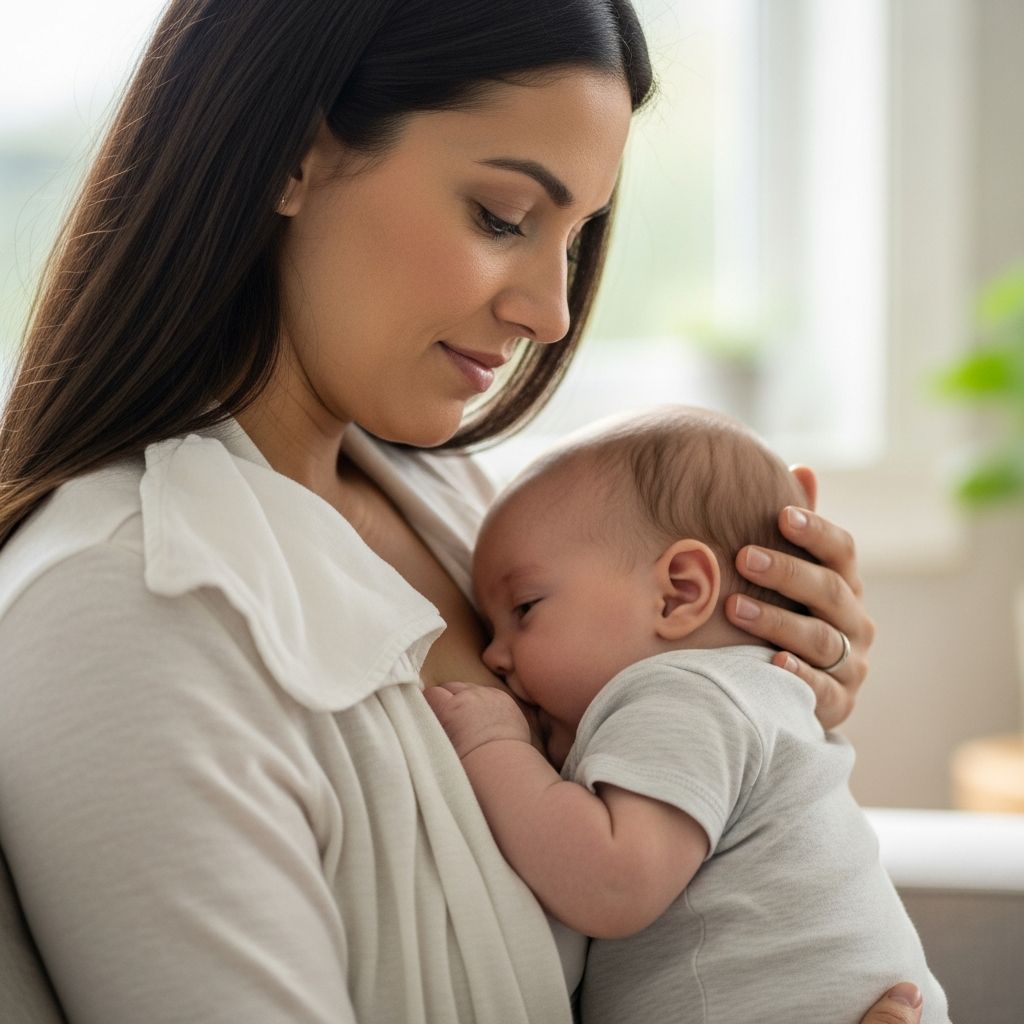
In the intricate tapestry of motherhood, certain threads shine brighter, woven by the hands of women who extend their strength to others. These are the mentors, friends, relatives, and even strangers who offer guidance, encouragement, and a listening ear during the most vulnerable moments. Their influence shapes not just individual lives but entire communities of mothers striving to thrive.
The Foundational Role of Maternal Figures
Mothers and grandmothers often serve as the bedrock of emotional support. They impart wisdom gained from years of navigating family life, offering practical advice on everything from soothing a colicky infant to balancing career demands with home responsibilities. This generational knowledge transfer is invaluable, providing new mothers with confidence when self-doubt creeps in.
Consider the quiet moments of late-night reassurance or the shared recipes passed down that become family traditions. These acts create a legacy of care, reminding us that motherhood is a collective endeavor rather than a solitary battle. Studies from child development experts highlight how such intergenerational bonds enhance emotional resilience in children and parents alike.
Sisters and Aunts: The Everyday Allies
Beyond immediate family, sisters and aunts bring a unique blend of empathy and humor to the parenting equation. They understand the unspoken frustrations of spilled milk or endless diaper changes because they’ve been there too. Their support often manifests in spontaneous visits, helping hands during overwhelming days, or simply a phone call that says, “You’re doing great.”
- Emotional outlets: They provide judgment-free zones to vent about parenting mishaps.
- Practical help: Babysitting offers or meal deliveries during tough weeks.
- Shared laughter: Turning chaos into cherished memories through inside jokes.
These relationships foster a sense of normalcy, countering the isolation that can accompany early parenthood. In a world where social media often showcases polished perfection, these allies remind us of the messy beauty of real life.
Friendships That Sustain Through Seasons
Motherhood friendships evolve into lifelines, formed in playgrounds, mommy groups, or online forums. These bonds are built on mutual recognition of each other’s struggles and triumphs. A friend who drops everything for a coffee date or celebrates your child’s first steps as her own victory embodies true solidarity.
These connections extend beyond immediate needs, offering long-term perspectives. They encourage pursuing passions outside parenting, reminding us that self-care fuels better motherhood. Research from social psychology underscores how strong female friendships correlate with lower stress levels and higher life satisfaction among parents.
| Type of Support | Examples | Impact on Mothers |
|---|---|---|
| Emotional | Listening without advice, celebrating wins | Reduces anxiety, boosts confidence |
| Practical | Childcare swaps, errand runs | Frees time for rest or work |
| Inspirational | Sharing success stories, goal-setting talks | Motivates personal growth |
Professional Mentors in the Parenting World
Women in healthcare, education, and counseling play pivotal roles as professional pillars. Pediatricians who patiently explain milestones, lactation consultants who normalize breastfeeding hurdles, or therapists who guide through postpartum challenges—these experts empower with knowledge and kindness.
Their impact is profound, turning potential crises into manageable steps. By validating experiences and providing evidence-based strategies, they equip mothers with tools for confident decision-making. This professional support network is especially crucial in diverse communities where access to resources varies.
Community and Online Networks: Virtual Sisterhood
In today’s digital age, online communities amplify support on a global scale. Forums, social media groups, and apps connect mothers across geographies, sharing tips on sleep training, sustainable parenting, or coping with loss. These spaces democratize advice, allowing voices from all backgrounds to contribute.
While virtual, these interactions build real resilience. A stranger’s story of overcoming similar trials can spark hope during dark nights. However, navigating these spaces mindfully ensures authentic connections over performative ones.
Strangers Turned Angels: Unexpected Kindness
Sometimes, support comes from the unlikeliest sources—a fellow shopper complimenting your patience with a tantruming toddler or a neighbor offering to hold the baby while you unload groceries. These micro-moments of grace accumulate, reinforcing that kindness is contagious.
Such encounters highlight humanity’s capacity for empathy, particularly among women who recognize the universal language of maternal fatigue. They serve as reminders that small gestures ripple into larger waves of communal strength.
Building Your Own Circle of Strength
Cultivating supportive relationships requires intention. Join local parent groups, volunteer for community events, or initiate playdates. Vulnerability invites connection—sharing your authentic self draws like-minded women closer.
- Identify needs: Reflect on what support you crave most.
- Reach out: Send that text or attend that meetup.
- Reciprocate: Offer help to solidify bonds.
- Nurture: Schedule regular check-ins.
By actively building these networks, mothers create ecosystems where everyone rises together.
The Ripple Effect of Female Empowerment
When women lift each other, the benefits extend to children, partners, and society. Empowered mothers model resilience and collaboration, teaching the next generation the value of solidarity. This cycle perpetuates progress, challenging outdated notions of competition among women.
Statistics from gender studies reveal that supportive networks correlate with higher workforce participation rates for mothers and improved child outcomes. It’s a testament to the multiplicative power of collective upliftment.
Overcoming Barriers to Support
Not all journeys are smooth; geographical distance, cultural differences, or personal conflicts can hinder connections. Virtual tools bridge gaps, while cultural sensitivity fosters inclusive circles. Prioritizing mental health ensures we’re capable of both giving and receiving support.
Addressing these challenges head-on strengthens networks, turning potential obstacles into opportunities for growth.
Frequently Asked Questions (FAQs)
What if I don’t have family nearby for motherhood support?
Build community through local groups, apps like Peanut, or online forums. Many find deeper bonds with chosen family than biological ties.
How can I thank the women who have helped me?
A heartfelt note, small gift, or public shoutout on social media conveys gratitude meaningfully. Time spent together often means the most.
Is it okay to ask for help as a mother?
Absolutely—seeking support is a strength, not weakness. It models healthy boundaries for children and sustains your well-being.
How do online mom groups provide real support?
They offer 24/7 access to advice, empathy, and resources, creating a global safety net during off-hours or isolations.
Can men provide similar support in motherhood?
Yes, partners and male allies are vital, but female perspectives often resonate uniquely due to shared experiences.
Embracing the Power of Collective Joy
Motherhood’s joys multiply when shared. From first smiles to milestone parties, supportive women amplify these moments, turning individual achievements into communal celebrations. This shared delight sustains through trials, reminding us why we persevere.
In reflecting on these pillars, gratitude emerges as the greatest reciprocity. By honoring those who lift us, we inspire a chain reaction of empowerment.
References
- Women and Social Support: A Review of the Literature — American Psychological Association. 2023-05-15. https://www.apa.org/pubs/journals/releases/fam-fam0001072.pdf
- Intergenerational Support in Families — National Institute on Aging, U.S. Department of Health & Human Services. 2024-02-10. https://www.nia.nih.gov/health/family-relationships-and-aging
- The Role of Friendship in Maternal Well-Being — Journal of Family Psychology (APA). 2022-11-20. https://doi.org/10.1037/fam0001025
- Social Networks and Maternal Mental Health — World Health Organization. 2023-08-05. https://www.who.int/publications/i/item/9789240072956
- Gender and Social Support Dynamics — Pew Research Center. 2024-01-12. https://www.pewresearch.org/social-trends/2024/01/12/gender-and-support-networks/