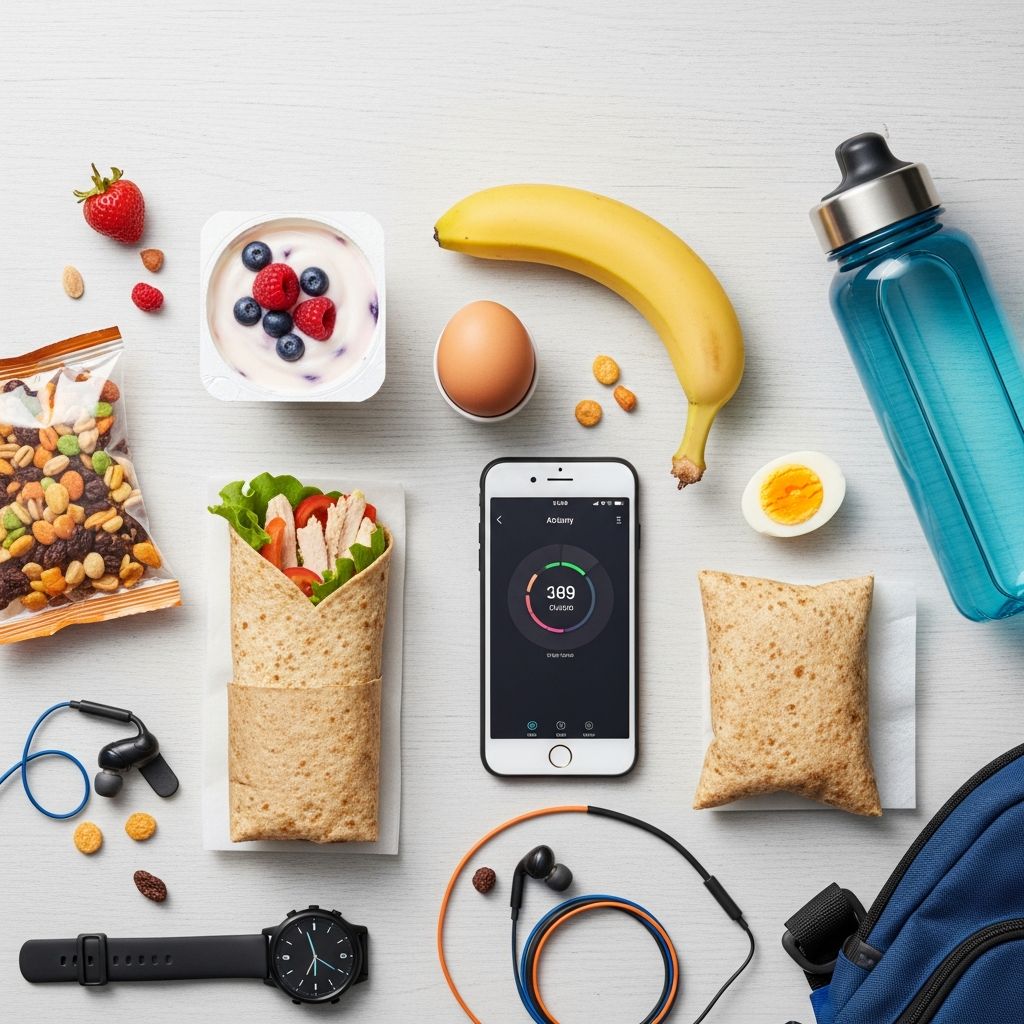
When you are juggling school, sports, and social life, food can easily become an afterthought. Yet what you eat, and when you eat it, can make a huge difference in your energy, mood, and performance on the field, in the gym, or on the court.
This guide breaks down teen-friendly ways to fuel an active body without complicated rules, strict diets, or expensive supplements. It is designed to be practical, realistic, and easy to apply to busy days.
Why Active Teens Need a Different Fuel Plan
Most teenagers are still growing while also taking on intense physical activity through sports, dance, or exercise routines. That means the body needs enough energy to cover both growth and movement. If food intake does not keep up, you may feel tired, lose focus, or struggle to perform at your best.
Instead of thinking about food as a strict “diet,” it helps to see it as fuel for everything you want to do: run faster, jump higher, stay sharp in class, and recover quickly between practices.
- Consistent fueling supports muscle growth, bone strength, and healthy hormones.
- Balanced meals and snacks help stabilize energy so you do not crash halfway through practice.
- Good nutrition lowers the risk of injuries and burnout over a long season.
The Three Power Nutrients: Carbs, Protein, and Fats
Every active teen needs a mix of carbohydrates, protein, and fats, but each plays a different role. Understanding the basics helps you build better meals from almost any cuisine or food style.
Carbohydrates: Your Main Energy Source
Carbohydrates are the body’s favorite fuel during sports and fast-paced activity. They are stored in your muscles and liver as glycogen, which your body taps into when you sprint, lift, or play hard.
- Include carbs at every main meal. Think grains, fruit, starchy vegetables, and dairy.
- Choose mostly slow-digesting carbs. Whole grains, beans, and fruits help keep energy steady instead of spiking and crashing.
- Use quick carbs around workouts. Simple options like fruit or crackers can be helpful right before or during long practices.
Protein: Building and Repairing Muscles
Protein does not just matter for bodybuilders. It supports muscle repair after training, helps you maintain strength, and contributes to your immune system and hormones.
- Aim to include a protein source at each meal and in most snacks.
- Variety is useful: poultry, fish, eggs, yogurt, beans, tofu, lentils, nuts, and seeds can all fit.
- Spreading protein throughout the day often works better for muscle recovery than eating a huge amount at one time.
Healthy Fats: Long-Lasting Fuel
Fats provide long-lasting energy and help your body absorb important vitamins. They are especially useful for longer, lower-intensity activities and for staying full between meals.
- Look for fats from nuts, seeds, avocado, olive oil, and fatty fish when possible.
- Use richer foods, like cheese or nut butter, in reasonable portions so they energize you without feeling too heavy before intense workouts.
Easy Visual Guide to a Balanced Plate
You do not need to count every gram of nutrients to eat well. A simple visual template can help you build balanced meals whether you are at home, at school, or grabbing something on the way to practice.
| Plate Section | Role in Your Body | Examples of Foods |
|---|---|---|
| About 1/2 of the plate: Colorful produce | Provides vitamins, minerals, and fluid while supporting recovery and immunity. | Salad, roasted vegetables, carrots, peppers, berries, apples, oranges, grapes. |
| About 1/4 of the plate: Grains or starchy foods | Supplies fast and steady energy for practices, games, and schoolwork. | Brown rice, whole-wheat pasta, oats, quinoa, potatoes, whole-grain bread, tortillas. |
| About 1/4 of the plate: Protein foods | Builds and repairs muscles and keeps you satisfied longer after meals. | Chicken, fish, eggs, beans, tofu, lentils, Greek yogurt, cottage cheese, lean beef. |
| Extras: Healthy fats and flavor | Adds longer-lasting energy and improves taste and texture. | Olive oil, avocado, nuts, seeds, hummus, nut butters, cheese in modest portions. |
Think of this plate as a flexible blueprint, not a strict rule. You can adjust the amount of each section depending on how active you are that day, your personal preferences, and cultural food traditions.
Timing Your Fuel Around Practices and Games
What you eat matters, but when you eat can be just as important. Good timing can help you avoid feeling too full, too hungry, or sluggish during activity.
3–4 Hours Before Activity: A Solid Meal
A few hours before a game or tough workout, aim for a balanced meal with plenty of carbs, a moderate amount of protein, and limited heavy fats or fried foods. This gives your body time to digest so you feel strong but not stuffed.
- Include a grain or starchy food, a lean protein, and some produce.
- Keep very greasy, spicy, or sugary foods smaller so your stomach stays comfortable.
1–2 Hours Before: Light, Easy-to-Digest Snacks
As you get closer to activity, focus on lighter foods that are mostly carbohydrates, with small amounts of protein if they sit well with you. This helps top off your energy stores without weighing you down.
- Good choices include fruit, toast, crackers, a small yogurt, or a smoothie.
- Listen to your body; some people do best with a snack 30–60 minutes before, while others need more time.
During Long or Intense Sessions
If practice or competition lasts more than an hour, especially in the heat, small amounts of quick carbs and fluids can help maintain performance. This is more important for tournaments, multi-game days, or endurance events.
- Use simple options like bananas, granola bars, or a few crackers between events.
- For very long efforts, some athletes use sports drinks, but water plus small carb snacks often works well too.
After Activity: Refuel, Rebuild, Rehydrate
Post-workout nutrition is your chance to help muscles recover and restock energy. A combination of carbs and protein within an hour or so after activity can support repair.
- Pair a protein source (such as yogurt, eggs, or beans) with a carb (such as fruit, bread, or rice).
- Include fluids and, if you sweat heavily, some salty foods to replace lost sodium.
Hydration Habits That Actually Work
Staying hydrated helps your heart, muscles, and brain function smoothly. Even small levels of dehydration can make you feel weak, dizzy, or less focused.
- Keep a reusable water bottle with you at school and sip regularly throughout the day.
- Drink extra before practice, take water breaks during, and keep sipping afterward.
- Use the color of your urine as a quick check: pale yellow usually suggests better hydration than very dark yellow.
- Reserve sports drinks for longer, intense workouts or very hot conditions; they are usually not needed for short, easy activity.
Snack Smarter When Life Is Busy
Many active teens rely on snacks because schedules are packed. Snacks can either drag you down or keep you energized, depending on what you choose.
What Makes a Strong Snack?
The best snacks feel satisfying without making you sluggish. Pairing a carb with some protein or healthy fat usually works well.
- Carb + protein examples: fruit and yogurt, crackers and cheese, pita and hummus.
- Carb + healthy fat examples: apple slices with peanut butter, trail mix with nuts and dried fruit.
Portable Options for Lockers and Bags
Having a few go-to items on hand can prevent last-minute vending machine runs and skipped snacks.
- Whole-grain granola bars with simple ingredient lists.
- Nut or seed packs (or trail mix without too much added candy).
- Fruit that travels well, such as apples, oranges, or bananas.
- Single-serve peanut butter or hummus cups with pretzels or carrots when refrigeration is available.
Common Fueling Mistakes Active Teens Make
No one eats perfectly all the time, but avoiding a few common traps can quickly improve energy and performance.
- Skipping breakfast. Going into a school day and practice with an empty tank makes it harder to focus and compete.
- Relying heavily on energy drinks or sugary snacks. They may give a fast jolt, followed by a crash that leaves you feeling worse.
- Eating large fast-food meals right before practice. Heavy, greasy foods close to activity can lead to cramps and sluggishness.
- Not eating enough overall. Consistently undereating can weaken performance, reduce muscle gains, and affect mood and concentration.
Respecting Different Eating Styles and Restrictions
Many teens follow vegetarian, vegan, or culturally specific diets, or have allergies or intolerances. It is absolutely possible to fuel sports performance while honoring these needs.
- Vegetarian and vegan athletes can get protein from beans, lentils, tofu, tempeh, soy milk, nuts, and seeds.
- Those who avoid dairy can look for fortified plant milks and yogurts to help cover nutrients like calcium.
- Anyone with food allergies should work with parents and health professionals to build safe, reliable options they can bring to school or practice.
Simple One-Day Sample for an Active Teen
Every teen’s needs are unique, but seeing one possible layout can make planning easier. This is just an example; portions and food choices can be swapped based on culture, preferences, and hunger.
| Time | Example Fuel | Reason It Helps |
|---|---|---|
| Morning before school | Oatmeal with fruit and nuts; glass of milk or fortified plant drink. | Provides carbs for focus and training later, plus protein and fats for staying power. |
| Mid-morning | Yogurt cup and a piece of fruit. | Prevents late-morning energy dip and helps meet protein needs. |
| Lunch | Rice or pasta bowl with chicken or beans and mixed vegetables; water. | Refuels glycogen stores and adds protein and produce before afternoon classes. |
| After school (before practice) | Peanut butter sandwich on whole-grain bread; water. | Supplies quick and steady energy, plus some protein and fat for a long practice. |
| After practice | Chocolate milk or smoothie with fruit and yogurt. | Combines carbs and protein to support muscle repair and energy recovery. |
| Evening meal | Grilled fish or tofu, potatoes or whole grains, and vegetables; water. | Rebuilds muscles overnight and helps restore nutrients used during the day. |
| Optional evening snack | Whole-grain toast with cheese or nut butter; herbal tea or water. | Prevents waking up very hungry and adds extra fuel for heavy training days. |
Frequently Asked Questions About Eating for Sports
Do teen athletes need supplements or protein powders?
Most healthy teens can meet their needs by eating enough calories from a variety of foods. Many common meals and snacks already contain plenty of protein, especially when you include items like eggs, yogurt, beans, or lean meats. Supplements should only be used with guidance from a healthcare professional or sports dietitian, especially because some products aimed at athletes may contain unnecessary or unsafe ingredients.
Is it bad to eat fast food if I play sports?
Occasional fast food is not likely to hurt performance, but relying on it daily can crowd out more nutrient-dense options and leave you feeling slow or overly full. If fast food is the only choice, look for items that are grilled instead of fried, include some produce, and avoid super-sized sugary drinks. Balancing these meals with more home-prepared or school meals that include whole grains, fruits, vegetables, and lean proteins can help support your training.
What if I feel too nervous to eat before big games?
Pre-game jitters are common and can make it hard to eat a full meal. In that case, experiment with smaller, easy-to-digest snacks such as smoothies, yogurt, toast, or bananas. Practice your pre-game routine on normal training days so that by competition time, your body is used to the timing and types of food you choose.
How can I tell if I am not eating enough for my activity level?
Signs that your intake might be too low can include constantly feeling tired, frequent injuries, dizziness, trouble concentrating, or unexpected weight loss. If you notice these patterns, talk with a parent, coach, school nurse, or health provider. They can help you adjust meals and snacks so that your body gets enough energy and nutrients to support both growth and training.
Is it okay to follow social media diet trends as an athlete?
Many online trends are created for clicks, not for teen health or sports performance. Strict restrictions, extreme low-calorie plans, or fad cleanses can quickly drain your energy and may even be dangerous. Focusing on balanced, regular meals, listening to hunger and fullness cues, and asking qualified professionals for advice is usually a safer and more effective strategy.
Putting It All Together
Fueling an active teen lifestyle does not require perfection or complicated meal plans. It simply means paying attention to regular meals, thoughtful snacks, hydration, and timing before and after activity.
When you treat food as your daily training partner instead of something to stress about, you build habits that support not only your current sports goals but also long-term health. Start with one or two changes—such as adding a consistent breakfast or packing a balanced snack—and build from there.