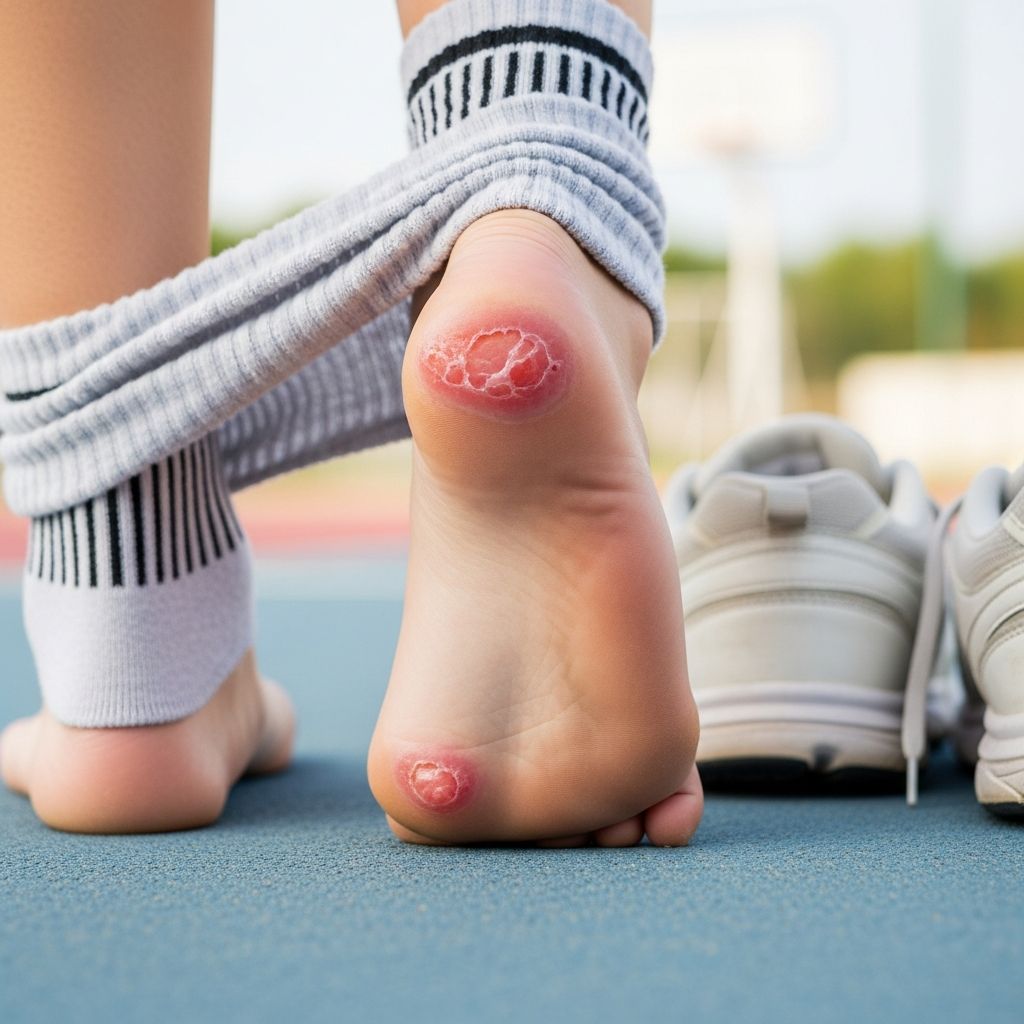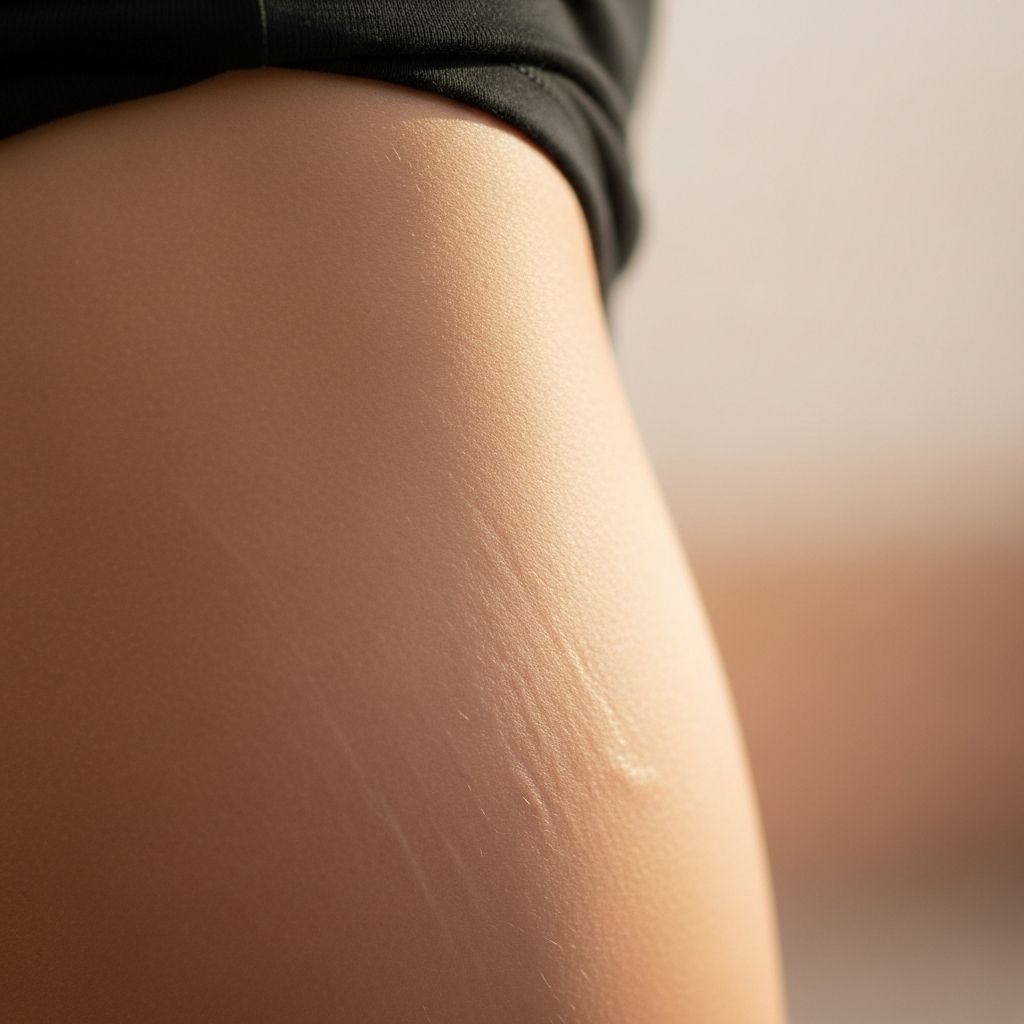
Stretch marks are a normal part of growing and changing, especially during the teen years. They are not a sign that something is wrong with your body, and almost everyone will have some at some point in life.
This guide explains what stretch marks are, why they happen, what they look like, and how to take care of your skin and your confidence at the same time.
What Exactly Are Stretch Marks?
Stretch marks are lines on the skin that form when it stretches or shrinks faster than it can comfortably handle. Under the surface, tiny fibers that help keep skin firm and springy can tear a little, and the body heals those tears by creating scar-like lines.
At first, stretch marks may look red, pink, purple, brown, or darker than the rest of your skin. Over time, they usually fade and become lighter or closer to your natural skin tone, though they rarely disappear completely.
- They can feel slightly raised at first and then flatten out.
- They might itch when they first appear, then stop as they fade.
- They are harmless and do not mean you are unhealthy.
Common Places Stretch Marks Show Up
Stretch marks can appear almost anywhere the skin has been under extra tension, but there are certain areas where teens tend to notice them most.
- Hips and thighs
- Buttocks
- Lower back
- Breasts or chest area
- Upper arms and shoulders (especially with rapid muscle growth)
- Stomach or sides of the abdomen
They may show up on just one of these areas or on several at once, depending on how your body is changing.
Why Stretch Marks Appear During the Teen Years
Teens often develop stretch marks because the body is changing fast. Growth spurts, changing hormones, and shifts in weight or muscle can all put pressure on the skin.
Fast Body Changes
When the body grows quickly, the skin has to stretch to cover the new size. If it stretches very fast, the deeper parts of the skin can tear slightly, leading to these marks.
- Rapid height growth during puberty.
- Quick weight gain over a short period of time.
- Rapid muscle growth from intense exercise or weight training.
Hormones and Genetics
Hormones during puberty can make the skin more likely to form stretch marks because they affect how strong and elastic the skin is. Some families also tend to get stretch marks more easily, so your genes can play a big role.
- If a parent or close relative has stretch marks, you may be more likely to get them.
- Natural hormone shifts in the teen years can change how the skin repairs itself.
Other Possible Triggers
Sometimes stretch marks can be related to other things happening in your life or health. Most are completely normal, but a few situations need medical attention.
- Using strong steroid creams or medications for a long time without medical guidance.
- Medical conditions that affect hormones or skin strength (these are less common but should be checked by a doctor if suspected).
What Stretch Marks Look and Feel Like
Stretch marks can look different from person to person because of skin tone, how quickly they appeared, and how long they have been there.
| Stage | Appearance | What You Might Notice |
|---|---|---|
| Early stage | Lines that are pink, red, purple, or darker than nearby skin | May feel slightly raised or itchy |
| Middle stage | Color starts to fade a little; lines may look more narrow | Itchiness usually calms down |
| Later stage | Pale, silvery, or just slightly different from your normal tone | Feel smooth or slightly indented; rarely noticeable to others |
Even when they are very visible to you, most people around you are not focusing on them and may never notice them at all.
Are Stretch Marks Dangerous?
Stretch marks are generally harmless scars in the deeper layer of the skin. They are not infections, rashes, or signs that your body is failing.
They do not spread from person to person, and you cannot “catch” them like a cold. They are simply a sign that your skin has done some fast stretching.
- They do not cause cancer or serious disease.
- They usually fade and become less obvious with time.
- The main impact is often emotional, not physical.
When to Talk to a Doctor or Nurse
Most of the time, stretch marks are normal and do not require any special treatment. Still, there are times when it is smart to talk to a health professional.
- The marks appear very suddenly and cover a large part of your body.
- You feel pain, burning, or strong itching that does not calm down.
- You are also having other symptoms like extreme tiredness, mood changes, or unexplained weight gain or loss.
- You feel very upset or anxious about your appearance and want support.
A doctor, nurse, or dermatologist (skin specialist) can check whether your stretch marks are typical and talk about whether any treatment is a good idea.
Can You Prevent Stretch Marks Completely?
There is no guaranteed way to stop stretch marks from forming. Some people with healthy habits still get them, while others do not, even with fast body changes. That said, certain choices may support your skin and lower the chances that marks will be very strong.
Healthy Habits That Support Skin
- Keep weight changes gradual when possible instead of gaining or losing very quickly.
- Stay active with regular movement that feels good to your body.
- Drink enough water throughout the day to help keep skin hydrated from the inside.
- Eat a variety of foods, including fruits, vegetables, lean proteins, whole grains, and healthy fats to give your skin building blocks to repair itself.
Moisturizing and Skin Care
Many creams and oils promise to “erase” or “block” stretch marks, but there is no magic product that works for everyone. Moisturizing may help your skin feel more comfortable and possibly support its flexibility, but it cannot guarantee that marks will never form.
- Choose gentle moisturizers that do not irritate your skin.
- Apply after bathing to lock in moisture.
- Avoid scrubbing or harsh products that leave your skin burning or stinging.
What Treatments Can and Cannot Do
Some medical treatments can help stretch marks look less noticeable, especially when they are still fairly new and darker in color. These options should be discussed with a health professional and are not usually needed for typical teen stretch marks.
Possible Professional Treatments
Specialists may suggest certain approaches if someone is very bothered by the way their marks look. These treatments aim to improve texture and color, not to erase the marks entirely.
- Prescription creams that encourage collagen production.
- Light or laser-based therapies that target color differences in the skin.
- Procedures such as microneedling that stimulate the skin to remodel itself.
These methods can be expensive, may require several sessions, and can carry side effects like temporary redness or irritation. Teens always need a parent or guardian and a trusted medical provider involved in these decisions.
What to Be Careful About
- Avoid ordering strong creams or devices online without medical advice.
- Be skeptical of products that promise instant or complete removal.
- Check with a professional before using steroid creams for long periods, since overuse can actually weaken the skin.
Coping with Body Image and Confidence
Many teens feel embarrassed about stretch marks, especially when changing in locker rooms, wearing swimsuits, or looking at heavily edited photos online. It can help to remember that these marks are extremely common and say nothing about your worth or attractiveness.
Helpful Mindset Shifts
- See stretch marks as signs that your body has grown, carried you, and adapted.
- Remind yourself that most bodies in social media photos are filtered, edited, or posed.
- Notice the people you admire and how their personality, kindness, or talents matter more than any mark on their skin.
Practical Confidence Tips
- Wear clothes that help you feel comfortable and confident, whether that means more coverage or less.
- Talk to a trusted friend, parent, school counselor, or therapist if your body worries feel overwhelming.
- Limit time spent comparing your body to images online and follow accounts that show real, diverse bodies.
Everyday Skin-Care Routine for Teens with Stretch Marks
A simple, consistent routine can keep your skin comfortable and help you feel more in control, even if it does not erase existing marks.
- Wash with a mild cleanser that does not strip your skin.
- Pat your skin dry instead of rubbing hard with the towel.
- Apply a fragrance-free moisturizer to areas that tend to feel tight or itchy.
- Use sunscreen on exposed areas to help keep color more even and protect your skin overall.
Quick Myths and Facts About Stretch Marks
| Myth | Fact |
|---|---|
| Only people who are overweight get stretch marks. | People of all shapes and sizes can get them, including athletes and people who are thin. |
| They mean you are unhealthy. | Most stretch marks are purely cosmetic and have nothing to do with how fit or healthy you are. |
| Lotions can remove them overnight. | No cream can erase them instantly. Some products may soften their look over time, especially when recommended by a professional. |
| You should be ashamed of them. | Stretch marks are common and natural. Many adults and teens barely think about theirs once they get used to them. |
FAQs About Stretch Marks in Teens
Do stretch marks mean I gained too much weight?
Not necessarily. Stretch marks can appear from any rapid change, including growth spurts or muscle gain, even if your weight is in a healthy range. They are more about how quickly your body changed than about a specific number on the scale.
Will my stretch marks go away as I get older?
Stretch marks usually fade over time. The color often becomes lighter and closer to your regular skin tone, and the lines become less noticeable. They rarely disappear completely, but people tend to notice them less and less.
Can I still play sports and exercise?
Yes. Stretch marks do not limit your ability to move or play sports. There is no need to stop exercising because of them, unless a doctor has told you to change your activity for another health reason.
Do I need treatment if I have stretch marks?
Most teens do not need any treatment. Treatment is a personal choice usually based on how you feel about the marks, not on medical necessity. If you are unsure, talk to a healthcare provider who can explain realistic options and whether they are right for you.
What can I say to myself when I feel insecure?
You can practice kind, realistic self-talk, such as: “Many people have stretch marks; they are normal,” or “My value is not measured by how smooth my skin looks.” Repeating simple, respectful messages to yourself over time can reduce negative thoughts about your body.
Key Takeaways for Teens
- Stretch marks are a normal part of growth and body changes for many teens.
- They are not dangerous, and most fade with time.
- Healthy habits support your skin but cannot guarantee you will never get marks.
- Your feelings about your body matter, and it is okay to ask for support if you are struggling.
Your body will keep changing throughout your life, and stretch marks are just one of many signs that it is growing, healing, and adapting. Learning to understand them—and be kind to yourself about them—can make a big difference in how you feel every day.