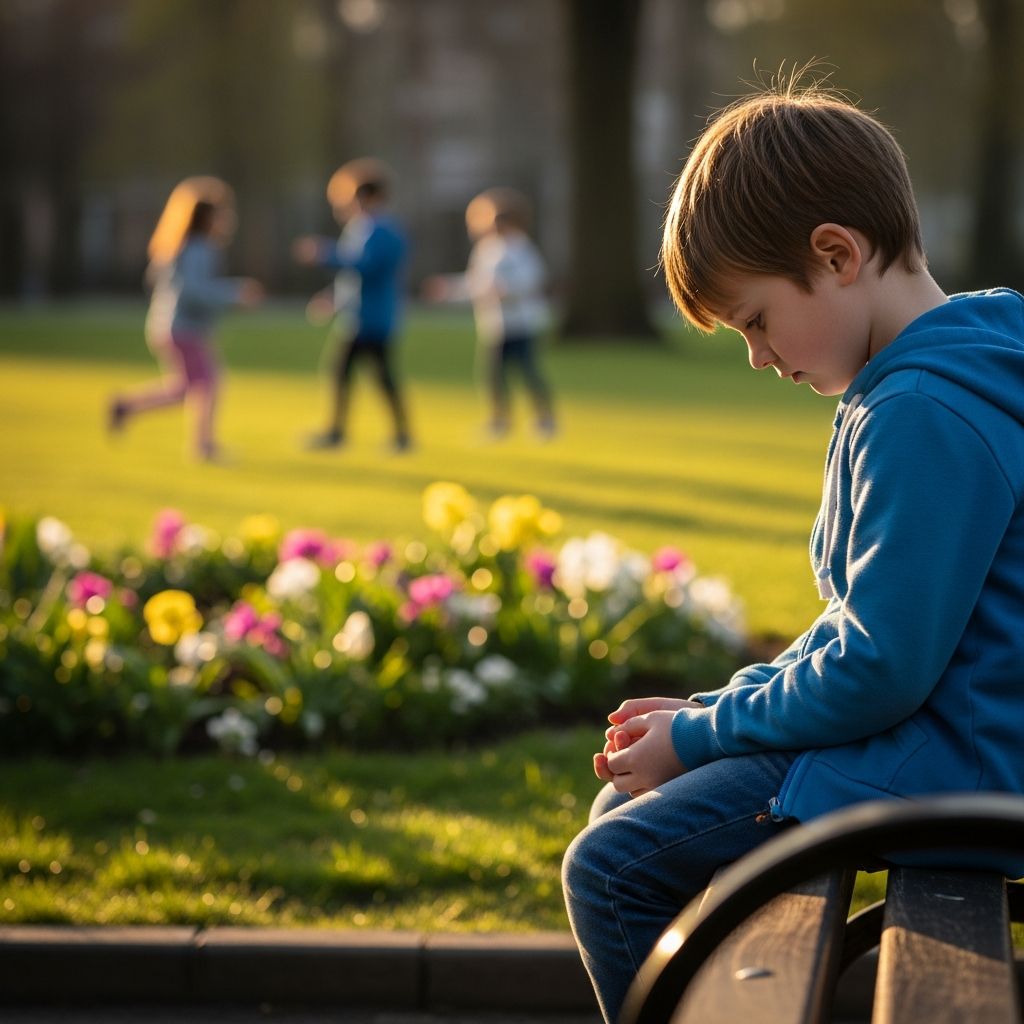
Social anxiety affects many children, manifesting as an intense fear of social situations that interferes with daily life. Early recognition and targeted support can significantly improve a child’s ability to engage confidently with others.
Understanding Social Anxiety in Young Minds
Social anxiety disorder, also known as social phobia, involves a persistent dread of being scrutinized or negatively judged in social settings. In children, this goes beyond typical shyness, causing marked distress that disrupts school, friendships, and family interactions. The condition requires symptoms to last at least six months for diagnosis, often leading to avoidance of peers, events, or performances.
Unlike fleeting nervousness, social anxiety compels children to withdraw, impacting their emotional and social development. It can emerge in early childhood through behaviors like clinging or tantrums in group settings, evolving into more complex fears during adolescence.
Common Indicators of Social Anxiety
Spotting social anxiety early allows for timely intervention. Children may display a range of emotional, behavioral, and physical signs when faced with social scenarios.
- Emotional responses: Excessive worry about embarrassment, low self-esteem, or fear of humiliation.
- Behavioral patterns: Avoiding eye contact, speaking softly or not at all, refusing school or activities, and clinging to parents.
- Physical manifestations: Sweating, trembling, nausea, stomachaches, or headaches before social encounters.
- Social withdrawal: Limited friends, reluctance to meet new people, or discomfort being the center of attention.
These signs vary by age; younger children might cry or throw tantrums, while teens worry excessively about presentations or interactions.
Factors Contributing to Social Anxiety
Social anxiety arises from a blend of genetic predispositions, environmental influences, and personal experiences. Family history of anxiety increases vulnerability, suggesting a hereditary component.
| Factor Type | Description | Examples |
|---|---|---|
| Genetic/Biological | Inherited tendencies toward anxiety sensitivity. | Family history of anxiety disorders; naturally shy temperament. |
| Environmental | Upbringing and surroundings shaping social skills. | Overprotective parenting, bullying, or social rejection. |
| Traumatic/Psychological | Past events triggering fear responses. | Public humiliation or loss leading to heightened self-consciousness. |
| Cognitive | Thought patterns amplifying fears. | Overthinking judgments or negative self-perception. |
Stressful life events, like frequent changes or early traumas, can exacerbate these risks, making some children more prone to intense reactions.
Assessing and Diagnosing the Condition
Diagnosis typically involves interviewing the child and parents, alongside standardized questionnaires to gauge symptom severity and duration. Professionals look for impairment in functioning, such as school refusal or isolation, distinguishing it from normal developmental shyness.
Somatic complaints like frequent headaches often mask underlying anxiety, leading to unnecessary medical visits. A thorough evaluation rules out other issues and confirms if symptoms meet clinical criteria.
Effective Treatment Approaches
Treatment focuses on building coping skills and reducing avoidance. Cognitive Behavioral Therapy (CBT) stands out as the gold standard, teaching children to challenge irrational fears and gradually face social situations.
- CBT Techniques: Exposure exercises, cognitive restructuring to reframe thoughts, and social skills training.
- Medication Options: Selective serotonin reuptake inhibitors (SSRIs) for severe cases, under medical supervision.
- Family Involvement: Parental training to encourage independence and model calm behaviors.
Combining therapies yields the best outcomes, with many children showing substantial improvement.
Practical Strategies for Parents at Home
Parents play a pivotal role in daily management. Start by validating feelings without reinforcing avoidance.
- Build Emotional Awareness: Discuss anxiety openly, using simple language like “It’s okay to feel nervous; let’s plan how to handle it.”
- Gradual Exposure: Introduce low-stakes social activities, like short playdates, rewarding small successes.
- Model Confidence: Demonstrate relaxed interactions in public to normalize social engagement.
- Routine and Predictability: Consistent schedules reduce uncertainty that fuels anxiety.
- Positive Reinforcement: Praise efforts, not just outcomes, to boost self-esteem.
Monitor progress and collaborate with schools for accommodations like gradual participation in class activities.
School and Community Support
Educators can foster inclusive environments by pairing anxious children with supportive peers and providing preparation for group tasks. Community programs, such as structured clubs, offer safe spaces to practice interactions.
Parental advocacy ensures individualized education plans address anxiety-related needs, preventing academic setbacks.
Long-Term Outlook and Prevention
With intervention, most children outgrow severe social anxiety, developing resilience. Early action prevents secondary issues like depression or academic failure.
Prevention emphasizes nurturing environments: encourage play, teach problem-solving, and address bullying promptly. Regular check-ins on emotional health build lifelong coping tools.
Frequently Asked Questions
What distinguishes social anxiety from shyness?
Social anxiety causes significant distress and avoidance impacting daily life, unlike shyness which is milder and doesn’t interfere substantially.
At what age does social anxiety typically appear?
It can start in early childhood with clinginess or tantrums, often intensifying in school years or adolescence.
Can social anxiety resolve without professional help?
Mild cases may improve with support, but persistent symptoms warrant therapy to prevent escalation.
How can parents avoid worsening their child’s anxiety?
Avoid overprotection; instead, gently encourage exposure and validate emotions without excusing avoidance.
Are there physical health links to social anxiety?
Yes, somatic symptoms like stomach issues are common and often the first noticeable signs.
Empowering Your Child’s Future
By understanding social anxiety and applying consistent strategies, parents can guide children toward fulfilling social lives. Patience and persistence transform fear into confidence, fostering well-rounded development.
References
- How To Help Your Child With Social Anxiety Disorder — The Meadows. 2023. https://themeadows.net/blog/helping-your-child-with-social-anxiety-disorder/
- Social Anxiety Disorder in Children and Adolescents — Merck Manuals Professional Edition. 2024-01-12. https://www.merckmanuals.com/professional/pediatrics/psychiatric-disorders-in-children-and-adolescents/social-anxiety-disorder-in-children-and-adolescents
- Pediatric Social Phobia — Children’s National Hospital. 2023. https://www.childrensnational.org/get-care/health-library/social-phobia
- Social anxiety (social phobia) — NHS. 2024-05-15. https://www.nhs.uk/mental-health/conditions/social-anxiety/
- Beyond Shyness: 7 Signs of Social Anxiety in Children — Connections Family Center. 2023. https://connectionsfamilycenter.com/beyond-shyness-7-signs-of-social-anxiety-in-children/
- Anxiety in Children: Causes, Symptoms & Treatment — Cleveland Clinic. 2024-08-20. https://my.clevelandclinic.org/health/diseases/anxiety-in-children
- Social Anxiety Triggers in Children and Teens — Willow Springs Center. 2023. https://willowspringscenter.com/blog/social-anxiety-triggers-in-children-and-teens/
- Social Anxiety Disorder — Cincinnati Children’s Hospital. 2024. https://www.cincinnatichildrens.org/health/s/social-anxiety