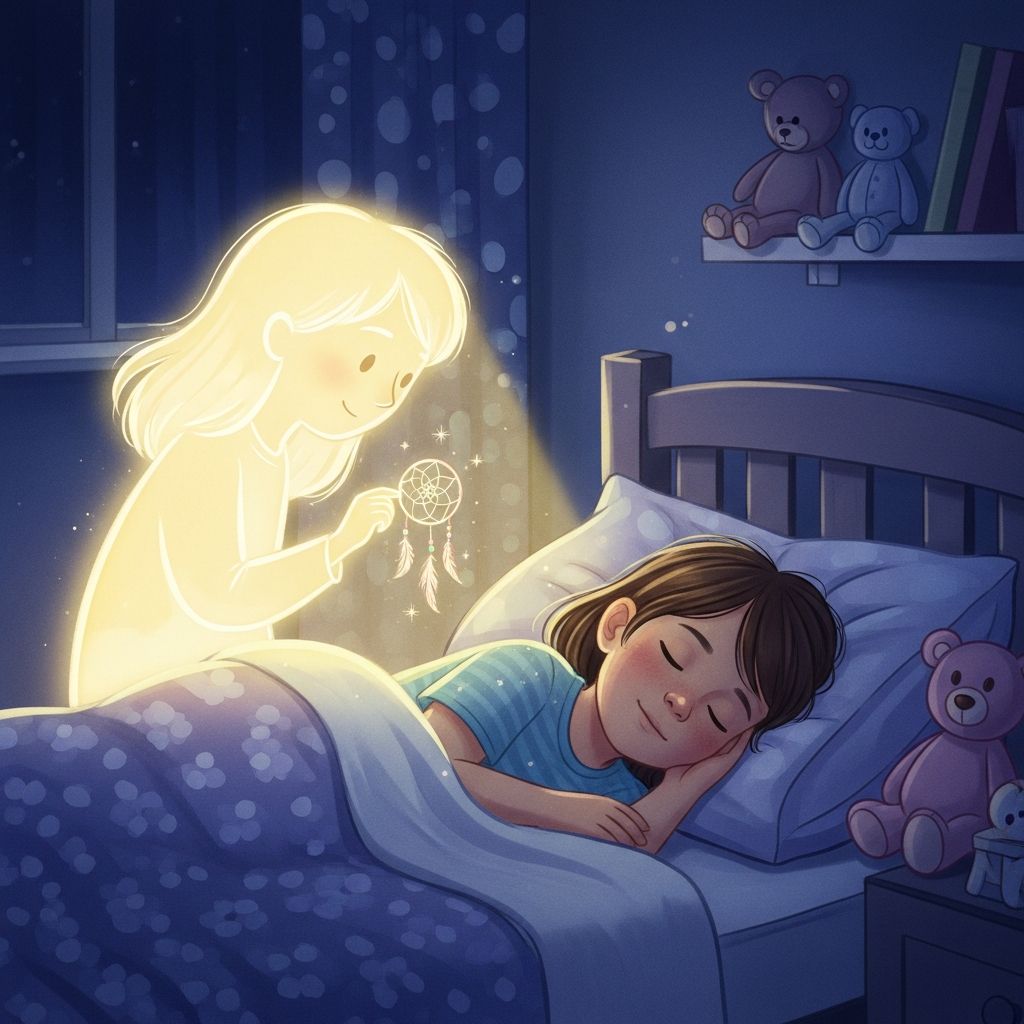
Young children often experience disrupted sleep due to vivid nightmares or intense night terrors, leaving parents concerned and exhausted. These episodes are common in toddlers and preschoolers as their imaginations develop and brains process daily experiences during sleep. Understanding the differences between nightmares and night terrors is crucial for providing the right support, while establishing healthy sleep habits can prevent many occurrences. This guide offers evidence-based strategies to help your child feel safe and return to restful nights.
Understanding Sleep Disturbances in Young Children
Sleep issues like bad dreams affect up to 50% of children aged 3 to 6 years, peaking during imaginative play stages. Nightmares occur during rapid eye movement (REM) sleep, typically later in the night, when children wake fully alert and remember frightening scenarios. In contrast, night terrors happen early in the sleep cycle during non-REM stages, involving screaming, thrashing, or sitting up while the child remains asleep and unaware.
Distinguishing these helps parents respond appropriately. For instance, a child with a nightmare might seek comfort and recount details, whereas one in a night terror appears panicked but unresponsive to touch or voice. Factors like overtiredness, stress, fever, or new environments trigger both, but consistent sleep schedules mitigate risks.
Spotting Nightmares: Signs and Immediate Responses
Nightmares feel intensely real to children, often featuring monsters, falls, or separation from loved ones. Children usually wake crying, heart racing, and need reassurance to settle. Key signs include full wakefulness, coherent speech about the dream, and fear lasting 10-30 minutes post-wakeup.
- Provide quick comfort: Offer hugs, calm words like “You’re safe here with me,” and a dim amber light if needed to avoid stimulation.
- Listen actively: Encourage sharing the dream without judgment, validating feelings to build security.
- Avoid co-sleeping reinforcement: Guide back to their bed after calming, using a comfort object like a stuffed animal.
These steps help 80-90% of children resettle within 20 minutes, reducing nighttime anxiety over time.
Navigating Night Terrors: What Parents Need to Know
Night terrors, affecting 1-6% of kids, involve sudden arousal with intense fear, sweating, and rapid breathing, but no dream recall upon waking. Episodes last 5-15 minutes, with children resisting comfort and potentially harming themselves if mobile.
Do not attempt to wake them, as it prolongs distress; instead:
- Ensure safety by gently guiding them down if standing.
- Speak softly in a monotone, turn on soft lights to reduce shadows.
- Wait patiently; they return to sleep naturally.
Unlike nightmares, night terrors leave no emotional residue, impacting parents more.
Daily Habits to Prevent Sleep Disruptions
Proactive routines address root causes like fatigue and overstimulation. Overtiredness spikes cortisol, fueling scary dreams, so prioritize adequate sleep.
| Age Group | Recommended Sleep | Key Prevention Tips |
|---|---|---|
| 1-2 years | 11-14 hours | Naps, no screens post-dinner |
| 3-5 years | 10-13 hours | Consistent bedtime, quiet wind-down |
| 6+ years | 9-12 hours | Stress-relief activities, earlier bedtime if needed |
Implement these daily:
- Screen curfew: No devices 1-2 hours before bed to lower arousal.
- Wind-down ritual: Bath, story, yoga, or breathing exercises 30 minutes pre-bed.
- Nap adjustments: Restart naps for preschoolers or enforce quiet time.
- Bedtime tweaks: Shift earlier by 15 minutes if overtired.
Creative Daytime Tools for Braver Nights
Empower children during waking hours to reframe fears. Fun activities build resilience against recurring dreams.
- Dream redirection: Invent happy endings, like a superhero banishing monsters—practice daily.
- Fear release ritual: Draw or write scares, then tear up the paper.
- Positive dream jar: Fill with notes of joyful memories; pull one during wake-ups.
- Comfort anchors: Scented caregiver shirt, themed nightlight, or security blanket for ages 12+ months.
These foster imagination control, with studies showing reduced nightmare frequency after consistent use.
Advanced Technique: Scheduled Awakenings for Persistent Cases
For frequent night terrors (e.g., nightly in kids over 6), track episode timing from sleep onset. Wake fully 15 minutes prior for 5 minutes, repeat 7 nights. Success rate nears 90%, resetting sleep cycles. Note: Consult pediatrician first for younger children or comorbidities.
When to Consult a Professional
Most outgrow these by school age as brains mature. Seek help if:
- Episodes exceed 3x/week, disrupt daytime mood/behavior.
- Accompanied by snoring, bedwetting, or anxiety.
- No improvement after 4-6 weeks of strategies.
Pediatricians may screen for sleep apnea or refer to specialists.
Frequently Asked Questions (FAQs)
Can nightmares harm my child long-term?
No, they rarely cause lasting issues if addressed with comfort, but chronic ones warrant checking for stress.
Why do night terrors happen more in some families?
Genetic factors play a role, alongside triggers like fatigue.
Is medication ever needed?
Rarely for kids; lifestyle fixes suffice 95% of cases. Doctor-guided only if severe.
How long until my toddler outgrows this?
Typically by 5-7 years, with routines accelerating resolution.
Does TV cause nightmares?
Scary content can, so curate age-appropriate viewing and enforce cutoffs.
By blending reassurance, routines, and play, parents can transform turbulent nights into peaceful ones, supporting healthy development.
References
- Nightmares and Night Terrors in Children — Kelly Murray Sleep Consulting. 2023. https://kellymurraysleep.com/the-sleepy-times/coping-with-nightmares-and-night-terrors
- Banishing Bad Dreams: How to Help Your Child Through Nightmares — First 5 California. 2023. https://www.first5california.com/en-us/articles/banishing-bad-dreams-how-to-help-your-child-through-nightmares/
- My Child Has Night Terrors — What Can I Do? — University of Utah Health. 2023-08. https://healthcare.utah.edu/the-scope/kids-zone/all/2023/08/my-child-has-night-terrors-what-can-i-do
- Bad dreams and nightmares in children — Raising Children Network (Australian Government-funded). 2023. https://raisingchildren.net.au/preschoolers/sleep/nightmares-night-terrors-sleepwalking/nightmares
- More than Just a Bad Dream: Helping Your Child Cope with Night Terrors — Children’s Hospital of Philadelphia. 2023. https://www.chop.edu/news/health-tip/more-just-bad-dream-helping-your-child-cope-night-terrors
- Night Terrors In Children — Children’s Hospital Colorado. 2023. https://www.childrenscolorado.org/conditions-and-advice/conditions-and-symptoms/conditions/night-terrors/
- Nightmares, Night Terrors & Sleepwalking in Children — American Academy of Pediatrics (healthychildren.org). 2023. https://www.healthychildren.org/English/ages-stages/preschool/Pages/Nightmares-and-Night-Terrors.aspx