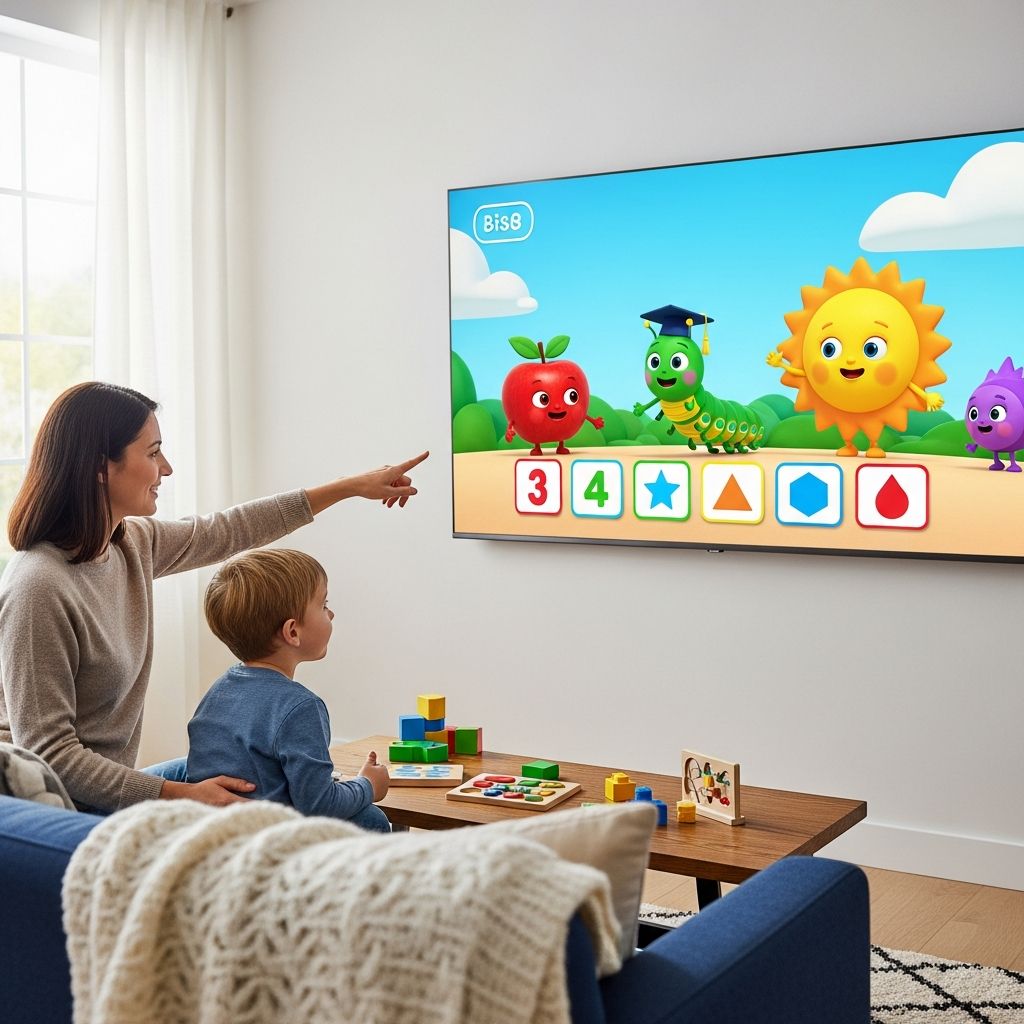
Many parents remember the Sprout channel as a rare corner of television that felt safe, gentle, and genuinely made for very young children. While that specific brand has changed, the underlying idea—a lineup of slow-paced, kind, educational shows for preschoolers—remains as valuable as ever in a world of fast, noisy content.
This guide helps parents recreate that Sprout-like experience at home: how to choose shows that match its friendly, low-stress vibe, how to use them to support learning and routines, and how to keep screen time calm instead of chaotic.
What Made Sprout-Style Shows Feel Different?
Sprout programming leaned into simple stories, soft visuals, and clear social lessons, making it easier for toddlers and preschoolers to follow along without getting overwhelmed. Instead of rapid-fire jokes or intense action, these shows favored routine, repetition, and predictable formats that built a sense of safety.
Parents often describe that era of preschool TV as quieter and more intentional, in contrast to today’s algorithm-driven clips and highlight reels. Recreating that atmosphere is less about one specific channel and more about choosing shows with similar qualities: warmth, patience, and a clear educational purpose.
- Gentle pacing instead of constant jump cuts.
- Friendly, non-threatening characters and conflicts.
- Emphasis on preschool skills like sharing, counting, and naming emotions.
- Hosts and characters who speak slowly and directly to young viewers.
Key Qualities of Calm, Educational Preschool Shows
When evaluating modern preschool content, parents can borrow the underlying criteria that made Sprout-style shows work so well. Rather than relying on brand names alone, look closely at how each show feels and functions in your child’s day-to-day life.
Below are some core elements to look for when you want something that is both developmentally appropriate and emotionally soothing.
1. Slow, Predictable Pacing
Preschoolers benefit from content that moves slowly enough for them to track cause and effect, notice details, and rehearse what they have just learned. Shows that revisit the same structure each episode (for example, a familiar opening song, a simple problem, and a calm resolution) mirror the predictability of beloved routines.
Short episodes or segments can also help young kids transition more easily, making it simpler to turn the TV off without meltdowns when the story naturally ends.
2. Clear Social-Emotional Lessons
The best preschool shows treat kindness, empathy, and conflict resolution as core curriculum, not background themes. Characters routinely model taking turns, apologizing, naming their big feelings, and asking for help.
This kind of repeated modeling can reinforce what parents are already teaching: that frustration, jealousy, and disappointment are normal, and that there are gentle ways to handle them.
3. Age-Appropriate Educational Content
Classic preschool TV often wrapped learning around simple stories: counting snacks, recognizing shapes in the park, or using words to describe weather. Today’s shows can still do that—what matters is that the information stays concrete and connected to daily life.
For very young kids, focus on shows that emphasize:
- Early literacy: letters, sounds, basic vocabulary.
- Early math: counting, comparing sizes, simple patterns.
- Science basics: seasons, animals, simple cause and effect.
- Life skills: routines like bedtime, brushing teeth, or cleaning up.
4. Warm, Reassuring Tone
A Sprout-like atmosphere is as much about tone as content. Look for gentle voices, soft color palettes, and a general lack of shouting or mocking humor. Characters can disagree, but the show should guide them back to understanding, not humiliation.
Parents who grew up with calmer TV often seek that same energy for their children because it helps keep the emotional temperature in the home lower, especially around bedtime or early mornings.
Common Preschool Show Types (and How They Help)
Modern kids’ platforms feature a wide mix of formats. Understanding the basic types makes it easier to build a balanced viewing “diet” that echoes what parents appreciated about older preschool channels.
Below is a quick overview of major formats you are likely to encounter while browsing streaming libraries.
| Show Type | Typical Features | Best For |
|---|---|---|
| Animated story series | Colorful characters, simple plots, recurring settings. | Building empathy, problem-solving, and imaginative play. |
| Live-action host with segments | Friendly adult or teen host, songs, crafts, mini-stories. | Routine-building, feeling seen by a calm, reliable guide. |
| Music and movement shows | Songs, simple choreography, call-and-response. | Gross motor skills, rhythm, burning off extra energy. |
| STEM-focused shows | Science or math themes, problem-based episodes. | Encouraging curiosity, asking questions, early reasoning. |
| Vocabulary and language shows | Word-of-the-day, rhymes, stories, and dialogue. | Expanding expressive and receptive language skills. |
How to Build a Sprout-Like Lineup at Home
Parents no longer flip to a single channel; instead, they curate from large streaming menus. Treat this as an opportunity to intentionally assemble a mini “channel” that matches your family’s values and your child’s temperament.
Rather than chasing every new release, aim for a small set of reliable shows that you and your child can return to, just as older families tuned into the same Sprout blocks daily.
Step-by-Step Screening Process
- Pre-watch one or two episodes. Observe pacing, tone, and how conflicts are resolved.
- Check how your child responds. After a trial run, ask simple questions about favorite parts and watch for overstimulation or frustration.
- Decide where the show fits. Some series work best in the morning, others before bed, and a few may be better as occasional treats rather than daily staples.
- Set a consistent schedule. Predictability helps kids accept limits because they know when the next viewing opportunity will come.
Ideas for a Gentle Weekly Mix
Think of the week as a blend of different show types, each supporting a specific skill set. This can prevent over-reliance on one single program and keeps content feeling fresh without constant scrolling.
- 2–3 story-based shows that model friendship and problem-solving.
- 1–2 music or movement-based shows for rainy-day wiggles.
- 1 science- or nature-themed show to spark questions about the world.
- 1 language- or reading-focused show for emerging literacy.
Using Shows to Support Daily Routines
One strength of the Sprout era was its use of time-specific blocks—morning, nap, bedtime—that guided how families used TV. You can recreate this structure at home, treating certain shows as cues for different parts of the day.
When children associate a calm show with, for example, winding down after dinner, the content becomes part of the routine rather than a constant background distraction.
Morning: Gentle Energy and Curiosity
In the morning, many kids wake up energetic but still emotionally fragile. A short, warm show can smooth that transition while parents get breakfast organized.
- Keep episodes short—one or two, not an entire block.
- Favor shows that inspire questions or pretend play afterward.
- Invite participation: singing along, copying a dance move, or spotting colors in the room.
Afternoon: Quiet Time and Rest
Afternoons after preschool or daycare can bring emotional fallout. This is a good window for gentle storytelling that helps kids process their day. Focus on shows that have low stakes, predictable endings, and minimal loud surprises.
For kids who no longer nap, an afternoon viewing block can serve as “quiet time,” giving caregivers a short break while the child’s nervous system settles.
Evening: Wind-Down and Connection
In the evening, choose the softest shows you have—episodes with lullaby-like music, dimmer color palettes, and slow movement. Avoid anything with cliffhangers, intense suspense, or robust physical comedy that ramps up energy.
Consider watching together, then turning the TV off and carrying one element of the show (a song, a story idea, a character’s comforting phrase) into your bedtime routine.
Red Flags: When a Show Is Not a Good Fit
Just because a show is marketed to kids does not mean it matches your child’s age, personality, or needs. A big part of recreating that Sprout sense of safety is knowing when to say “this isn’t for us” and moving on without guilt.
Notice your child’s behavior during and after episodes and treat that as important feedback rather than focusing only on ratings or reviews.
- Overstimulation: Your child is more hyper, irritable, or defiant after watching.
- Confusing or scary themes: Frequent nightmares, new fears, or repeated questions about upsetting scenes.
- Mocking humor or mean-spirited jokes: Characters who constantly tease or bully may normalize behavior you do not want repeated.
- Too much product focus: Episodes that feel like extended toy ads can create more arguments and material cravings.
Making Screen Time Interactive (Without Extra Apps)
One hallmark of many beloved preschool series is a host or character speaking directly to children and inviting simple participation. You can enhance that interactivity even further through low-effort, offline activities tied to the shows you choose.
These small extensions help turn passive watching into active learning, while still staying within a calm, Sprout-like vibe.
Simple Extensions You Can Try
- Retell the story: After an episode, ask your child what happened first, next, and last, using toys or drawings.
- Copy the routine: If a character sings a clean-up song, use the same tune when your child picks up toys.
- Observation games: Pause a scene and ask, “How many red things can we see?” or “What shapes do you notice?”
- Emotion check-in: When a character feels sad or frustrated, pause briefly and ask, “Have you ever felt that way?”
FAQs About Sprout-Style Preschool TV
1. How much TV is okay for my preschooler?
Recommendations vary, but many experts encourage limiting total screen time for preschoolers and prioritizing high-quality content watched with intention. Rather than focusing only on the exact number of minutes, look at how your child behaves, sleeps, and plays; if TV is crowding out active play, reading, or social interaction, it may be time to scale back.
2. Is it better to rewatch the same shows or offer lots of variety?
Repetition is actually helpful for young children. Watching the same calmly paced show or episode multiple times supports comprehension and language, and it can make transitions smoother because they know exactly what to expect. You do not need a huge rotation; a small library of trusted shows is often enough.
3. What if my child prefers faster, louder shows?
Many kids are magnetized by high-intensity content because it stimulates the brain quickly, but that does not mean it is the best match for their nervous systems. You can gradually shift their preferences by introducing calmer shows during predictable windows, limiting access to overstimulating series, and watching together at first so that your enthusiasm helps sell the new routine.
4. How can I tell if a show is truly educational?
A show can call itself educational and still offer very little real learning. Look for clear, repeated exposure to specific skills (like counting, vocabulary, or problem-solving), not just a rush of colors and songs. Quality shows give kids time to think, respond, and connect ideas rather than only delivering entertainment.
5. Do I need to watch every episode with my child?
Constant co-viewing is not realistic for most families. Aim to preview new shows and occasionally sit down for full episodes, especially at the beginning, so you understand what your child is absorbing. Once you trust a series, you can step away more often while still checking in about favorite characters and storylines.
Bringing Back the Spirit of Gentle Kids’ TV
Although the media landscape has shifted dramatically since the days when Sprout was a staple in many homes, parents can still create that same sense of calm, safety, and learning with a bit of intention. By focusing on pacing, tone, and concrete skills, families can build a small, reliable lineup that feels more like a trusted friend than an endless stream of noise.
Ultimately, the goal is not to perfectly recreate a specific channel from the past, but to reclaim the values it represented: shows that respect young children’s brains, honor their emotions, and give parents a moment of breathing room without sacrificing quality or kindness.