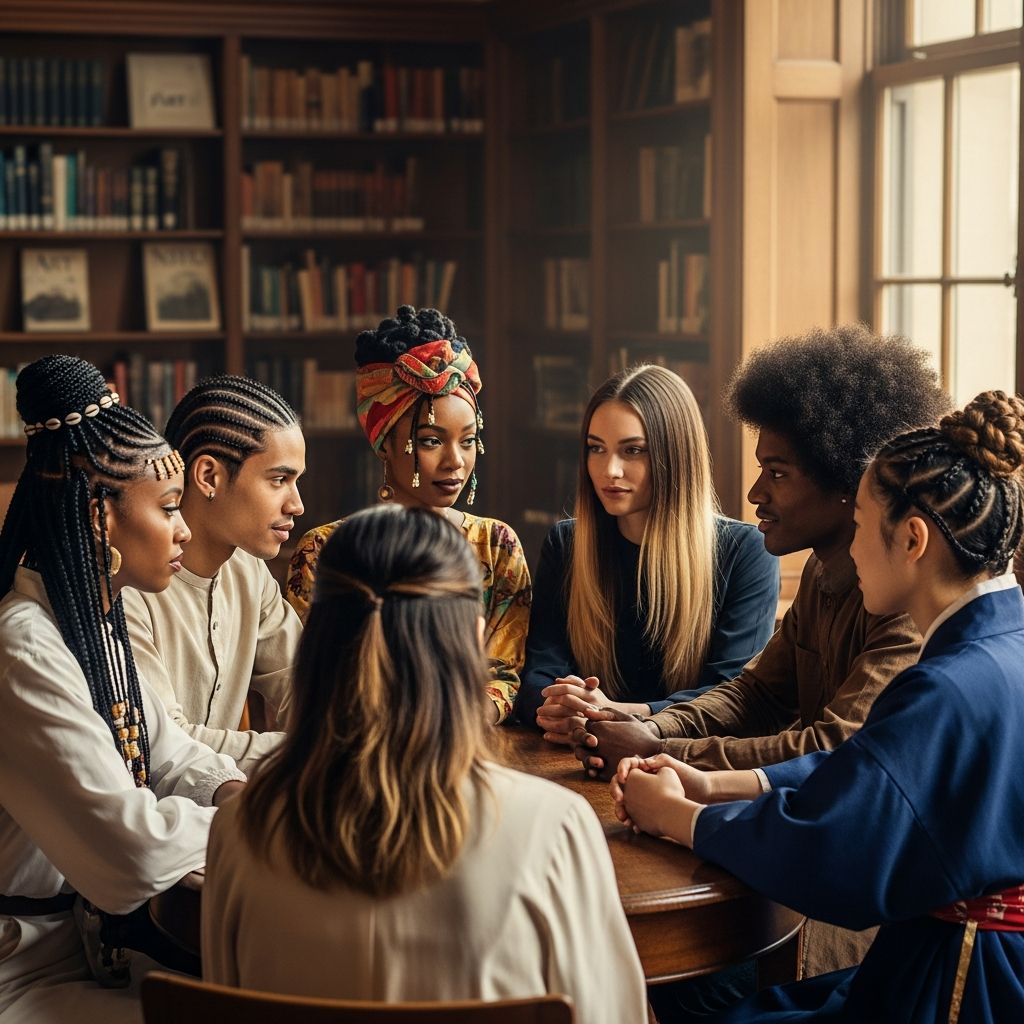
Hairstyles like cornrows, box braids, and locs carry profound cultural weight, especially within Black communities. The question of whether non-Black children should adopt these looks sparks ongoing debates about respect, creativity, and identity.
The Rich Heritage Behind Black Hairstyles
Black hairstyling traditions trace back centuries, serving practical, social, and spiritual roles in African societies. Cornrows, for instance, were not just aesthetic; they mapped escape routes for enslaved Africans during the transatlantic slave trade, embedding messages in intricate patterns. These styles symbolized resilience, community bonds, and ancestral connections, evolving through generations despite oppression.
In modern contexts, these hairstyles represent pride and innovation. From intricate feed-in braids to protective locs, they protect natural hair textures while celebrating heritage. For Black individuals, they are more than fashion—they affirm identity in a world that has often devalued coiled and kinky hair.
What Does Cultural Appropriation Mean?
Cultural appropriation occurs when elements from a marginalized group’s culture are adopted by those from dominant groups, often without understanding or honoring the original context. In hairstyling, this manifests when non-Black people wear Black styles as trends, stripping them of historical significance.
Critics argue this erodes cultural meaning. A style born from survival becomes “boxer braids” on a celebrity, praised as edgy while Black wearers face scrutiny for the same look. This double standard fosters resentment and diminishes the styles’ roots.
- Historical mapping: Braids encoded directions to freedom.
- Identity markers: Styles denoted tribe, status, and marital eligibility in Africa.
- Modern commodification: Trends popularized by influencers rename and rebrand them.
Perspectives from Black Communities
Voices within Black communities vary. Many express frustration over appropriation, viewing it as erasure. Enslaved Africans preserved culture through hair when other expressions were banned; today, seeing these styles trivialized reignites that loss.
Texturism and colorism compound issues—tighter coils deemed “less desirable” than looser waves, echoing slavery-era hierarchies where lighter skin and straighter hair received privileges. Non-Black adoption can exacerbate self-doubt among Black youth, who navigate Eurocentric beauty standards.
Yet, some advocate nuance. Biracial individuals or allies with permission might wear styles thoughtfully. The core concern: intent, education, and credit to origins.
Parental Dilemmas in Diverse Families
Parents of non-Black children often seek fun, practical hairstyles. Braids protect hair during sports or vacations, appealing universally. But should kids mimic these without context?
Consider a white child requesting cornrows for a festival. Excitement clashes with potential offense. Parents weigh self-expression against harming others. Education is key: discuss history before styling.
| Scenario | Potential Benefit | Potential Harm | Balanced Approach |
|---|---|---|---|
| Sports braids for a child | Practical protection | May mimic sacred styles | Use simpler plaits; learn origins |
| Costume party locs | Creative fun | Trivializes spiritual practice | Choose non-cultural alternatives |
| Multiracial family | Family bonding | Risk of erasure | Honor Black parent’s heritage |
Expert Guidance on Respectful Choices
Cultural experts recommend context over bans. Teach children about styles’ origins via books or documentaries. If proceeding, source Black stylists and avoid renaming (e.g., no “festival braids”).
In schools, policies evolve. Some ban hoops or certain lengths to curb bias, but advocates push for education on natural hair acceptance. The CROWN Act, passed in over a dozen U.S. states by 2023, prohibits hair discrimination, signaling growing recognition.
For parents:
- Research thoroughly.
- Consult Black friends or stylists.
- Prioritize child’s natural texture first.
- Encourage appreciation, not imitation.
Fostering Cultural Appreciation at Home
Turn potential conflict into learning. Expose kids to global hairstyles respectfully—African festivals, Indigenous braiding traditions worldwide. Discuss colonialism’s role in cultural exchanges.
Activities build empathy:
- Read “Crown: An Ode to the Fresh Cut” by Derrick Barnes.
- Watch documentaries on African hair history.
- Host hairstyle sharing days crediting cultures.
This cultivates global citizens who celebrate without appropriating.
Navigating Social Media and Trends
Social media amplifies issues. Viral challenges feature non-Black influencers in locs, garnering praise while Black creators struggle for visibility. Parents monitor kids’ feeds, discussing why context matters.
Influencers like Kim Kardashian faced backlash for “boxer braids,” highlighting how fame sanitizes origins. Use these as teachable moments: What if the style stayed “cornrows”?
Legal and Workplace Realities
Beyond aesthetics, hair discrimination persists. The CROWN Act (Creating a Respectful and Open World for Natural Hair) combats bans on Black hairstyles in jobs and schools. By 2026, more states and countries adopt similar laws, influenced by global movements like the EU’s anti-discrimination directives.
For non-Black kids, this underscores respect: styles protected legally carry weight.
Frequently Asked Questions
Can white kids wear braids?
It’s possible with education and respect, but many advise against to avoid appropriation. Opt for similar protective styles suited to their hair.
Is it okay in interracial families?
Often yes, if celebrating shared heritage. Communicate openly with all family members.
What about kids with curly hair who aren’t Black?
Styles fitting natural texture (e.g., loose twists) are fine; avoid those tied to Black history.
How do I teach my child about this?
Use age-appropriate stories, videos, and discussions on cultural respect.
Are all hairstyles cultural?
Many are; braids appear globally but Black versions have unique histories.
Building Bridges Through Understanding
The debate isn’t about gatekeeping but preserving meaning. Non-Black children can admire from afar, channeling creativity into original expressions. Parents play pivotal roles in nurturing informed, empathetic future generations.
Ultimately, hairstyles unite when approached with humility. Celebrate diversity by amplifying originators, ensuring Black innovation shines undimmed.
References
- Hair Deep: The Cultural Appropriation of Black Hairstyles — UMass Open Publishing. 2023. https://openpublishing.library.umass.edu/best_text/article/id/3244/
- CROWN Act Official Page — The CROWN Coalition. 2024-01-15. https://www.thecrownact.com/
- EEOC Guidelines on Hair Discrimination — U.S. Equal Employment Opportunity Commission (.gov). 2023-09-20. https://www.eeoc.gov/wysk/what-you-should-know-about-eeoc-and-protections-against-employment-discrimination-based-race
- Hairstyles and Discrimination Study — National Urban League. 2024. https://nul.org/research-reports/hairstyles-and-discrimination