Why Busy Bags Are Essential for Preschoolers
Busy bags are compact, portable activity kits designed to keep preschoolers engaged and learning, whether at home, on the go, or during downtime. These bags promote independent play, help develop fine motor skills, and provide a screen-free alternative for entertainment. Busy bags are especially useful for parents who want to encourage creativity and problem-solving in young children, while also giving themselves a moment to recharge or focus on other tasks.
Benefits of Busy Bags for Young Learners
- Encourage independent play and self-reliance.
- Support the development of fine motor skills, hand-eye coordination, and cognitive abilities.
- Offer reusable, low-cost activities that can be customized for different ages and interests.
- Provide a distraction-free, screen-free option for entertainment and learning.
- Help children practice patience, focus, and problem-solving skills.
How to Make Your Own Busy Bags
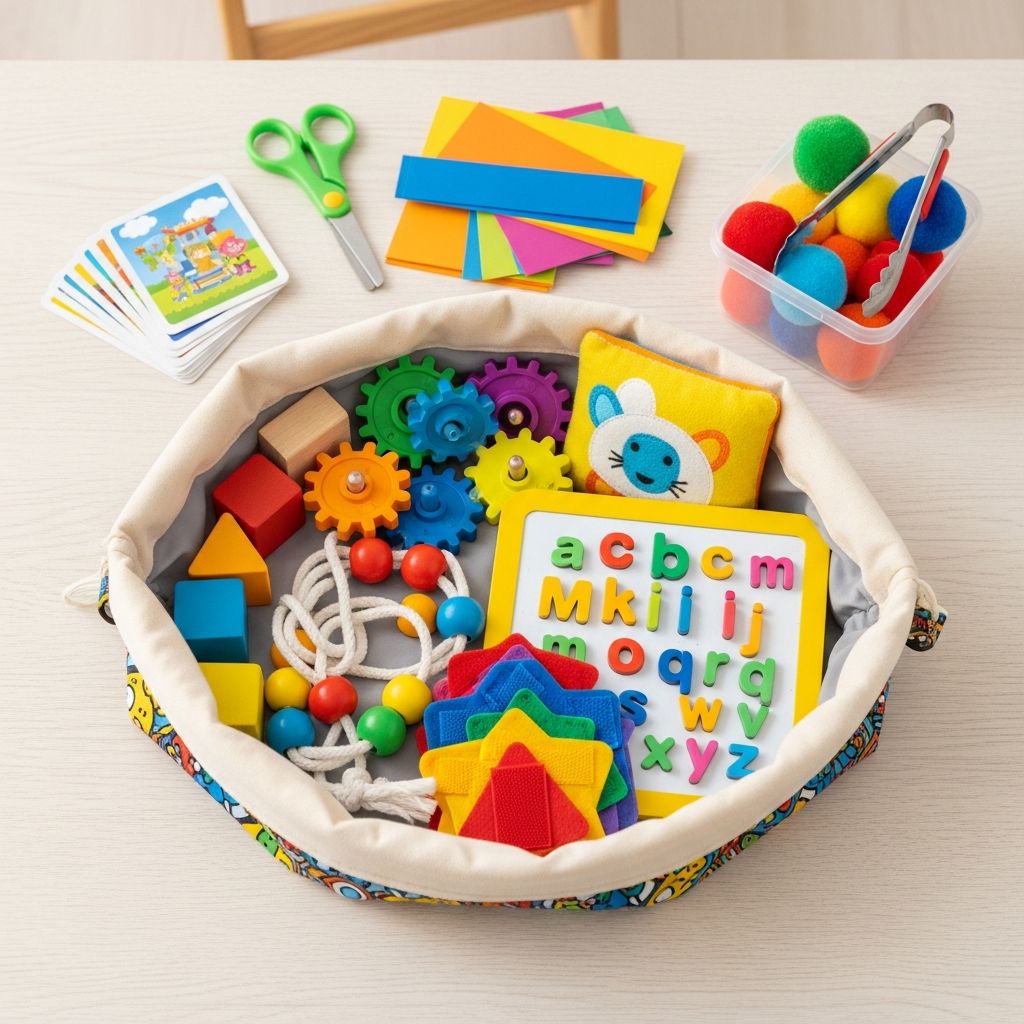
Creating busy bags is simple and affordable. Start by gathering small containers or resealable bags, and fill them with materials that match your child’s interests and developmental stage. Use items you already have at home, such as pom-poms, buttons, felt shapes, or pipe cleaners. Each bag should include a clear activity or challenge, and a simple instruction note if needed.
Materials to Include
- Small manipulatives (buttons, beads, pom-poms)
- Felt or foam shapes
- String, pipe cleaners, or ribbons
- Colorful clothespins or clips
- Mini containers or cups
- Printable cards or templates (optional)
Top Busy Bag Ideas for Preschoolers
Color Sorting Challenge
Fill a bag with colored pom-poms and small cups or containers. Ask your child to sort the pom-poms by color, using tweezers or fingers to pick them up. This activity strengthens fine motor skills and color recognition.
Button Snake Craft
Create a felt snake with slits and a ribbon threaded through. Attach a button to one end. Children can practice buttoning the snake together, which helps with hand-eye coordination and fine motor development.
Shape Matching Game
Use foam or felt shapes and a matching board or template. Children can match each shape to its corresponding outline, improving shape recognition and problem-solving skills.
Geoboard Adventure
Make a simple geoboard using a foam board and push pins. Include rubber bands or string for children to create shapes and patterns. This activity encourages creativity and spatial awareness.
Word Building Kit
Include letter tiles or cards and a simple word-building mat. Children can practice spelling their name or simple words, supporting early literacy skills.
Busy Bag Tips for Parents
- Rotate activities regularly to keep things fresh and exciting.
- Include a mix of sensory, fine motor, and cognitive activities for balanced development.
- Use themed bags for holidays, seasons, or special interests.
- Keep instructions simple and clear for independent play.
- Involve your child in making the bags to increase engagement.
Busy Bag Activity Table
| Activity | Skill Developed | Materials Needed |
|---|---|---|
| Color Sorting | Fine motor, color recognition | Pom-poms, cups, tweezers |
| Button Snake | Fine motor, hand-eye coordination | Felt, ribbon, button |
| Shape Matching | Shape recognition, problem-solving | Foam/felt shapes, board |
| Geoboard | Creativity, spatial awareness | Foam board, pins, rubber bands |
| Word Building | Literacy, spelling | Letter tiles, mat |
Frequently Asked Questions
What age are busy bags best for?
Busy bags are ideal for preschoolers ages 3–6, but can be adapted for toddlers and older children by adjusting the difficulty of the activities.
How often should I change the busy bags?
Rotating the bags every week or two helps keep children engaged and excited about new activities.
Can busy bags be used for travel?
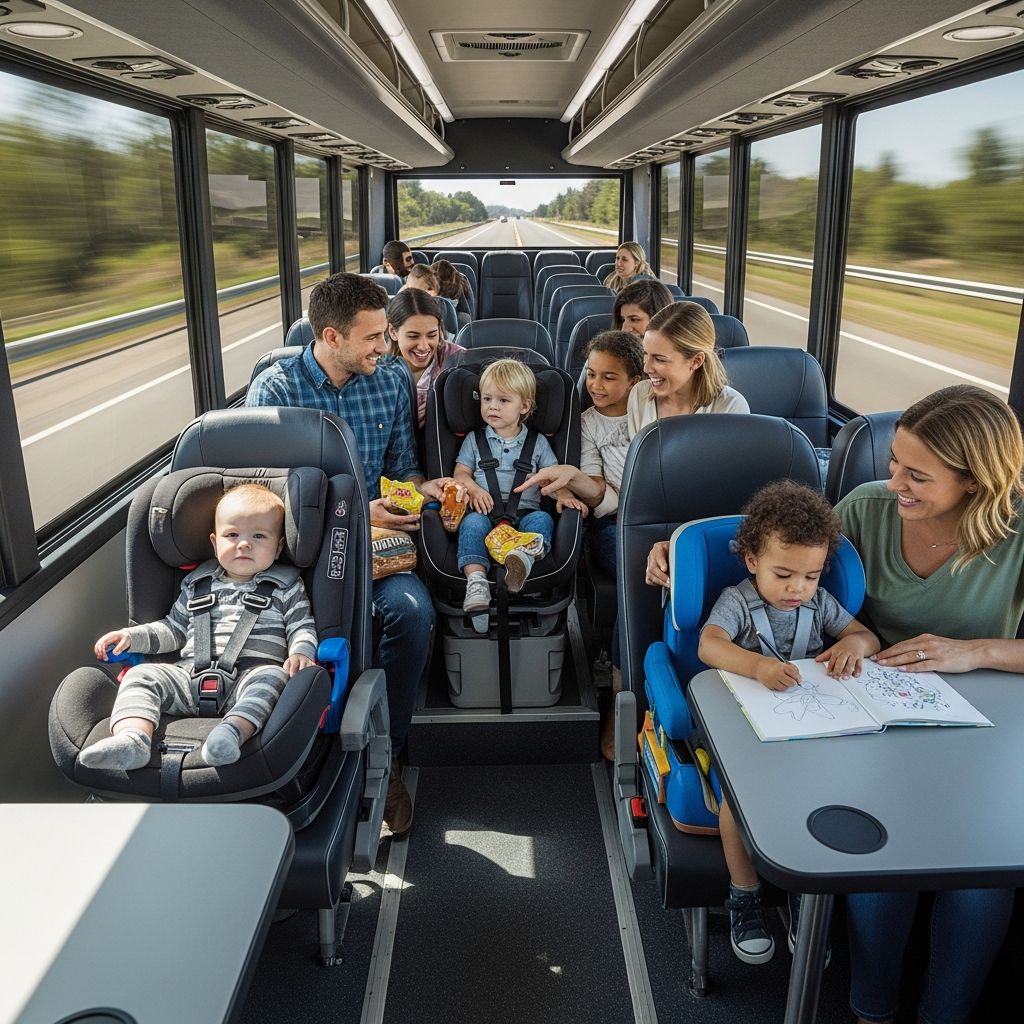
Absolutely! Busy bags are perfect for travel, waiting rooms, or any situation where you need a portable, quiet activity.
Are busy bags reusable?
Yes, most busy bags are designed to be reused multiple times, making them a cost-effective and eco-friendly option.
How do I store busy bags?
Store busy bags in a labeled container or drawer for easy access. Keep them organized by theme or activity type.
Busy bags are a simple, effective way to keep preschoolers entertained while supporting their learning and development. With a little creativity and some basic supplies, parents can create engaging, reusable activities that foster independence and creativity in young children.