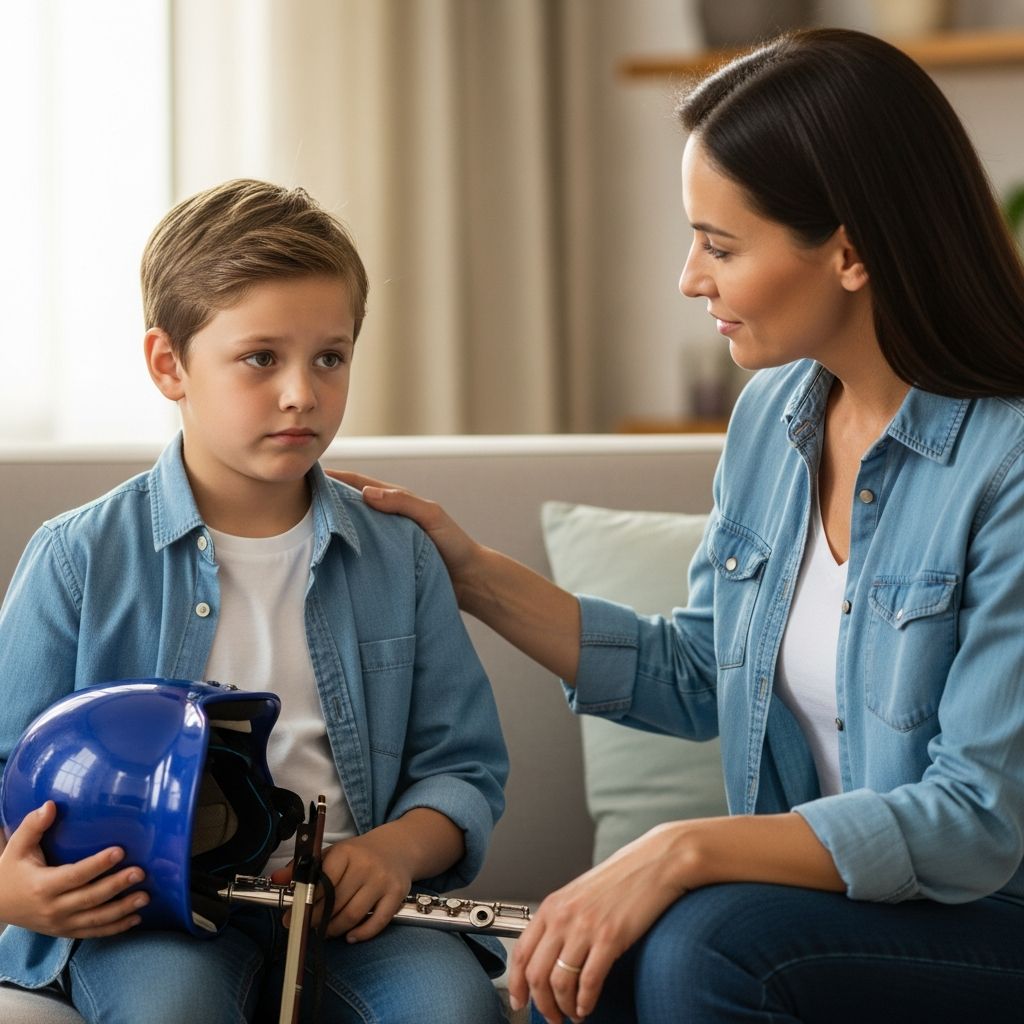
Navigating a child’s desire to abandon an extracurricular pursuit presents a pivotal parenting challenge. Balancing the cultivation of persistence with recognition of genuine disinterest requires discernment to support healthy emotional and social growth.
Understanding the Pull of Extracurricular Involvement
Extracurricular pursuits offer children avenues for skill acquisition, social bonding, and personal achievement. Participation in team sports, arts programs, or clubs fosters discipline, teamwork, and self-confidence while providing structured outlets away from digital screens.
These activities contribute to holistic development by enhancing time management abilities and peer interactions. Experts emphasize setting clear expectations prior to enrollment to align family commitments with a child’s capacity, preventing early disillusionment.
- Skill development through consistent practice.
- Boosted confidence from mastering new abilities.
- Improved social dynamics via group collaboration.
- Structured routines that promote responsibility.
The Hidden Costs of Premature Exits
Frequent quitting can erode a child’s self-perception and relational skills. Abandoning commitments may instill a sense of failure, diminishing motivation for future endeavors and hindering resilience against adversity.
Children who habitually disengage risk isolation from peers and underdeveloped coping mechanisms. This pattern undermines the perseverance essential for academic and personal triumphs, as repeated withdrawals reinforce avoidance over problem-solving.
| Potential Negative Impacts | Long-Term Effects |
|---|---|
| Lowered self-esteem | Persistent feelings of inadequacy |
| Weakened social ties | Increased loneliness and isolation |
| Reduced grit | Struggles with goal attainment |
Fostering Perseverance Without Overload
Encouraging commitment involves strategic guidance rather than rigid enforcement. Parents should actively listen to concerns, validating emotions while introducing tools for endurance.
Break challenges into manageable segments, celebrating incremental victories to sustain engagement. Goal-setting frameworks help children visualize progress, transforming daunting tasks into achievable milestones.
- Establish realistic, short-term objectives.
- Implement problem-solving techniques for hurdles.
- Emphasize effort over innate talent.
- Provide positive reinforcement for persistence.
In martial arts or similar progressive disciplines, structured advancement through belts or levels maintains interest by offering visible growth and community support, countering boredom or stagnation.
Recognizing Valid Reasons for Stepping Away
Not all desires to quit stem from weakness; some signal necessary pivots. Persistent anxiety, physical symptoms like sleep disturbances, or outright dread before sessions indicate deeper issues warranting intervention.
If an activity induces chronic stress or conflicts with core well-being, withdrawal preserves mental health. Over-scheduling exacerbates this, as children need unstructured play for creativity and rest.
Red Flags for Quitting
- Physical complaints (headaches, stomachaches).
- Reluctance or tears before attending.
- Sudden performance drops or withdrawal.
- Interpersonal conflicts unresolved by coaches.
Navigating the Decision-Making Process
Begin with open dialogue to uncover root causes—be it mismatched peers, skill gaps, or waning passion. Explore alternatives like coach discussions or role adjustments before full exit.
Compromises, such as committing to season’s end, teach accountability without indefinite suffering. This honors team dependencies while modeling graceful transitions.
- Probe specific grievances thoroughly.
- Assess family logistics and costs.
- Propose trial modifications.
- Set firm timelines for evaluation.
Transitioning to Fresher Pursuits
Quitting need not equate defeat; it can liberate energy for aligned interests. Guide explorations into novel domains, framing change as strategic evolution rather than retreat.
Supportive pivots reinforce adaptability, a vital life competency. Emphasize learning from experiences, ensuring new commitments include reflection on past lessons.
Striking the Right Balance in Schedules
Modern childhoods brim with options, risking burnout from perpetual busyness. Balance demands intentional downtime alongside select engagements, prioritizing quality over quantity.
Routines with predictable slots aid stability, yet free play nurtures imagination. Parents must evaluate if activities enrich or drain, adjusting to safeguard joy and spontaneity.
| Balanced Schedule Elements | Benefits |
|---|---|
| 2-3 structured activities weekly | Skill-building without exhaustion |
| Daily unstructured play | Creativity and stress relief |
| Family downtime | Emotional recharge |
Age-Appropriate Strategies for Commitment
Toddlers thrive on variety, sampling broadly to discern preferences. School-age children benefit from deeper dives, learning follow-through amid growing autonomy.
Teens, facing intensified demands, require input on choices reflecting personal aspirations. Tailor encouragement to developmental stages for maximal efficacy.
- Younger kids: Short trials, frequent changes.
- Middle years: Season-long pledges.
- Adolescents: Self-directed selections with oversight.
Building a Supportive Home Environment
Parental modeling profoundly influences attitudes toward persistence. Demonstrate tenacity in your pursuits, discussing setbacks transparently to normalize resilience.
Create a judgment-free zone for voicing struggles, coupling empathy with actionable advice. This foundation equips children to self-regulate commitments independently over time.
Frequently Asked Questions
What if my child quits every activity they start?
Investigate underlying patterns like anxiety or mismatched interests. Introduce low-pressure options with clear goals and positive feedback to rebuild confidence gradually.
Is it harmful to let kids quit mid-season?
Abrupt exits can undermine trust in teams, but planned transitions teach responsibility. Communicate early with leaders to minimize disruption.
How many activities should a child have?
Aim for balance: one sport, one creative pursuit, plus free time. Monitor for fatigue signs and prioritize rest.
Does quitting mean my child lacks grit?
Not necessarily; strategic exits demonstrate maturity. True grit emerges from discerning worthwhile battles.
Can quitting boost mental health?
Yes, when it alleviates chronic stress. Pair with new engagements to maintain growth momentum.
References
- Throwing in the towel: When is it okay to let your child quit — Children’s Wisconsin. 2023-11-01. https://childrenswi.org/at-every-turn/stories/2023/11/quitting
- Should You Let Your Kid Quit? – Charlotte Parent — Charlotte Parent. 2023-10-15. https://www.charlotteparent.com/?p=117860
- Why Kids Quit Activities | Building Commitment Through Martial Arts — Martial Arts WA. 2024-05-20. https://martialartswa.com/blog/why-kids-quit-a-martial-artists-perspective-on-building-lasting-commitment
- Should You Let Your Kid Quit an Extracurricular Activity? — Starglow Media. 2023-09-10. https://www.starglowmedia.com/blog/let-child-quit-after-school-activity
- Why We Allow Our Kids to Quit a Sport or Activity — New Orleans Mom. 2024-02-14. https://neworleansmom.com/perspectives-in-parenting/why-we-allow-our-kids-to-quit-a-sport-or-activity/