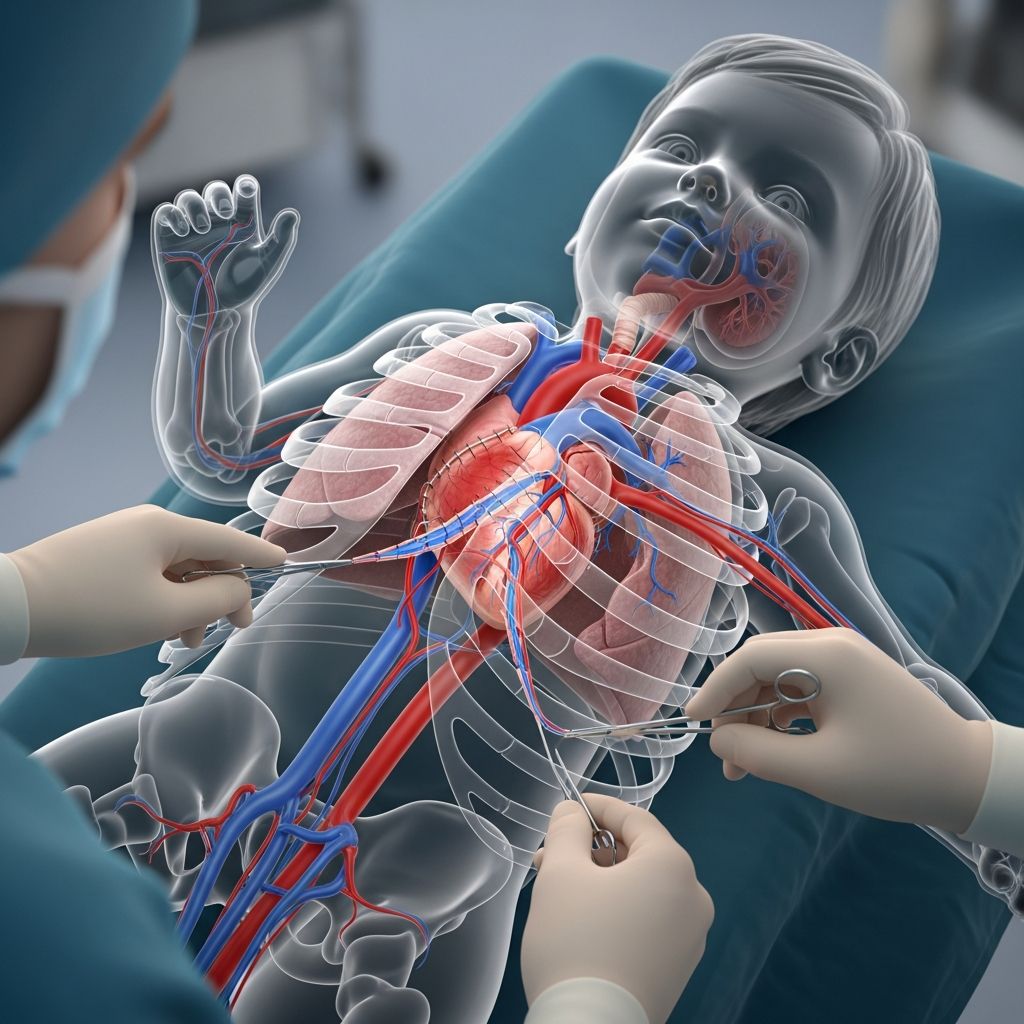
Gallstones in children, also called pediatric cholelithiasis, are being diagnosed more often as ultrasound is used more widely in kids with stomach pain. Although gallstones are more common in adults, they can cause significant pain and complications in children, so early recognition and proper care are important.
What Are Gallstones and the Gallbladder?
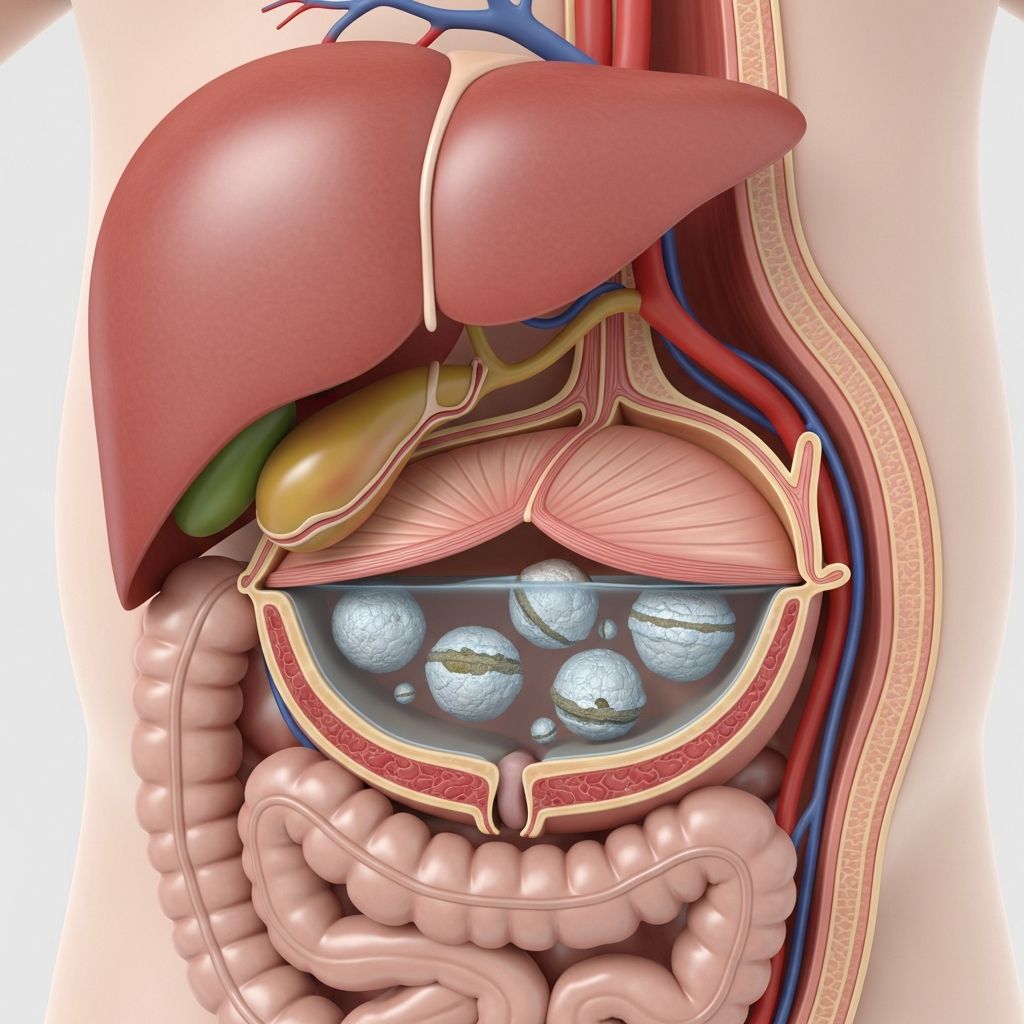
The gallbladder is a small, pear-shaped organ under the liver. It stores bile, a yellow-green fluid made by the liver that helps digest fats. When your child eats, the gallbladder squeezes bile into small tubes (bile ducts) that lead to the small intestine.
Gallstones are solid particles that form when substances in bile—like cholesterol or pigments—clump together and harden. When this happens in the gallbladder, doctors call it cholelithiasis.
| Term | Meaning |
|---|---|
| Gallbladder | Small organ that stores bile under the liver |
| Gallstones (cholelithiasis) | Stones made of hardened bile in the gallbladder |
| Choledocholithiasis | Gallstones that move into and block the main bile duct |
| Cholecystitis | Inflammation or infection of the gallbladder, often from a stone |
Why Do Children Develop Gallstones?
Many children with gallstones have one or more underlying risk factors, but stones can also appear in otherwise healthy kids. In some, gallstones are found by accident during imaging for another reason and cause no symptoms.
Common Risk Factors in Children
- Blood (hemolytic) disorders such as sickle cell disease or hereditary spherocytosis, which break down red blood cells faster and increase pigment in bile.
- Obesity or rapid weight gain, which can raise cholesterol levels in bile.
- Rapid weight loss or very low-calorie diets, which change how bile is produced and stored.
- Long-term IV (intravenous) nutrition (total parenteral nutrition) used in some children with intestinal or feeding problems.
- Certain medicines, for example:
- Some hormone-related drugs, including birth control pills in teens.
- Specific antibiotics or other medications that affect bile.
- Previous abdominal or bariatric surgery in adolescents, which can alter bile composition and gallbladder emptying.
- Family history of gallstones in parents or close relatives.
- Prematurity or early life factors (in some infants), such as prolonged hospitalization or certain infections.
Not every child with these risk factors will develop gallstones, and some children with stones have no obvious cause. Your child’s doctor will consider the whole picture, including medical history and symptoms, before deciding on next steps.
Recognizing Symptoms: When Gallstones Cause Trouble
Some gallstones are silent and never cause problems. Others can trigger sudden, severe pain or even serious complications. Symptoms depend on where the stone is and whether it blocks the flow of bile.
Typical Gallstone Pain (Biliary Colic)
The most common symptom is pain in the upper belly.
- Pain in the upper right or middle upper part of the abdomen
- Pain that may:
- Start or worsen after meals, especially after fatty or greasy foods
- Spread to the back or between the shoulder blades
- Feel sharp, cramping, or a steady dull ache
- Come and go in waves, lasting minutes to hours
- Children may look pale, curl up, or avoid moving because of the pain
Signs of a Blocked Bile Duct
If a stone blocks a duct that carries bile, your child may have more serious symptoms.
- Nausea and vomiting
- Fever, chills, or sweats
- Jaundice – yellow color of the skin or whites of the eyes
- Dark urine or pale (light-colored) stools
- More severe or constant abdominal pain
These symptoms can indicate infection or blockage and should be treated as urgent. Call your child’s doctor or seek emergency care.
Possible Complications of Gallstones
- Acute cholecystitis: Infection and inflammation of the gallbladder, usually from a stone stuck at its outlet.
- Choledocholithiasis: Stones in the main bile duct, which can block bile flow and damage the liver or pancreas.
- Pancreatitis: Inflammation of the pancreas caused by a stone blocking the shared duct; this is one of the most common serious complications of gallstones in kids.
How Doctors Diagnose Gallstones in Children
Diagnosis usually begins with a careful history and physical exam, followed by tests to look at the gallbladder and bile ducts.
Medical History and Physical Examination
- Questions about pain location, timing, and triggers (such as meals)
- Review of medications, prior surgeries, and other health conditions
- Review of family history of gallstones or blood disorders
- Checking for tenderness in the upper right abdomen, fever, or jaundice
Common Tests
- Blood tests to check:
- Liver function and bile flow (including bilirubin levels)
- Signs of infection, such as elevated white blood cells
- Pancreatic enzymes (if pancreatitis is suspected)
- Abdominal ultrasound:
- Main test to detect gallstones and gallbladder inflammation
- Painless and does not use radiation
- HIDA scan (hepatobiliary iminodiacetic acid scan):
- A nuclear medicine imaging study that tracks the flow of bile
- Helps detect blockages and assess gallbladder function
- MRCP (magnetic resonance cholangiopancreatography):
- An MRI-based test that creates detailed images of bile ducts and the pancreas
- Useful to look for stones in the common bile duct
- ERCP (endoscopic retrograde cholangiopancreatography):
- Combines endoscopy and X-rays to see and treat stones in bile ducts
- Usually done when a blocking stone needs to be removed
Treatment Options: When Is Surgery Needed?
Treatment depends on whether your child has symptoms and whether there are complications. Many centers follow similar principles, based on pediatric studies and expert guidelines.
Watchful Waiting for Silent Gallstones
If gallstones are found by chance and your child has no symptoms and no complications:
- Your doctor may recommend observation with regular checkups and sometimes repeat ultrasound.
- You will be asked to watch for new symptoms such as upper right abdominal pain, nausea, or jaundice.
- Surgery is usually not urgent in this situation, but may be considered if risk factors are high (for example, in some hemolytic conditions) or if stones begin to cause problems.
Medical Management
Medicine alone rarely cures gallstones in children:
- Pain and nausea medicines may be used to relieve symptoms during an attack.
- Antibiotics may be needed if there is a suspected gallbladder infection.
- Some centers may use bile acid medicines in selected cases, but stones often return and this is generally not a long-term solution for symptomatic children.
Gallbladder Removal (Cholecystectomy)
Surgery to remove the gallbladder, called cholecystectomy, is the most reliable treatment for gallstones that cause symptoms or complications in children.
- Usually recommended when:
- Your child has repeated bouts of gallstone pain
- There is gallbladder infection (cholecystitis)
- Stones block bile flow or cause pancreatitis
- Most children have laparoscopic cholecystectomy:
- Performed through several small cuts in the abdomen
- A camera and thin instruments are used to remove the gallbladder
- Usually less pain, smaller scars, and quicker recovery than open surgery
- Open surgery (a larger incision) is rarely needed, usually for complex cases.
What Happens If Stones Are in the Main Bile Duct?
When stones move into and block the common bile duct, they can cause jaundice, infection, or pancreatitis.
- Doctors may use ERCP to locate and remove stones from the duct.
- ERCP may be done before or after gallbladder surgery, depending on the situation.
- In rare complex cases, other procedures (such as bypass surgeries on the bile ducts) may be required in specialty centers.
Life Without a Gallbladder: What Parents Should Know
Children can live a healthy life without a gallbladder. After surgery, bile flows directly from the liver into the intestine instead of being stored in the gallbladder.
Short-Term Recovery
- Most children go home the same day or after a short hospital stay, depending on their overall condition.
- Pain medicines are given as needed; discomfort usually improves within a few days.
- Your child will have small bandages over the incisions that must be kept clean and dry until healed.
- Activity restrictions are usually brief; many kids return to school within 1–2 weeks, depending on age and healing.
- A follow-up visit, often 2–3 weeks after surgery, checks incision healing and overall recovery.
Long-Term Outlook
- Most children do not need long-term special diets after recovery, though some are sensitive to very fatty meals at first.
- Digestive symptoms, if present before surgery, often improve or resolve.
- Complications from pediatric gallbladder surgery are uncommon in experienced hands.
Helping Your Child Cope and Stay Healthy
Even when surgery is routine, it can be stressful for a child and family. You can support your child by:
- Explaining in simple terms what will happen and reassuring them that gallbladder surgery is common in children.
- Encouraging questions and involving older children and teens in decisions where appropriate.
- Following your care team’s advice about pain medicine, diet, and activity during recovery.
- Attending all follow-up visits and calling the doctor if pain worsens, fever develops, or wounds look red or swollen.
When to Call the Doctor Right Away
Contact your child’s doctor or seek urgent care if your child has:
- Sudden or worsening pain in the upper right or middle upper abdomen
- Pain with fever, chills, or vomiting
- Yellow skin or eyes (jaundice)
- Very dark urine or very light-colored stools
- Signs of dehydration (dry mouth, no tears, peeing very little)
- Pain that does not improve with usual medicines or keeps coming back
Frequently Asked Questions (FAQs)
Q: Can a child outgrow gallstones without treatment?
Some children with small, silent gallstones never develop symptoms, and the stones may remain stable or sometimes disappear. However, once a child has repeated pain or complications, surgery is usually the safest and most reliable option.
Q: Is gallbladder surgery safe for kids?
Yes. Laparoscopic cholecystectomy has become a standard and generally safe operation for children with gallstones when performed by experienced pediatric surgeons. Most children recover quickly and return to normal activities within a few weeks.
Q: Will my child need a special diet after gallbladder removal?
Right after surgery, doctors may suggest small, light meals and gradually reintroducing regular foods. Long term, most children eat a typical diet, though some do better limiting very fatty or greasy foods if they cause discomfort.
Q: Can gallstones come back after the gallbladder is removed?
Removing the gallbladder removes the main place where stones form, so recurrence is uncommon. Rarely, stones can form later in the bile ducts themselves, especially in children with ongoing risk factors or certain blood disorders, which is why follow-up with your child’s doctor remains important.
Q: Who should manage my child’s gallstone disease?
Care is often shared between a pediatrician, a pediatric gastroenterologist, and a pediatric surgeon. Children with complex conditions, such as blood disorders or previous abdominal surgery, benefit from evaluation at centers experienced in pediatric gallbladder and bile duct disease.
References
- Management of gallstone disease in children: a new protocol based on the experience of a tertiary center — Poddighe D, et al. Journal of Pediatric Surgery (Elsevier). 2012-11-21. https://pubmed.ncbi.nlm.nih.gov/23163994/
- Gallstones — GiKids / North American Society for Pediatric Gastroenterology, Hepatology and Nutrition (NASPGHAN). Updated 2022. https://gikids.org/digestive-topics/gallstones/
- Pediatric Gallbladder Disease — Penn State Health Children’s Hospital. 2021. https://www.pennstatehealth.org/childrens/services-treatments/gallbladder-disease
- Gallstones in Children — Seattle Children’s Hospital. 2023. https://www.seattlechildrens.org/conditions/gallstones/
- Gallbladder Disease in Children — American Academy of Pediatrics / HealthyChildren.org. 2023. https://www.healthychildren.org/English/health-issues/conditions/abdominal/Pages/Gallbladder-Disease-in-Children.aspx
- Gallstones in Children: Causes & Treatment — Children’s Minnesota. 2020. https://www.childrensmn.org/services/care-specialties-departments/surgery/conditions-and-services/gastrointestinal-surgery/gallstones/
- Gallbladder, Gallstones, and Diseases of the Gallbladder in Children — Dutta S, et al. Pediatrics in Review (American Academy of Pediatrics). 2020-12-01. https://publications.aap.org/pediatricsinreview/article/41/12/623/35360/Gallbladder-Gallstones-and-Diseases-of-the