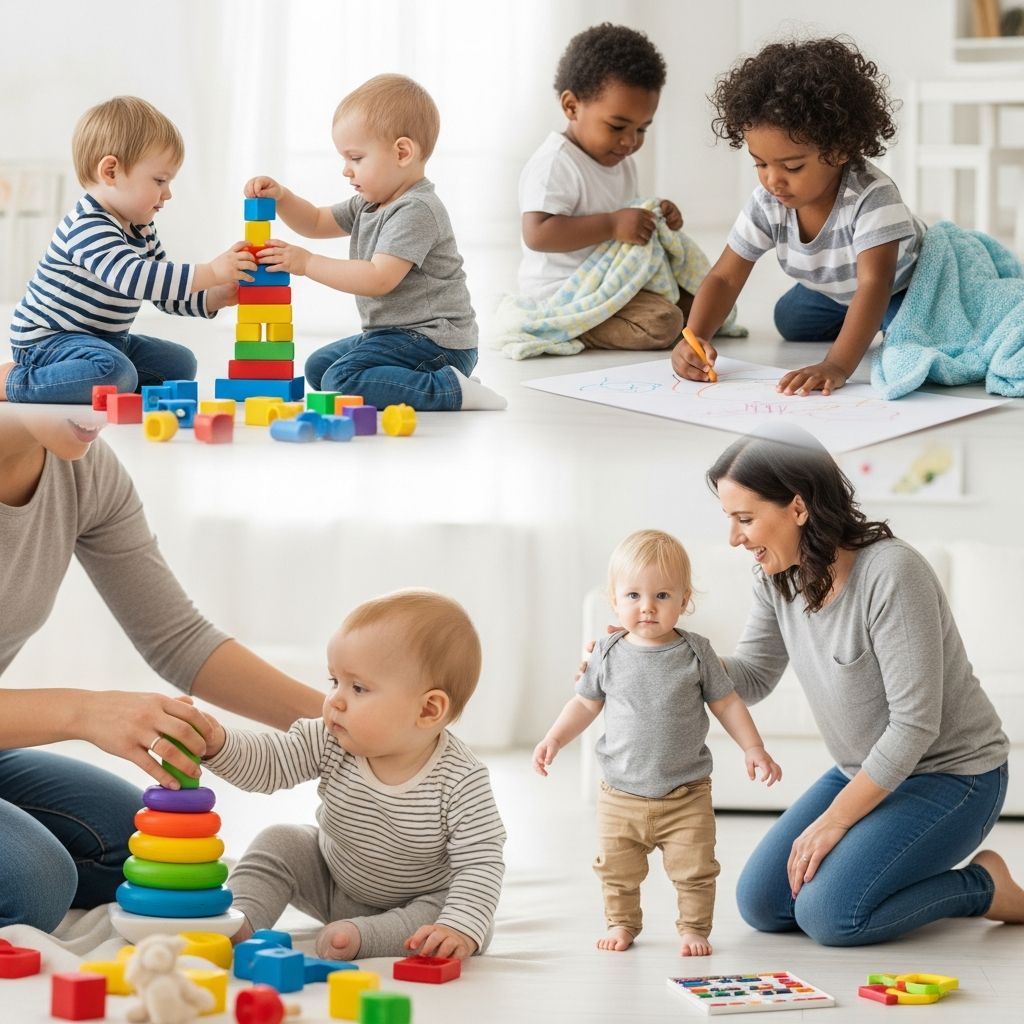
Tracking your child’s progress through various stages is a cornerstone of effective parenting. These markers of development offer insights into how your little one is advancing in key areas like movement, thinking, social interactions, emotions, and communication. Understanding these benchmarks empowers parents to celebrate achievements, provide targeted encouragement, and recognize when professional input might be beneficial.
Why Developmental Benchmarks Matter for Families
Developmental benchmarks represent skills or behaviors that most children achieve by specific ages, typically those attained by at least 75% of kids. They span multiple domains and serve as a practical framework for observing growth. Parents who familiarize themselves with these indicators can foster environments rich in stimulation, intervene promptly if needed, and collaborate confidently with healthcare providers during routine check-ups.
Recognizing these stages also builds parental confidence. For instance, witnessing a baby grasp a toy or a toddler string words into sentences highlights the remarkable pace of early years. Early awareness of potential delays—such as limited babbling by 12 months—can lead to therapies that significantly improve outcomes, as supported by health authorities.
Physical Movement and Motor Achievements
Physical development encompasses gross motor skills, which involve large muscle groups for actions like crawling or jumping, and fine motor skills for precise tasks like pinching or drawing. These milestones lay the foundation for independence and coordination.
- Birth to 2 Months: Lifts head briefly during tummy time, tracks objects with eyes, and starts to open hands.
- 4 Months: Rolls from front to back, grasps rattles, and pushes up on elbows.
- 6 Months: Sits with minimal support, reaches for items, and transfers objects between hands.
- 9 Months: Pulls to stand, develops pincer grasp, and bangs objects together.
- 12 Months: Stands or walks alone, uses fine pincer grasp for small items.
- 18 Months: Runs steadily, climbs stairs with help, and scribbles spontaneously.
- 2 Years: Throws ball overhand, kicks a ball, and builds towers of blocks.
- 3 Years: Pedals a tricycle, jumps in place, and uses utensils competently.
- 4-5 Years: Hops on one foot, copies shapes like squares, and skips or balances well.
Encourage these skills through tummy time, safe play spaces, and toys that promote grasping. Variations exist, but consistent practice accelerates mastery.
Cognitive Thinking and Problem-Solving Progress
Cognitive milestones reflect a child’s evolving ability to explore, remember, and reason. From recognizing familiar faces to solving simple puzzles, these strides indicate brain development.
| Age Range | Key Cognitive Skills |
|---|---|
| 0-6 Months | Recognizes faces, responds to sounds, explores with mouth. |
| 6-12 Months | Understands object permanence, follows simple directions. |
| 1-2 Years | Names objects, sorts shapes, engages in pretend play. |
| 3-5 Years | Counts to 10, identifies colors, tells simple stories. |
These achievements build executive functions like memory and focus. Activities such as reading books, stacking blocks, and hide-and-seek games nurture this domain effectively.
Social Interactions and Emotional Regulation
Social-emotional growth involves forming bonds, expressing feelings, and navigating relationships. Children transition from self-focused interactions to empathy and cooperation.
- Early Months: Social smiles, enjoys face-to-face play, recognizes parents.
- 6-12 Months: Stranger anxiety emerges, plays gesture games like pat-a-cake.
- 18 Months: Shows independence, points to share interests, assists in dressing.
- 2 Years: Plays alongside peers, follows routines like clean-up.
- 3-4 Years: Pretends roles, comforts others, cooperates in groups.
- 5 Years: Follows rules in games, performs for audiences, does chores.
Responsive caregiving fosters secure attachments, crucial for emotional health. Model kindness and provide opportunities for peer play to enhance these skills.
Language and Communication Advancements
Communication milestones track the journey from coos to conversations. They include gestures, vocabulary expansion, and sentence complexity.
By 2 months, babies coo and alert to voices. At 6 months, babbling increases. First words like ‘mama’ appear around 12 months, evolving to 2-word phrases by 18-24 months, and full sentences with questions by 3-5 years. Pointing, imitating sounds, and naming body parts are intermediate steps.
Daily conversations, songs, and picture books boost language. If a child isn’t using 50 words by 2 years, consult a professional.
Age-Specific Milestone Overview
Newborn to 6 Months: Building Foundations
In these initial months, focus on sensory and basic motor skills. Babies lift heads, smile reciprocally, and vocalize. Tummy time strengthens neck muscles, while black-and-white patterns stimulate vision.
9-12 Months: Toward Mobility and Words
Crawling begins, first words emerge, and separation anxiety peaks. Offer finger foods for self-feeding and safe spaces for exploration.
15-24 Months: Toddler Independence
Walking confidently, simple instructions followed, parallel play starts. Tantrums are common as autonomy grows—respond with calm boundaries.
3-5 Years: Preschool Readiness
Complex play, counting, and social negotiation prepare for school. Encourage drawing, group activities, and emotional expression.
Supporting Your Child’s Journey
Every child develops uniquely, influenced by genetics, environment, and health. Provide nutrition, sleep, play, and love. Routine check-ups with pediatricians include milestone screenings.
Activities like singing, outdoor time, and puzzles align with stages. Limit screens under 18 months, opting for interactive engagement.
Recognizing and Addressing Delays
Delays affect 1 in 6 children. Signs include no babbling by 12 months, not walking by 18 months, or limited eye contact. The CDC recommends acting early for best results—interventions like speech therapy work wonders.
Consult your doctor if concerned. Tools like milestone trackers from reliable health sites help monitor.
Frequently Asked Questions
What if my child misses a milestone?
Some variation is normal, but discuss persistent concerns with a pediatrician for screening.
How can I encourage motor skills at home?
Use tummy time, provide graspable toys, and create obstacle courses for safe practice.
When should I worry about speech delays?
If no words by 18 months or unclear speech by 3 years, seek evaluation promptly.
Are screens okay for young kids?
AAP advises none under 18 months except video chats; quality content limited after.
How do milestones differ for boys and girls?
Generally similar, though girls may speak earlier on average.
References
- CDC’s Developmental Milestones | Learn the Signs. Act Early. — Centers for Disease Control and Prevention. 2022. https://www.cdc.gov/act-early/milestones/index.html
- Developmental Milestones: Birth to 5 years! — Stanford Medicine. Accessed 2026. https://med.stanford.edu/content/dam/sm/pediatricsclerkship/documents/5-Developmental-Milestones-MedU.pdf
- Milestone Timeline. — American Academy of Pediatrics. Accessed 2026. https://www.aap.org/en/patient-care/early-childhood/milestone-timeline/
- Child Development Milestones From Birth Through Age 18. — Norton Children’s. Accessed 2026. https://nortonchildrens.com/services/pediatrics/developmental-milestones-by-age/
- Understanding Developmental Milestones: A Guide for Parents. — Mountain Family. Accessed 2026. https://mountainfamily.org/news/understanding-developmental-milestones-a-guide-for-parents/