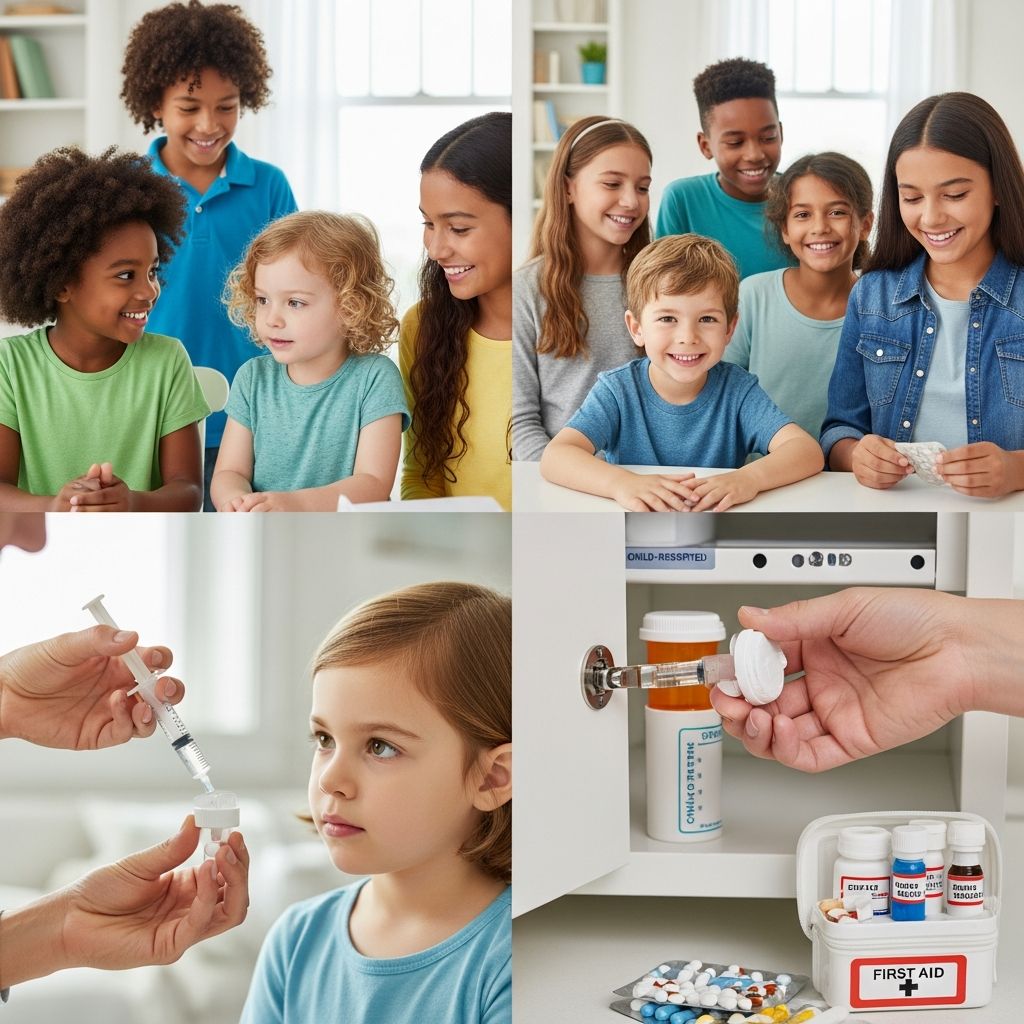
Administering medication to children requires precision and caution to avoid errors that could harm their developing bodies. Parents play a pivotal role in ensuring doses are accurate, storage is proper, and instructions are followed meticulously. This comprehensive guide draws from pediatric health experts to empower caregivers with knowledge on safe practices at home and in care settings.
Understanding Pediatric Dosing Essentials
Children’s bodies process medications differently than adults due to ongoing development of their liver, kidneys, and immune systems. Dosing must account for unique factors to prevent under- or overdosing, which can lead to ineffective treatment or toxicity.
Key considerations include the child’s weight, age, and body surface area, as these directly influence safe amounts. For instance, weight-based calculations are standard because even small variations can significantly impact efficacy and safety in young patients. Clinically approved ranges guide providers in tailoring prescriptions.
- Weight: Primary metric; dosages often mg/kg formulas.
- Age: Guides form selection, e.g., liquids for infants.
- Body Surface Area (BSA): Used for complex therapies like chemotherapy.
| Age Group | Preferred Form | Dosing Factors |
|---|---|---|
| Infants <12 months | Liquid/syrup | Weight, ml via syringe |
| Toddlers 1-3 years | Liquid/chewable | Weight, taste masking |
| School-age 4-12 years | Tablet/liquid | Weight, swallowing ability |
| Teens 13+ | Tablet/capsule | Weight, adult transition |
Always verify the medication’s pediatric approval status with the FDA or prescriber before use, as not all drugs are tested for children. Pharmacists can adjust formulations for accuracy.
Mastering Liquid Medication Techniques
Liquid medicines are common for young children who cannot swallow pills, but precise measurement is crucial to avoid errors. Use an oral syringe or dosing cup provided with the prescription—never household spoons, which vary in size.
Before administering, confirm: medicine name, strength (e.g., 100mg/5ml), dose volume, timing, duration, special notes (e.g., with food), and side effects. Shake suspensions well if instructed.
Age-Specific Administration Tips
- Infants under 4 months: Squirt slowly into cheek pouch using syringe; follow with pacifier or formula to soothe.
- 4-12 months: Mix with small amounts of juice or baby food if approved; avoid full bottles to track intake.
- 1-3 years: Offer in spoon or syringe; use flavors or games to encourage compliance.
- Older kids: Teach self-administration under supervision for independence.
Never mix into large volumes of food or drink, as partial consumption risks incomplete dosing. If a dose is missed, give it promptly unless near the next one—skip doubles.
Proper Storage and Label Mastery
Medicines must be stored away from children’s reach to prevent accidental ingestion. Refrigeration is needed for some; others require room temperature, away from heat, light, or moisture.
Labels are your roadmap: ensure they list drug name, dose, schedule, storage, side effects, allergies, and missed dose actions clearly. Pharmacists should use child-friendly, legible formats.
- Keep in original containers.
- Secure in locked cabinets or high shelves.
- Discard expired or unused meds properly—do not flush unless specified.
Recognizing and Managing Side Effects
Children may not articulate discomfort, so vigilance is key. Common effects include drowsiness, rash, or stomach upset; rare ones like breathing issues demand immediate action.
Labels should detail symptoms and responses: call doctor for mild issues, seek ER for severe (e.g., swelling, seizures). Monitor post-dose and log reactions.
Coordinating Medications at School or Childcare
Many children need meds during school hours for conditions like asthma or ADHD. Coordination prevents lapses and errors.
- Obtain written prescriber orders specifying dose, time, method, duration, side effects, and self-admin rights.
- Pharmacist divides into daily labeled containers.
- Complete school forms pre-term; update as needed.
- Train child on names, schedules, effects for responsibility.
Schools follow strict protocols: staff verify orders, document administration, and notify parents of issues. This ensures consistency and safety.
High-Risk Medications and Error Prevention
Create facility-specific lists of high-alert drugs (e.g., opioids, insulin) and train on them. Double-check calculations, use tall-man lettering for look-alikes (e.g., hydrALAZINE vs. hydrOXYzine).
For chronic needs (e.g., eczema) or acute (e.g., infections), standardize procedures reduce risks tied to weight variability and staff training.
Empowering Parents and Caregivers
Parents are primary health experts for their children. Discuss concerns with doctors/pharmacists; question unclear instructions. Teach kids age-appropriately about meds to foster lifelong habits.
Performance standards in programs like Head Start emphasize policy review, staff training, and family involvement for safe administration.
Frequently Asked Questions (FAQs)
What if my child refuses medicine?
Try flavors, mixing with food (if safe), or positive reinforcement. Consult prescriber for alternatives; force-feeding risks aspiration.
Can I crush pills for my child?
Only if confirmed safe—extended-release or coated pills must not be crushed. Ask pharmacist.
How do I handle expired medicine?
Dispose via take-back programs or FDA guidelines; never give outdated meds.
What are signs of overdose?
Lethargy, vomiting, rapid breathing—call poison control (1-800-222-1222) or 911 immediately.
Should schools allow self-administration?
Yes, for capable older kids with prescriber approval and training.
This guide equips you to navigate medication management confidently, prioritizing your child’s well-being through informed, precise practices.
References
- Pediatric Medication Safety Guide | Medication Error Prevention — Medpak. 2023. https://medpak.com/pediatric-medication-safety/
- When Your Child Needs to Take Medication at School — American Academy of Pediatrics (healthychildren.org). 2024. https://www.healthychildren.org/English/safety-prevention/at-home/medication-safety/Pages/Administering-Medication-at-Child-Care-or-School.aspx
- Liquid Medication Administration — Cincinnati Children’s Hospital. 2023. https://www.cincinnatichildrens.org/health/l/liquid-medication
- Medication Administration — Head Start (U.S. Department of Health and Human Services). 2024. https://headstart.gov/health-services-management/health-manager-orientation-guide/medication-administration
- Administration of medicines to children: a practical guide — PMC (National Library of Medicine). 2022-11-28. https://pmc.ncbi.nlm.nih.gov/articles/PMC9722353/