What Is Raynaud’s Syndrome and How Does It Affect Children?
Raynaud’s syndrome is a condition in which blood vessels in the fingers and toes narrow excessively in response to cold exposure or emotional stress. This narrowing restricts blood flow to these extremities, causing temporary discomfort and distinctive color changes. The condition is named after Maurice Raynaud, the French physician who first described it in the 1800s. While it can occur at any age, including childhood, it is more commonly diagnosed in adolescents and young adults.
When a child with Raynaud’s syndrome is exposed to cold or experiences stress, their blood vessels react abnormally, contracting more vigorously than typical responses. Over time, these small blood vessels can thicken slightly, further limiting blood flow and making symptoms more pronounced. Understanding this condition is essential for parents, as early recognition and proper management can significantly improve a child’s comfort and prevent complications.
Recognizing the Symptoms in Your Child
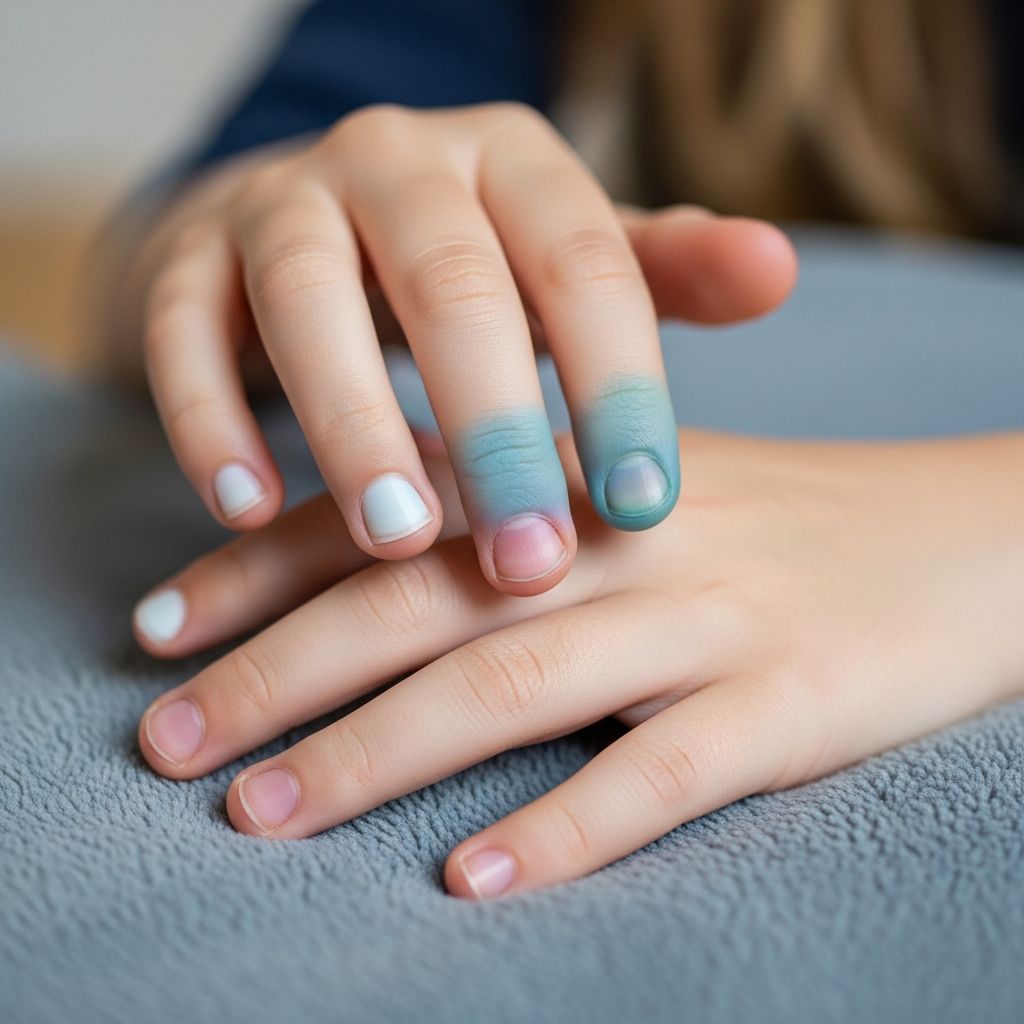
The most visible sign of a Raynaud’s attack is a dramatic change in skin color on the fingers or toes. The condition typically progresses through distinct color phases that parents should recognize:
- Pale or white appearance: Blood vessels constrict, cutting off blood flow and causing the affected areas to turn white or pale.
- Blue or purple hue: As oxygen levels in the tissues decrease, the skin may turn blue or purple.
- Red coloration: When blood flow returns and circulation normalizes, the skin flushes red as oxygen-rich blood returns to the area.
Beyond color changes, children with Raynaud’s syndrome commonly experience numbness, tingling, or a pins-and-needles sensation in affected fingers and toes. Some children report that their fingers feel cold, stiff, or painful during or after an attack. These episodes typically last from several minutes to an hour, though duration varies depending on the trigger and individual response.
It is important to note that Raynaud’s syndrome typically affects the fingers more frequently than the toes, though both can be involved. In rare cases, the condition may affect the nose, ears, or lips.
Primary Versus Secondary Raynaud’s: What Parents Need to Know
Medical professionals distinguish between two forms of Raynaud’s syndrome, and understanding the difference helps parents recognize whether their child may have an underlying condition.
Primary Raynaud’s syndrome (also called Raynaud’s disease) occurs without an associated underlying health condition. This form is more common, particularly in children and young adults. Primary Raynaud’s is generally milder and has an excellent prognosis, with most children managing symptoms through lifestyle adjustments alone.
Secondary Raynaud’s syndrome develops as a symptom of another disease or condition. Underlying causes include connective tissue disorders such as scleroderma, lupus, and rheumatoid arthritis, as well as blood vessel diseases and certain medications. Secondary Raynaud’s may be more severe and often requires medical intervention beyond lifestyle modifications.
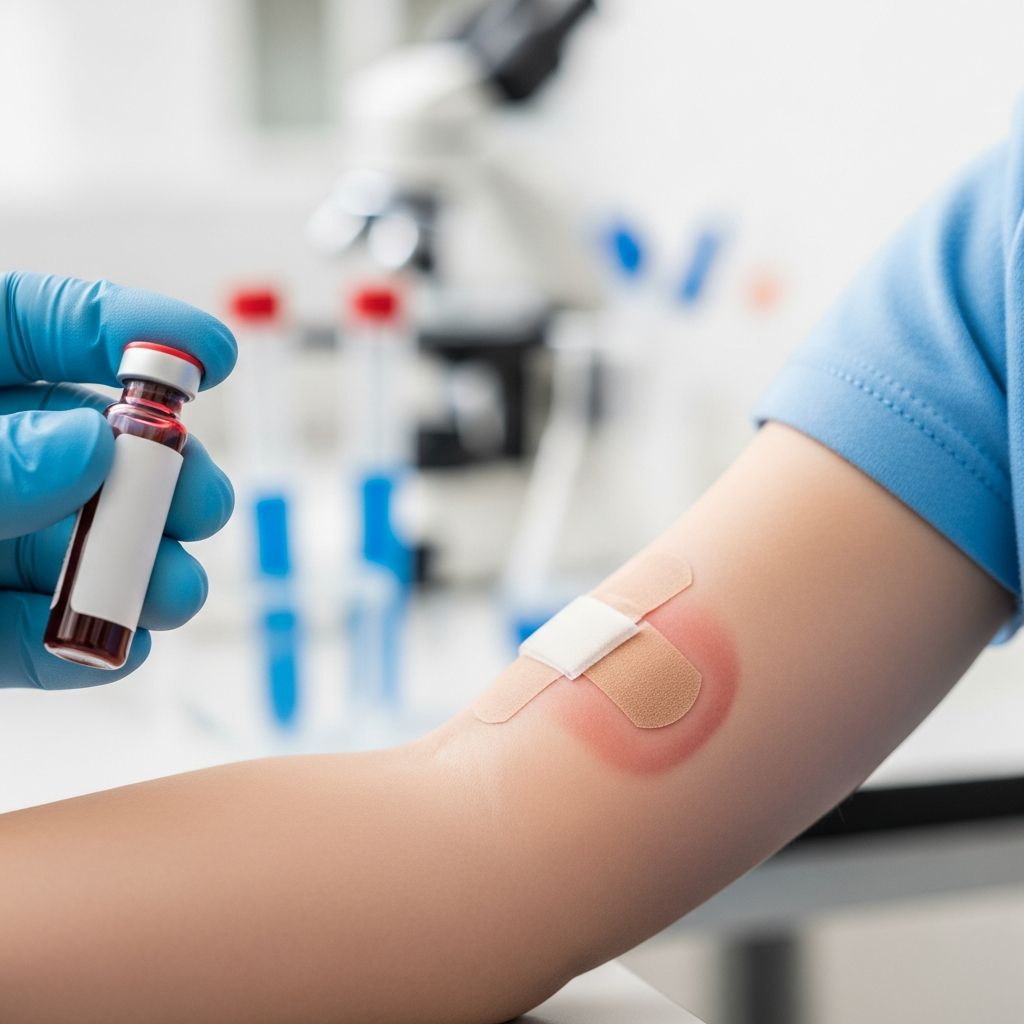
If your child has been diagnosed with Raynaud’s syndrome, your pediatrician may recommend blood tests to determine whether an underlying condition is present. This distinction guides treatment decisions and helps parents understand the long-term outlook for their child.
What Triggers Raynaud’s Attacks?
Identifying and avoiding triggers is one of the most effective strategies for managing Raynaud’s syndrome. While cold exposure is the most common trigger, several factors can precipitate an attack:
- Cold temperatures: Direct contact with cold water, handling frozen food items, or exposure to cold air are primary triggers.
- Emotional stress: Anxiety, excitement, or strong emotions can trigger episodes in some children.
- Rapid temperature changes: Moving abruptly from a warm environment to intense air conditioning or vice versa can provoke attacks.
- Smoking and secondhand smoke: Nicotine narrows blood vessels, increasing the frequency and severity of attacks.
- Certain medications: Some prescription and over-the-counter medications can trigger or worsen Raynaud’s, including beta-blockers, certain migraine medications, ADHD medications, cancer drugs, and decongestants.
If your child is taking medications and has recently begun experiencing Raynaud’s symptoms, discuss this with your pediatrician to determine whether medication adjustments might be beneficial.
Practical Strategies for Managing Symptoms at Home
The foundation of Raynaud’s syndrome management involves lifestyle modifications that reduce exposure to triggers and maintain healthy circulation. These strategies are often sufficient for children with primary Raynaud’s syndrome:
Staying Warm and Protecting Extremities
Dressing in warm, layered clothing is the most effective prevention strategy. When going outside during cold weather, ensure your child wears:
- Insulated gloves or mittens (mittens are more effective than gloves for maintaining warmth)
- Warm socks and waterproof boots
- A hat and scarf to maintain core body temperature
- Multiple layers that can be adjusted as needed
At home, encourage your child to use hand warmers or keep a blanket available during vulnerable times. Avoiding sudden temperature transitions—such as moving quickly from heated indoors to cold outdoors—helps prevent triggering episodes.
Managing Emotional Stress
Since stress can trigger Raynaud’s attacks, teaching your child stress-reduction techniques is valuable. Effective approaches include:
- Regular physical exercise, which increases blood flow throughout the body
- Mindfulness practices or guided relaxation exercises
- Participation in support groups with other children experiencing similar conditions
- Biofeedback training, which teaches children to consciously influence body temperature through guided imagery and controlled breathing
Lifestyle Adjustments
Other practical modifications can help reduce attack frequency and severity:
- Encouraging regular physical activity, which promotes circulation and overall cardiovascular health
- Limiting exposure to smoke and secondhand smoke
- Avoiding rapid temperature transitions, particularly from heating to air conditioning
- Using insulated containers when handling cold items like ice or frozen foods
Complementary and Alternative Approaches
Beyond conventional lifestyle modifications, several complementary therapies show promise for managing Raynaud’s symptoms:
- Fish oil supplements: Omega-3 fatty acids may enhance blood flow to extremities.
- Ginkgo supplements: Some evidence suggests ginkgo may reduce the frequency of Raynaud’s attacks.
- Acupuncture: This traditional practice may improve circulation and reduce symptom severity.
- Biofeedback therapy: Teaching children to control body temperature through mental techniques, deep breathing, and guided imagery can help prevent attacks.
Before introducing any supplements or alternative therapies, consult your child’s pediatrician to ensure they are safe and appropriate for your child’s specific situation.
When Medications Become Necessary
While most children with primary Raynaud’s syndrome respond well to lifestyle changes, some require medication to manage symptoms effectively. If lifestyle modifications are insufficient, your pediatrician may prescribe medications that improve blood flow:
Calcium channel blockers are the first-line pharmacological treatment for Raynaud’s syndrome. These medications relax and open small blood vessels in the hands and feet, improving circulation. Common examples include nifedipine, amlodipine, felodipine, and isradipine. Some children take these medications daily, while others use them preventatively during cold months.
Vasodilators represent another medication class that relaxes blood vessels. Options include losartan (used for high blood pressure), sildenafil (typically prescribed for erectile dysfunction in adults but used off-label for Raynaud’s), fluoxetine (an antidepressant that also reduces stress), and prostaglandins. These medications work through different mechanisms but share the goal of improving blood flow to affected extremities.
Topical medications such as nitroglycerin cream can be applied directly to affected areas to improve localized circulation.
Selective serotonin reuptake inhibitors (SSRIs) help manage both stress and mood while simultaneously improving Raynaud’s symptoms.
For children with severe cases or those who develop complications such as skin ulcers, additional medications or procedures may be necessary. Your pediatrician will work with you to determine the most appropriate medication regimen based on your child’s specific needs, severity of symptoms, and any underlying conditions.
Surgical and Advanced Treatment Options
Surgical intervention is rarely necessary for children with Raynaud’s syndrome but may be considered for severe cases involving tissue damage or complications that do not respond to conservative treatment.
Sympathectomy is a surgical procedure that destroys the nerves controlling blood vessel narrowing in affected areas. This procedure is typically performed through small incisions or nerve-blocking injections. While it often provides symptom relief, the benefits may be temporary, and the procedure may need to be repeated after several years.
Chemical nerve blockade involves injections of numbing medicines or botulinum toxin (Botox) to block nerves in the hands or feet. Some children require repeat injections if symptoms persist or return.
In very rare cases where severe tissue damage or gangrene develops, antibiotics or surgical removal of damaged tissue may become necessary.
Preventing Complications and Long-Term Management
Most children with primary Raynaud’s syndrome do not develop serious complications, but awareness of potential risks helps parents maintain vigilance:
- Monitor affected areas during and after attacks for signs of persistent discoloration or tissue damage
- Ensure your child avoids extreme cold exposure, particularly in winter sports or activities
- Maintain regular pediatric checkups to monitor symptom progression
- If secondary Raynaud’s is diagnosed, follow your healthcare provider’s recommendations for managing the underlying condition
- Educate your child about recognizing early symptoms and implementing preventive measures
Supporting Your Child Emotionally and Socially
Beyond physical management, supporting your child’s emotional well-being is important. Some children may feel self-conscious about visible color changes during social situations or sports activities. Encourage open communication about their feelings and provide age-appropriate education about their condition. Connecting with support groups—either in-person or online—can help children understand they are not alone and learn coping strategies from peers with similar experiences.
Common Questions About Raynaud’s Syndrome in Children
Q: Can Raynaud’s syndrome be cured?
A: There is no cure for Raynaud’s syndrome, but the condition can be effectively managed through lifestyle modifications, medications, and in rare cases, surgical intervention. Most children with primary Raynaud’s experience symptom improvement and live normal, active lives.
Q: Is Raynaud’s syndrome dangerous for children?
A: Primary Raynaud’s syndrome is not dangerous and does not usually cause severe problems. Serious complications are rare in children. However, secondary Raynaud’s associated with underlying connective tissue diseases requires medical management to prevent tissue damage.
Q: Can my child participate in winter sports with Raynaud’s syndrome?
A: Yes, with proper precautions. Ensure your child wears appropriate cold-weather gear, takes breaks to warm up, and stays aware of early symptoms. Discuss specific activities with your pediatrician, particularly if your child has secondary Raynaud’s.
Q: How often do Raynaud’s attacks occur?
A: Attack frequency varies widely among children. Some experience multiple attacks weekly during cold months, while others have occasional episodes. Consistent management strategies help reduce frequency and severity.
Q: Will my child outgrow Raynaud’s syndrome?
A: Some children experience improvement over time, particularly if they have primary Raynaud’s. However, the condition often persists into adulthood. Management strategies learned in childhood help ensure your child can effectively manage symptoms throughout their life.
References
- Raynaud’s Phenomenon — American College of Rheumatology. 2024. https://rheumatology.org/patients/raynauds-phenomenon
- Raynaud’s Phenomenon: Diagnosis, Treatment, and Steps to Take — National Institute of Arthritis and Musculoskeletal and Skin Diseases (NIAMS). 2024. https://www.niams.nih.gov/health-topics/raynauds-phenomenon/diagnosis-treatment-and-steps-to-take
- Raynaud’s Disease – Diagnosis and Treatment — Mayo Clinic. 2024. https://www.mayoclinic.org/diseases-conditions/raynauds-disease/diagnosis-treatment/drc-20363572
- Raynaud’s Syndrome — UCSF Department of Surgery, Limb Preservation Program. 2024. https://limbpreservation.ucsf.edu/condition/raynauds-syndrome
- Raynaud’s Disease – Symptoms and Causes — Mayo Clinic. 2024. https://www.mayoclinic.org/diseases-conditions/raynauds-disease/symptoms-causes/syc-20363571
- Raynaud’s — National Health Service (NHS). 2024. https://www.nhs.uk/conditions/raynauds/