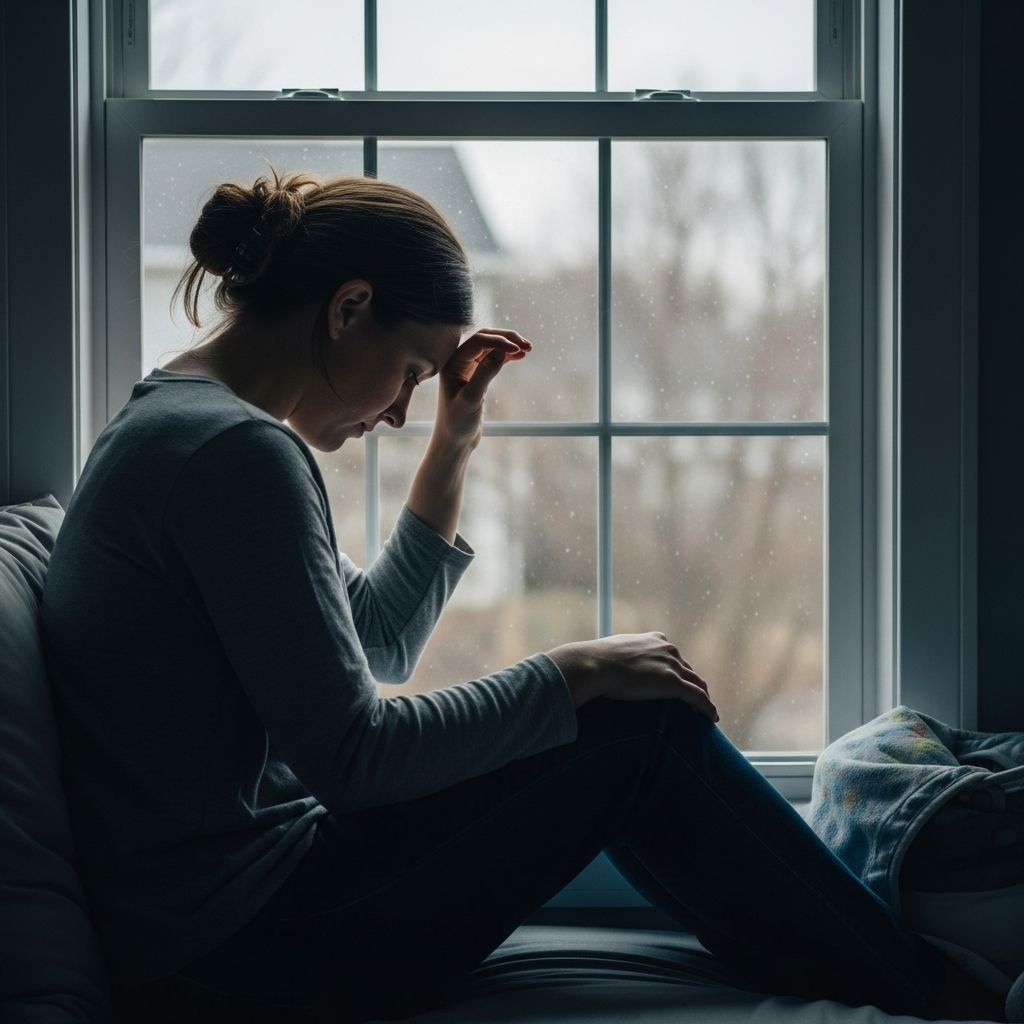
New motherhood brings immense joy but also profound challenges, including postpartum depression (PPD) that affects about 1 in 8 women after childbirth. Many moms mask their pain, fearing judgment, which delays recovery. This article shares original insights inspired by real experiences, highlighting symptoms, concealment tactics, recovery journeys, and vital resources.
Understanding the Shadows of New Motherhood
Postpartum depression transcends the fleeting ‘baby blues,’ manifesting as persistent sadness, anxiety, and detachment lasting weeks or months. Unlike temporary mood dips, PPD disrupts bonding, daily functioning, and self-perception, sometimes escalating to intrusive thoughts of harm or suicide.
Women describe an overwhelming emptiness despite societal expectations of bliss. Physical exhaustion from sleepless nights compounds emotional turmoil, creating a cycle of guilt and isolation. Early identification is crucial, as untreated PPD risks long-term mental health impacts on both mother and child.
- Common Symptoms: Persistent crying, irritability, loss of interest in activities, sleep disturbances unrelated to the baby, and feelings of worthlessness.
- Risk Factors: History of depression, traumatic birth, lack of support, or thyroid imbalances post-delivery.
- Prevalence: Impacts 10-15% of new mothers, with higher rates in subsequent pregnancies.
Hiding in Plain Sight: Why Moms Conceal Their Pain
Societal pressure portrays motherhood as purely joyful, pressuring women to hide struggles. Fear of being labeled ‘unfit’ or losing child custody drives silence. One mom recounted smiling through tears while visitors cooed over her newborn, internally battling panic that everyone else parented better.
Concealment tactics include over-functioning—cooking, cleaning, hosting—to prove normalcy—or withdrawing entirely. This facade exhausts further, deepening despair. Partners and family often miss cues, interpreting withdrawal as fatigue rather than crisis.
| Sign of Concealment | Internal Reality | Potential Impact |
|---|---|---|
| Forced smiles during visits | Overwhelming sadness and detachment | Increased isolation |
| Insisting ‘I’m fine’ | Intrusive dark thoughts | Delayed treatment |
| Hyper-productivity | Exhaustion and anxiety | Burnout and relapse |
Dark Thoughts: When PPD Turns Perilous
For some, PPD evokes terrifying ideation, including thoughts of ending one’s life or harm to the baby—not from desire, but numbness and hopelessness. A first-time mom felt like caring for a stranger’s child, gripped by irrational fears as her husband left for work. These intrusions signal urgent need for intervention.
Such thoughts affect up to 1 in 5 women with PPD, per health authorities. They stem from chemical imbalances like serotonin drops post-delivery, not moral failing. Recognizing them as symptoms, not truths, is recovery’s first step.
‘I panicked thinking I’d be left alone, convinced I couldn’t survive without support.’ – Echoing many untold stories.
Breaking the Silence: First Steps to Help
Reaching out feels daunting, yet it’s transformative. Many delay until crises, like uncontrollable crying at check-ups. Disclosing to healthcare providers unlocks antidepressants safe for breastfeeding, therapy, and support groups.
One mother’s six-week visit confession led to medication that lifted the fog within weeks. Counselors emphasize self-care: delegating chores, prioritizing rest, and challenging perfectionism. Hotlines offer anonymous first contact.
- Call a trusted doctor or midwife immediately.
- Contact the National Maternal Mental Health Hotline: 1-833-TLC-MAMA.
- Join peer groups via Postpartum Support International.
Journeys to Recovery: Real Transformations
Recovery varies but follows patterns: medication adjustments, therapy, lifestyle shifts, and support networks. A mom overwhelmed post-second child upped dosages thrice over months, pairing with counseling to rebuild routines.
Another, initially mistaking PPD for blues amid COVID isolation, persisted until properly screened, finding relief through validation and tools. Nine months postpartum, many report reclaiming joy, bonding deeply, and rediscovering pre-baby interests.
- Medication: SSRIs like sertraline, effective for 60-70%.
- Therapy: Cognitive Behavioral Therapy reframes negative thoughts.
- Lifestyle: Exercise, nutrition, and mindfulness reduce relapse.
Partner and Family Roles in Healing
Support systems amplify recovery. Husbands urging check-ups or handling night feeds provide breathing room. Families normalize struggles by sharing openly, countering stigma.
Educate loved ones on PPD signs: withdrawal, irritability, disinterest. Encourage without pressuring; simple acts like meal prep alleviate overload.
Preventing Relapse: Long-Term Strategies
Post-recovery, vigilance prevents recurrence, especially with future pregnancies. Maintain therapy, monitor moods via journals, and build resilience through hobbies.
Workplace policies like maternity leave extensions aid adjustment. Self-reflection reveals triggers, fostering sustainable motherhood.
Frequently Asked Questions (FAQs)
Q: How long does postpartum depression typically last?
A: Without treatment, months to a year; with intervention, improvement often begins in 2-6 weeks.
Q: Is PPD only for first-time moms?
A: No, recurrence risks rise with subsequent births.
Q: Can I breastfeed while on PPD medication?
A: Yes, many SSRIs are safe; consult your provider.
Q: What if I have thoughts of harming myself or baby?
A: Seek emergency help immediately—it’s a treatable symptom, not your fault.
Q: How can I support a friend with PPD?
A: Listen without judgment, offer practical help, encourage professional care.
Resources for Immediate Support
Empowerment starts with connection:
- National Maternal Mental Health Hotline: 1-833-852-6262.
- Postpartum Support International: postpartum.net.
- SAMHSA Helpline: 1-800-662-HELP for co-occurring issues.
- Women’s Health.gov PPD Stories: womenshealth.gov.
PPD recovery stories inspire: therapists overcoming their battles, doctors destigmatizing via shares, and moms thriving post-darkness[10]. You’re not alone.
References
- Overcoming postpartum depression: Heather’s Story — Arnold Palmer Hospital. 2012-01-20. https://www.arnoldpalmerhospital.com/content-hub/overcoming-postpartum-depression-heathers-story/
- A Therapist’s Story (Part 2): My Battle with Postpartum Depression & Anxiety — Postpartum Support International. N/A. https://postpartum.net/my-battle-with-postpartum-depression-anxiety/
- The sun will shine again: My postpartum depression story — OSF HealthCare. N/A. https://www.osfhealthcare.org/blog/the-sun-will-shine-again-my-postpartum-depression-story
- Postpartum depression: Caitlin’s story — Biogen. N/A. https://www.biogen.com/stories/postpartum-depression-caitlins-story.html
- Simone’s Story — Mental Health Care Works. N/A. https://mentalhealthcareworks.org/stories/simone/
- More Stories of Hope and Healing — Office on Women’s Health, womenshealth.gov. N/A. https://www.womenshealth.gov/talkingPPD/stories
- Emily Walvoord, MD, shares her story to combat mental health stigma — YouTube (Transcript). N/A. https://www.youtube.com/watch?v=YkfAKe2NYww