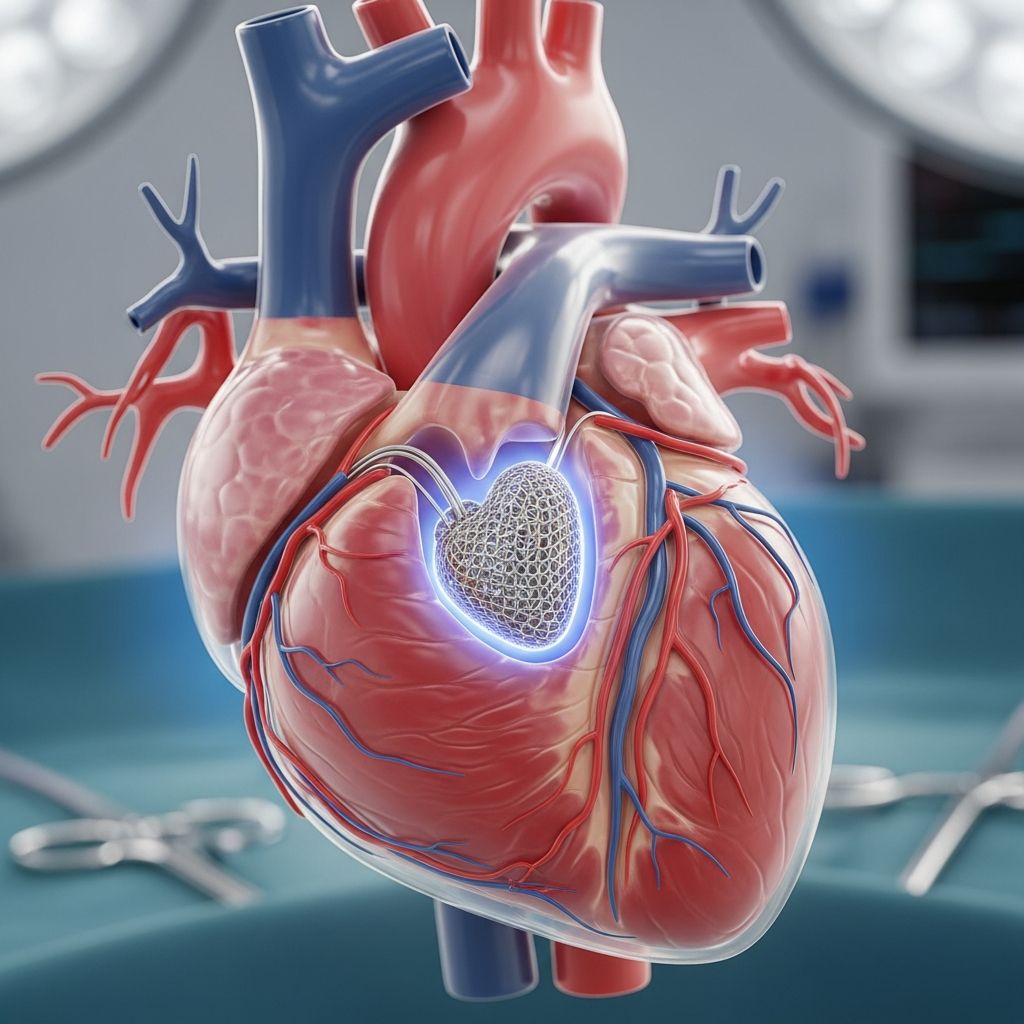
Cardiac stents are tiny mesh tubes inserted into narrowed or blocked heart arteries to improve blood flow, particularly beneficial in pediatric cases where congenital defects or rare conditions cause restrictions. These devices act as scaffolds, keeping vessels open and supporting heart function in young patients.
Understanding Coronary Artery Issues in Kids
While more common in adults, children can develop coronary artery problems due to congenital heart diseases like Kawasaki disease, anomalous origins, or post-surgical complications. Plaque buildup, inflammation, or abnormal vessel development narrows these vital arteries, reducing oxygen-rich blood to the heart muscle. This can lead to symptoms such as fatigue, chest pain during activity, or poor growth, prompting early intervention.
In pediatric cardiology, early detection through echocardiography or angiography is crucial. Unlike adults, where atherosclerosis dominates, kids often face issues from genetic anomalies or inflammatory responses, making tailored treatments essential.
What Exactly Is a Cardiac Stent?
A cardiac stent is a small, expandable wire-mesh cylinder, typically made of metal alloys like stainless steel or cobalt-chromium. During procedures, it’s delivered via catheter and expanded to prop open the artery. Drug-eluting versions release medications gradually to prevent re-narrowing (restenosis), a key advancement for lasting results.
- Bare-metal stents: Basic scaffolds for immediate support, suitable when drug coatings pose risks.
- Drug-eluting stents: Coated with polymers that release anti-proliferative drugs, reducing scar tissue formation.
- Bioabsorbable stents: Emerging options that dissolve over time, minimizing long-term foreign body presence—under study for pediatrics.
Stents are customized by size for children’s smaller vessels, ensuring safety and efficacy.
Reasons for Stent Placement in Young Patients
Pediatric cardiologists recommend stents when medications or lifestyle adjustments fail to manage symptoms. Key indications include:
- Persistent angina or chest discomfort unrelieved by drugs.
- Acute blockages during heart events.
- High-risk narrowings threatening heart function or growth.
For children, stents bridge to growth or complement surgeries like bypass grafting, which is rarer in youth due to smaller anatomy.
| Condition | Why Stent? | Typical Age Group |
|---|---|---|
| Kawasaki Disease Sequelae | Inflammation causes aneurysms and stenoses | Under 5 years |
| Congenital Anomalies | Abnormal artery origins or courses | Infants to teens |
| Post-Transplant Stenosis | Vessel narrowing after surgery | Variable |
This table highlights common pediatric scenarios where stents prove lifesaving.
Preparing Your Child for the Procedure
Preparation involves comprehensive evaluations: blood tests, imaging like MRI or CT angiography, and discussions with multidisciplinary teams including pediatric interventionalists. Parents receive detailed consents outlining benefits versus risks.
Fasting guidelines (typically 6-8 hours) apply, and anxiety management may include child life specialists or mild sedation. Coordinate with schools for post-procedure support.
Step-by-Step: The Stent Placement Procedure
Performed in a catheterization lab under monitored sedation or general anesthesia for children, the process mirrors adult angioplasty but with pediatric-specific tools.
- Access: A catheter enters via groin or arm artery under ultrasound guidance.
- Angiography: Dye visualizes blockages on X-ray.
- Balloon Angioplasty: Inflates to compress obstructions.
- Stent Deployment: Stent crimped on balloon expands permanently.
- Verification: Final imaging confirms flow; closure devices seal entry.
The procedure lasts 1-2 hours, with hospital stays of 1-3 days depending on stability.
Immediate Post-Procedure Care
Post-stent, children recover in a cardiac unit. Vital signs, heart rhythm, and puncture site bleeding are monitored closely. Pain is managed with acetaminophen; activity starts with bed rest, progressing to walking.
- Encourage hydration to flush dye.
- Watch for leg swelling or bruising.
- Antiplatelet drugs like clopidogrel prevent clots—crushable forms for kids.
Long-Term Management and Follow-Up
Success rates exceed 90% in restoring flow, but lifelong vigilance is needed. Dual antiplatelet therapy (aspirin plus another) lasts 6-12 months, then aspirin indefinitely. Regular echoes and stress tests track patency.
Lifestyle pillars include heart-healthy diets low in saturated fats, daily exercise (30-60 minutes), and no smoking exposure. Growth spurts may necessitate surveillance for outgrowing stents.
Potential Risks and Complications
Though safe, risks include bleeding (2-3%), stent thrombosis (<1% with meds), restenosis (5-10%), or allergic reactions to dye. In children, vessel injury risks are minimized with imaging tech.
| Risk | Frequency | Management |
|---|---|---|
| Clot Formation | Rare with therapy | Antiplatelets, monitoring |
| Re-Narrowing | Lower with drug stents | Repeat procedures if needed |
| Infection | Very low | Antibiotics prophylaxis |
Open communication with providers mitigates issues.
Life After Stents: Thriving with a Healthy Heart
Most children resume normal activities within weeks, including sports with clearance. Psychological support addresses fears; peer groups foster resilience. Annual check-ups ensure optimal heart health into adulthood.
Nutritional focus: fruits, veggies, lean proteins. Limit screens; promote play. Vaccinations and fever management prevent complications like in Kawasaki cases.
FAQs for Parents
Can my child play sports after a stent?
Yes, with cardiologist approval, starting gradually. Contact sports may need restrictions.
How long do pediatric stents last?
Many indefinitely, especially drug-eluting; monitoring detects issues early.
Are stents safe for growing children?
Yes, vessels adapt; bioresorbable options are advancing.
What if the stent doesn’t work?
Alternatives like surgery or advanced interventions are available.
Does insurance cover pediatric stents?
Typically yes, as medically necessary; verify dual therapy costs.
Emerging Innovations in Pediatric Stenting
Research explores personalized stents via 3D printing, gene therapies for underlying causes, and AI-guided deployments for precision. Clinical trials offer hope for even safer options.
References
- How coronary stents work — Boston Scientific. 2023. https://www.bostonscientific.com/en-US/patients-caregivers/device-support/coronary-stents/how-coronary-stents-work.html
- Coronary angioplasty and stents — Mayo Clinic. 2024-01-15. https://www.mayoclinic.org/tests-procedures/coronary-angioplasty/about/pac-20384761
- Angioplasty and stent placement – heart — Health Encyclopedia, Florida Health Finder. 2023. https://quality.healthfinder.fl.gov/health-encyclopedia/HIE/1/007473
- What Is a Stent? — Cleveland Clinic. 2024-05-20. https://my.clevelandclinic.org/health/articles/22486-stent
- What Are Stents? — NHLBI, NIH. 2023-08-10. https://www.nhlbi.nih.gov/health/stents