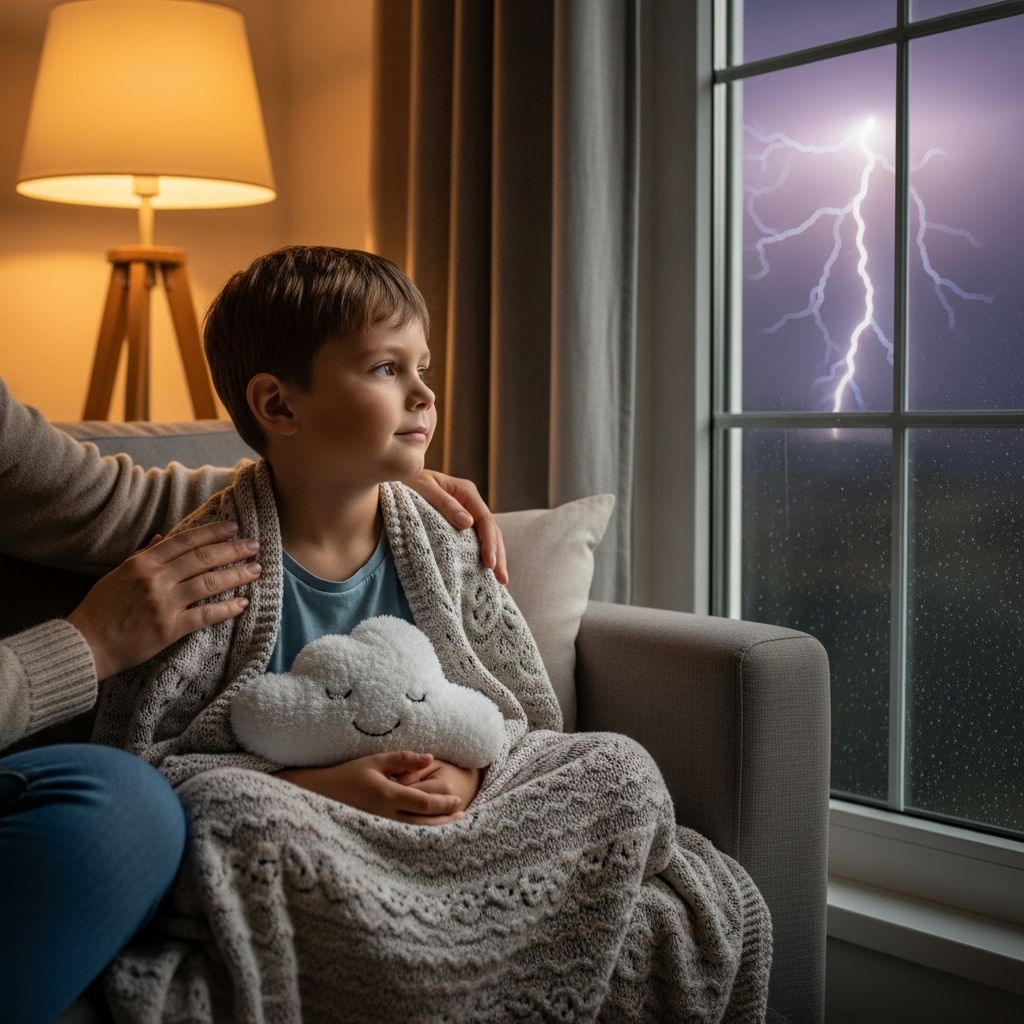
Thunderstorms can trigger intense fear in many children due to loud noises, flashing lights, and unpredictable weather patterns. Parents play a crucial role in transforming these scary moments into opportunities for emotional growth by offering reassurance, practical tools, and positive experiences.
Understanding Why Storms Frighten Kids
Young minds often interpret thunder as danger and lightning as threats because their brains are still developing the ability to process abstract concepts like weather phenomena. This fear is a natural response rooted in the fight-or-flight mechanism, where sudden booms activate the amygdala, leading to heightened anxiety. Research shows that consistent parental guidance helps children reframe these events, reducing long-term sensitivity to loud sounds and building resilience.
For toddlers, the unpredictability amplifies distress, while school-aged kids might worry about damage or safety. Recognizing these age-specific reactions allows parents to tailor their approach effectively.
Building a Foundation of Reassurance
Start by validating your child’s feelings without dismissal. Phrases like “I see the storm scares you, and that’s okay” acknowledge emotions, fostering trust. Modeling calm behavior is key—deep breaths and steady voices demonstrate control over fear.
- Validate openly: Name the emotion to help kids label and manage it.
- Stay composed: Children mirror parental reactions, so maintain a relaxed demeanor.
- Physical comfort: Hugs release oxytocin, the bonding hormone that counters stress.
Active listening amplifies this: Get to eye level, nod, and prompt with questions like “What about the thunder bothers you most?” This technique, supported by child development experts, encourages expression and problem-solving.
Age-Appropriate Explanations of Weather Events
Simplify science to demystify storms. For preschoolers, compare thunder to a big drum in the sky or lightning to a giant flashbulb. Older children benefit from discussions on cloud collisions creating booms and electrical discharges lighting the sky.
| Age Group | Explanation Style | Example Phrase |
|---|---|---|
| 2-4 years | Playful analogies | “Thunder is like God’s bowling game!” |
| 5-7 years | Simple science | “Clouds bump and make noise, like cymbals.” |
| 8+ years | Factual details | “Lightning is electricity jumping between clouds.” |
Use books or videos on weather cycles during calm times to preempt fear, turning potential panic into curiosity.
Creating a Safe Haven at Home
Designate a “cozy nook” stocked with blankets, pillows, and soft toys. This space isn’t punishment but a voluntary retreat for self-soothing. Include dim lights and noise-muffling items to simulate security.
- Stock sensory tools: Fidget spinners, stuffed animals, or weighted blankets.
- Encourage use proactively: “Want to snuggle in our safe spot during the rain?”
- Make it routine: Pair with stories or music for positive associations.
Such environments teach self-regulation, as children learn to seek comfort independently, a skill vital for lifelong emotional health.
Practical Coping Techniques for Stormy Moments
Teach breathing exercises like “balloon breaths”: Inhale to inflate belly like a balloon, exhale slowly. Practice daily so it’s automatic during rumbles.
- Deep breathing: “Smell the pizza, blow out candles”—fun for little ones.
- Grounding squeezes: Squeeze a parent’s finger to gauge emotion intensity.
- Movement breaks: Dance or march to redirect energy from fear.
- Mindful counting: Count raindrops or thunderclaps to shift focus.
Journaling or drawing storm scenes post-event processes feelings, enhancing vocabulary for emotions like “jittery” or “boomy.”
Routines That Promote Stability
Consistent pre-storm rituals reduce anxiety. Check weather apps together, prepare snacks, and plan activities. Predictability counters chaos.
- Evening weather chats build anticipation without dread.
- Family game nights during storms turn tension into bonding.
- Post-storm reflections celebrate bravery.
Routines wire the brain for security, as predictable patterns lower cortisol levels over time.
Leveraging Distractions and Fun Activities
Engage senses to override fear: Play upbeat music, build pillow forts, or watch animated weather shows. Puzzles and crafts demand focus, eclipsing distant claps.
For tech-savvy families, kid-friendly apps with storm simulations gamify learning. Outdoor post-storm puddle jumps reinforce safety.
Long-Term Strategies for Emotional Resilience
Expose gradually: Controlled loud noises via toys build tolerance. Role-play scenarios to practice responses. Praise efforts: “You breathed through that rumble so well!”
Collaborative problem-solving empowers: “What helps you feel brave?” Track progress in a “storm hero” chart with stickers.
When to Seek Extra Support
If fear disrupts sleep, school, or daily life persistently, consult pediatricians or therapists. Cognitive-behavioral techniques address severe phobias effectively. Early intervention prevents escalation.
Frequently Asked Questions (FAQs)
What if my child screams during every thunderclap?
Hold them close, use breathing together, and distract with a favorite story. Consistency reduces intensity over episodes.
Are calm corners suitable for all ages?
Yes, adapt for toddlers with more parental involvement and for teens with headphones and journals.
How do I explain storms without scaring them more?
Use positive, simple analogies and focus on nature’s wonder, avoiding dramatic warnings.
Can pets help soothe storm fears?
Often yes—cuddling a calm pet provides comfort, but monitor pet reactions.
What’s the best time to practice coping skills?
Daily, during calm moments, so they activate instinctively under stress.
Empowering Families for Storm-Ready Futures
By blending empathy, education, and engaging tools, parents equip children not just for storms, but life’s tempests. Patience yields confident, regulated kids who weather challenges with grace.
References
- Dos & Don’ts of Emotional Regulation: A Guide for Kids & Families — Greater Boston Behavioral Health. 2023. https://greaterbostonbehavioralhealth.com/rehab-blog/emotional-regulation-for-kids-and-families/
- Building Emotional Regulation Skills for Children: Why It Matters — Parent Guidance. 2023. https://parentguidance.org/article/building-emotional-regulation-skills-for-children-why-it-matters/
- Teaching Kids Emotional Regulation: 5 Strategies for Your Program — Kids Included Together. 2024. https://www.kit.org/teaching-kids-emotional-regulation/
- Self-regulation in children & teenagers — Raising Children Network (Australian Government-funded). 2024-01-10. https://raisingchildren.net.au/toddlers/behaviour/understanding-behaviour/self-regulation
- Helping Kids Cope with Strong Emotions — Kids Mental Health Foundation. 2023. https://www.kidsmentalhealthfoundation.org/mental-health-resources/behaviors-and-emotions/coping-with-strong-emotions