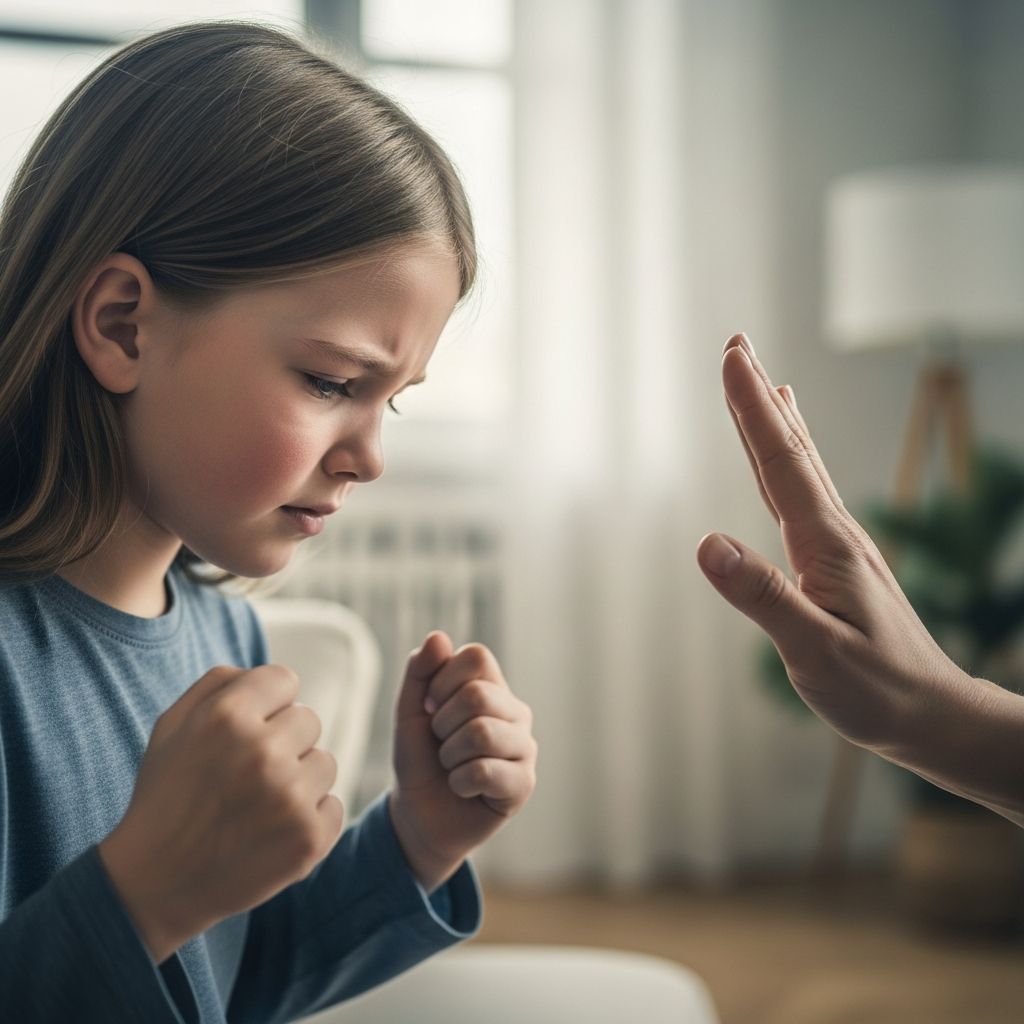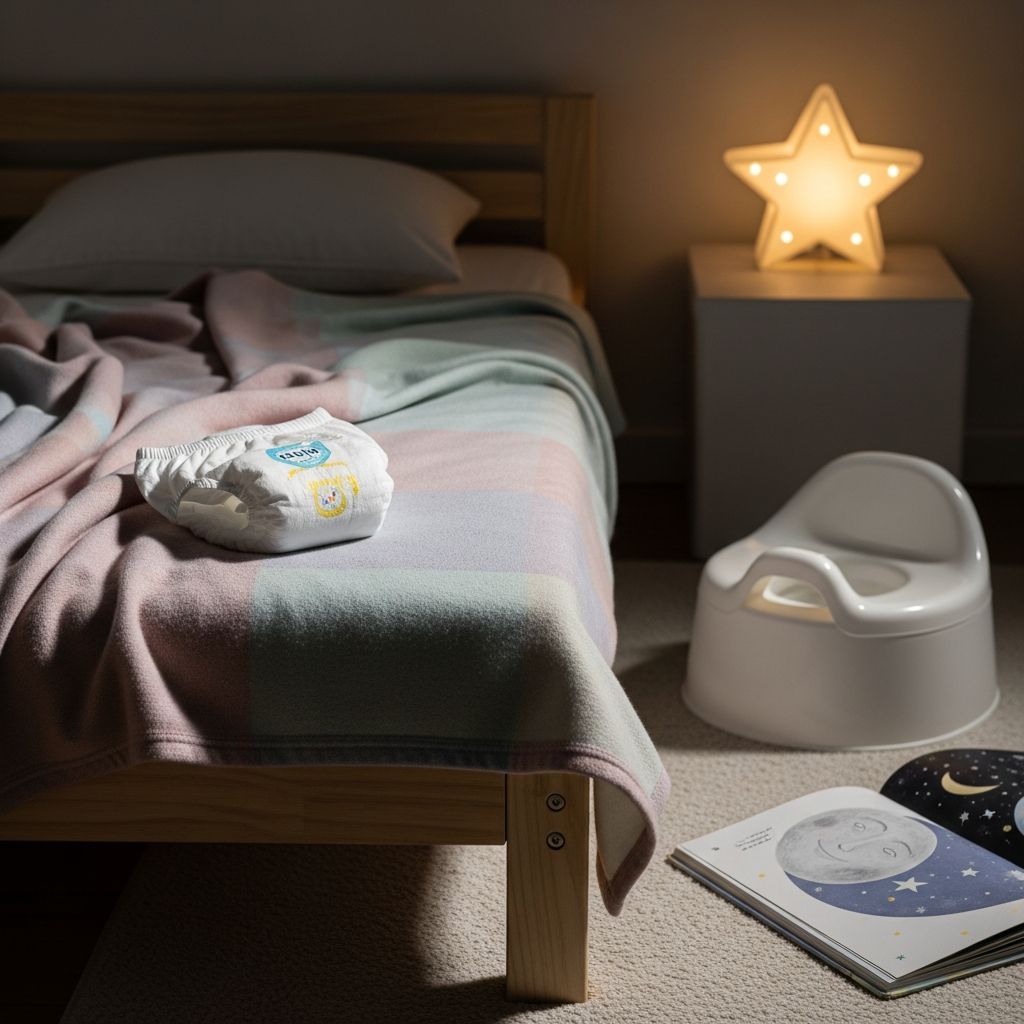
Few parenting moments feel as conflicting as watching a fiercely independent toddler insist on sleeping in underwear while you silently picture soaked sheets at 2 a.m. Nighttime potty training is a different skill than daytime training, and when your child refuses pull-ups, you are suddenly balancing their need for autonomy with your need for sleep and sanity.
Understanding Nighttime Readiness
Daytime and nighttime dryness do not always develop at the same pace. Many children can use the toilet reliably during the day long before their bodies are physically ready to stay dry through a full night’s sleep. Recognizing the difference helps you respond with empathy instead of frustration.
Signs that your toddler may be closer to nighttime readiness include:
- Waking up with a dry or only slightly damp diaper or pull-up several mornings in a row.
- Showing discomfort with wet pull-ups and asking to be changed quickly after waking.
- Being able to hold urine for longer stretches during the day without frequent accidents.
- Waking during the night and asking to use the toilet, or saying they need to pee as soon as they wake.
Even if your child shows some of these signs, occasional accidents are still normal. The goal is not perfection but gradual improvement, with routines that protect your child’s confidence and your household’s rest.
Why Your Toddler Hates Night Pull-Ups
When a toddler rejects pull-ups, it often has more to do with identity and pride than with actual bladder control. Pull-ups can feel like a symbol of “being a baby” at exactly the age when children want to feel capable and grown-up.
Common reasons toddlers resist night pull-ups include:
- Desire for independence: They want to match older siblings or peers who wear underwear to bed.
- Negative labels: Adults may accidentally call pull-ups “baby diapers,” making kids feel embarrassed to use them.
- Sensory preferences: Some children dislike the feeling, sound, or bulk of pull-ups compared to soft cotton underwear.
- Confusion: If all daytime messaging says “diapers are for babies,” it makes sense they resist them at night too.
When you understand the emotional story behind the resistance, it becomes easier to respond in a way that protects their dignity while still setting realistic expectations about nighttime accidents.
Safety, Sleep, and Sanity: What Matters Most
Before changing your child’s nighttime routine, clarify your own priorities. Nighttime potty training does not need to be a race. It is acceptable to protect your own sleep and your mattress while still supporting your child’s developmental needs.
Many families find it helpful to aim for the following balance:
- Protect the child’s self-esteem, avoiding shaming or punishment for wet nights.
- Protect parents’ sleep as much as possible, especially when there are younger siblings or demanding schedules.
- Protect bedding and mattresses so accidents are manageable, not overwhelming.
- Support gradual skill-building rather than expecting sudden overnight dryness.
This mindset shifts the question from “How do we force dry nights?” to “How do we make it easier and more comfortable to learn this new skill over time?”
Collaborating Instead of Fighting: Talk It Through
Power struggles around sleep and toileting rarely end well. Instead of announcing new rules, invite your toddler into a problem-solving conversation in simple, concrete language. Even very young children respond well when they feel heard.
Helpful approaches include:
- Describe the problem neutrally: “Sometimes your bed gets very wet at night, and that’s uncomfortable for you.”
- State a shared goal: “We both want you to be comfy and dry while you sleep.”
- Offer choices where you can: “Would you like a special sleep underwear under your pajama pants, or a towel pad on the bed, or both?”
- Emphasize teamwork: “We are a team learning how your body works at night.”
The goal of the conversation is not to persuade them that pull-ups are wonderful, but to frame nighttime dryness as something you are figuring out together rather than a battle you must win.
Practical Nighttime Protection Strategies
If your toddler insists on underwear at night, the key is to quietly build a safety net around that choice. You can respect their preference while still planning for the high likelihood of accidents.
Consider creating a “no big deal” system with these elements:
- Layered bedding: Make the bed with a waterproof mattress protector, then a fitted sheet, then a thin waterproof pad, then another fitted sheet. If there is an accident, you peel off the top layers and reveal a clean bed underneath.
- Accessible clean clothes: Keep a small basket with fresh underwear and pajamas next to the bed for quick changes.
- Nightlight and pathway: Use soft lighting to make it easy for your toddler to find the toilet or potty chair without fully waking the household.
- Absorbent “bridge” solutions: Some families use thick training underwear or cloth trainers that look like underwear but absorb more than standard cotton.
With this infrastructure in place, you can calmly follow your child’s lead about pull-ups while maintaining your own sense of control over the cleanup process.
Designing a Simple Nighttime Potty Routine
Routines help toddlers feel secure. A predictable sequence around bedtime and waking makes it more likely that your child will use the toilet at helpful times and may eventually connect nighttime bladder sensations with getting up to pee.
Here is a sample routine you can adapt:
- Limit large drinks in the last 60–90 minutes before bedtime, while keeping your child well-hydrated earlier in the day.
- Do calm pre-bed activities (bath, story, cuddles) that do not involve screens or rough play.
- Offer the toilet twice: once before you start the bedtime routine and once as the very last step before lights out.
- Remind them gently: “If your body feels squishy or full at night, you can call me and we’ll go to the potty together.”
- In the morning, head to the toilet as the first stop after waking, even if the bed is wet.
You don’t need to wake your child on a schedule to use the bathroom unless specifically advised by a healthcare provider. Most families sleep better allowing the child’s body, not the clock, to set the rhythm.
Nighttime Potty Training Rhythm Table
The following table summarizes a balanced approach you can customize for your family:
| Time of Day | Parent Focus | Child Role | Helpful Tools |
|---|---|---|---|
| Late afternoon | Encourage plenty of fluids earlier in the day. | Drinks water regularly without pressure. | Water bottle, snack with water-rich foods. |
| 1–2 hours before bed | Gradually reduce large drinks; start slowing the pace of activities. | Has a final drink if desired; begins winding down. | Small cup of water, quiet toys, books. |
| Bedtime routine start | Offer first potty visit; keep tone light and matter-of-fact. | Sits on potty briefly, even if nothing happens. | Step stool, child seat or potty chair, favorite song or book. |
| Right before lights out | Offer second potty visit and help with chosen sleepwear (underwear, trainers, or pull-ups). | Chooses preferred sleep underwear solution and tries to pee again. | Training underwear or pull-ups, cozy pajamas, waterproof mattress pad. |
| Overnight | Respond calmly if called; minimize conversation and lights. | Calls for help if awake and uncomfortable or needs to pee. | Nightlight, nearby potty, small basket with spare clothes. |
| Morning wake-up | Head to toilet first, then decide whether to change bedding. | Uses toilet, then helps with small part of cleanup if age-appropriate. | Laundry basket, fresh bedding, simple cleaning supplies. |
Handling Accidents with Calm and Compassion
Accidents will happen, especially if your toddler sleeps in underwear. How you respond in those sleepy moments teaches your child whether wet beds are a scary failure or simply part of learning.
Supportive responses include:
- Use a neutral tone: “Your bed is wet. Let’s get you cleaned up and cozy again.”
- Avoid criticism, comparisons, or comments like “You should have gone before bed.” These easily sink in as shame.
- Offer small, manageable participation: letting your child toss wet pajamas into the hamper or help put a dry pillowcase on.
- Focus on comfort: dry clothes, clean sheets, and a brief cuddle before returning to sleep.
Over time, repeated calm reactions send the message: “Your body is still learning. You are safe and loved here, even when it’s messy.” That emotional safety helps many children progress more quickly than pressure or punishment would.
Finding Middle-Ground Solutions
If you are uncomfortable with full underwear at night but your toddler refuses classic pull-ups, you can experiment with options that bridge the gap between independence and practicality. Framing these as “special sleep gear” rather than “baby diapers” can make a big emotional difference.
Possibilities to explore include:
- Cloth trainers: Thicker than regular underwear, they absorb small accidents while still feeling more like “big kid” underwear.
- Underwear over pull-ups: Some kids accept wearing underwear on top of a pull-up. They see the underwear they chose, while you gain the mess protection you need.
- Waterproof bed pads: If your child absolutely refuses anything on their body, invest in high-quality waterproof pads that sit on top of the sheet where their hips rest.
- Special names: Calling them “sleep pants” or “night underwear” can reduce the emotional resistance many children feel.
It may take a few nights of trial and error to find the compromise that everyone can live with, and that is perfectly normal.
When to Pause and Try Again Later
Sometimes the biggest act of wisdom is deciding that now is not the right time to push nighttime potty training. If every bedtime ends in tears or your child is having constant accidents despite your best efforts, pausing the process can protect the relationship and help everyone reset.
Consider taking a break when:
- There have been many consecutive nights of soaked bedding with no sign of improvement.
- Your child is waking upset, ashamed, or anxious about sleep.
- Major life changes are happening (new sibling, moving, starting preschool) that already stretch your child’s coping skills.
- You feel consistently resentful or exhausted by nighttime cleanups.
Taking a break does not erase progress. You can calmly say, “Your body is still practicing at night. We’ll use sleep pants for now and try underwear again when your body feels more ready.” Then revisit the idea in a month or two.
Supporting Yourself as the Parent
Nighttime potty training often asks parents to trade sleep for laundry, which can feel overwhelming on top of daily responsibilities. Protecting your own well-being is part of being a steady, compassionate presence for your child.
Small ways to care for yourself include:
- Preparing a “night accident kit” so you aren’t hunting for sheets in the dark.
- Lowering your expectations for early-morning productivity on nights with big cleanups.
- Sharing responsibility with another caregiver when possible, perhaps alternating “on call” nights.
- Reminding yourself that nighttime dryness is a developmental process, not a report card on your parenting.
When you feel less alone and more prepared, it becomes easier to meet wet sheets with a deep breath instead of a snap.
Frequently Asked Questions
How old is “too old” for night pull-ups?
There is a wide range of normal for nighttime dryness. Many children continue to need some protection while sleeping long after they have mastered daytime toilet use. If you have concerns about persistent bedwetting at school age or notice other physical symptoms, speaking with a healthcare provider can help rule out medical issues and provide reassurance.
Should I wake my toddler to use the bathroom at night?
Regularly waking a child to use the toilet may keep the bed dry, but it does not necessarily teach the body to wake on its own when the bladder is full. For many families, it is more sustainable to focus on pre-bed routines, easy bathroom access, and patient waiting for the child’s internal systems to mature.
Will pull-ups at night delay potty training?
Using nighttime protection does not doom your child to endless diaper use. For many kids, pull-ups or training pants simply act as a safety net while their body catches up to their desire for independence. You can still encourage toilet use at bedtime and upon waking, even if they wear protection overnight.
What if my toddler insists on underwear but I can’t handle the laundry?
In that case, emphasize finding compromise solutions such as training underwear, underwear over pull-ups, or absorbent bed pads. It is healthy to acknowledge your own limits and explain that everyone’s needs in the family matter, including the need for manageable laundry and sleep.
How do I stop my child from feeling ashamed of accidents?
Your language and body language make a big difference. Keep your tone even, avoid teasing, and focus on problem-solving rather than blame. Reassure your child that many kids’ bodies take time to stay dry at night, and that accidents are not a sign of being “bad” or “babyish.”
Nighttime potty training with a pull-up-refusing toddler is rarely tidy or linear. By combining respect for your child’s growing independence with thoughtful preparation and compassionate responses to accidents, you can move through this stage with less conflict and more connection. Dry nights will come; in the meantime, you are quietly teaching your child that home is a safe place to learn, even when learning is wet and inconvenient.