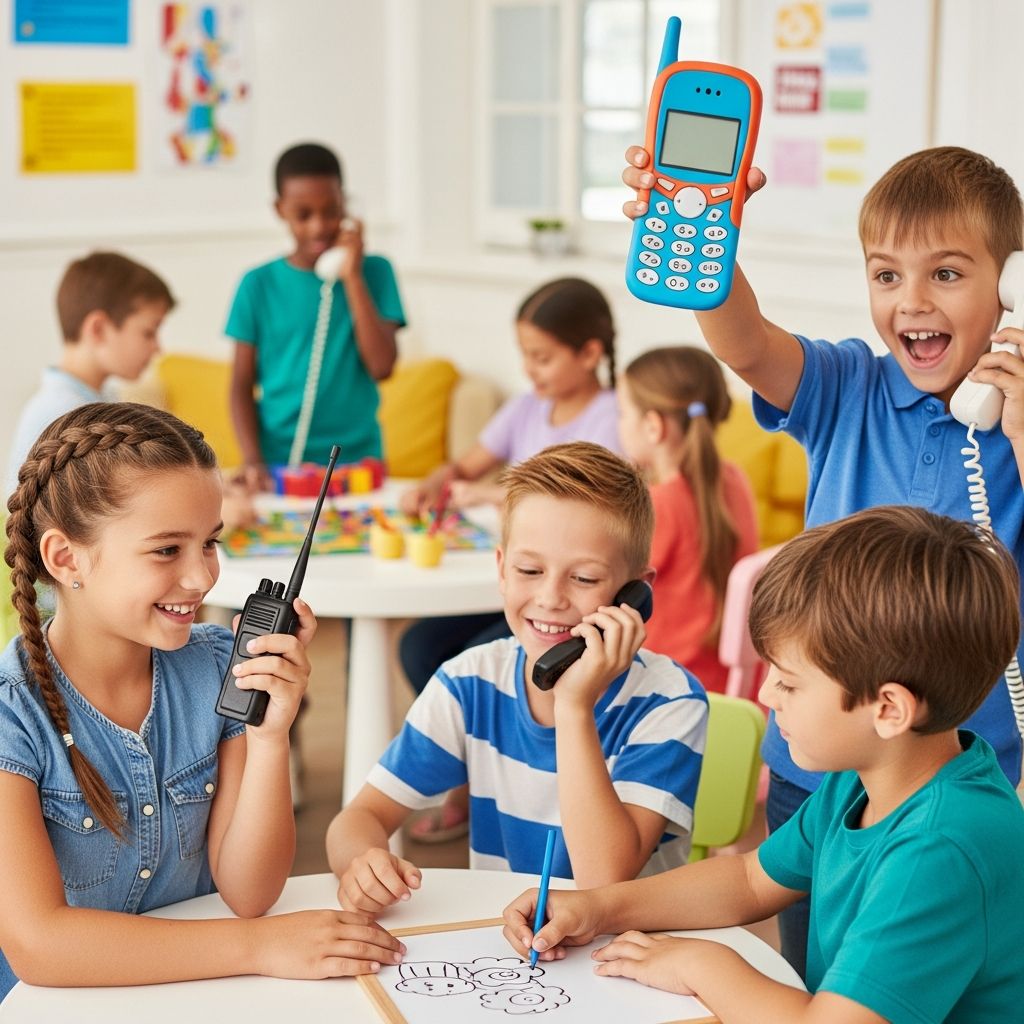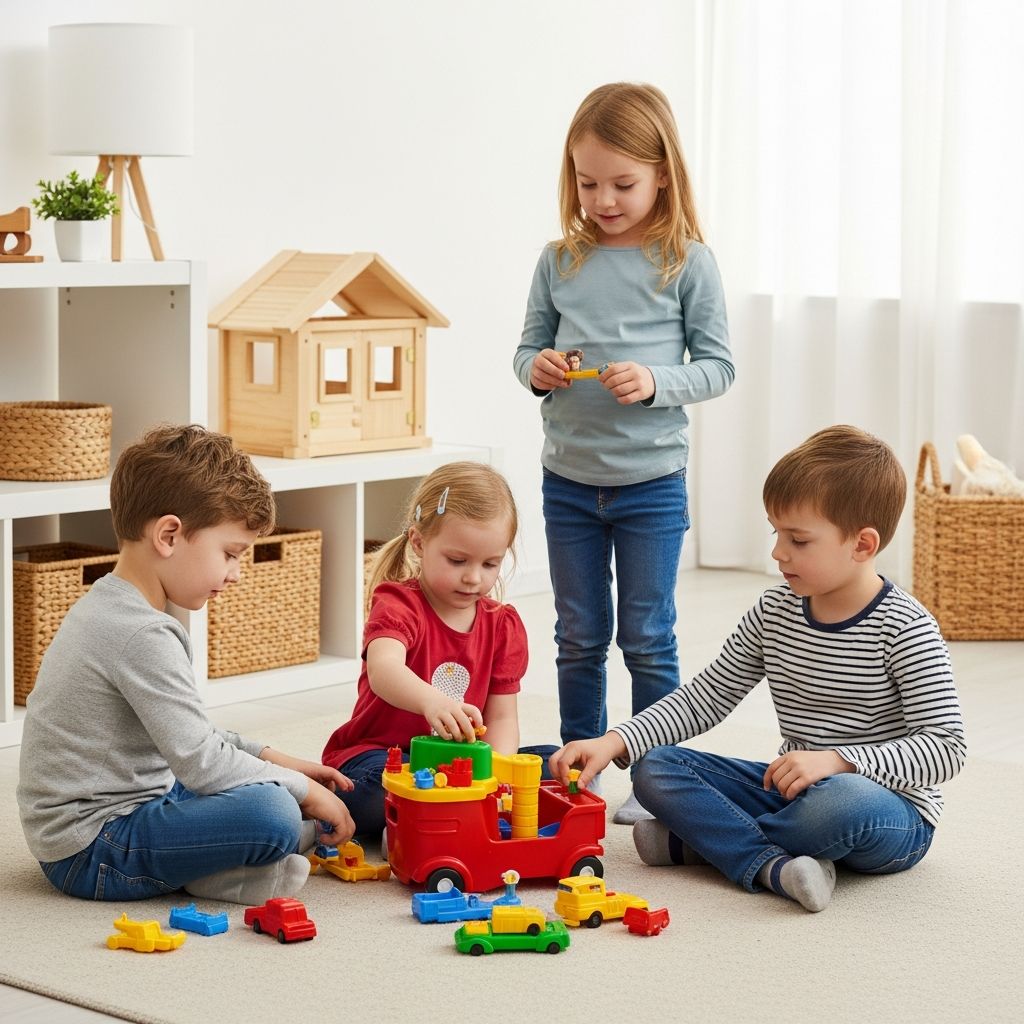
Pretend play, where children immerse themselves in imaginary roles and scenarios, serves as a cornerstone of early childhood development. This type of interactive play not only sparks creativity but also builds vital social, emotional, cognitive, and physical skills that prepare children for real-world challenges.
Understanding the Essence of Pretend Play
Pretend play involves children acting out stories, adopting characters, and manipulating objects to represent something else, such as using a block as a phone or a stick as a sword. Unlike solitary imaginative play, it thrives on interaction with peers or adults, turning everyday spaces into vibrant worlds of adventure. Research highlights its role in engaging imagination, intellect, motor abilities, language, and social values simultaneously.
Typically emerging around age three, this play peaks between ages three and six, coinciding with rapid brain development. Children negotiate roles, invent rules, and resolve conflicts organically, mirroring adult society in miniature.
Key Developmental Benefits
Pretend play delivers multifaceted advantages, transforming fun into foundational learning.
- Social Skill Enhancement: Children practice sharing, turn-taking, and cooperation by agreeing on game rules and roles. A child dominating play learns quickly that it disrupts harmony, fostering empathy and collaboration.
- Emotional Intelligence Building: Acting out scenarios helps process feelings, build empathy by viewing situations from others’ perspectives, and regulate emotions in a safe space.
- Cognitive Growth: It sharpens problem-solving, planning, and flexible thinking as kids invent solutions and adapt narratives on the fly.
- Language and Communication Boost: Discussions during play expand vocabulary, improve articulation, and encourage listening, especially beneficial for bilingual learners.
- Physical Development: Manipulating props hones fine and gross motor skills through climbing, gesturing, and crafting.
- Self-Regulation and Confidence: Following pretend rules teaches impulse control and builds esteem through successful role navigation.
How Pretend Play Shapes Social Interactions
In group settings, pretend play mirrors real-life dynamics, teaching negotiation and conflict resolution. For instance, deciding who plays the doctor or patient requires compromise, enhancing peer relationships and teamwork. Studies show regular participants excel in cooperative tasks later.
It also cultivates empathy; by embodying diverse characters, children grasp varied viewpoints, reducing egocentrism and promoting compassion. This is crucial in diverse classrooms, where understanding cultural roles through play strengthens inclusivity.
Emotional Foundations Laid by Imaginative Scenarios
Children often reenact stressful events, like family changes or medical visits, to master fears constructively. This cathartic process aids trauma processing and builds resilience.
Moreover, controlling play narratives empowers kids who feel powerless elsewhere, fostering autonomy and self-awareness. Educators note improved emotional expression and peer sensitivity post-play sessions.
Cognitive Advantages in Action
Pretend play demands symbolic thinking—representing absent objects or ideas—which underpins abstract reasoning and literacy. Kids sequence events, predict outcomes, and improvise, bolstering executive functions like memory and flexibility.
| Skill | How Pretend Play Develops It | Example |
|---|---|---|
| Problem-Solving | Creating solutions in scenarios | Fixing a ‘broken’ toy spaceship |
| Planning | Structuring play sequences | Organizing a pretend store opening |
| Flexibility | Adapting to peer inputs | Shifting roles mid-game |
Practical Strategies for Parents and Caregivers
Encouraging pretend play requires minimal resources but intentional support. Start with open-ended props like scarves, boxes, and dress-up clothes to spark invention.
- Designate a cozy play corner with themes like kitchen, hospital, or space station.
- Join in briefly to model roles, then step back for child-led exploration.
- Pose open questions: ‘What happens next?’ to extend narratives.
- Rotate props weekly to inspire fresh ideas without overwhelming.
- Observe without directing, intervening only for safety or inclusivity.
For toddlers, simple mimicry like animal sounds suffices; preschoolers thrive on peer groups, while school-age kids enjoy complex plots. Limit screen time to prioritize hands-on engagement.
Age-Appropriate Play Ideas
Tailor activities to developmental stages for maximum impact.
- Ages 2-3: Mirror games, like pretending to cook with pots.
- Ages 3-4: Role-play family routines or animal rescues.
- Ages 4-5: Community helpers—firefighters, bakers—with props.
- Ages 5-6: Elaborate adventures, like pirate quests or time travel.
- Ages 6+: Themed parties or historical reenactments.
Incorporate multicultural elements, such as global festivals, to broaden horizons.
Role of Educators in School Settings
Teachers amplify benefits by integrating play into curricula. Dedicated dramatic play areas with realistic props promote sustained engagement. Professional development equips staff to facilitate without dominating.
Despite academic pressures, evidence supports play’s long-term gains over rote learning. Programs balancing both yield well-rounded learners.
Overcoming Common Challenges
Some children resist participation due to shyness or overstimulation. Gently introduce one-on-one play, praising efforts over perfection. For large groups, assign rotating roles to ensure equity.
Space constraints? Use portable kits. Parental busyness? Short daily sessions suffice. Track progress via journals to celebrate growth.
Frequently Asked Questions (FAQs)
What age is best for pretend play?
Ideal from 2-7 years, peaking at 3-6 when imagination flourishes.
Does pretend play help shy children?
Yes, it builds confidence through safe role exploration and peer bonds.
How much time daily for play?
30-60 minutes unstructured play daily yields optimal benefits.
Can adults over-involve in play?
Model briefly, then observe to preserve child ownership.
Is pretend play linked to academics?
Strongly; it enhances language, cognition, and self-regulation for school readiness.
Long-Term Impacts on Lifelong Learning
Children immersed in pretend play show superior empathy, adaptability, and creativity into adulthood. It equips them for collaborative workplaces and emotional resilience amid change. Investing now pays dividends forever.
References
- Sociodramatic play — EBSCO Research Starters. Accessed 2026. https://www.ebsco.com/research-starters/social-sciences-and-humanities/sociodramatic-play
- The Impact of Dramatic Play in Early Childhood Education — Penn Foster. Accessed 2026. https://www.pennfoster.edu/blog/benefits-of-dramatic-play-in-ece
- The Benefits of Dramatic Play for Young Children — PBS Bento. Accessed 2026. https://bento.pbs.org/prod/filer_public/pbsnc-redesign-phase-1/education/child-care-101/importance-of-play/b3664e7c0b_Dramatic_Play_for_Young_Children__Uncovering_Its_Essential_Benefits.pdf
- The Role of Dramatic Play in the Lives of Young Children — Community Playthings. 2025-05. https://www.communityplaythings.com/resources/articles/the-importance-of-dramatic-play-for-young-children
- 6 Reasons Why Dramatic Play Matters — Rasmussen University. Accessed 2026. https://www.rasmussen.edu/degrees/education/blog/why-dramatic-play-matters/