Winnie-the-Pooh coloring pages are far more than cute pictures of a honey-loving bear; they can become a powerful tool for creativity, learning, and quiet connection time with children. By choosing the right pages and pairing them with simple activities, parents and caregivers can turn a favorite character into hours of meaningful play.
Why Children Love Winnie-the-Pooh
Children are naturally drawn to Winnie-the-Pooh because the stories feel gentle, safe, and familiar. The characters are expressive without being overwhelming, which makes them perfect for younger artists who are still learning to recognize emotions and body language.
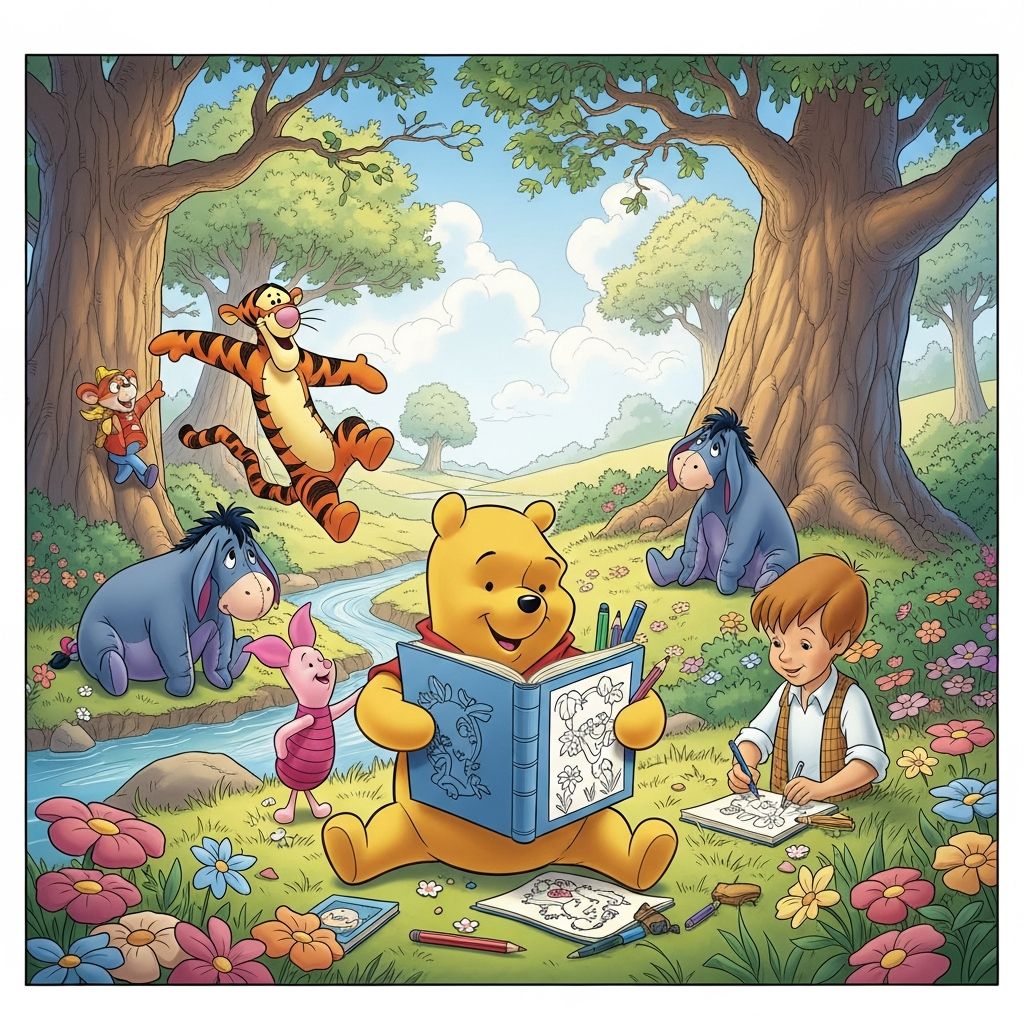
Coloring scenes from the Hundred Acre Wood lets kids revisit their favorite moments, imagine new adventures, and connect emotionally with characters like Pooh, Piglet, Tigger, and Eeyore. This combination of comfort and imagination makes Pooh-themed coloring sheets some of the most requested pages in many homes and classrooms.
Benefits of Winnie-the-Pooh Coloring Time
Coloring may seem like a simple pastime, but it supports multiple areas of child development at once. Pooh-themed pages in particular can be used intentionally to guide skills, emotions, and creativity.
- Fine-motor practice: Holding crayons, markers, or colored pencils builds small hand muscles and improves pencil control.
- Pre-writing skills: Staying within lines, tracing shapes, and adding small details prepare children for handwriting.
- Emotional regulation: Coloring calm, friendly characters offers a soothing focus when kids feel overstimulated.
- Imagination and storytelling: Familiar scenes encourage kids to tell stories about what might be happening in the picture.
- Color recognition: Children can practice naming colors and choosing color combinations that make sense to them.
Choosing the Right Pooh Pages by Age
Not all coloring sheets are a good match for every age. Selecting age-appropriate designs keeps kids engaged instead of frustrated.
| Age Group | Best Page Style | Recommended Features |
|---|---|---|
| Toddlers (1–3 years) | Very simple, large shapes of single characters | Thick outlines, minimal background details, big open areas |
| Preschoolers (3–5 years) | Pooh and friends with a few props or scenery | Trees, balloons, honey pots, clouds, and easy patterns |
| Early Elementary (5–8 years) | Group scenes and seasonal settings | Costumes, weather elements, simple words or banners |
| Older Kids & Tweens | More detailed line art and patterned backgrounds | Flowers, leaves, geometric borders, layered scenery |
| Teens & Adults | Intricate designs featuring Pooh-themed mandalas or quotes | Thin lines, tiny details, complex patterns for stress relief |
Setting Up a Cozy Pooh Coloring Corner
A dedicated space can transform coloring into a relaxing ritual rather than a quick distraction. The goal is comfort, easy access to supplies, and a touch of Hundred Acre Wood magic.
Use a child-height table or a cleared section of the dining table, and add a small basket of Pooh-themed pages, crayons, washable markers, and colored pencils. Consider taping a few finished pictures to the wall nearby to celebrate your child’s artwork.
Simple Setup Checklist
- Flat surface large enough for paper and elbow room.
- Comfortable chair or cushion that lets feet rest on the floor or a box.
- Shallow container or caddy for coloring tools sorted by type.
- Folder or clipboard to keep fresh Winnie-the-Pooh pages unwrinkled.
- Optional: soft background music and a small stuffed Pooh for company.
Fun Themed Ideas: Pooh in Every Season
Seasonal themes keep coloring sessions fresh and help children notice what is happening in the world around them. You can gently guide their attention to weather, clothing, and outdoor changes while they color.
Spring in the Hundred Acre Wood
In spring, look for or sketch pages where Pooh and his friends are surrounded by flowers, butterflies, or light rain showers. As children color, talk about new plants, baby animals, and changing temperatures.
- Use soft pastels like light greens, pinks, and yellows for a fresh spring look.
- Encourage kids to add their own flowers or raindrops around the characters.
- Ask them what kind of spring picnic Pooh might be heading to with his basket.
Summertime Picnics and Play
Summer-themed Pooh coloring pages often show sunshine, trees in full leaf, and outdoor play. These are great for talking about sun safety, favorite foods, and outdoor games.
- Invite kids to color bright skies, bold green grass, and colorful picnic blankets.
- Have them draw honey jars, watermelon slices, or lemonade near Pooh.
- Encourage storytelling about where the friends are headed after the picnic.
Autumn Leaves and Cozy Moods
Autumn scenes give kids a chance to explore warm color palettes and learn about changing leaves. Pooh in a sweater, Piglet with a scarf, and piles of leaves create comforting images.
- Provide crayons in reds, oranges, browns, and deep golds for leaf piles.
- Ask children to design their own patterns on scarves or sweaters.
- Talk about favorite cozy snacks and compare them with Pooh’s love of honey.
Winter Snow and Holiday Cheer
Winter coloring pages can focus on snow, mittens, or gentle holiday themes. These scenes can calm pre-holiday excitement by offering quiet, focused play.
- Use blues, white spaces, and silver or light gray pencils to show snow and ice.
- Invite kids to add tiny details like snowflakes, stars, or decorations.
- Discuss giving, friendship, and ways to stay warm, using the characters as examples.
Creative Ways to Use Finished Pooh Pages
Once the coloring is done, you do not have to throw the pages into a drawer. Finished Winnie-the-Pooh art can become decorations, keepsakes, and homemade gifts with very little extra effort.
Easy Display and Décor Ideas
- Rotating gallery wall: Hang a piece of string or ribbon and clip finished pages with clothespins for an instant art display.
- Framed favorites: Let your child choose one page each month to place in a simple frame in their room.
- Seasonal banner: Hole-punch the top corners of pages and string them across a bedroom or classroom as a seasonal Pooh banner.
Pooh-Themed Gift Projects
Handmade gifts built from coloring pages show thoughtfulness and allow kids to feel proud of their creativity. You can help with cutting and assembly while children focus on the artistic parts.
- Homemade greeting cards: Cut out a character or scene and glue it to folded cardstock for birthdays, thank-you notes, or “just because” cards.
- Bookmarks: Trim a colored strip featuring Pooh or a friend, laminate it (or cover with clear tape), and punch a hole for a ribbon.
- Gift tags: Use small colored details like honey pots or balloons, cut them out, and punch a hole to tie them onto presents.
Storytelling Activities with Pooh Coloring Pages
Coloring and storytelling blend naturally for many children. Combining the two transforms a quiet art project into an early literacy activity.
- Invite your child to name their picture with a short title, such as “Pooh’s Rainy Day Adventure.”
- After coloring, ask them to tell a two- or three-sentence story about what is happening.
- Write their words on the back of the page or in a notebook to create a simple story collection.
- For older children, encourage them to write captions or short comic-style speech bubbles directly on the page.
Educational Twists: Learning with Pooh
Winnie-the-Pooh coloring pages can double as learning tools when small academic tasks are attached to the artwork. The character familiarity lowers anxiety and makes new concepts feel friendly.
Early Math Ideas
- Count how many characters, trees, honey pots, or balloons appear on the page.
- Ask children to color all “three” honey pots yellow, all “two” balloons red, and so on.
- Create simple addition problems based on the picture: “Pooh has 2 jars of honey, and Rabbit brings 1 more. How many jars now?”
Literacy and Vocabulary
- Introduce new words like “gloomy,” “bouncy,” or “curious” and connect them to Eeyore, Tigger, or Christopher Robin.
- Have kids circle objects that start with a certain letter, such as “B” for balloon, bear, or bush.
- Create simple word labels for younger readers, and let them match labels to parts of the picture.
Tips for Coloring with Multiple Children
Group coloring sessions can be joyful, but they may also lead to conflicts over supplies, space, or page choices. Setting a few expectations beforehand helps everyone relax.
- Offer identical or similar Winnie-the-Pooh pages so kids do not argue over a single favorite design.
- Place duplicate sets of popular colors (such as multiple yellows and browns for Pooh) in different spots on the table.
- Encourage children to compliment each other’s work and remind them that there is no single “correct” way to color the characters.
- Set a gentle timer if you need to rotate special markers or glitter pens between kids.
Making Coloring Accessible for All Abilities
Every child should be able to enjoy the warm, friendly world of Winnie-the-Pooh, regardless of fine-motor challenges or sensory needs. Small adjustments can make coloring inclusive and enjoyable.
- Offer thicker crayons or triangular pencils that are easier to grip.
- Use clipboards or painter’s tape to keep the paper from sliding for kids who struggle with coordination.
- Choose pages with bold outlines and large areas for children who tire easily or become frustrated with tiny details.
- Allow kids who dislike coloring to participate by choosing colors, placing stickers, or adding simple stamps around the characters.
Frequently Asked Questions About Winnie-the-Pooh Coloring PagesHow often should children spend time coloring?
There is no strict rule for how long children should color; focus on their interest and attention span rather than a specific number of minutes. Short daily sessions of 10–20 minutes often work well because they build routine without causing fatigue.
Which coloring tools are safest for young kids?
For toddlers and preschoolers, look for non-toxic, washable crayons and markers specifically labeled for young children. Avoid very fine-tipped markers at first, as they can tear paper and may feel frustrating to new colorers.
Can older kids and adults enjoy Pooh coloring pages too?
Absolutely. Many teens and adults find simple, nostalgic characters like Winnie-the-Pooh ideal for stress relief and mindful coloring. More detailed line art and patterned backgrounds can offer enough complexity to remain engaging for older artists.
How can I store or organize finished pages?
You can slide finished pages into clear sheet protectors and collect them in a binder for each child. Another option is to photograph or scan favorite pieces and create a digital album or photo book so you can reduce paper clutter while preserving memories.
What if my child only wants to use one color?
Using a single color repeatedly can still be meaningful practice in control and focus, especially for young or cautious children. Gently introduce variety by suggesting small changes, such as adding one new color for honey or leaves, but avoid forcing them to switch if they are happily engaged.
Bringing the Hundred Acre Wood Home
Winnie-the-Pooh coloring pages invite children into a kind, gentle world where curiosity, friendship, and simple pleasures are at the center of every adventure. With a little creativity, those printed pages can evolve into stories, learning activities, handmade gifts, and quiet family rituals that children remember fondly.
Whether your child fills Pooh’s honey pot with bright rainbow colors or carefully recreates classic shades, each finished page represents practice, patience, and personal expression. Over time, your home can become its own version of the Hundred Acre Wood—full of art, imagination, and the comforting presence of a very lovable bear.