Making Smart Choices When Shopping for Kids’ Clothing During Major Sales Events
As a parent, navigating the landscape of children’s fashion can feel overwhelming, especially when you’re trying to balance style, quality, and budget. Spring sales events present incredible opportunities to refresh your child’s wardrobe without breaking the bank. Understanding how to approach these seasonal shopping events strategically can help you secure pieces that are both trendy and practical while maximizing your spending power. The key to successful shopping during these periods involves knowing what to look for, understanding current style trends, and having a clear strategy before you begin.
Understanding Current Kids’ Fashion Directions in 2026
Today’s children’s fashion scene is experiencing a significant shift toward more expressive and adventurous styling choices. Sparkle and shimmer have moved beyond special occasions and are now integrated into everyday wear for kids. This represents a notable departure from previous years’ emphasis on minimalism and basic comfort-focused designs. Parents shopping during spring sales will notice an abundance of options featuring metallic finishes, iridescent fabrics, and glitter accents that appeal to children’s desire for self-expression through fashion. Understanding these trends helps you make purchasing decisions that will keep your child looking current and feeling confident in their clothing choices.
The Rise of Luminous and Reflective Materials
One of the most prominent trends influencing kids’ fashion this year involves materials that catch light and create visual interest. Metallic fabrics in silver, gold, and holographic variations are appearing across multiple garment categories. These aren’t limited to formal occasions anymore—parents will find metallic elements in everyday pieces like puffer jackets, raincoats, and casual boots. This trend suggests that manufacturers are responding to children’s preferences for clothing that makes them feel special and unique in their daily activities. When browsing spring sales, prioritizing items with these finishes ensures your purchases align with contemporary style preferences.
Graphic Elements and Bold Visual Statements
Children’s clothing is increasingly featuring prominent graphic designs that serve as focal points rather than subtle accents. Stars, hearts, lightning bolts, peace signs, and other symbolic imagery are dominating tops, sets, leggings, and dresses. Rainbow-inspired designs are also experiencing a resurgence, particularly in the form of ombre gradients and multi-color blends that feel modern and photographable. Animal-themed prints continue to appeal to younger children, now enhanced with glitter overlays and metallic details. These graphic elements make pieces immediately recognizable and allow children to express personality through their clothing selections.
Strategic Approaches to Finding Quality Deals on Kids’ Apparel
Successfully shopping during major sales events requires more than simply browsing available inventory. Developing a systematic approach helps you identify quality items at the best possible prices while avoiding impulse purchases that don’t serve your child’s actual wardrobe needs. Consider creating a mental inventory of gaps in your child’s current wardrobe and the specific items that would address those gaps. This prevents the common pitfall of purchasing items simply because they’re on sale, regardless of whether they actually integrate well with existing clothing or meet your child’s practical needs.
Evaluating Quality Before Committing to Purchases
When items are significantly discounted, it’s essential to examine construction quality carefully. Check seams for even stitching, verify that zippers function smoothly, and examine fabric for any signs of damage or manufacturing defects. Items on clearance are sometimes discounted due to quality issues rather than simply seasonal transitions. Read customer reviews on retailer websites, as other parents often provide valuable insights about durability, sizing accuracy, and how garments hold up through washing and wearing. Prioritizing quality ensures that discounted items will actually last through multiple wearings and potentially be passed along to younger siblings or other children.
Understanding Size Progressions and Growth Patterns
Children grow at varying rates, making sizing particularly important when purchasing clothing on sale. Rather than buying multiple items in your child’s current size, consider purchasing some pieces in the next size up if the prices are significant. This strategy extends the value of your purchase and ensures the items remain wearable through multiple growth phases. However, avoid buying too far ahead, as fashion trends and style preferences change rapidly. A one-size-up approach works better than attempting to buy for two or three years in advance, which often results in outgrown clothing that’s no longer fashionable when your child finally fits into it.
Building a Versatile Foundation Wardrobe During Sales Events
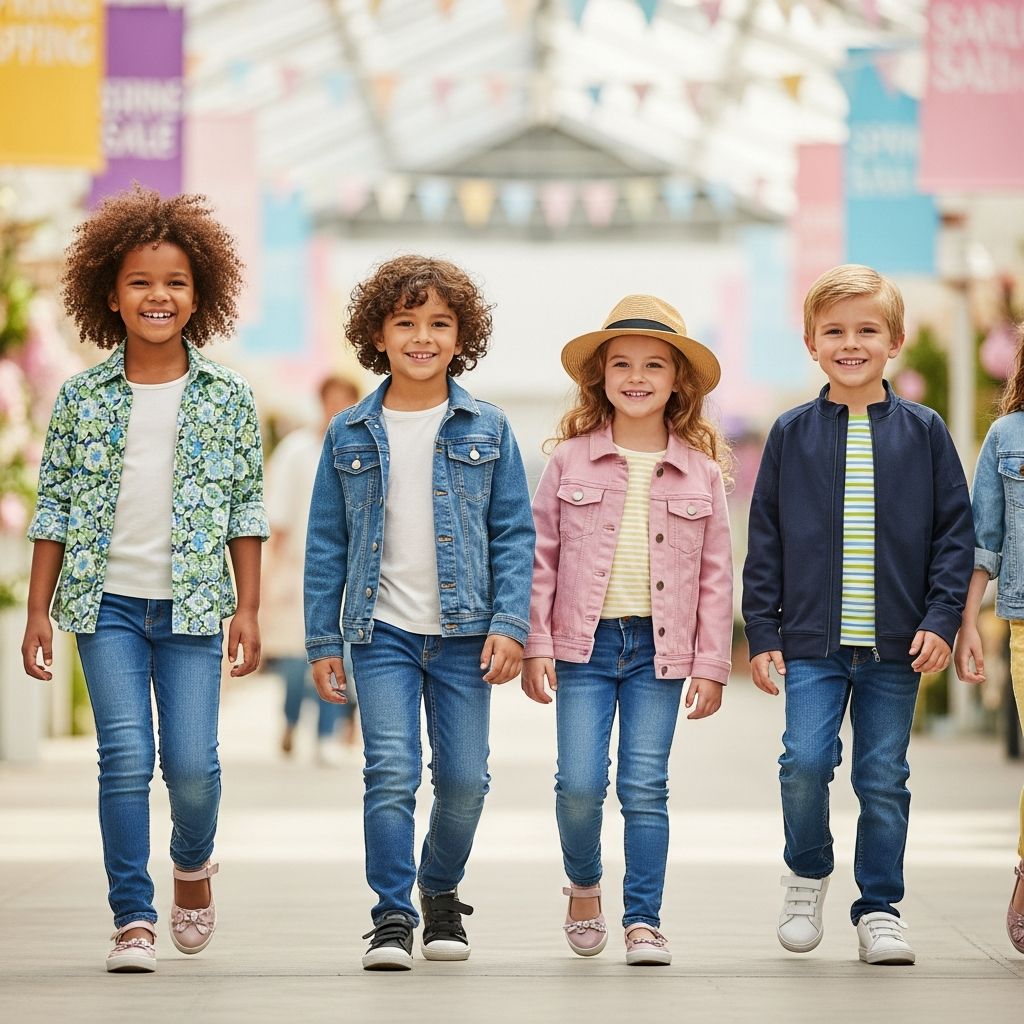
Rather than purchasing trend-heavy pieces exclusively, strategic shoppers balance trendy items with timeless basics that form the foundation of a functional wardrobe. Sales events provide excellent opportunities to stock up on neutral basics—solid-colored tops, classic denim, simple sweaters, and foundational pieces that coordinate with multiple outfits. These basics create the framework that allows trendy items to shine while ensuring your child always has appropriate clothing for various situations and seasons.
Layering Pieces as Practical Investments
Hoodies, cardigans, lightweight jackets, and sweatshirts serve multiple purposes and extend the wearability of other garments across varying temperatures and seasons. During spring sales, these layering pieces are often competitively priced. Investing in several neutral and patterned options ensures your child can adapt to temperature changes without requiring a complete outfit change. Quality layering pieces also work across multiple years as children grow, making them particularly cost-effective purchases during sales events. Look for items in neutral colors that coordinate with various bottoms and printed tops for maximum versatility.
The Importance of Functional Footwear
Shoes represent a significant clothing budget category and are particularly important for developing children’s feet and active play. Spring sales often feature excellent deals on sneakers, casual shoes, and sandals appropriate for warmer weather. When purchasing shoes during sales events, prioritize comfort and proper fit over style alone, though finding options that satisfy both criteria is increasingly possible. Quality children’s footwear should provide appropriate arch support and room for growth without excessive extra space. Taking advantage of sales pricing on durable, well-constructed shoes helps stretch your children’s clothing budget while ensuring they have appropriate footwear for various activities.
Seasonal Considerations and Weather-Appropriate Selections
Spring sales occur during transitional seasons when weather patterns can be unpredictable. Choosing clothing that accommodates temperature fluctuations helps ensure pieces purchased during sales remain functional throughout the season. Items featuring moisture-wicking capabilities work well for active children, while water-resistant outerwear serves those living in regions with spring precipitation. Understanding your local climate patterns helps direct purchasing decisions toward items your child will actually wear regularly rather than pieces that sit unused because they’re inappropriate for your specific environment.
Maximizing Value Through Smart Combination Purchasing
Consider how individual pieces work together to create multiple outfits rather than evaluating items in isolation. A single pair of pants can be styled numerous ways with different tops, while coordinating separates multiply outfit possibilities exponentially. This approach to purchasing allows you to create extensive wardrobe variety from fewer total items, stretching your sales shopping budget further. Neutral bottoms paired with multiple printed tops create the illusion of a larger wardrobe while minimizing the total number of garments required. This strategy is particularly valuable when shopping during sales, as you can allocate budget toward trendy printed items knowing they coordinate with existing neutral pieces.
Caring for Discounted Items to Extend Longevity
Maximizing the value of sale purchases extends beyond the point of purchase to include proper care and maintenance. Reading and following garment care instructions helps prevent damage that could significantly shorten usable lifespan. Washing items promptly after purchase helps identify any manufacturing defects while return windows remain open. Using appropriate water temperatures, gentle detergents, and proper drying methods helps preserve fabric quality and color vibrancy. Items featuring glitter or metallic accents require particular care to ensure embellishments remain intact through multiple wash cycles. Treating stains promptly and mending minor damage immediately prevents small issues from rendering items unwearable.
Online Versus In-Store Shopping Strategies
Different retail channels offer distinct advantages during major sales events. Online shopping provides access to larger inventories and allows leisurely browsing without time pressure, though it requires careful attention to sizing charts and return policies. In-store shopping enables physical inspection of fabric quality and precise sizing verification, though inventory may be more limited. Many retailers offer both channels simultaneously during spring sales, allowing you to combine strategies—researching online while trying items in physical locations to verify fit before committing to purchases. Understanding each channel’s specific advantages helps you optimize your shopping approach based on your personal preferences and specific needs.
Setting Realistic Budgets and Avoiding Overspending
Sales events create psychological pressure to purchase more than intended, often based on discount percentages rather than actual need or budget constraints. Setting a predetermined spending limit before shopping helps maintain financial discipline despite compelling deals. Prioritizing essential items like basics, seasonal necessities, and worn-out replacements before browsing trending pieces ensures your budget addresses genuine needs first. Creating a mental list of specific items you’re seeking helps maintain focus during browsing and reduces impulse purchases of items that sounded appealing in the moment but don’t address actual wardrobe needs.
Frequently Asked Questions About Kids’ Clothing Sales Shopping
Q: How far in advance should I purchase clothing during spring sales?
A: Purchase items your child needs immediately or in the next one to two months. While buying ahead can save money, children’s sizes and fashion preferences change rapidly, potentially rendering advance purchases obsolete before they’re worn.
Q: What’s the best way to determine if a sale price is genuinely discounted?
A: Research typical retail prices for specific items or brands before sales events. Price comparison tools and reviewing historical prices on retailer websites helps you identify whether current discounts represent genuine savings or artificially inflated original prices with corresponding large percentage reductions.
Q: Should I prioritize trendy items or basics during spring sales?
A: Balance both categories. Invest primarily in quality basics that form your wardrobe foundation, then allocate remaining budget to trendy pieces that add personality and excitement to outfits without compromising essential items.
Q: How can I ensure clothing purchased during sales actually fits properly?
A: Verify measurements against retailer-specific sizing charts rather than relying on standard sizes, read customer reviews commenting on fit, and take advantage of return policies to confirm items fit your child appropriately before finalizing purchases.
Q: What should I avoid when shopping during major sales events?
A: Avoid purchasing items in trendy colors that clash with existing wardrobe pieces, buying clothing in sizes too far from your child’s current measurements, and selecting items that require special care beyond your typical laundering routine.
References
- 2026 Kids Fashion Trends: Sparkly Styles & Must-Have Outfits — Lola and The Boys. 2026. https://lolaandtheboys.com/blogs/news/kids-fashion-trends-2026
- The Best Amazon Prime Day Clothing Deals for Kids — Motherly. Retrieved from https://www.mother.ly/back-to-school/the-best-prime-day-clothes-for-kids/