Moving into a dorm means new freedom, new responsibilities, and one chore that can no longer be avoided: doing laundry alone. This guide turns laundry from a mystery into a manageable routine your college-bound student can confidently handle.
Why Laundry Matters More in College Than at Home
At home, laundry is usually flexible: if someone forgets a load, another machine is available later. On campus, access to washers and dryers is limited and often shared by dozens of students, which makes planning, speed, and basic know-how crucial.
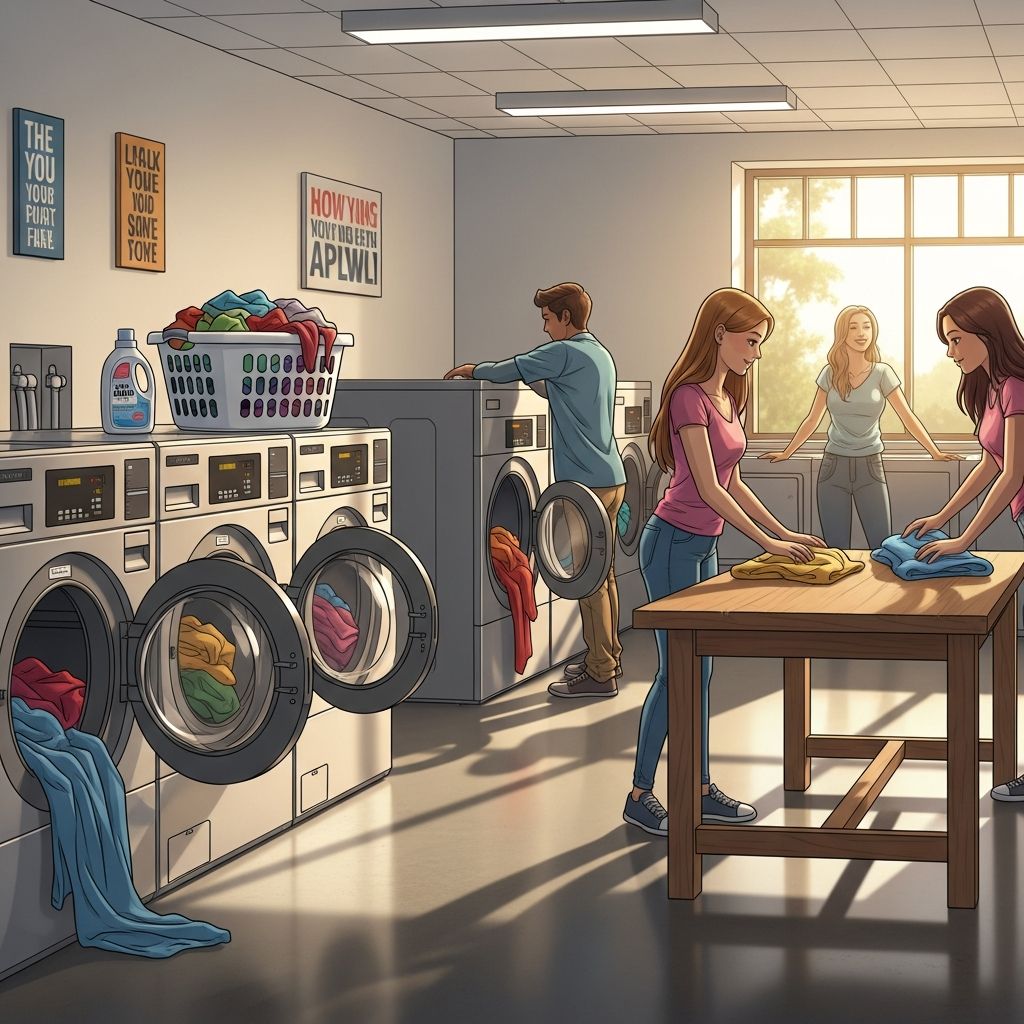
- Most campuses provide shared laundry rooms, often in the basement or a nearby building.
- Many dorm machines run on app payments or card systems, not coins, so students must be prepared before laundry day.
- Campus housing guides and checklists specifically recommend bringing basic laundry supplies such as detergent, softener, and a bag or basket for transport.
Learning a simple laundry routine before move-in helps prevent ruined clothes, last-minute panics, and expensive replacement shopping.
Dorm Laundry Toolkit: What Students Should Pack
Students do not need an entire cleaning aisle in their tiny room, but they do need a small set of reliable tools. College planning resources consistently highlight a few essentials.
| Item | Why It Matters | Quick Tips |
|---|---|---|
| Laundry bag or basket | Holds dirty clothes and makes trips to the laundry room manageable. | Choose a soft bag with straps or handles for stairs and long hallways. |
| Detergent (pods, powder, or liquid) | Cleans clothes; pods or powder are easier to carry and portion. | Pods are ideal for dorms—no spills and easy to measure correctly. |
| Stain remover | Pre-treats spills before they set, saving expensive clothes. | A small spray, stick, or pen fits easily in a caddy or laundry bag. |
| Mesh laundry bags | Protects delicates and keeps socks together in big machines. | Use for underwear, bras, and small items that tend to disappear. |
| Drying rack or hangers | Lets clothes air-dry, preventing shrinking and stretching. | Foldable racks save space in tight dorm rooms. |
| Dryer balls or sheets | Reduces static and softens fabrics; balls can shorten drying time. | Wool dryer balls are reusable and take up little space. |
Optional but helpful additions:
- Small sewing kit (for buttons and quick fixes).
- Mini steamer or wrinkle-release spray when ironing is impractical.
- Lint brush for dark clothes and interview outfits.
Sorting Clothes: The First Line of Defense Against Laundry Disasters
Most laundry problems—pink socks, gray towels, shredded T-shirts—start with poor sorting. A few simple categories prevent most mishaps.
Core Sorting Categories
- Lights: Whites and very pale colors (white T-shirts, light socks, sheets).
- Darks: Black, navy, dark gray, deep reds, dark jeans.
- Brights: Strong colors (royal blue, bright red, neon pieces) that might bleed early on.
- Towels and bedding: Heavier items that shed lint and can handle warmer or hotter water.
- Delicates/athletic wear: Items needing gentler cycles or cooler water.
Campus laundry guides recommend sorting at the dorm before heading to the machines to save time and avoid mistakes in crowded laundry rooms.
How to Test a New Item for Color Bleed
New dark or bright items may release dye in the first few washes. A quick test can prevent damage to an entire load:
- Dampen an inconspicuous area of the clothing with warm water.
- Press a white cloth or paper towel firmly onto the wet area.
- If the cloth picks up color, wash that garment by itself or with similar darks for the first few cycles.
Reading Care Labels Without Overthinking
Clothing labels can look like a secret code, but they only communicate a few main ideas: water temperature, washing method, drying method, and ironing or bleaching limits.
Label Basics in Plain Language
- Machine wash cold/warm/hot: Use that temperature setting on the washer.
- Hand wash or delicate: Use a gentle cycle and cold water; consider a mesh bag for protection.
- Do not bleach: Avoid chlorine bleach; oxygen-based products are usually safer alternatives.
- Tumble dry low/high: Safe for the dryer, but use the indicated heat level.
- Line dry / lay flat: Skip the dryer; use a drying rack, hangers, or a clean flat surface.
- Do not iron / cool iron only: Either avoid ironing or keep temperature low.
When in doubt, cold water and low heat are the safest defaults for most everyday clothing.
Detergent Decisions: Picking and Using the Right Type
Lugging giant jugs across campus is inconvenient, which is why many college-focused checklists recommend compact options.
Types of Detergent
- Pods: Pre-measured, portable, and simple to use. Ideal for dorms because they reduce spills and overuse.
- Powder: Lightweight, often cheaper per load, and easy to store in a small container.
- Liquid: Good for pretreating stains but heavier and more spill-prone during transport.
Using Detergent the Right Way
- Use one pod for a normal load; only use two for very large, heavily soiled loads (and only if the machine can handle the size).
- If using powder or liquid, start with the lowest amount recommended on the package and adjust only if clothes still look or smell dirty.
- Avoid adding extra detergent “just in case”; excess soap can leave residue and make clothes feel stiff or itchy.
Stain Triage: What to Do Before the Wash
Quick action matters more than fancy products. Many college students rely on a small stain stick or pen because it fits easily in a backpack or dorm drawer.
General Stain Rules
- Act fast: Blot (do not rub) liquids with a clean cloth or paper towel.
- Cold water first: Rinse most fresh stains with cold water from the back of the fabric to push the stain outward.
- Pre-treat: Apply a stain remover and let it sit for a few minutes before washing.
- Check before drying: Heat can set stains. If a mark is still visible after washing, repeat treatment before using the dryer.
Quick Approaches for Common College Stains
- Coffee, soda, juice: Rinse with cold water, pre-treat, then wash in cool or warm water.
- Grease or oil: Gently dab with a little dish soap or liquid detergent, rinse, then wash warm.
- Ink from pens: Blot (do not smear), apply stain remover or rubbing alcohol to a small area first to test, then wash cold.
- Food sauces: Scrape off excess, rinse from the back with cold water, treat with stain remover, and wash.
Using Campus Washing Machines Step-by-Step
Many dorms provide high-efficiency machines that use less water and require appropriate detergent amounts. Although models differ, the basic steps remain consistent.
- Gather and sort laundry in the room before heading down: lights, darks, towels, and delicates.
- Check machines for anything left behind and remove lint or stray items.
- Load the washer loosely. Do not pack clothes down; the drum should be about two-thirds full.
- Add detergent according to machine type (pod directly into the drum, powder/liquid in the designated dispenser).
- Select settings:
- Everyday clothes: cold or warm water, normal cycle.
- Delicates: cold water, gentle cycle, mesh bags for protection.
- Towels and bedding: warm or hot water if fabric allows.
- Start the machine, set a timer on your phone for the cycle length, and return promptly to move clothes to the dryer.
Drying Clothes Without Ruining Them
Dryers are powerful and unforgiving. Campus laundry guides emphasize smart use of heat and simple tools like dryer balls or racks.
What Belongs in the Dryer
- Yes, usually safe: Cotton T-shirts, socks, underwear, pajamas, towels, most sheets.
- Use caution: Jeans, sweatshirts, and hoodies (medium or low heat, remove while slightly damp to avoid stiffness).
- Skip the dryer: Delicate fabrics, activewear with elastic, anything labeled “line dry” or “lay flat,” and items likely to shrink.
Dryer Basics
- Clean the lint filter before each load for safety and faster drying.
- Do not overfill the dryer; clothes need room to tumble.
- Add dryer balls or a sheet to reduce static and soften fabrics.
- Use low or medium heat when unsure; high heat is best reserved for sturdy items like towels.
- Remove clothes promptly to reduce wrinkling and free up machines for other students.
Air-Drying in Small Dorm Spaces
Line drying protects fabrics and helps clothes last longer, especially for delicates and sportswear.
- Use a foldable drying rack that can be tucked away when not in use.
- Hang lightweight shirts on plastic hangers over the rack or shower rod.
- Lay sweaters or stretchy garments flat on a towel so they do not stretch out.
- Avoid hanging wet clothes directly on wooden furniture or mattresses to prevent damage or mildew.
Weekly Laundry Routine That Actually Works
Students are more likely to keep up with laundry if they follow a predictable, low-stress routine instead of waiting until every item is dirty.
A Simple Laundry Schedule
- Pick one or two regular days each week (for example, Sunday afternoon and Wednesday evening).
- Start with one full outfit of cushion (an extra set of basics) so laundry emergencies are less likely.
- Run smaller, more frequent loads instead of giant overflowing ones; they wash and dry more effectively.
- Keep a small checklist near the hamper to remind yourself: sort, pre-treat, wash, dry, put away.
Parent-to-Student Prep Before Move-In
Parents can help long before the car is packed. University and college readiness resources consistently advise practicing real-life tasks, including laundry, at home before departure.
- Walk your student through one or two full laundry cycles on your home machines—sorting to folding.
- Let them choose and pack a laundry bag, detergent, and stain remover so they are familiar with the products.
- Print or write a one-page laundry cheat sheet with your family’s best shortcuts and tape it inside their closet or on a clipboard.
- Discuss how often they should plan to wash towels, bedding, and exercise clothes for basic hygiene.
Frequently Asked Questions (FAQs)
Q: How often should college students do laundry?
A: Most students do well with laundry once a week for clothes and every one to two weeks for sheets and towels, depending on how many items they own and how often they exercise.
Q: Is cold water enough to get clothes clean?
A: For everyday lightly soiled clothes, cold water with modern detergents is usually sufficient and helps prevent shrinking and fading. Warm or hot water is better reserved for heavily soiled loads, towels, and bedding when fabric care labels allow.
Q: What should I do if a machine on campus looks dirty?
A: Wipe the rim and door with a paper towel, run an empty short rinse cycle if time allows, and avoid overloading. If a machine is visibly moldy or damaged, report it to residence life or facilities and choose another one.
Q: Can all clothes go in the dryer on low heat?
A: Low heat is safer than high, but anything labeled “line dry,” “lay flat,” or “do not tumble dry” should air-dry instead, even on low settings, to avoid damage.
Q: What if I accidentally shrink or ruin something?
A: Almost everyone ruins at least one item while learning. Use it as a reminder to check labels, sort carefully, and use cooler settings next time. For important or expensive items, wash them in smaller loads, in mesh bags, and air-dry whenever possible.
References
- College Dorm Packing Checklist for First-Year Students — BigFuture, College Board. 2024-03-15. https://bigfuture.collegeboard.org/plan-for-college/apply-to-college/after-youve-applied/off-to-college-checklist
- Dorm Room Essentials: Everything You Should Bring with You to College — McKendree University. 2023-08-09. https://www.mckendree.edu/offices/marketing/blog/dorm-room-essentials.php
- 7 Best Laundry Supplies for College Every Student Needs — Speed Queen. 2023-07-01. https://speedqueen.com/scoop-blog/laundry-room/tips/7-best-laundry-supplies-for-college/
- Campus Laundry Solutions for College Students: Save Time, Save Quarters, Save Sanity — Automatic Laundry. 2022-09-15. https://automaticlaundry.com/campus-laundry-solutions-for-college-students-save-time-save-quarters-save-sanity/
- College Dorm Room Laundry Essentials — Live Proofed. 2022-08-05. https://liveproofed.com/blogs/science/dorm-room-laundry-essentials