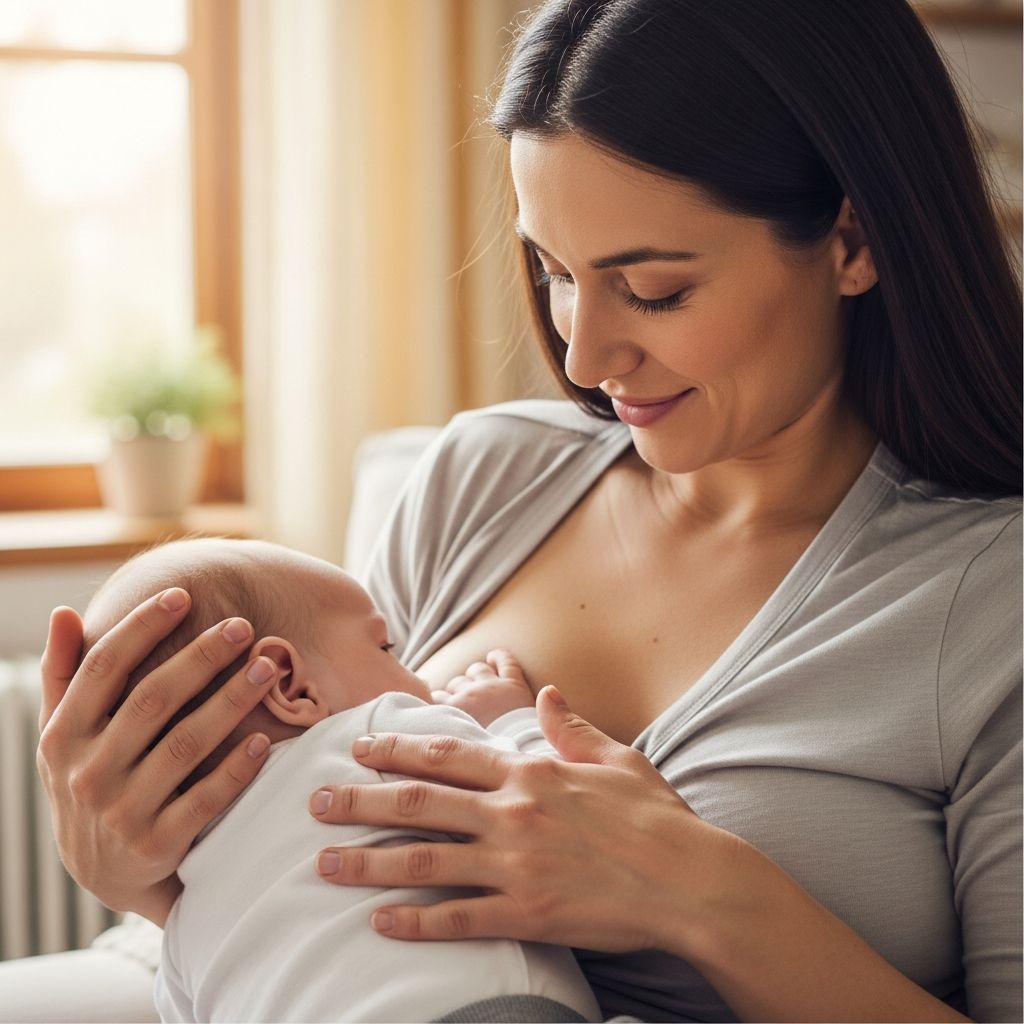
Expressed breast milk is precious, and every drop matters. Knowing how to reheat and warm it safely helps protect its nutritional and immune benefits while keeping your baby comfortable and well fed.
This guide walks through when and how to reheat breast milk, how often it can be warmed, what temperature to aim for, and the most common safety mistakes to avoid.
Why Parents Reheat Breast Milk in the First Place
Many babies prefer milk that feels close to body temperature, especially if they are used to nursing directly at the breast. Reheating stored milk can make bottle-feeding more familiar and soothing for them.
Parents also reheat milk for practical reasons: expressed milk may be stored in the refrigerator or freezer, and warming it can help a sleepy or distracted baby feed more effectively and comfortably.
Do You Have to Warm Breast Milk?
Breast milk does not have to be warmed; many babies happily drink it cool or at room temperature. If your baby accepts less-than-warm milk, you can safely skip the reheating step and save time.
Some infants, however, strongly prefer warm milk and may refuse chilled bottles. In that case, gentle warming to just above room temperature is usually enough, and there is no need to make it hot.
Key Safety Principles Before You Reheat
Before thinking about how to reheat breast milk, it is essential to start with safe storage and handling. Poor storage can make reheating unsafe, no matter which warming method you use.
- Always wash hands before pumping, handling, or pouring breast milk.
- Use clean, food-grade containers (bottles or bags specifically designed for breast milk).
- Label containers with the date and, if relevant, the time the milk was expressed.
Recommended Storage Times at a Glance
The way breast milk has been stored affects whether and how you can safely reheat it. While exact recommendations can vary slightly by organization, the ranges below reflect commonly cited, conservative guidance.
| Storage Location | Approximate Safe Time | Notes |
|---|---|---|
| Room temperature (clean conditions) | Up to about 4 hours | Use sooner if the room is warm or if hygiene is uncertain. |
| Refrigerator (back of the fridge) | Up to about 4 days | Keep away from the door to avoid temperature swings. |
| Freezer (attached to refrigerator) | About 3–4 months | Use older milk first; avoid storing in the door. |
| Deep freezer (separate chest or upright) | About 6–12 months | Temperature stays more stable, extending storage life. |
Understanding Temperature: How Warm Is “Warm Enough”?
Breast milk only needs to be slightly warm, roughly similar to body temperature. Many parents aim for lukewarm milk that feels neither cold nor hot when a few drops are placed on the inside of the wrist.
Heating milk to very high temperatures is not necessary and can damage fragile components like antibodies and certain enzymes. Overheating also increases the risk of hot spots that can burn your baby’s mouth.
Can You Reheat Breast Milk More Than Once?
Most experts recommend reheating breast milk just once. After it has been warmed and offered to your baby, any leftover milk should generally be used within a short window and then discarded.
Repeated warming and cooling can encourage bacterial growth and may reduce the nutritional and immune quality of the milk. For this reason, it is safer to warm only the amount you expect your baby to drink in one feeding.
Step-by-Step Methods to Warm Refrigerated Breast Milk
There is no single “perfect” way to warm milk, but safe methods share two features: they rely on warm water (not direct heat) and they allow the temperature to rise gradually. Below are three widely used approaches.
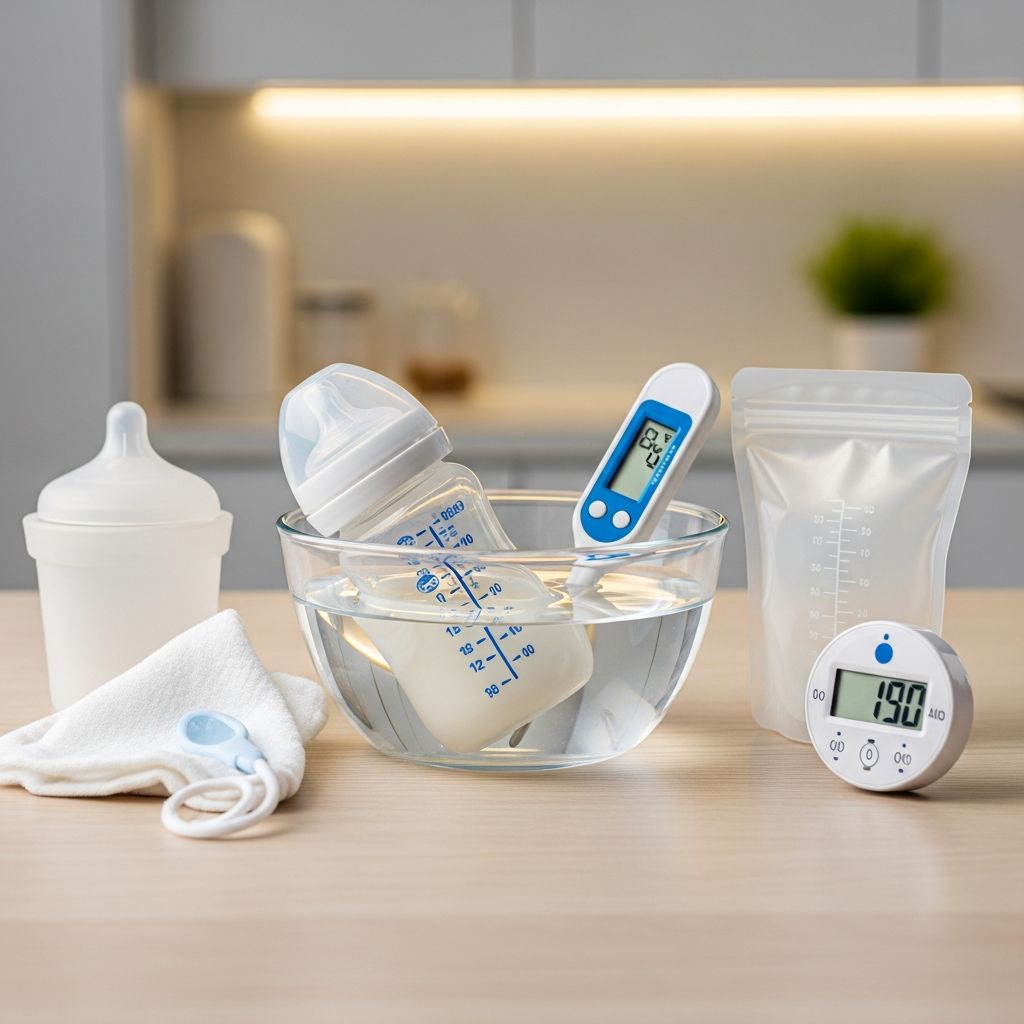
Method 1: Bowl or Cup of Warm Water
This low-tech method works with both bottles and breast milk storage bags and requires only warm tap water and a container.
- Fill a clean bowl, mug, or small pot with warm (not boiling) water.
- Place the sealed bottle or milk bag into the warm water, keeping the top above the waterline.
- Let it sit for a few minutes, gently swirling the container occasionally to distribute heat.
- Test a drop of milk on the inside of your wrist. If it feels comfortably warm but not hot, it is ready.
Method 2: Running Warm Tap Water
This approach is convenient if you have easy access to a sink and want a bit more control over the temperature.
- Hold the sealed bottle or bag under a gentle stream of warm water.
- Rotate the container slowly so all sides warm evenly.
- After a minute or two, swirl the milk gently to mix.
- Test the temperature on your wrist before feeding.
Method 3: Electric Bottle Warmer
A bottle warmer can be handy for night feeds or caregivers who prefer a set-and-forget approach, but it does require attention to settings.
- Follow the manufacturer’s instructions for water level and time or temperature settings.
- Place the bottle in the warmer and heat just until the milk is lukewarm.
- Remove promptly to avoid overheating and gently swirl the bottle.
- Always test a few drops on your wrist before giving it to your baby.
Special Considerations for Frozen Breast Milk
Frozen breast milk must be thawed before it can be safely warmed for feeding. Thawing slowly helps preserve nutrients and reduces the risk of uneven temperatures.
- Plan ahead by moving the oldest frozen milk to the refrigerator to thaw overnight.
- For faster thawing, you can hold the sealed container under cool running water, gradually making the water warmer.
Once milk is completely thawed, it is typically recommended to use it within about 24 hours if kept in the refrigerator, and it should not be refrozen. After you then warm that thawed milk, treat it like any other warmed milk and avoid reheating it again.
Why Microwaving Breast Milk Is Not Recommended
Microwaves heat liquid unevenly, so some parts of a bottle can become extremely hot while other parts remain cool. Those hot pockets can burn your baby even if the bottle feels fine from the outside.
The intense, rapid heating in a microwave can also damage sensitive bioactive components in breast milk, including certain antibodies, enzymes, and living cells that support a baby’s immune system.
How to Tell If Reheated Breast Milk Is Still Good
Breast milk naturally separates into a creamy layer on top and a more watery layer underneath when stored. This is normal; you can gently swirl (not shake vigorously) to recombine them after warming.
Signs that milk should be discarded include an off or sour smell, clumping that does not mix back together with gentle swirling, or any unusual color or texture you have not seen before with your own milk.
How Long Can Warmed Milk Sit Out?
Once breast milk has been warmed or has reached room temperature, many guidelines suggest using it within a relatively short period—often about two hours. After that time, most sources recommend discarding what remains.
This conservative time limit helps reduce the chance that bacteria will multiply in the bottle, especially since warm milk creates a more favorable environment for growth.
Practical Tips to Avoid Wasting Reheated Milk
Because rewarming multiple times is discouraged, a little planning can help you avoid pouring milk down the drain. Adjusting both your storage strategy and daily routine can make a big difference.
- Store milk in smaller portions (for example, 2–3 oz / 60–90 ml) so you only warm what you expect your baby to drink.
- Offer the bottle soon after warming so you stay within the safe time window.
- Pay attention to your baby’s typical intake at different times of day and size bottles accordingly.
Visual Guide: Reheating Do’s and Don’ts
| Practice | Recommended? | Why |
|---|---|---|
| Warm water bath (bowl or cup) | Yes | Gently and evenly warms without direct heat. |
| Running warm tap water | Yes | Easy temperature control; reduces hot spots. |
| Electric bottle warmer (used carefully) | Yes, with caution | Convenient but can overheat if settings are too high. |
| Microwave | No | Uneven heating and potential nutrient damage. |
| Direct heating on the stove | No | High risk of overheating and scorching. |
| Reheating the same milk multiple times | No | Encourages bacterial growth and nutrient loss. |
Special Situations: Premature or Medically Fragile Babies
Babies born prematurely or with certain medical conditions may be more vulnerable to infections. For these infants, many health professionals recommend even stricter handling and reheating practices.
In high-risk situations, caregivers are often advised to avoid reheating previously warmed milk at all and to discard leftovers promptly. Always follow the guidance of your baby’s healthcare team if your child has special medical needs.
Easy Checklist for Safe Reheating
When you are exhausted and in a hurry, having a simple mental checklist can help you avoid mistakes. Use the following points as a quick reference during feeds.
- Check the date on the container and use the oldest appropriate milk first.
- Thaw frozen milk in the refrigerator or under cool-to-warm running water, never in a microwave.
- Warm using a bowl of warm water, running water, or a carefully used bottle warmer.
- Gently swirl to mix separated layers and even out the temperature.
- Test a drop on your wrist to ensure it is warm but not hot.
- Use warmed milk within a short time window, then discard leftovers rather than reheating again.
Frequently Asked Questions About Reheating Breast Milk
1. Can I reheat breast milk that my baby already started drinking?
Once a baby has fed from a bottle, saliva can enter the milk, potentially introducing bacteria. For that reason, many health professionals advise using that partially consumed bottle within a relatively short timeframe and then discarding it instead of cooling and reheating it later.
2. Is it safe to offer cold breast milk straight from the refrigerator?
Yes, cold breast milk is generally safe, and some babies accept it without any warming. If your baby seems hesitant, you can gradually make the milk slightly cooler over several feedings instead of fully chilled right away.
3. My thawed milk smells soapy. Has it gone bad?
A soapy or slightly metallic smell can come from normal enzyme activity in some people’s milk, especially after freezing. If the milk was stored within recommended timeframes and handled safely, this smell alone does not always mean it is spoiled, but you can discuss specific concerns with your pediatrician or a lactation consultant.
4. How can I avoid overheating when using a bottle warmer?
Use the lowest effective setting, follow the manufacturer’s timing guidelines, and remove the bottle as soon as the milk feels lukewarm. Swirling and testing a drop on your wrist every time helps you catch overheating quickly.
5. Should I shake the bottle after reheating?
Gentle swirling is usually better than vigorous shaking. It mixes the milk layers and helps even out the temperature without creating excessive foam or bubbles that could increase your baby’s gassiness.
6. Can I reheat breast milk that was previously frozen?
Thawed milk can be warmed once for feeding, just like refrigerated milk. However, once thawed, it should not be refrozen, and it is not recommended to warm that same portion multiple times.
7. Does reheating breast milk destroy all of its benefits?
Gentle warming within a safe temperature range preserves most of the important nutritional and immune benefits of breast milk. Significant losses are more likely if milk is repeatedly heated or exposed to very high temperatures, so staying with mild warming methods is key.
Handled thoughtfully, reheated breast milk can still provide your baby with excellent nutrition and immune support while fitting smoothly into your family’s daily routine.