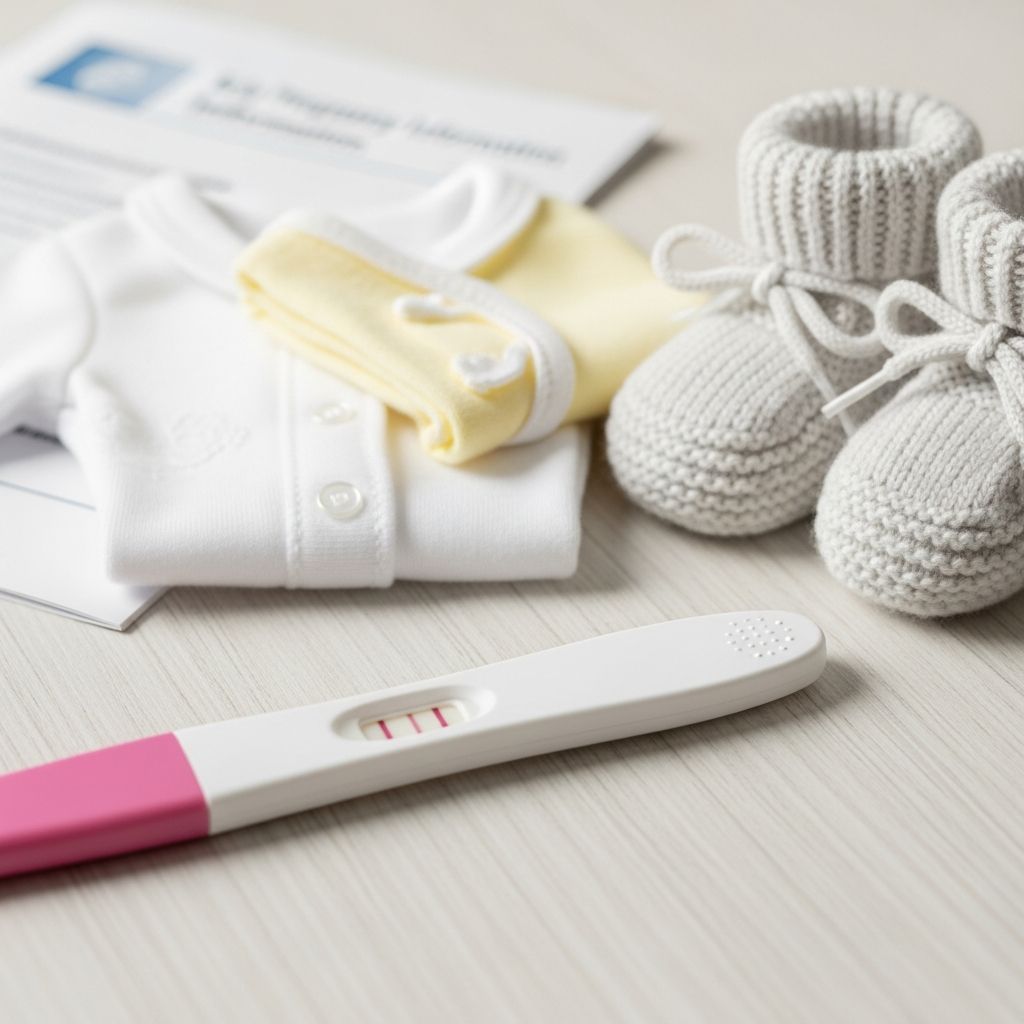
The first weeks of pregnancy come with a mix of excitement, questions, and often a long list of medical tests. These early tests help check on your health, your baby’s development, and the chance of certain conditions, long before birth. This guide explains the main first trimester tests in clear language, so you can walk into each appointment feeling informed and prepared.
Why So Many Tests Early On?
Health care teams use first trimester tests to build a picture of how the pregnancy is going and to spot issues early, when they are often easier to manage. The goal is not to scare you, but to give you and your baby the best possible start.
Some tests focus on your own health, such as screening for infections or anemia, while others look closely at how the baby is growing and whether there might be an increased chance of certain genetic or chromosome conditions.
- Many first trimester tests are routine and offered to almost everyone.
- Some screening options are your choice, and you can decide what feels right for your family after speaking with your provider.
The First Prenatal Visit: What Usually Happens
Your first full prenatal visit often happens sometime in the first trimester, usually between weeks 6 and 10, although timing can vary. This appointment tends to be longer because your team collects a detailed history and performs several basic tests.
Typical parts of the first visit
- Medical history review: Past pregnancies, surgeries, current medications, allergies, and family history.
- Physical exam: Height, weight, blood pressure, and a general checkup that may include a breast and pelvic exam.
- Pregnancy confirmation: A urine test or blood test to confirm pregnancy and estimate gestational age.
Think of this visit as setting the foundation for the rest of your pregnancy care. Bring questions, a list of medications or supplements, and any relevant medical records if you have them.
Common Blood Tests in the First Trimester
Blood tests are a key part of early prenatal care. A single blood draw can provide a large amount of information about your health and clues about how the pregnancy is progressing.
Basic blood work and what it shows
- Complete blood count (CBC): Looks for anemia (low red blood cells), infection signs, and platelet levels.
- Blood type and Rh factor: Identifies your blood group (A, B, AB, or O) and whether you are Rh positive or Rh negative, which can matter later in pregnancy.
- Immunity status: Checks if you have antibodies against infections such as rubella or chickenpox, which could be risky in pregnancy if you are not immune.
- Infection screening: Often includes tests for conditions like hepatitis, syphilis, and HIV, because treating or monitoring these can protect both you and the baby.
These tests are usually recommended for everyone because they address conditions that, if found early, can often be treated or closely followed to reduce risks.
Urine Tests Throughout the First Trimester
Urine tests are quick, painless, and commonly done at the first prenatal visit and at many visits after that. They provide a snapshot of several aspects of your health.
What urine testing can reveal
- Confirmation of pregnancy: Many clinics confirm pregnancy with a urine test that looks for pregnancy hormone (hCG).
- Protein and sugar levels: High levels may suggest kidney strain, high blood pressure issues, or blood-sugar problems and could lead to further testing.
- Signs of infection: Bacteria or white blood cells in the urine can point to a urinary tract infection, which is common in pregnancy and usually treatable.
Even if you feel well, urine tests can pick up silent issues early. If you have symptoms like burning with urination or needing to pee very often with discomfort, mention this to your provider in addition to the routine test.
Pap Smear and STI Screening in Early Pregnancy
Depending on when you last had certain gynecological tests, your provider may recommend doing them during the first trimester visit. This can feel like a lot at once, but it often prevents the need for an extra appointment.
Tests sometimes done during the pelvic exam
- Pap smear: Looks for early changes in cells of the cervix that could lead to cervical cancer in the future.
- Tests for sexually transmitted infections (STIs): Screening for conditions such as chlamydia or gonorrhea helps protect your health and reduces the chance of passing infections to the baby during pregnancy or birth.
These tests focus mainly on your long-term health, but they are an important part of making pregnancy safer, too. Positive results do not mean you did anything wrong; they simply guide your care team toward the right treatment plan.
Early Ultrasound: Seeing the Pregnancy
Many parents look forward to the first ultrasound because it often provides the first glimpse of the developing baby. Beyond emotional reassurance, early ultrasound has several medical purposes.
Reasons an early ultrasound may be ordered
- Confirming pregnancy location: Ensures the pregnancy is in the uterus rather than in a fallopian tube or another unsafe location.
- Dating the pregnancy: More accurate measurement of gestational age, especially if you are unsure of your last period.
- Checking for multiples: Determines if you are carrying twins or more, which may change monitoring plans.
In the first trimester, the ultrasound may be done through the abdomen or with a small probe placed in the vagina, called a transvaginal ultrasound. This is usually not painful and is generally well tolerated, though it can feel a bit uncomfortable or awkward.
First Trimester Genetic and Chromosome Screening
Some tests in the first trimester estimate the chance that a baby has a chromosome condition or certain birth differences. These tests are usually optional and are meant to provide information, not to make decisions for you.
Combined first trimester screening
A commonly used approach is a combination of a blood test and a specialized ultrasound measurement, often done between about 11 and 13 weeks of pregnancy. The blood test measures pregnancy-related substances in your blood, and the ultrasound looks at specific features of the baby’s neck region.
- The results are combined with your age and other factors to give an estimate of the chance of certain chromosome conditions, such as one type commonly associated with learning and health differences.
- This is a screening test, which means it cannot diagnose a condition, but it can show whether the chance appears higher or lower than average.
If the result suggests an increased chance of a condition, your provider may offer more detailed testing or refer you to a genetic counselor to talk through options.
Cell-Free DNA (cfDNA) or NIPT Screening
Another common first trimester option is a blood test that looks at tiny fragments of genetic material from the pregnancy that circulate in the pregnant person’s bloodstream. This test is often called noninvasive prenatal testing (NIPT) or cell-free DNA screening.
Key points about cfDNA testing
- It usually can be done starting around week 10 of pregnancy, using a simple blood draw.
- It estimates the chance of certain chromosome conditions and can sometimes give information about the likely sex of the baby, if you want to know.
- In many places, it is offered more widely to those with higher risk, such as older maternal age or certain ultrasound findings, but availability is expanding.
Even though cfDNA is very good at spotting some conditions, it is still considered a screening test. A high-chance result is usually followed by an offer of diagnostic testing for confirmation.
Diagnostic Tests: CVS and Other Options
If a screening test suggests a higher chance of a chromosome condition, or if there is a known genetic reason in the family, diagnostic tests may be offered. These tests look directly at cells from the pregnancy and can provide more definite answers.
Chorionic villus sampling (CVS)
- Usually done between about 10 and 13 weeks of pregnancy, depending on local practice and the specific situation.
- Involves taking a very small sample of tissue from the placenta, using either a thin tube through the cervix or a needle through the abdomen, with ultrasound guidance.
- Because it is diagnostic, it can often confirm or rule out certain chromosome conditions, but it carries a small risk of complications, which your provider will discuss in detail.
These procedures are always optional. Meeting with a genetic counselor or specialist can help you weigh the benefits and risks and consider how the results might (or might not) change your plans.
Comparing Common First Trimester Tests
The table below summarizes some of the key differences between typical first trimester tests. This overview is for educational purposes and does not replace medical advice tailored to your situation.
| Test | Main Purpose | Timing (Approximate) | Screening or Diagnostic? | How It Is Done |
|---|---|---|---|---|
| Basic blood work (CBC, blood type, infection checks) | Assess parent’s health and identify treatable issues early | Usually at first prenatal visit | Primarily screening and information-gathering | Single blood draw from arm |
| Urine tests | Monitor kidney function, blood sugar clues, and infections | At first visit and often at most visits | Screening | Urine sample in clinic |
| Early ultrasound | Confirm location, date pregnancy, check for multiples | Typically in early to mid first trimester | Diagnostic for dating and location; screening for some concerns | Abdominal or transvaginal ultrasound scan |
| Combined first trimester screening | Estimate chance of certain chromosome conditions | Often between about 11 and 13 weeks | Screening only | Blood test plus specialized ultrasound |
| Cell-free DNA (NIPT) | Estimate chance of specific chromosome differences | Often from week 10 onward | Screening | Blood draw from arm |
| Chorionic villus sampling (CVS) | Diagnose or rule out certain chromosome conditions | Roughly weeks 10–13, depending on local practice | Diagnostic | Small placenta sample via cervix or abdomen under ultrasound |
Making Sense of Screening Results
It can be stressful to wait for results, especially when you are still adjusting to the idea of being pregnant. Understanding how to read common phrases used in reports can make the process a little less confusing.
Key points to remember
- “Low chance” or “low risk” results mean that, based on the test, the chance of the condition is considered smaller than a set level. They do not guarantee that the baby has no health problems.
- “Increased chance” or “high risk” results do not mean the baby definitely has a condition; they mean that more detailed testing or consultation is worth considering.
- Ask your provider to translate numbers and ratios into plain language and to explain what options are available next, if any.
When in doubt, writing down your questions before the appointment can help you remember what you want to ask when you sit down with your provider or genetic counselor.
Emotional Reactions and Self-Care
Testing can bring up emotions ranging from relief to worry, sometimes within the same day. It is normal to feel uncertain while waiting for results or deciding whether to proceed with optional screenings or diagnostic procedures.
- Talk openly with your partner, family, or trusted friends about how you are feeling.
- Let your care team know if anxiety is affecting your sleep, appetite, or daily life; support is available.
- Remember that you can take time (within medical time frames) to decide which tests feel right for you and your values.
Practical Tips Before Your First Trimester Tests
A little preparation can make test days run more smoothly and help you feel more in control of the process.
- Bring a list of all medications, vitamins, and herbal supplements you take, including doses.
- Ask ahead if any tests require fasting or special instructions.
- Consider bringing water and a snack, especially if you feel lightheaded easily after blood draws.
- Use a notebook or phone app to track appointments, test names, and results, so information is all in one place.
Frequently Asked Questions About First Trimester Tests
Are all first trimester tests mandatory?
No. Many tests, especially those checking your own health and basic pregnancy status, are strongly recommended because they help prevent serious complications. Others, particularly genetic or chromosome screening and diagnostic procedures, are optional. You always have the right to accept or decline testing after discussing the benefits, risks, and alternatives with your provider.
Will these tests hurt my baby?
Most common first trimester tests—such as blood work, urine tests, and ultrasound—do not directly touch the baby and are generally considered safe when used appropriately. The main exception is diagnostic procedures that take a sample from the placenta or fluid around the baby, which carry small risks that your specialist will explain. In all cases, the goal is to balance gathering useful information with keeping the pregnancy as safe as possible.
What if I get a result that worries me?
If a result suggests an increased chance of a condition, try not to panic. Screening tests often point out possibilities rather than certainties. Ask your provider to explain what the result means, what the next steps might be, and whether seeing a genetic counselor or specialist would be helpful. Many families find that getting clear information, even when the news is unexpected, helps them regain a sense of control.
Can I choose to skip all genetic screening?
Yes. Some people feel that genetic screening would cause more worry than benefit for them personally, or they know that the results would not change their decisions. Others feel that having as much information as possible helps them prepare. Both approaches are valid. What matters is that your decision is informed and supported, not rushed or made out of fear.
How do I keep track of so many different tests?
Using a written or digital pregnancy folder can make a big difference. Keep copies of lab reports, ultrasound summaries, and visit notes together, along with a simple list of which tests you have had and when. This record can also be helpful if you switch providers or need to see a specialist during pregnancy.
Bringing It All Together
First trimester testing is about building a strong foundation for the rest of your pregnancy care. By understanding what each test does, when it is usually done, and how the results might be used, you can be an active partner in decisions about your care. Keep asking questions, seek clarification when needed, and remember that you are allowed to take time to process information before deciding on optional tests.