Successfully conceiving often hinges on strategic intimacy combined with healthy habits. Couples can significantly improve their odds by focusing on optimal timing, frequency, and supportive practices during the fertile window.
Mastering Your Fertility Window
The key to conception lies in aligning intercourse with ovulation, when the egg is released and viable for about 24 hours. Sperm can survive up to five days in the female reproductive tract, creating a fertile window of roughly six days ending on ovulation day.
Track cycles using apps, basal body temperature, or cervical mucus changes—thicker, egg-white consistency signals peak fertility. Ovulation typically occurs 14 days before the next period in a 28-day cycle, but varies; start efforts around day 10-12 for irregular cycles.
- Monitor menstrual length over 3 months for patterns.
- Use over-the-counter ovulation predictor kits detecting luteinizing hormone surges 24-36 hours prior.
- Combine methods for accuracy, as no single tracker is foolproof.
Optimal Intercourse Frequency and Positions
Aim for sex every 1-2 days during the fertile window to maintain fresh, motile sperm without depletion. Daily or every-other-day intercourse yields highest pregnancy rates, as studies show no drop in success from frequent ejaculation. Outside this window, 2-3 times weekly suffices to keep sperm quality high.
While no position guarantees conception, gravity-aiding ones like missionary or rear-entry may help sperm reach the cervix. Post-sex, remain lying down 10-15 minutes to aid transport; a pillow under hips can tilt the pelvis favorably.
| Frequency Strategy | Pros | Cons |
|---|---|---|
| Daily in fertile window | Maximizes sperm availability | May cause fatigue |
| Every other day | Balances quality and quantity | Slightly lower peak coverage |
| 2-3x/week overall | Sustainable long-term | Misses precise timing |
Health Preparations for Both Partners
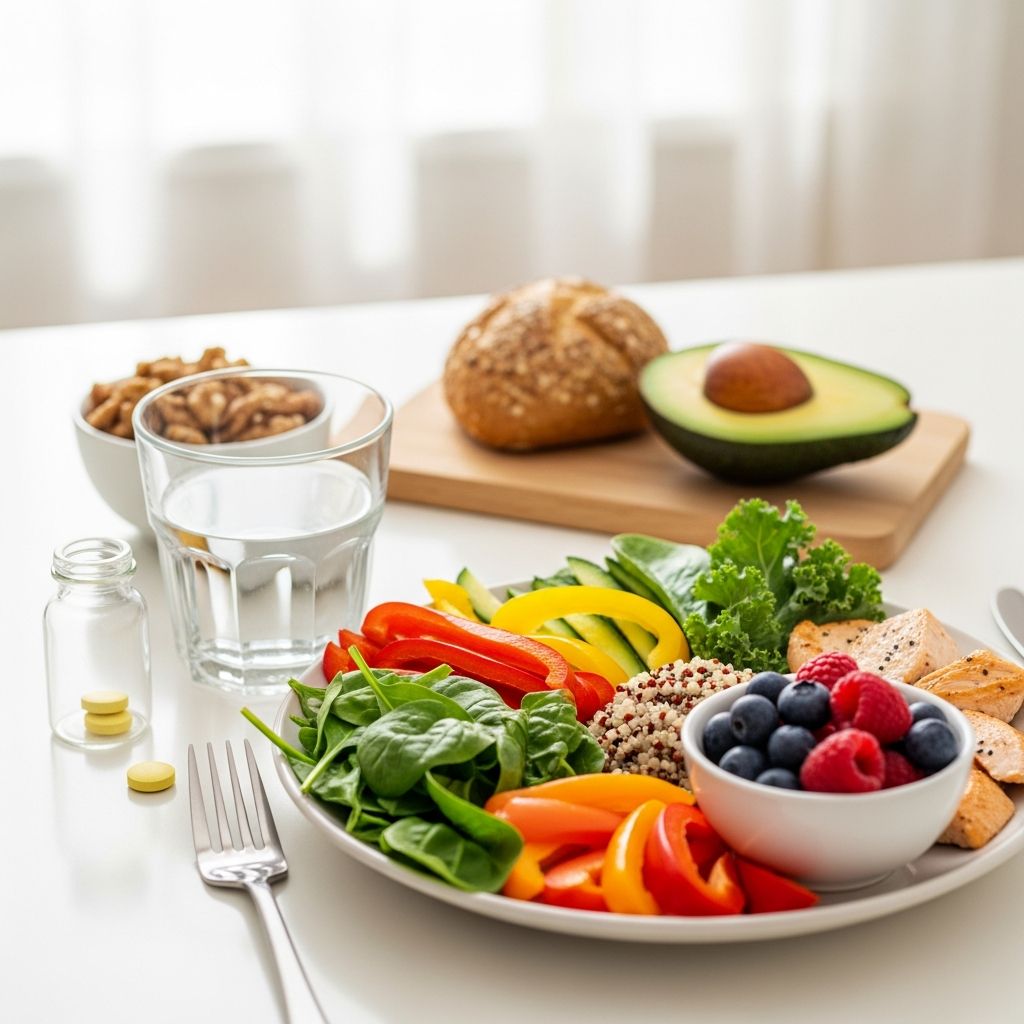
Preconception health optimizes egg and sperm quality. Women should take 400 micrograms of folic acid daily at least one month prior to support neural tube development; men benefit from antioxidants like vitamin C and zinc for sperm motility.
Maintain healthy BMI—overweight or underweight disrupts ovulation and testosterone. Quit smoking, as it halves fertility; limit alcohol to under 5 units weekly; avoid recreational drugs impairing hormones.
- Women: Balance diet with fruits, veggies, whole grains; cap caffeine at 200mg daily.
- Men: Steer clear of hot tubs/saunas (heat kills sperm); wear loose underwear.
- Both: Exercise moderately 150 minutes weekly; manage stress via yoga or meditation, as cortisol hampers ovulation and erection.
Partner Involvement: Building a Supportive Team
Pregnancy planning strengthens bonds when both contribute. Attend prenatal visits together, discuss family history, and align on parenting visions early. Shared education reduces anxiety—read books, join classes on labor and newborn care.
Men play a vital role: emotional presence lowers maternal stress, linked to better birth outcomes. Help with chores, prepare meals, and communicate openly about pressures to keep intimacy enjoyable, not dutiful.
Plan for postpartum: stock supplies, arrange help, and prioritize couple time amid sleep deprivation.
Common Myths and Lifestyle Pitfalls to Avoid
Myth 1: Sex post-ovulation can’t lead to pregnancy—sperm longevity debunks this.
Myth 2: Lubricants are always safe—many kill sperm; opt for fertility-friendly like Pre-Seed.
Myth 3: Orgasms hinder conception—female climax may aid via contractions.
Avoid pitfalls: excessive cycling (wear on adrenals), blaming each other (erodes trust), or rigid scheduling (spontaneity preserves passion). If trying 12 months without success (6 for over 35), consult a specialist.
Stress Management and Emotional Resilience
Stress alters hormones, delaying ovulation and reducing libido. Couples report higher success embracing patience—average conception takes 3-6 months for under-35s.
Foster positivity: pray/meditate together, date nights sans baby talk, celebrate small wins like regular cycles. Professional counseling aids if infertility fears strain relations.
Frequently Asked Questions
Can daily sex reduce sperm quality?
No, studies confirm daily intercourse during fertile days boosts odds without compromising count or motility.
Does female orgasm help conception?
Possibly—contractions may propel sperm upward; focus on mutual pleasure.
Should we avoid exercise while trying?
Moderate activity enhances fertility; extremes like marathon training can disrupt cycles.
How involved should partners be in tracking?
Fully—shared apps and discussions build teamwork and accuracy.
What if we don’t conceive quickly?
Relax, persist healthily; seek fertility evaluation after 1 year or sooner if concerns.
Long-Term Strategies for Sustained Efforts
Beyond basics, audit medications—some antihypertensives or steroids impair fertility; review with doctors. Vaccinate, control chronic conditions like diabetes, and learn genetics via family histories.
Seasonal timing: summer heat harms sperm; cooler months favor motility. Track progress monthly, adjusting as needed. Success stories emphasize persistence: 85% conceive naturally within a year.
For deeper prep, attend childbirth classes, nursery setup together, and name brainstorming to nurture excitement. This holistic approach not only aids conception but fortifies your partnership for parenthood.
References
- How can a couple prepare for conception? — Premier Health. 2023-05-15. https://www.premierhealth.com/faq/how-can-a-couple-prepare-for-conception-
- Fatherhood & Pregnancy: How Partners Can Prepare Together — Baton Rouge OBGYN. 2024-02-20. https://www.batonrougeobgyn.com/post/fatherhood-pregnancy-how-partners-can-prepare-together
- A Partner’s Guide to Pregnancy — ACOG. 2025-01-10. https://www.acog.org/womens-health/faqs/a-partners-guide-to-pregnancy
- How to get pregnant — Mayo Clinic. 2024-11-05. https://www.mayoclinic.org/healthy-lifestyle/getting-pregnant/in-depth/how-to-get-pregnant/art-20047611
- Trying to Get Pregnant? 7 Do’s and Don’ts for Couples — Focus on the Family. 2023-08-12. https://www.focusonthefamily.com/marriage/trying-to-get-pregnant-dos-and-donts-for-couples/
- Partners in pregnancy: Preparing for a baby together — Mayo Clinic Health System. 2024-06-18. https://www.mayoclinichealthsystem.org/hometown-health/speaking-of-health/preparing-for-a-baby-together
- A Baby at Last!: New Couples’ Guide to Getting Pregnant — NewYork-Presbyterian. 2024-03-22. https://www.nyp.org/news/a-baby-at-last-new-couples-guide-to-getting-pregnant