The journey to parenthood begins with understanding your body’s natural rhythm. By identifying **fertile days**, couples can significantly enhance their chances of conceiving naturally. This comprehensive guide explores the science of ovulation, practical calculation methods, and actionable strategies to align intimacy with peak fertility periods.
Understanding the Menstrual Cycle and Ovulation Basics
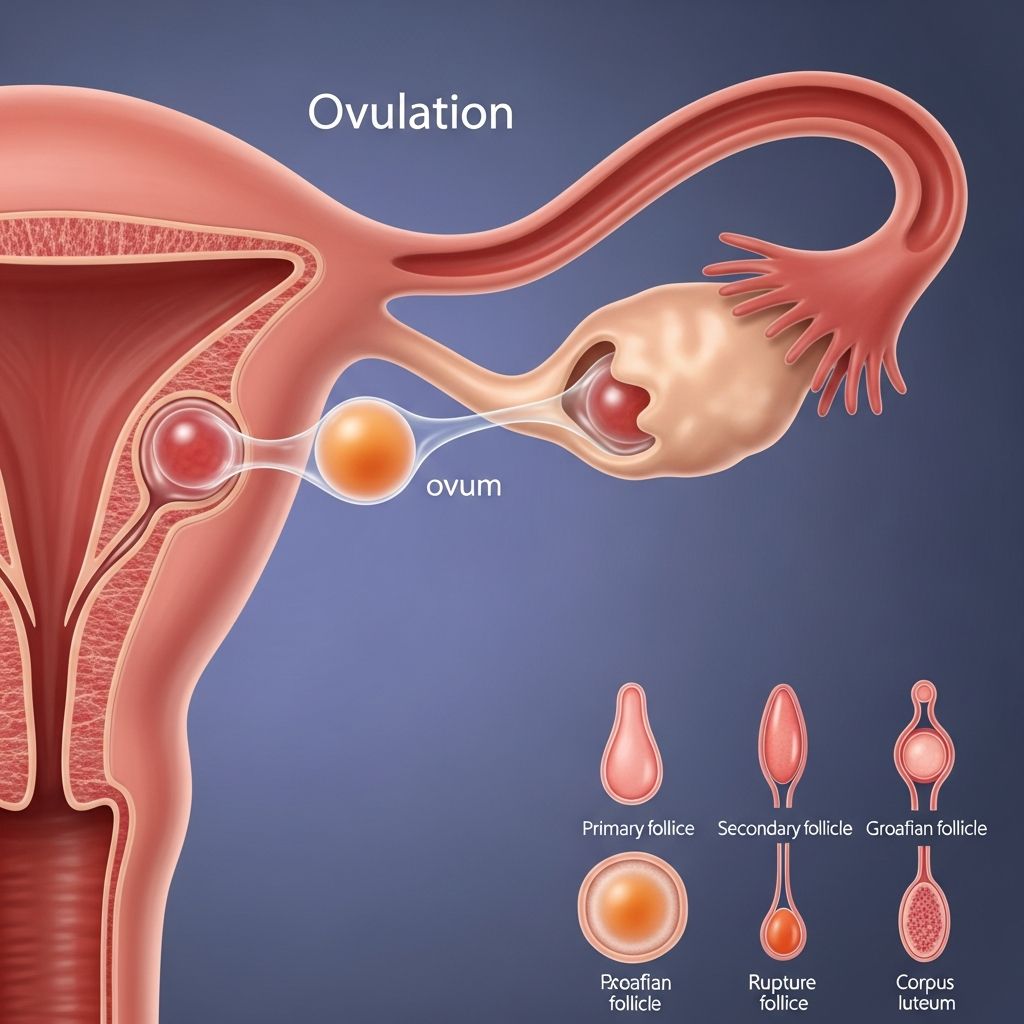
Your menstrual cycle is a finely tuned process orchestrated by hormones, typically lasting 28 days but varying between 21 and 35 days for most women. It starts on the first day of menstruation and ends just before the next period begins. Ovulation—the release of a mature egg from the ovary—marks the cycle’s pivotal moment for conception.
In a standard 28-day cycle, ovulation occurs around **day 14**. Follicle-stimulating hormone (FSH) matures egg-containing follicles between days 6 and 14, while a luteinizing hormone (LH) surge triggers the egg’s release. Post-ovulation, progesterone prepares the uterus for potential implantation. However, cycles fluctuate due to stress, age, or health factors, making personalized tracking essential.
Defining Your Fertile Window: The Key to Conception
The **fertile window** spans about six days per cycle: five days before ovulation and the day of ovulation itself. Sperm can survive up to five days in the female reproductive tract, while the egg remains viable for 12-24 hours post-release. Intercourse during this window maximizes fertilization odds.
Peak fertility aligns with the three days leading up to and including ovulation, offering the highest conception probability. For instance, in a 28-day cycle, this targets days 12-14; in a 35-day cycle, days 19-21. Missing this window reduces chances dramatically, as pregnancy is impossible outside it.
| Cycle Length | Estimated Ovulation Day | Fertile Window | Peak Days |
|---|---|---|---|
| 21 days | Day 7 | Days 2-7 | Days 5-7 |
| 28 days | Day 14 | Days 9-14 | Days 12-14 |
| 35 days | Day 21 | Days 16-21 | Days 19-21 |
This table illustrates variations based on average cycle length, emphasizing the need for individualized assessment.
Step-by-Step: Calculating Your Personal Ovulation Date
Begin with your **last menstrual period (LMP)**—the first day of bleeding. Subtract 14 days from your average cycle length to estimate ovulation, as the luteal phase (post-ovulation) is relatively consistent at 12-16 days.
- Track at least six cycles for accuracy.
- Identify shortest and longest cycles.
- Fertile start: Shortest cycle minus 18 days.
- Fertile end: Longest cycle minus 11 days.
Example: Cycles of 26-30 days yield fertile days 8-19 (26-18=8; 30-11=19). Online tools simplify this: input LMP and cycle length for instant fertile window predictions, typically spanning four days pre-ovulation plus one post.
Advanced Tracking Techniques for Precision
Beyond calendars, combine methods for reliability exceeding 90% in predicting ovulation.
Basal Body Temperature (BBT) Monitoring
Measure temperature first thing upon waking. Post-ovulation, progesterone causes a 0.5-1°F rise, confirming ovulation has passed. Apps like Natural Cycles analyze patterns to forecast future windows, with users conceiving in an average of three cycles.
Cervical Mucus Observation
Mucus evolves: dry/sticky pre-fertility, creamy approaching ovulation, then clear/stretchy (egg-white) at peak—ideal for sperm travel.
Ovulation Predictor Kits (OPKs)
These detect LH surges 24-36 hours before ovulation via urine tests, offering a proactive edge.
Integrating BBT, mucus, and OPKs provides cross-verification, especially for irregular cycles.
Strategies for Timing Intercourse Effectively
Frequency matters: Aim for every other day during the fertile window to maintain optimal sperm quality. Studies confirm this outperforms daily sex, as sperm count replenishes in 48 hours.
- Days 1-5 of window: Sperm longevity covers upcoming ovulation.
- Ovulation day: Highest success rate.
- Every 2-3 days otherwise: Covers irregularities without fatigue.
Lifestyle boosts: Maintain a healthy weight, reduce caffeine/alcohol, and manage stress, as these influence cycle regularity.
Common Pitfalls and How to Avoid Them
Irregular cycles challenge predictions; track diligently or consult specialists if varying >7 days. Myth: Pregnancy possible anytime—fact: Only fertile window counts. Avoid douching or lubricants toxic to sperm; opt for fertility-friendly options.
Tools and Apps for Effortless Tracking
Leverage free calculators from reputable sources:
- Input LMP and cycle length for instant results.
- Apps sync with wearables for BBT automation.
- Printable calendars for manual logging.
For irregular cycles, professional fertility apps use algorithms refined by large datasets.
Frequently Asked Questions (FAQs)
Can I get pregnant right after my period ends?
Possibly, if cycles are short (e.g., 21-24 days), as fertile windows may overlap early cycle days.
How accurate are ovulation calculators?
Highly for regular cycles (80-90%); combine with symptoms for irregular ones.
What if my cycles are irregular?
Use multiple methods or every-other-day sex; seek medical advice for underlying issues.
Does stress affect ovulation timing?
Yes, it can delay or suppress; prioritize relaxation techniques.
How soon after ovulation can I test for pregnancy?
Wait 10-14 days post-ovulation for accurate results.
When to Seek Professional Guidance
If under 35 and trying 12 months without success (6 months over 35), consult a doctor. Tests check ovulation, sperm health, and blockages. Assisted options like IUI align with natural timing.
Empowering knowledge of fertile days transforms conception efforts. Consistent tracking and strategic timing pave the path to parenthood.
References
- Ovulation: Calculating, Timeline, Pain & Other Symptoms — Cleveland Clinic. 2023-10-24. https://my.clevelandclinic.org/health/articles/23439-ovulation
- Ovulation Calendar — American Pregnancy Association. 2024-05-15. https://americanpregnancy.org/resources/ovulation-calendar/
- Fertile Window: Ovulation & When To Have Sex? — Natural Cycles. 2024-08-12. https://www.naturalcycles.com/cyclematters/what-is-the-fertile-window
- Right Time For Sex, When Do You Ovulate? — Your Fertility. 2023-11-05. https://www.yourfertility.org.au/everyone/timing
- Rhythm method for natural family planning — Mayo Clinic. 2024-02-20. https://www.mayoclinic.org/tests-procedures/rhythm-method/about/pac-20390918
- Ovulation Calendar — March of Dimes. 2024-01-10. https://www.marchofdimes.org/find-support/ovulation-calendar