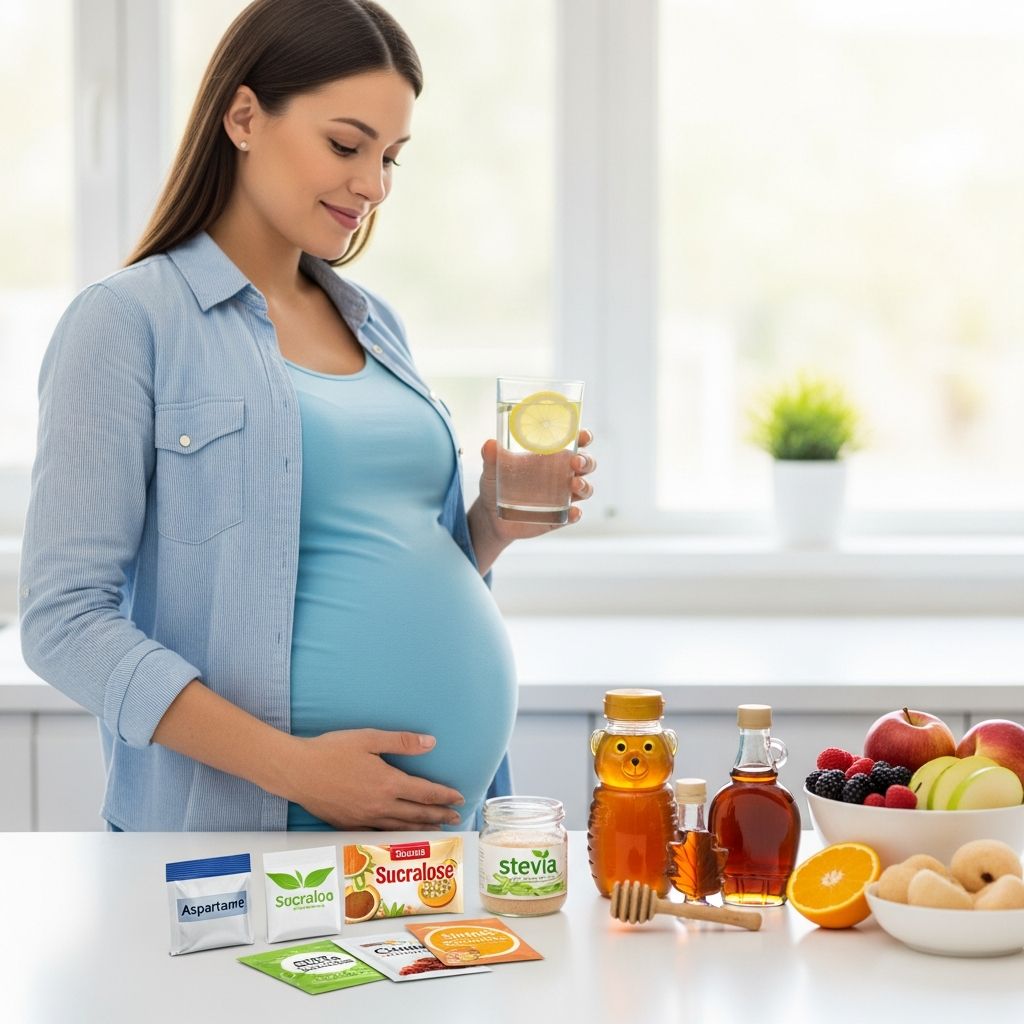
When you are pregnant, nearly every bite and sip can feel like a big decision, especially when it comes to sugar and sugar substitutes. Many parents-to-be wonder whether artificial sweeteners, sugar-free products, or even natural alternatives are safe for the growing baby. This guide explains how different sweeteners work, what current evidence suggests about their safety, and how to use them wisely as part of a balanced pregnancy diet.
Why Sweeteners Matter During Pregnancy
Pregnancy changes how your body handles sugar, insulin, and weight gain, which makes your choice of sweeteners more important than usual. Too much added sugar can raise the risk of excessive weight gain and gestational diabetes, while very high intakes of some low-calorie sweeteners may have uncertain effects that researchers are still studying.
Understanding the difference between regular sugar, low-calorie sweeteners, and sugar alcohols allows you to make choices that support stable energy levels, realistic weight gain, and overall health for both you and your baby.
Key Types of Sweeteners Explained
Most sweeteners in foods and drinks fall into three broad categories: nutritive sweeteners, non-nutritive (low- or no-calorie) sweeteners, and sugar alcohols. Each behaves differently in the body.
Nutritive sweeteners (standard sugars)
Nutritive sweeteners provide calories and raise blood sugar. They include:
- Table sugar (sucrose), brown sugar, and raw sugar
- Honey, maple syrup, agave nectar, and molasses
- High-fructose corn syrup and other syrups used in drinks and processed foods
These sweeteners can be part of a pregnancy diet, but frequent large amounts may contribute to excessive weight gain, dental problems, and higher blood sugar, especially if you already have risk factors for diabetes.
Non-nutritive (low- or no-calorie) sweeteners
Non-nutritive sweeteners taste very sweet but contribute few or no calories. Common examples include:
- Aspartame (often in diet sodas and sugar-free desserts)
- Sucralose (widely used in “light” baked goods and drinks)
- Stevia (a plant-derived sweetener used in many “natural” sugar-free products)
- Acesulfame potassium/acesulfame-K (frequently blended with other sweeteners)
Many of these sweeteners have been reviewed by regulatory agencies, which set an acceptable daily intake far below levels that have shown harm in research. Still, some observational studies and animal experiments are exploring possible links with weight, metabolism, and the developing microbiome, so moderation remains sensible.
Sugar alcohols (polyols)
Sugar alcohols are often used in “no-sugar-added” or “diabetic” products. They include:
- Sorbitol
- Xylitol
- Maltitol
- Erythritol
These sweeteners provide fewer calories than table sugar and usually have a smaller impact on blood glucose, but large amounts may cause bloating, gas, or diarrhea because they are only partly absorbed in the gut.
Potential Benefits and Concerns in Pregnancy
Choosing a sweetener in pregnancy involves balancing the known downsides of excess sugar with the still-emerging evidence on low-calorie alternatives. Both benefits and uncertainties exist.
Why some pregnant people choose low-calorie sweeteners
- To limit added sugar and reduce spikes in blood glucose, especially if there is a history of gestational diabetes or prediabetes.
- To manage weight gain when cravings for sweet foods are strong.
- To enjoy familiar treats, like soft drinks or desserts, while cutting back on sugar intake.
For many healthy adults, modest use of approved low-calorie sweeteners appears unlikely to cause harm. The question in pregnancy is whether frequent or heavy use might affect the baby in ways that regular sugar does not.
Current questions researchers are exploring
Ongoing studies are examining whether high intakes of some low-calorie sweeteners during pregnancy may be associated with:
- Differences in birth outcomes such as preterm delivery or higher birth weight
- Changes in the infant’s gut microbiome that could influence immunity and metabolism
- Long-term patterns related to body weight or taste preferences in childhood
Many of these studies are observational, meaning they can show associations but cannot prove that sweeteners are the direct cause. Factors like overall diet quality, physical activity, and underlying health conditions often play a role too.
How Much Is Too Much? Portion and Frequency Tips
For both sugar and non-nutritive sweeteners, the total amount you consume over time matters more than an occasional treat. Here are ways to keep intake within reasonable limits.
Guidelines for added sugars
- Aim for sweet foods to be a small part of your overall calorie intake, emphasizing fruits, whole grains, lean proteins, and healthy fats.
- Prioritize naturally sweet foods like fresh fruit and plain yogurt with fruit instead of sugary beverages and candy.
- Use smaller portions of desserts, share them, or enjoy them less often rather than cutting them out entirely if that feels unrealistic.
Guidelines for low-calorie sweeteners
- View diet sodas, sugar-free flavored waters, and “light” desserts as occasional options rather than daily staples.
- Keep variety in your beverages by including water, sparkling water with a splash of juice, or herbal teas without added sweeteners.
- Remember that multiple products in one day (yogurt, drinks, gum, desserts) can quickly stack up your total sweetener exposure.
Reading Food Labels Like a Pro
Food and drink labels can be confusing, especially when you are looking for hidden sources of sugar and sweeteners. A few label-reading habits can make choices far easier.
Where to find sugar and sweeteners on the label
- Check the “Ingredients” list for terms like sugar, corn syrup, honey, molasses, agave, and other syrups.
- Look for names of low-calorie sweeteners, such as aspartame, sucralose, stevia (or steviol glycosides), and acesulfame potassium.
- Scan for sugar alcohols such as sorbitol, xylitol, maltitol, and erythritol, often in sugar-free gum, mints, and candies.
Sample label comparison
| Product | Main Sweetener | Calories per serving | Considerations in pregnancy |
|---|---|---|---|
| Regular fruit drink | High-fructose corn syrup, sugar | 120 | High added sugar; may raise blood glucose and contribute to weight gain if consumed often. |
| Diet fruit drink | Aspartame, acesulfame-K | 5 | Very low in calories and sugar; overall safety appears acceptable in moderation, but long-term effects at high intakes remain under study. |
Labels will not usually tell you how much of a specific low-calorie sweetener is in a serving, but you can estimate your total exposure by counting how many sugar-free products you use in a typical day.
Practical Swaps for Everyday Eating
You do not need to completely avoid sweetness to have a healthy pregnancy. Small, realistic changes are often more sustainable than strict rules.
Simple drink swaps
- Replace one sugary soda or juice per day with water, sparkling water, or unsweetened iced tea.
- Flavor water with slices of lemon, lime, cucumber, or berries instead of using sweetened drink mixes.
- If you enjoy diet beverages, consider alternating them with unsweetened options so they are not your primary fluid source.
Food and snack ideas
- Choose whole fruit instead of pastries or candy when a craving hits.
- Use a small drizzle of honey or maple syrup on oatmeal or yogurt instead of heavily sweetened flavored versions.
- Try homemade smoothies made with fruit, plain yogurt, and milk instead of premade sweetened shakes.
When Extra Caution Is Needed
Some situations call for more personalized guidance about sweeteners. In these cases, involving a healthcare professional can help tailor recommendations to your needs.
Gestational diabetes and high diabetes risk
- If you have gestational diabetes, prediabetes, or a strong family history of diabetes, keeping blood sugar stable is especially important.
- A registered dietitian or diabetes educator can help you plan meals, choose appropriate carbohydrates, and decide how to use sweeteners, if at all, to keep glucose levels in target ranges.
- Both sugar and large amounts of sweeteners can influence appetite and food choices, so the overall pattern of eating matters more than any single ingredient.
Digestive sensitivity and allergies
- If you notice bloating or diarrhea after sugar-free candies or gum, consider that sugar alcohols may be the cause.
- Some people are sensitive or allergic to specific sweeteners or ingredients that accompany them, such as certain flavorings or colorings.
- Keeping a brief food and symptom diary can help you and your care team identify problem foods.
Questions to Discuss with Your Healthcare Provider
No written guide can replace individualized care. Bringing clear questions to your prenatal visits can help you feel more confident about your day-to-day choices.
- How much added sugar is reasonable for me given my health history and current weight gain?
- Are there any specific sweeteners I should avoid because of other medical conditions or medications?
- Would meeting with a dietitian be helpful to design meals that keep both sugar and sweetener intake at safe levels?
- How can I manage strong cravings for sweets in a way that supports my baby’s growth and my own health?
SEO-Friendly Frequently Asked Questions
Are artificial sweeteners completely safe during pregnancy?
Regulatory agencies generally consider approved low-calorie sweeteners safe for the general population, including pregnant people, when intake stays within recommended limits. However, because research is still examining potential subtle effects on birth outcomes, metabolism, and the infant microbiome at higher intakes, many experts advise using them in moderation alongside an overall nutritious diet.
Which sweeteners are normally used in diet sodas and sugar-free drinks?
Diet beverages commonly contain aspartame, sucralose, acesulfame potassium, or blends of these ingredients, and sometimes stevia. Checking the ingredient list on the label is the best way to see which specific sweeteners you are consuming so you can keep track of how often you use them during pregnancy.
Is it better to use sugar or low-calorie sweeteners if I have gestational diabetes?
With gestational diabetes, managing blood sugar is crucial, so limiting added sugar is important. Some people use small amounts of approved low-calorie sweeteners to help satisfy cravings without raising blood glucose as much as regular sugar would, but meal plans should be personalized in consultation with a healthcare provider or dietitian who can monitor your blood sugar response.
Can sugar alcohols cause problems while I am pregnant?
Sugar alcohols such as sorbitol, xylitol, and maltitol are only partly absorbed and can draw water into the intestines, which is why large amounts may cause gas, bloating, or diarrhea. Occasional small servings are usually tolerated, but if your digestive system is already sensitive during pregnancy, it may help to limit products like sugar-free candies and gums that contain several sugar alcohols.
Do I need to cut out all sweets while pregnant?
For most healthy pregnancies, it is not necessary to completely eliminate sweet foods. Focusing on nutrient-dense meals, staying within recommended weight gain ranges, and enjoying sweet items in modest portions and reasonable frequency can allow room for treats while still protecting your health and your baby’s development.
Key Takeaways for Parents-to-Be
- Both added sugar and low-calorie sweeteners are common in modern diets, so paying attention to labels is essential during pregnancy.
- Approved sweeteners appear safe for most people when used within recommended limits, but research is still exploring potential subtle effects of high intakes on pregnancy and child health.
- Emphasizing whole foods, drinking mostly unsweetened beverages, and keeping sweetened products—whether sugary or sugar-free—in moderation provides a balanced and practical approach.
- When in doubt, discuss your specific intake and medical history with your prenatal care team to create a plan that fits your lifestyle and health needs.