Understanding Cholesterol Elevation During Pregnancy
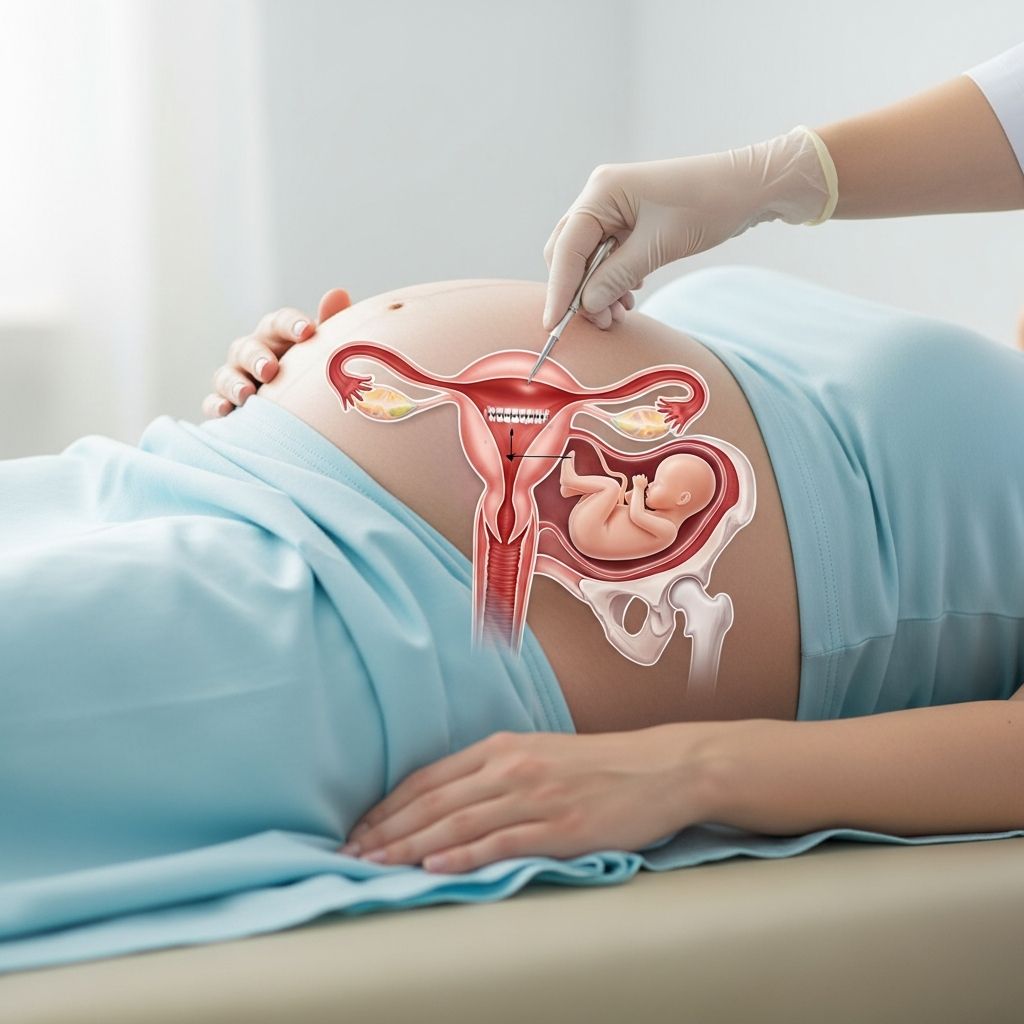
Pregnancy is a time of profound physiological changes in a woman’s body, and one of the most significant metabolic shifts involves cholesterol and triglyceride levels. Many expectant mothers are surprised to learn that their cholesterol measurements increase substantially during gestation, often by 25 to 50 percent compared to pre-pregnancy baseline values. This elevation is a completely natural and expected part of pregnancy physiology, yet understanding why it occurs and what it means for maternal and fetal health remains an important aspect of prenatal care.
The reason for this dramatic increase in blood lipids is rooted in the biochemistry of pregnancy itself. During gestation, the body requires significantly higher cholesterol levels to support the production of critical hormones, particularly progesterone and estrogens, which are essential for maintaining the pregnancy and supporting fetal development. The corpus luteum, which forms in the ovary following ovulation, relies heavily on cholesterol to produce progesterone in the early stages of pregnancy. As the pregnancy progresses and the placenta takes over hormone production, cholesterol continues to play a vital role in generating the hormones necessary to sustain gestation and promote normal fetal growth.
Research demonstrates that cholesterol elevation follows a predictable pattern throughout pregnancy, with the most significant increases occurring during the third trimester. After delivery, cholesterol levels typically return to pre-pregnancy measurements, indicating that this change is temporary and specifically adapted to the demands of pregnancy rather than representing a persistent metabolic disorder.
The Physiological Role of Cholesterol in Pregnancy
Beyond hormone production, cholesterol serves multiple essential functions during pregnancy that support both maternal health and fetal development. The developing fetus requires cholesterol for building cell membranes, producing myelin for nervous system development, and synthesizing hormones within fetal tissues. The increased maternal cholesterol provides the substrate for these fetal needs, transported across the placenta to supply developing organs and tissues.
The relationship between cholesterol and reproductive function extends before conception as well. Cholesterol plays a crucial role in the formation of the corpus luteum and the early production of progesterone necessary for successful embryo implantation. Women with very low cholesterol before pregnancy may face difficulties with fertility, while excessively high pre-pregnancy cholesterol can also compromise fertility and reproductive outcomes.
The pattern of cholesterol elevation during pregnancy demonstrates remarkable complexity. While total cholesterol increases substantially, the composition of cholesterol changes as well. Low-density lipoprotein (LDL) cholesterol, commonly known as the “bad” cholesterol, rises during pregnancy in approximately 60 percent of pregnant women, often exceeding 55 mg/dL. Additionally, there is a specific increase in small, dense LDL particles, which are considered more atherogenic and potentially harmful to cardiovascular health. Remarkably, this increase in potentially harmful particles is typically counterbalanced by a concurrent rise in high-density lipoprotein (HDL) cholesterol and other protective molecules, providing a natural safeguard during the intermediate stages of pregnancy.
Defining Normal Cholesterol Ranges During Pregnancy
Healthcare providers consider cholesterol levels normal during pregnancy when they fall within specific ranges. Total cholesterol measurements between 280 and 290 mg/dL, or those at or above the 75th percentile for pregnant women during any trimester, are considered within normal pregnancy parameters. These values may appear elevated compared to non-pregnant women, but they represent appropriate physiological adaptation to pregnancy demands.
For HDL cholesterol, or the “good” cholesterol that provides cardiovascular protection, healthy levels during pregnancy differ between sexes. Women should maintain HDL cholesterol above 50 mg/dL, while men require levels above 40 mg/dL to be considered protective. Higher HDL levels are consistently associated with better cardiovascular outcomes and lower disease risk.
The temporary nature of pregnancy-related cholesterol elevation is crucial for understanding its implications. Since cholesterol typically returns to pre-pregnancy baseline after delivery, the elevation itself does not constitute a long-term metabolic disease requiring ongoing treatment or intervention in most cases.
Distinguishing Pre-Pregnancy Hyperlipidemia from Gestational Changes
While cholesterol elevation during pregnancy is normal, a critical distinction exists between the expected physiological increase and pre-existing high cholesterol present before conception. Women who have documented hyperlipidemia (elevated cholesterol) prior to pregnancy face different considerations and potential risks than those who develop elevated cholesterol only during pregnancy.
Recent research has revealed that women with pre-pregnancy hyperlipidemia face significantly elevated risks of adverse outcomes compared to women with normal pre-pregnancy cholesterol levels. Women entering pregnancy with existing high cholesterol demonstrate increased vulnerability to several complications including gestational diabetes, hypertensive disorders of pregnancy, arrhythmias, and acute coronary syndromes within five years after delivery. These findings suggest that pre-pregnancy hyperlipidemia serves as an important clinical marker of underlying metabolic dysfunction that extends beyond the pregnancy period itself.
The mechanisms linking pre-pregnancy hyperlipidemia to these adverse outcomes involve multiple pathways. Elevated lipid levels can accelerate atherosclerosis and weaken the ability of blood vessels to respond appropriately to physiological demands, making the cardiovascular system more vulnerable to complications. Additionally, high cholesterol promotes chronic systemic inflammation and a hypercoagulable state characterized by increased risk of blood clot formation, potentially contributing to complications such as antepartum hemorrhage and blood clots during pregnancy.
Cholesterol’s Impact on Fertility and Conception
The relationship between cholesterol and reproductive function begins well before pregnancy. Medical research has established that elevated LDL cholesterol impairs blood flow and vascular function, compromising fertility in both men and women. Couples where either or both partners have high cholesterol require significantly longer to achieve pregnancy compared to couples with normal cholesterol levels, with the longest conception times occurring when both partners present with elevated cholesterol.
High cholesterol can interfere with reproductive processes and the ability to conceive, whether attempting natural pregnancy or using assisted reproduction techniques. This effect occurs because optimal vascular function and reproductive hormone production depend on healthy cholesterol metabolism. Couples planning pregnancy should consider cholesterol screening and management as part of preconception health optimization.
For men specifically, research indicates that high cholesterol negatively affects sperm quality and fertility potential, though the mechanisms continue to be investigated. The effects of cholesterol on male fertility appear to be independent of pregnancy itself, suggesting that cholesterol management benefits men’s reproductive health throughout their reproductive years.
Managing Medication During Pregnancy
Women taking cholesterol-lowering medications before pregnancy face important decisions about continuing treatment during gestation. Statin medications, the most commonly prescribed class of cholesterol-lowering drugs, are not considered safe for use during pregnancy or while breastfeeding. These medications can cross the placental barrier and potentially affect fetal development, though the specific risks remain incompletely understood due to limited research.
Current medical evidence suggests that miscarriage may represent a greater concern than birth defects with accidental statin exposure during early pregnancy, though most studies examining statin use in pregnancy have not documented increased birth defect rates. Despite this reassuring data, the consensus recommendation remains that women should discontinue statin therapy when planning pregnancy or upon discovery of pregnancy.
The temporary rise in blood cholesterol levels during pregnancy poses no significant risk to the developing baby and will not cause long-term harm to maternal health, particularly in women whose cholesterol was well-controlled before conception. The natural elevation resolves after delivery, allowing women to resume cholesterol management strategies if needed postpartum.
Health Risks Associated with Elevated Cholesterol in Pregnancy
While normal pregnancy-related cholesterol elevation poses minimal risk, pathological elevation or pre-existing hyperlipidemia creates specific health concerns requiring clinical attention. Elevated cholesterol levels have been linked to development of preeclampsia, a serious hypertensive condition complicating pregnancy. Additionally, high cholesterol increases risk of gestational diabetes and prematurity, conditions that can significantly impact both maternal and fetal outcomes.
One important caveat exists regarding cholesterol’s direct effects on the baby: research has not clearly demonstrated that elevated maternal cholesterol directly causes harm to the fetus. However, emerging evidence suggests that high cholesterol during pregnancy may influence the future health of the child, with some studies indicating associations with increased risk of atherosclerotic plaque formation that could predispose to cardiovascular disease later in life. These effects appear to occur through modifications of placental function and regulation of gene expression, potentially altering the amount of cholesterol transferred to fetal circulation.
Recent comprehensive research has identified particularly concerning cardiovascular risks emerging in the postpartum period. Women with pre-pregnancy hyperlipidemia demonstrated elevated risks of arrhythmias and acute coronary syndromes within just five years after delivery, a finding that surprised researchers by revealing how early cardiovascular consequences can manifest in this population. These findings underscore that pre-pregnancy hyperlipidemia represents not merely a metabolic concern but an important signal of increased long-term maternal cardiovascular risk requiring integrated clinical management.
Conservative Management Strategies
For women with elevated cholesterol during pregnancy, medication management must be set aside in favor of conservative, non-pharmacological approaches. Management focuses strictly on lifestyle modifications including dietary changes and exercise when the pregnancy permits.
Dietary modifications form the foundation of cholesterol management during pregnancy. The Mediterranean diet represents the recommended eating pattern, emphasizing plant-based foods, healthy fats from sources like olive oil, whole grains, legumes, and fish while limiting saturated fats and processed foods. This dietary approach provides adequate nutrition for pregnancy while supporting healthy cholesterol metabolism without pharmaceutical intervention.
Exercise appropriate to the stage and health status of pregnancy provides additional benefit. Regular physical activity, as tolerated and not contraindicated by conditions such as threatened miscarriage, premature birth risk, or elevated blood pressure, supports cardiovascular health and cholesterol metabolism. Pregnant women should consult their healthcare providers to determine safe and appropriate exercise for their individual circumstances.
Lifestyle factors beyond diet and exercise substantially influence cholesterol levels and should be optimized during preconception planning. Excess body weight, sedentary lifestyle, and smoking are closely associated with elevated cholesterol and make conception more difficult through both natural and assisted reproduction methods. Women planning pregnancy should address these modifiable risk factors as part of comprehensive preconception health optimization.
Preconception Care and Lipid Screening
Medical experts increasingly recommend integrating lipid screening into preconception health evaluation for all women planning pregnancy. This screening provides valuable information about baseline cholesterol status and allows identification of women with pre-pregnancy hyperlipidemia who require close monitoring during and after pregnancy.
Women identified with high cholesterol before conception benefit from early lifestyle interventions focused on diet optimization, regular exercise, weight management, and smoking cessation where applicable. These interventions serve dual purposes, improving fertility outcomes while simultaneously reducing future cardiovascular risk during and after pregnancy.
For young women with significantly elevated cholesterol, particularly those with LDL cholesterol persistently higher than 190 mg/dL or higher than 160 mg/dL with evidence of familial hypercholesterolemia (FH), statin therapy before conception may be appropriate. These medications can continue until pregnancy is confirmed, at which point they should be discontinued. The preconception period offers an important window for optimizing cholesterol control through medication before transitioning to lifestyle-based management during pregnancy.
Postpartum Considerations
As pregnancy concludes and women transition to the postpartum period, cholesterol typically normalizes to pre-pregnancy baseline levels. Women who discontinued cholesterol-lowering medications during pregnancy can generally resume these medications after delivery if needed, particularly if breastfeeding is not planned or once breastfeeding ends.
The postpartum period presents an important opportunity for comprehensive cardiovascular health assessment, particularly for women who had pre-pregnancy hyperlipidemia or developed complications during pregnancy. Healthcare providers should collaborate across specialties—including obstetrics, internal medicine, and cardiology—to ensure appropriate follow-up and long-term cardiovascular risk management.
Women experiencing elevated cholesterol before or during pregnancy should understand that this condition increases long-term cardiovascular risk extending well beyond the pregnancy period. Regular monitoring, lifestyle optimization, and when appropriate, medication management form essential components of long-term health maintenance to reduce risks of future cardiovascular events.
Frequently Asked Questions
Q: Is it normal for cholesterol to increase during pregnancy?
A: Yes, it is completely normal and expected. Cholesterol typically increases by 25 to 50 percent during pregnancy to support hormone production essential for maintaining pregnancy and fetal development. These levels return to pre-pregnancy baseline after delivery.
Q: What cholesterol levels are considered normal during pregnancy?
A: Total cholesterol between 280 and 290 mg/dL or at the 75th percentile during any trimester is considered normal for pregnancy. These values appear elevated compared to non-pregnant women but represent appropriate physiological adaptation.
Q: Does high cholesterol during pregnancy harm the baby?
A: Research has not clearly demonstrated that normal pregnancy-related cholesterol elevation directly harms the fetus. However, maternal pre-pregnancy hyperlipidemia may influence future cardiovascular health through effects on placental function and fetal cholesterol exposure.
Q: Can I continue taking statin medications during pregnancy?
A: No. Statin medications are not considered safe during pregnancy or while breastfeeding as they can cross the placenta. Women should discontinue these medications upon pregnancy confirmation and resume them postpartum if needed.
Q: How can I manage high cholesterol during pregnancy?
A: Management relies on conservative, non-pharmacological approaches including a Mediterranean-style diet rich in plant-based foods and healthy fats, regular exercise as tolerated, weight management, and smoking cessation.
Q: What are the risks of pre-pregnancy hyperlipidemia?
A: Women with high cholesterol before pregnancy face elevated risks of gestational diabetes, preeclampsia, arrhythmias, and acute coronary syndromes within five years postpartum. Pre-pregnancy cholesterol screening is recommended as part of preconception care.
Q: How does cholesterol affect fertility?
A: High cholesterol impairs blood flow and vascular function, reducing fertility in both men and women. Couples where either partner has elevated cholesterol require significantly longer to conceive compared to couples with normal cholesterol levels.
Q: When do cholesterol levels return to normal after pregnancy?
A: Cholesterol typically returns to pre-pregnancy baseline levels after delivery. This demonstrates that pregnancy-related elevation is temporary and specifically adapted to pregnancy demands rather than representing persistent metabolic disease.
References
- Pregnant Patients with Preexisting High Cholesterol May Have Elevated CV Risk — American College of Cardiology. 2025-10-17. https://www.acc.org/About-ACC/Press-Releases/2025/10/17/17/24/Pregnant-Patients-with-Preexisting-High-Cholesterol-May-Have-Elevated-CV-Risk
- How does high levels of Cholesterol affect fertility and pregnancy — Instituto Bernabeu. https://www.institutobernabeu.com/en/blog/how-does-high-levels-of-cholesterol-affect-fertility-and-pregnancy/
- Tips for High Cholesterol During Pregnancy: Are There Risks — OmegOr. https://www.omegor.com/en/blogs/womans-wellness/high-cholesterol-in-pregnancy
- The Connection Between LDL Cholesterol and Fertility — Stony Brook Medicine. https://www.stonybrookmedicine.edu/islandfertility/news/cholesterol
- Pregnancy and blood fats — Heart UK. https://www.heartuk.org.uk/cholesterol/pregnancy-and-blood-fats
- Pregnancy, statins, and high cholesterol: What women need to know — UT Southwestern Medical Center. https://utswmed.org/medblog/statins-pregnancy-familial-hypocholesteremia/