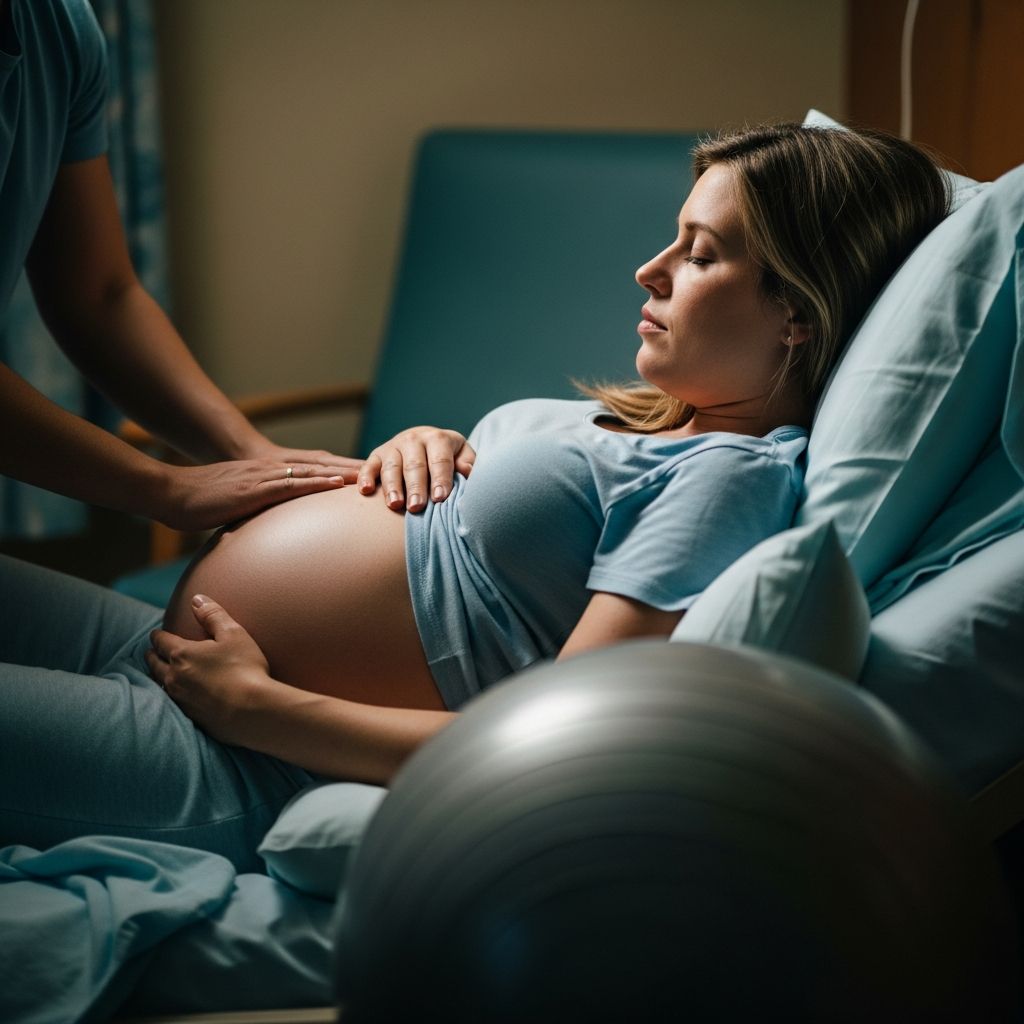
A cesarean (C-section) can be a lifesaving procedure when medically necessary, but many cesareans are performed in situations where a vaginal birth might have been possible. Preparing early, understanding your options, and building the right support team can help lower your chances of a non-essential cesarean while still keeping safety at the center of every decision.
Understanding Cesarean Birth and When It Helps
A cesarean birth is a surgical procedure in which a baby is delivered through incisions in the abdomen and uterus. It is strongly recommended and often life-preserving when complications such as placenta previa, certain fetal heart rate patterns, or severe preeclampsia occur.
The goal is not to avoid every cesarean, but to avoid unnecessary ones. That means working with your care team so that:
- True emergencies receive prompt surgical care.
- Slow-but-healthy labors are given time and support instead of being rushed.
- Your preferences for low-intervention care are respected when it is safe.
Factors That Can Increase Cesarean Rates
Multiple elements can raise the likelihood of a cesarean. Many are outside your control, but others can be influenced with preparation and informed choices.
- Labor induction without a clear medical reason can be associated with higher cesarean rates, especially in first-time parents whose cervix is not yet ready.
- Limited movement during labor (staying in bed, continuous lying on your back) can slow progress and make contractions harder to cope with.
- Early admission to the hospital in very early labor may lead to more interventions and monitoring, which can cascade into a cesarean.
- Continuous electronic fetal monitoring for low-risk labors has been associated with more cesareans for suspected fetal distress without clear improvements in long-term outcomes, compared with intermittent auscultation.
- Anxiety and fear can heighten pain perception, increase stress hormones, and sometimes interfere with effective labor patterns.
Choosing a Supportive Care Team and Birth Setting
Your choice of provider and birth place strongly shapes how likely you are to have a vaginal birth versus a cesarean.
Questions to Ask Potential Providers
- “What is your overall cesarean rate and your rate for low-risk first-time parents?”
- “How do you support movement, position changes, and low-intervention birth?”
- “In your practice, what are the most common reasons for recommending a cesarean?”
- “How do you involve parents in decision-making when complications arise?”
If possible, seek a provider and facility that:
- Openly tracks and reviews their cesarean statistics.
- Offers labor tubs, birth balls, and wireless monitoring options.
- Welcomes doulas and continuous labor support people.
- Has policies that encourage vaginal birth after cesarean (VBAC) when safe.
Preparing Your Body for Labor
Labor is a physical endurance event. Preparing your body can improve stamina, flexibility, and pelvic mobility, all of which may support smoother labor progress.
Daily Movement and Exercise
With your healthcare provider’s approval, aim for regular, moderate activity during pregnancy.
- Walking: 20–30 minutes most days helps circulation and endurance.
- Prenatal yoga: Supports flexibility, balance, and mindful breathing.
- Swimming: Takes pressure off joints while building cardiovascular fitness.
- Gentle squats: Encourage pelvic opening and leg strength for birth positions.
Pelvic Floor and Core Awareness
Balanced pelvic floor muscles can help the baby descend more easily and support effective pushing.
- Practice relaxing the pelvic floor as well as contracting it (over-tight muscles can hinder descent).
- Use positions like child’s pose, hip circles on a birth ball, and deep supported squats to lengthen and relax pelvic tissues.
- Include breath-coordinated movement: inhale to soften the pelvic floor, exhale to engage gently.
Helpful Stretching and Mobility Exercises
Simple, pregnancy-safe stretches may improve comfort and alignment for birth.
- Cat–cow on hands and knees to ease back tension and encourage good fetal positioning.
- Hip circles on a birth ball to keep the pelvis mobile and create space.
- Knees-to-chest variations (within pregnancy safety guidelines) to relieve back tightness.
Preparing Your Mind and Coping Skills
Mental preparation and confidence in your coping tools can influence how you experience labor and how you respond to challenges.
Childbirth Education
Structured classes explain the birth process and teach coping strategies. Options include:
- Lamaze: Focuses on breathing, relaxation, and informed decision-making, viewing birth as a normal physiological process.
- The Bradley Method: Emphasizes deep relaxation, nutrition, partner coaching, and strategies for avoiding cesarean when safe.
- Hypnobirthing: Uses self-hypnosis, visualization, and deep relaxation to reduce fear and tension.
Whichever method you choose, look for classes that:
- Explain both unmedicated and medicated options.
- Discuss cesarean indications and informed consent.
- Include practice time for positions, breathing, and comfort measures.
Relaxation and Pain Management Tools
Research and clinical practice highlight several low-risk strategies that can make labor more manageable and support progress.
- Breathing techniques to stay focused during contractions.
- Warm water (shower or tub) to reduce pain perception and promote relaxation.
- Massage and counter-pressure to ease back labor.
- Movement and position changes such as rocking, swaying, squatting, or using a birth ball.
- Visualization, affirmations, or music to create a calm mental space.
How Labor Positions Can Influence Cesarean Risk
Staying upright and mobile in labor often helps the baby descend, uses gravity, and may shorten labor, which can reduce the likelihood of interventions that lead to cesarean.
| Position Type | Examples | Potential Benefits |
|---|---|---|
| Upright & Moving | Walking, standing, slow dancing, swaying | Uses gravity, may speed cervical dilation, eases back pain, can improve fetal rotation. |
| Forward-Leaning | Hands-and-knees, leaning over a bed or ball | Relieves back pressure, opens the pelvis, can help malpositioned babies turn. |
| Open Pelvis | Supported squats, lunges, side-lying with top leg forward | Creates more pelvic outlet space, may assist descent and reduce need for operative delivery. |
| Resting Positions | Side-lying, semi-reclined with good support | Protects energy, especially in long labors, while still allowing progress. |
Communicating Your Preferences: Crafting a Flexible Birth Plan
A birth plan (or birth preferences document) gives your team a clear picture of what matters most to you, while recognizing that labor is unpredictable.
Key Topics to Cover
- Your preferences regarding induction and when you would accept or decline it.
- Desire for intermittent auscultation (periodic listening to the baby’s heart) when appropriate, instead of continuous monitoring.
- Support for upright and mobile labor whenever monitoring and safety allow.
- Use of non-pharmacologic pain relief (water, movement, massage, breathing) before medications.
- How you wish to be included in decisions about cesarean, and your preferences for skin-to-skin contact and breastfeeding if surgery is needed.
Share this document with your provider during prenatal visits, not just on admission day. Adjust it as you learn more and as your pregnancy unfolds.
When Interventions Are Helpful—and How to Use Them Wisely
Monitoring, pain relief, and medications can all play important roles in safe birth. The key is to use them in a targeted, evidence-informed way.
Epidurals and Cesarean Risk
Epidural analgesia can provide effective pain relief and may be the best option in some circumstances. Its relationship with cesarean risk is complex and influenced by timing, labor management, and other factors. Many guidelines note that an epidural does not automatically cause a cesarean but may increase the likelihood of other interventions such as assisted vaginal birth.
If you are considering an epidural:
- Continue to change positions in bed with help, such as side-lying or supported upright postures.
- Ask about “laboring down”—allowing the baby to descend before starting active pushing, when appropriate.
- Keep your support team engaged in emotional support and advocacy.
Induction and Augmentation
Medications such as oxytocin may be recommended when labor is not starting or progressing and there is concern for the parent or baby. The decision should balance the benefits of moving labor along with the potential risks of stronger contractions and rising cesarean odds in some scenarios.
You can ask:
- “Is my baby okay right now, or is this an urgent situation?”
- “Are there non-medical steps we could try first, like position changes or walking?”
- “What happens if we wait an hour or two and reassess?”
Emotional Support and Doulas
Continuous, one-to-one support in labor—from a doula, trained support person, or midwife—has been associated in research with higher rates of spontaneous vaginal birth and fewer cesareans compared with standard care alone.
A support person can:
- Help you remember your preferences when you are tired or overwhelmed.
- Suggest new positions, breathing patterns, or comfort measures.
- Offer reassurance and encouragement during challenging moments.
- Translate medical language into everyday terms so you can make informed choices.
Planning for the Possibility of Cesarean
Even with careful preparation, some births will need to be surgical. Thinking ahead about how you would like that experience to look can reduce fear and support bonding.
- Ask whether a family-centered or gentle cesarean is available (dimmed lights where possible, clear drapes, immediate or early skin-to-skin).
- Clarify who can be with you in the operating room and recovery.
- Discuss pain control options and breastfeeding support after surgery.
- Plan time for emotional processing and questions at your postpartum visits.
Approaching cesarean as a thoughtful backup plan—not a failure—can make it easier to accept if circumstances change.
Frequently Asked Questions (FAQs)
Q: Can I completely prevent a cesarean birth?
A: No one can guarantee that you will not need a cesarean. The goal is to lower the chance of a non-essential cesarean while ensuring that surgery is quickly available if your or your baby’s health requires it.
Q: When is a cesarean usually medically necessary?
A: Common indications include placenta previa, certain types of fetal distress, severe preeclampsia, some breech positions, or when vaginal birth would pose clear risks to the parent or baby.
Q: Does planning a natural birth mean I cannot use pain medication?
A: Not necessarily. Many people prepare for unmedicated coping and still keep options like nitrous oxide or epidural as tools if needed. The key is informed, flexible planning rather than rigid rules.
Q: Do childbirth classes really make a difference?
A: Studies and clinical experience suggest that people who attend evidence-based childbirth education feel more confident, understand their options better, and may be more likely to have vaginal births without unnecessary interventions.
Q: I’ve already had one cesarean. Can I have a vaginal birth next time?
A: Many people are candidates for vaginal birth after cesarean (VBAC), depending on the type of uterine incision and the reasons for the first cesarean. This decision must be made with a provider and facility equipped to support trial of labor after cesarean and rapid surgical care if needed.
References
- Natural Childbirth Techniques — American Pregnancy Association. 2021-03-10. https://americanpregnancy.org/healthy-pregnancy/labor-and-birth/natural-childbirth-techniques/
- Exercises to Prepare for Natural Childbirth — The Vagina Whisperer (Pelvic Floor Physical Therapy). 2023-09-19. https://thevagwhisperer.com/2023/09/19/exercises-to-prepare-for-natural-childbirth/
- How to Prepare for Natural Birth — San Francisco Birth Center. 2017-10-01. https://sfbirthcenter.com/2017/10/how-to-prepare-for-natural-childbirth/
- Childbirth Class Options: Lamaze, Bradley, HypnoBirthing, and Other Types — WebMD. 2022-06-15. https://www.webmd.com/baby/childbirth-class-options
- 8 Ways to Prepare for Natural Birth: Easing Labor Pain Without an Epidural — Nebraska Medicine. 2022-01-20. https://www.nebraskamed.com/health/healthy-lifestyle/pregnancy-and-birth/8-ways-to-prepare-for-natural-birth-easing-labor-pain-without-an-epidural
- Labor Without Pain Medication: What Is Natural Birth & How to Prepare — UPMC. 2023-05-12. https://www.upmc.com/services/womens-health/services/obgyn/obstetrics/labor-delivery/birth-experience/natural-birth
- Thinking About Childbirth Without Pain Medication? Here’s How You Can Prepare — American College of Obstetricians and Gynecologists (ACOG). 2022-04-01. https://www.acog.org/womens-health/experts-and-stories/the-latest/thinking-about-childbirth-without-pain-medication-heres-how-you-can-prepare
- Supporting Natural Labor Progress — Birthing Center of New York City. 2021-09-14. https://www.birthingcenternyc.com/blog/how-to-support-your-body-s-natural-labor-process