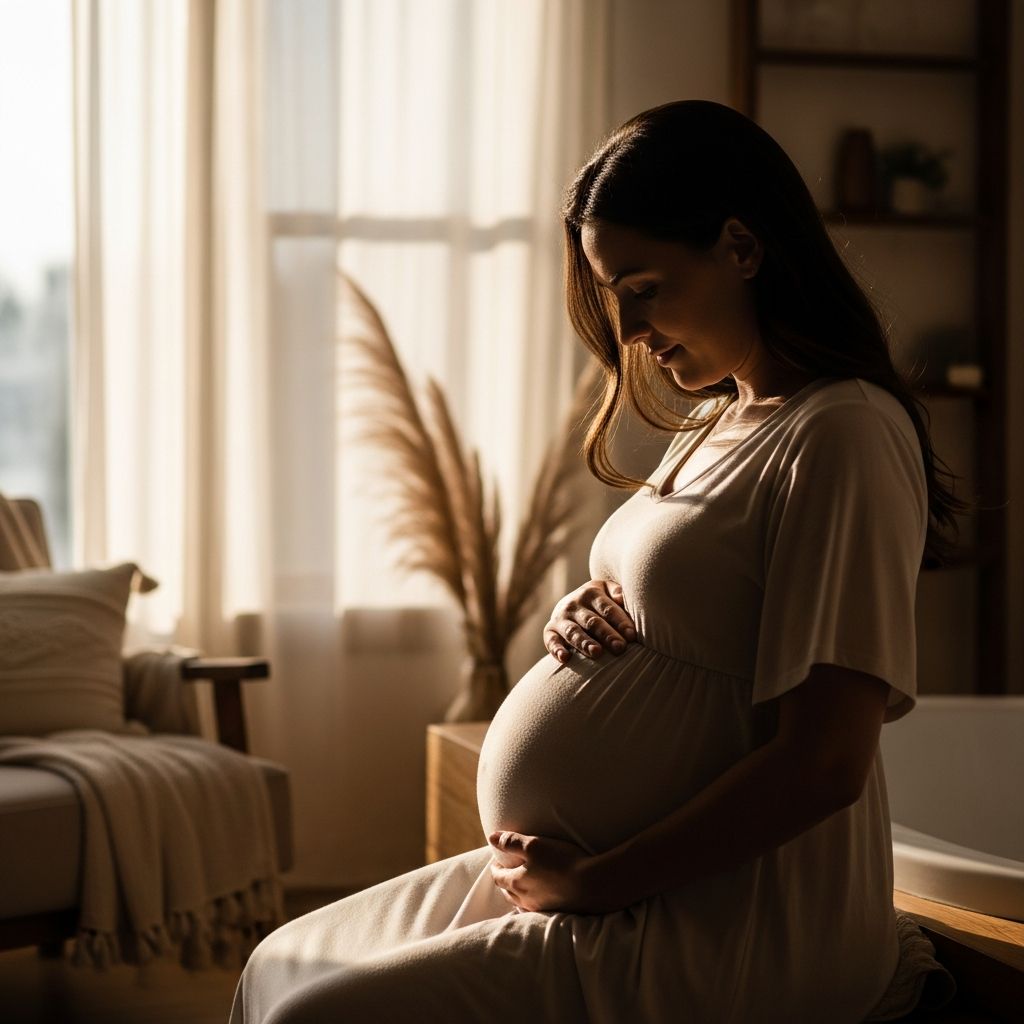
Natural childbirth usually refers to giving birth vaginally with little or no pain medication and using nonmedical techniques to cope with labor. It does not mean refusing all medical care; rather, it focuses on keeping labor as low-intervention as is safely possible while still being open to help if needed.
What Does “Natural Childbirth” Mean Today?
People use the term “natural birth” in different ways, but it often includes one or more of the following:
- Vaginal birth without an epidural or narcotic pain medication
- Minimal use of medical procedures (induction, continuous IV medications, forceps, etc.), unless medically necessary
- Use of comfort measures such as breathing, movement, massage, water, and supportive coaching
- Active participation in decision-making and birth planning
Natural childbirth can take place in a hospital, birth center, or at home, but safety recommendations differ for each setting.
How Natural Childbirth Differs From a Medicated Birth
| Aspect | Natural / Unmedicated Vaginal Birth | Vaginal Birth With Epidural or Other Medication |
|---|---|---|
| Pain Relief | Relies on non-drug techniques (breathing, movement, water, etc.). | Pain significantly reduced or numbed with regional anesthesia (e.g., epidural). |
| Mobility | Often more freedom to walk, change positions, and use gravity. | Movement can be limited, especially from the waist down with an epidural. |
| Interventions | Goal is fewer interventions, such as continuous internal monitors or assisted delivery, when safe. | Somewhat higher chance of assisted vaginal delivery or additional procedures in some cases. |
| Side Effects | No medication side effects, but full experience of labor pain and fatigue. | Possible side effects from anesthesia (low blood pressure, headache, fever, etc.). |
| Perception & Control | Some feel more in control and more aware of pushing and body cues. | Some feel calmer because pain is reduced but may feel less physical feedback in pushing. |
Who Might Consider Natural Childbirth?
Natural childbirth may be a good option for someone who:
- Has a low-risk pregnancy with no major complications
- Wants to avoid medications unless clearly necessary
- Feels motivated to learn and practice coping strategies in advance
- Values being physically active during labor and prefers fewer procedures
It may be less appropriate, or require closer medical oversight, for people with high-risk conditions such as severe high blood pressure, certain heart problems, or a previous complicated birth. In those cases, additional monitoring or planned interventions can be safer for parent and baby.
Benefits Often Associated With Natural Childbirth
For healthy pregnancies, vaginal birth in general carries fewer serious risks than a cesarean for most people, and an unmedicated approach adds some specific potential benefits.
Physical Benefits
- Avoidance of medication side effects such as nausea, low blood pressure, fever, or itching that can occur with some pain medications and epidurals.
- Possibly more mobility in labor, which may help with comfort, positioning of the baby, and potentially the progress of labor.
- Shorter recovery compared with major surgery; vaginal birth generally leads to less postoperative pain, shorter hospital stays, and faster return to normal activities than a cesarean.
- Lower risk of some surgical complications, such as wound infection, blood clots, or longer-term adhesion problems associated with C-section.
Emotional and Psychological Benefits
- A sense of accomplishment and control from managing labor with nonmedical tools, which some people describe as empowering.
- More ability to feel contractions and pushing urges clearly, which some parents feel helps them stay involved in the birth.
- For some, fewer worries about how medications might affect alertness or early bonding with the baby, although modern medications are generally designed to be safe when properly used.
Potential Benefits for the Baby
- Passing through the birth canal can help expel fluid from the baby’s lungs and expose the baby to beneficial vaginal bacteria, which may support early breathing and microbiome development.
- Vaginal birth is associated with shorter hospital stays and often earlier skin-to-skin contact and breastfeeding, which support bonding and infant health.
Risks and Challenges of Natural Childbirth
Even though vaginal birth is a normal biological process, it can still involve significant pain and medical risks. Choosing a natural approach does not remove these possibilities; it mainly affects how pain and interventions are managed.
Pain and Fatigue
- Intense pain during contractions and birth can be distressing and, for some people, traumatic.
- Prolonged or slow labor may lead to exhaustion, making it harder to cope and sometimes increasing the likelihood of needing later interventions.
Medical Risks of Vaginal Delivery
Natural birth shares most of the same medical risks as any vaginal delivery, with or without medication. These can include:
- Bleeding and hemorrhage
- Perineal tears or vaginal trauma
- Infection
- Weakening of pelvic floor muscles, sometimes linked to urinary incontinence
In certain circumstances, vaginal birth may also carry risks for the baby, such as shoulder injury or fractures if the baby is very large or labor is unusually difficult.
When Natural Birth Plans Change
Even if someone plans an unmedicated birth, situations can arise where interventions improve safety, including:
- Abnormal fetal heart rate patterns
- Infections or heavy bleeding
- Labor that does not progress despite adequate time and support
- Conditions that call for an urgent cesarean for the health of the parent or baby
Being flexible about changing the plan, if necessary, does not mean the parent has failed; it reflects thoughtful responsiveness to medical realities.
Choosing a Safe Birth Setting
Natural childbirth can occur in different places, each with its own risk profile and resources.
Hospital Birth
- Immediate access to emergency surgery, blood transfusion, and advanced newborn care if needed.
- Option to start without medication and request it later.
- May have more routine monitoring and protocols, depending on the facility.
Birth Center
- Designed specifically for low-risk pregnancies and natural birth approaches.
- Often offers tubs, birthing balls, and a home-like atmosphere.
- Protocols for rapid transfer to a hospital if complications occur.
Home Birth
Planned home birth with a qualified midwife can be an option in some regions, but it requires careful risk assessment and an accessible hospital backup plan. Some studies find increased risk of serious neonatal complications, including seizures and brain injury, with home birth compared with hospital birth, especially in higher-risk situations.
Preparing for a Natural Birth
Preparation can greatly influence how manageable labor feels. Key steps include education, practice, and building a supportive team.
Inform Yourself
- Take a childbirth education class that covers both natural coping skills and medical options.
- Learn the stages of labor, what contractions feel like, and what hospital or birth center procedures are common.
- Ask your provider how they handle natural birth requests, monitoring, and movement in labor.
Practice Coping Techniques
Common non-drug methods for handling contractions include:
- Slow, controlled breathing patterns
- Changing positions: walking, squatting, side-lying, hands-and-knees
- Warm water immersion (shower or tub), if available
- Massage, counter-pressure on the lower back, and use of birthing balls
- Visualization, meditation, or focusing on a specific object or phrase
These techniques do not remove pain entirely but can make it feel more manageable and less overwhelming for many people.
Choose Your Support Team
- Partner or support person who can provide reassurance, comfort, and advocacy.
- Doula (a trained nonmedical support professional) if possible; continuous support has been associated with decreased need for certain interventions and greater satisfaction with birth experiences in several studies.
- A provider (midwife or physician) whose philosophy on birth aligns with your goals.
Creating a Flexible Birth Plan
A birth plan outlines your preferences but should also acknowledge that health and safety come first.
Topics to Include
- Your wishes around pain management (e.g., planning to avoid epidural unless medically recommended or personally requested)
- Desired labor positions and movement
- Preferences about monitoring (intermittent vs. continuous, as appropriate)
- People you want in the room
- Immediate postpartum wishes, such as delayed cord clamping, skin-to-skin contact, and early breastfeeding if the baby is stable
Discuss the plan with your provider well before your due date and ask which parts are realistic in your chosen setting.
After a Natural Vaginal Birth: What to Expect
Even without surgery, recovery from birth takes time and rest.
- Perineal soreness, especially if there were tears or an episiotomy
- Vaginal bleeding (lochia) for several weeks
- Breast changes as milk comes in, which may include engorgement or tenderness
- Fatigue and shifting emotions as hormones change and sleep is interrupted
Most people can gradually increase activity over days to weeks but should contact a health professional urgently for heavy bleeding, fever, severe pain, or signs of depression or anxiety.
Natural Childbirth and Long-Term Health
For many, choosing vaginal birth when safe can have benefits that extend beyond the immediate postpartum period, including:
- Lower risk of some complications in future pregnancies compared with multiple cesareans, such as placenta previa or placenta accreta.
- Potentially lower risk of certain surgical or anesthesia-related complications over a lifetime.
However, individual circumstances vary widely, and sometimes a planned cesarean or early intervention is clearly the safest choice for parent or baby.
Frequently Asked Questions (FAQs)
Do I have to refuse all interventions for it to count as a natural birth?
No. Many people consider their experience a natural birth even if they used some monitoring, had their water broken, or needed a small amount of medication. The focus is usually on minimizing unnecessary interventions, not eliminating every medical tool.
Is natural childbirth safer than a birth with an epidural?
For most healthy pregnancies, the overall route of birth (vaginal vs. cesarean) has a bigger effect on safety than whether pain medication is used. Epidurals are generally considered safe when properly managed, but they add specific side effects and may increase the chance of certain interventions. Natural birth avoids those medication-related risks but includes the challenge of coping with full labor pain.
What if I plan a natural birth and then ask for pain medicine?
Changing your mind is very common and does not mean you have failed. Birth is unpredictable, and adjusting your plan based on how labor unfolds is a reasonable, evidence-based way to care for yourself and your baby.
Can everyone safely attempt a natural birth?
No. Some conditions—such as certain heart diseases, placenta previa, or previous complicated uterine surgery—may make vaginal or unmedicated birth unsafe. A maternity care provider should review your medical history and help you decide whether attempting a natural birth is appropriate.
How can I balance my wishes with medical advice?
The best approach is to share your goals early, ask your provider to explain the reasons behind any recommended interventions, and agree ahead of time on situations where your plan would change. A respectful, two-way conversation keeps both autonomy and safety in view.
References
- Natural birth vs. epidural: Benefits and drawbacks — Medical News Today. 2023-01-24. https://www.medicalnewstoday.com/articles/natural-birth-vs-epidural
- Labor Without Pain Medication: What is Natural Birth & How to Prepare — UPMC. 2023-05-10. https://www.upmc.com/services/womens-health/services/obgyn/obstetrics/labor-delivery/birth-experience/natural-birth
- Vaginal Delivery: What To Expect, Benefits & Complications — Cleveland Clinic. 2023-03-01. https://my.clevelandclinic.org/health/articles/23097-vaginal-delivery
- C-section vs. vaginal birth: the difference and which is best for you — The Mother Baby Center / Allina Health. 2023-04-14. https://www.themotherbabycenter.org/blog/2023/04/c-section-vs-vaginal-birth/
- “Natural birth” vs. epidural: Pros and cons — HealthPartners. 2023-04-06. https://www.healthpartners.com/blog/natural-birth-vs-epidural-birth/
- Natural Birth — CU Medicine. 2022-06-01. https://www.cumedicine.us/services/natural-birth
- Weighing the Benefits and Risks of Vaginal Childbirth — Willow OB/GYN. 2022-08-10. https://willowobgyn.com/blog/weighing-the-benefits-and-risks-of-vaginal-childbirth