The U.S. Consumer Product Safety Commission (CPSC) has introduced groundbreaking federal regulations for nursing pillows, marking the first mandatory safety standard for these popular baby feeding aids. Approved unanimously on September 18, 2024, and effective April 23, 2025, these rules target suffocation, entrapment, and fall hazards that have led to 154 infant deaths and 64 injuries between 2010 and 2022. Most incidents involved babies under 3 months old falling asleep on or in these pillows, often in unsafe sleep environments like adult beds or cribs.
Understanding Nursing Pillows and Their Role
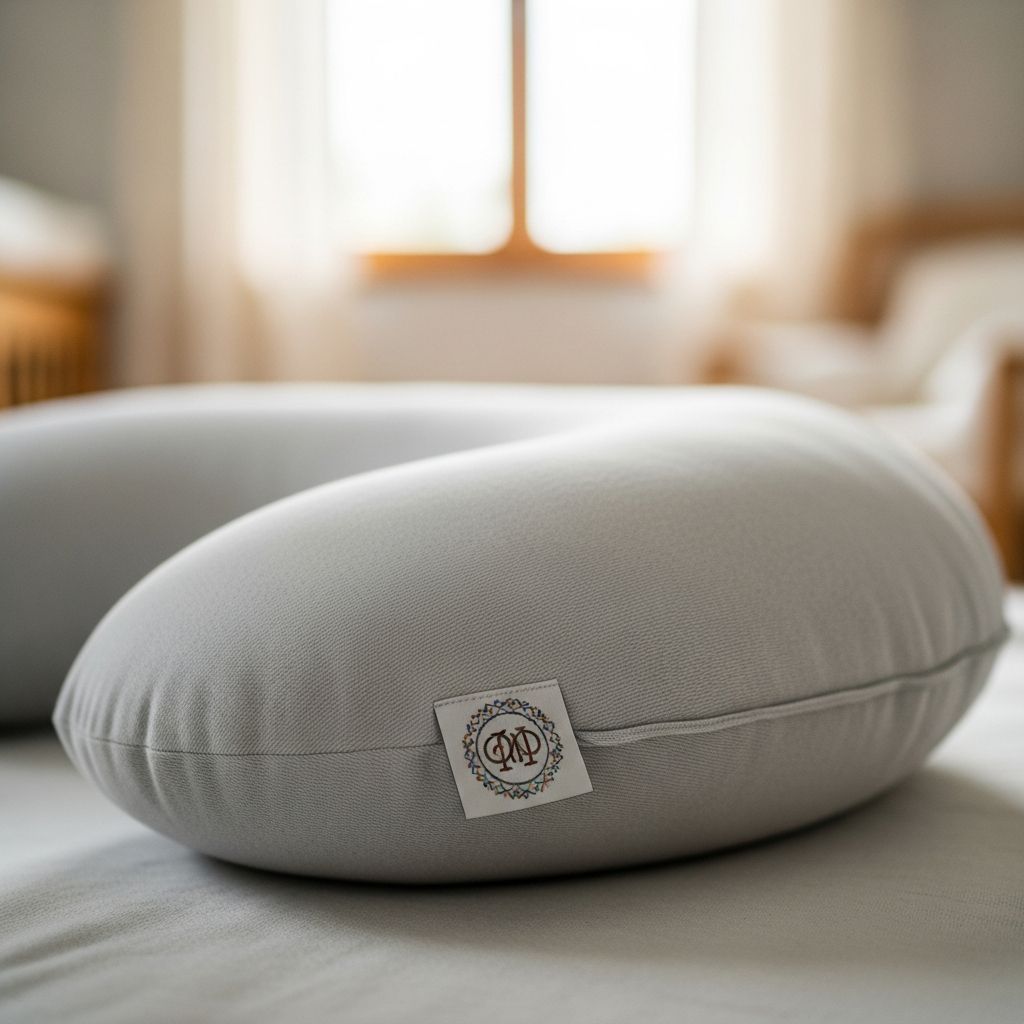
Nursing pillows are designed to support infants close to a caregiver’s body during breastfeeding or bottle-feeding, typically wrapping around or resting on the adult in a seated or reclined position. They provide ergonomic comfort, reducing strain on parents’ backs and necks while promoting better latch positions for babies. However, misuse—such as using them for sleep, lounging, or propping infants unattended—has turned these helpful tools into hidden dangers.
Before these regulations, voluntary standards like ASTM F3669-24 existed, but the CPSC deemed them insufficient, opting for stricter federal mandates to enforce compliance across manufacturers. This shift ensures all new nursing pillows sold after the effective date meet rigorous testing for firmness, stability, and labeling.
Key Hazards Addressed by the New Rules
Infant suffocation occurs when soft pillow surfaces conform to a baby’s face, blocking airways during sleep. Entrapment happens in narrow openings or loose fabric that trap heads or limbs, restricting movement and airflow. Falls result from weak straps or buckles failing under an infant’s weight, especially on elevated surfaces. Data shows nearly all fatalities linked to sleep-related misuse, prompting CPSC leaders like Chair Alex Hoehn-Saric to emphasize: products for infants must prioritize safety without compromising feeding utility.
- Suffocation Risk: Soft plush materials molding to infant faces.
- Entrapment Risk: Tight spaces impeding head movement.
- Fall Risk: Inadequate attachment strength on caregiver or pillow.
Detailed Requirements of the Federal Standard
The final rule, codified in 16 CFR Part 1242, outlines comprehensive performance, design, and labeling criteria. Manufacturers must certify products through third-party testing, with nursing pillows now classified as durable infant or toddler products requiring consumer registration under 16 CFR 1130.
Firmness and Structural Integrity Tests
Nursing pillows must resist deformation: a 3-inch diameter head probe simulating an infant’s face requires over 10.0 Newtons of force to displace the surface by 1 inch, preventing suffocation. Seam strength testing ensures stitching withstands pulls up to specified loads, while caregiver attachments like waist straps or buckles hold a static 20-pound load to avert falls.
Infant Containment and Movement Freedom
Designs mandate wider openings allowing full head rotation for unrestricted airflow. Pillows must contain a test infant torso securely during simulated feeding without slippage. Infant restraint systems—such as harnesses or clips—are outright banned to eliminate entanglement risks.
Labeling and Instructional Mandates
Prominent, permanent warning labels must be conspicuous, non-removable, and bilingual where appropriate, explicitly stating: “This nursing pillow is not for sleep or lounging. Babies have died from suffocation. Remove baby if asleep.”. Instructional literature reinforces safe use protocols. General requirements ban lead in paints, sharp edges, small parts, and detachable hazards.
| Requirement Category | Description | Purpose |
|---|---|---|
| Firmness | Force deflection test >10N at 1 inch | Prevent face suffocation |
| Containment | Torso stability during feeding simulation | Secure positioning |
| Attachments | 20lb static load tolerance | Reduce fall hazards |
| Openings | Wide enough for head movement | Avoid entrapment |
| Labels | Permanent warnings on misuse risks | Educate caregivers |
What Products Are Affected and Exempted
The rule applies to any product marketed for positioning infants during feeding, including removable covers sold with them. Exemptions include maternity pillows for pregnant adults’ sleep support, sling carriers (16 CFR 1228), and soft infant/toddler carriers (16 CFR 1226). This distinction prevents overregulation of unrelated sleep or carrying aids.
Implementation Timeline and Compliance
Published October 25, 2024, in the Federal Register, the standard activates 180 days later on April 23, 2025. Manufacturers have until then to redesign, test, and label products. Existing inventory made before this date can be sold but should carry prior warnings. CPSC urges immediate safe use regardless of manufacture date.
Safe Usage Guidelines for All Parents
To minimize risks today:
- Use only during active feeding sessions in a seated position.
- Transfer baby to a firm, flat crib immediately if drowsiness occurs.
- Avoid placing pillows in cribs, bassinets, or any sleep areas.
- Never leave baby unattended on the pillow, especially elevated.
- Supervise closely; stop if fatigue sets in.
Consumer Reports advocates echo these, noting design changes in post-2025 pillows will inherently deter lounger misuse through flatter, firmer profiles.
Expert Perspectives and Broader Implications
CPSC Commissioner Mary Boyle stressed continuity with 2020 advisories against sleep use, now backed by enforceable standards. Commissioner Richard Trumka highlighted ongoing efforts for rockers and support cushions. Safety analysts like Gabe Knight from Consumer Reports praise the rules for preventing tragedies via material reforms and clearer labels.
These regulations signal a proactive era in infant product oversight, potentially influencing global standards. Parents benefit from reduced guesswork, while manufacturers face certification costs but gain liability protection through compliance.
Frequently Asked Questions (FAQs)
Do these new rules apply to nursing pillows bought before April 2025?
Pre-2025 pillows aren’t retroactively regulated but must follow safe use guidelines. Check for warnings and dispose if damaged or lacking them.
Can I use a nursing pillow for tummy time or play?
No. Reserve strictly for feeding; other uses risk injury. Opt for flat, supervised surfaces for play.
What if my nursing pillow has straps or buckles?
New models’ attachments must pass 20lb tests. Avoid any with infant harnesses, now prohibited.
How do I know if my pillow complies post-2025?
Look for permanent CPSC-compliant labels and firmness. Retailers should confirm certification.
Are there alternatives to nursing pillows?
Cross-legged feeding or footstool elevation works safely without props.
Future Outlook for Infant Feeding Safety
As CPSC expands scrutiny to inclined sleepers and rockers, nursing pillow standards set a benchmark. Parents should prioritize AAP safe sleep: back sleeping in bare cribs. By adhering to these rules, caregivers can confidently use nursing pillows as intended—briefly, supervised, and feeding-only—fostering secure bonding without peril. Education campaigns will amplify impact, potentially averting dozens of incidents annually based on historical data.
References
- CPSC Approves New Safety Standard for Nursing Pillows — Morrison Foerster. 2024-12-03. https://www.mofo.com/resources/insights/241203-cpsc-approves-new-safety-standard-for-nursing-pillows
- New Regulations to Improve Safety of Nursing Pillows — LA Best Babies. 2024. https://welcomebaby.labestbabies.org/new-regulations-to-improve-safety-of-nursing-pillows/
- US CPSC Issues Final Rule for Nursing Pillows — SGS. 2024-11. https://www.sgs.com/en-us/news/2024/11/safeguards-15924-us-cpsc-issues-final-rule-for-nursing-pillows
- Federal Agency Implements First-Ever Product Safety Standards for Infant Nursing Pillows — Product Law Perspective. 2024-10. https://www.productlawperspective.com/2024/10/federal-agency-implements-first-ever-product-safety-standards-for-infant-nursing-pillows/
- Nursing Pillow Regulations Tighten. Is Yours Safe? — Consumer Reports. 2024. https://www.consumerreports.org/health/breastfeeding/is-your-nursing-pillow-safe-a7352345554/
- Safety Standard for Nursing Pillows — Federal Register. 2024-10-25. https://www.federalregister.gov/documents/2024/10/25/2024-24403/safety-standard-for-nursing-pillows