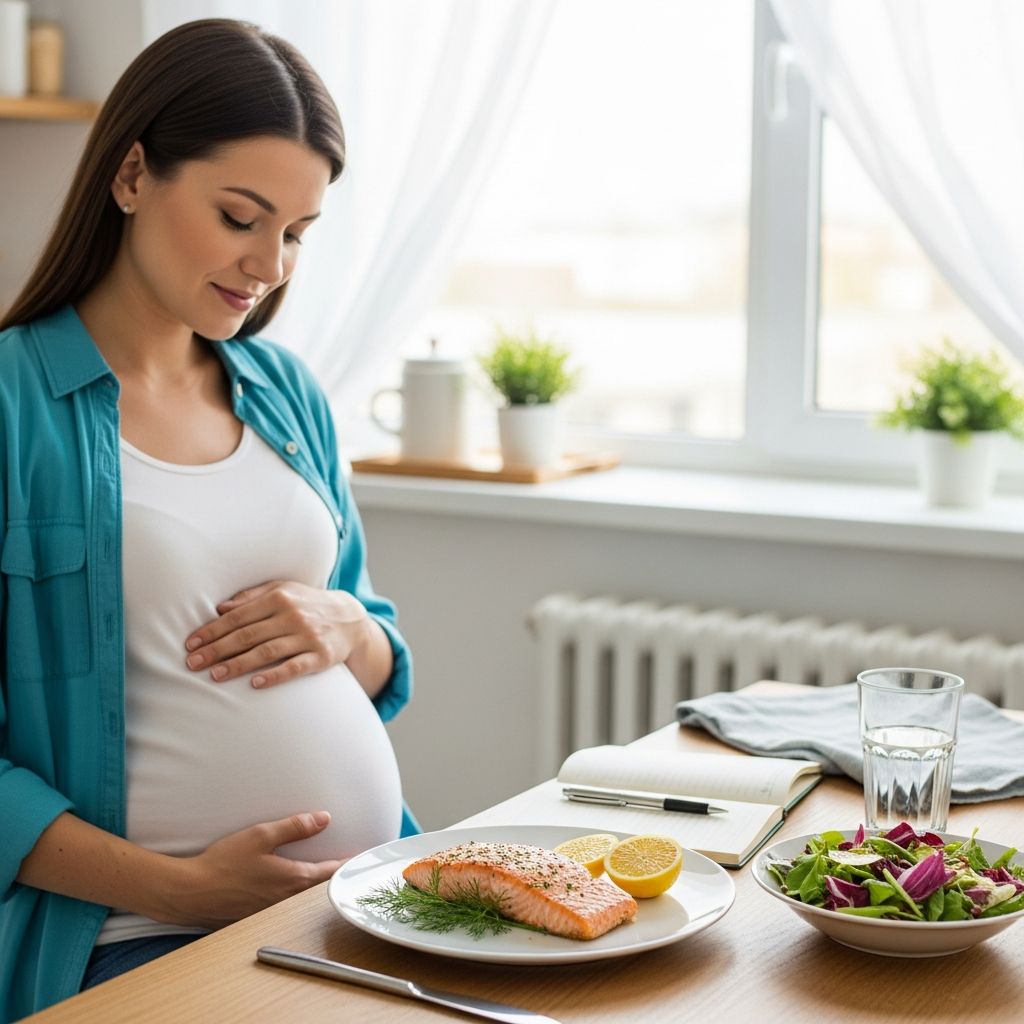
Seafood offers a powerhouse of nutrients essential for pregnant women, particularly omega-3 fatty acids like DHA that support fetal brain growth. Official guidelines from the FDA and EPA encourage 8-12 ounces of low-mercury fish weekly to maximize these advantages without significant risks.
Why Seafood Matters for Expecting Mothers
During pregnancy, the demand for key nutrients surges to fuel rapid fetal development. Fish stands out as a rich source of protein, vitamins, minerals, and especially long-chain omega-3s such as docosahexaenoic acid (DHA) and eicosapentaenoic acid (EPA). These fatty acids are critical for forming the baby’s nervous system and enhancing cognitive functions.
Research demonstrates that adequate DHA intake from fish can lead to measurable improvements in child outcomes. For instance, optimal consumption may raise a child’s IQ by 3 to 5 points, with even moderate amounts delivering up to 70% of these gains. Beyond brain health, seafood supplies selenium, zinc, iron, and iodine—nutrients that combat common pregnancy issues like anemia and support thyroid function.
Heart health benefits extend to mothers too. Incorporating fish into a balanced diet aligns with patterns that reduce cardiovascular risks, vital during the physiological stresses of pregnancy.
The Power of Omega-3s for Baby’s Brain
DHA, abundant in fatty fish, constitutes a major structural component of brain and retinal tissues. Studies show prenatal exposure through maternal diet correlates with superior neurocognitive performance in children, including better language skills and visual processing.
A systematic review highlighted strong evidence linking fish consumption to these benefits, outpacing supplementation alone. In one analysis, women achieving recommended DHA levels via fish like smelt or tilapia saw no mercury exceedances while reaping full neurodevelopmental rewards.
- DHA’s role: Builds neural pathways, potentially boosting IQ and communication abilities.
- EPA synergy: Reduces inflammation, aiding overall fetal growth.
- Real-world impact: Children of fish-eating mothers show enhanced metabolic profiles and cognitive scores.
Navigating Mercury Concerns Effectively
Methylmercury (MeHg), a contaminant in some fish, poses potential neurotoxic risks at high levels. However, empirical data reassures that typical U.S. consumption rates—far below harmful thresholds—pose negligible danger.
Long-term cohort studies, like the Seychelles Child Development Study, tracked exposures over 24 years and found no adverse effects even at levels 10 times U.S. averages. UK research similarly detected no mercury-related developmental deficits in frequent fish consumers.
The shift in guidance from 2004 (risk-focused) to 2017/2021 (benefit-emphasizing) reflects this evidence. Pregnant women eating 2-3 servings weekly of safe fish face low mercury risk while gaining substantial upsides.
FDA and EPA Guidelines: Your Roadmap
Updated advice categorizes seafood into “Best Choices,” “Good Choices,” and types to avoid, based on mercury data and nutrient profiles.
| Category | Examples | Weekly Servings | Mercury Level |
|---|---|---|---|
| Best Choices | Salmon, sardines, pollock, shrimp, tilapia, cod, catfish | 2-3 (8-12 oz total) | Lowest |
| Good Choices | Yellowfin tuna, lingcod, halibut, canned light tuna | 1 per week | Moderate |
| Avoid | Shark, swordfish, king mackerel, tilefish (Gulf), orange roughy, marlin, bigeye tuna | 0 | High |
These recommendations align with the 2020-2025 Dietary Guidelines, urging variety to optimize omega-3s and minimize contaminants. For locally caught fish, heed state advisories or cap at one serving weekly.
Building a Pregnancy-Safe Seafood Menu
Aim for diversity to balance nutrients and limit any single contaminant. A sample weekly plan:
- Monday: Baked salmon (4 oz) with veggies—rich in DHA.
- Wednesday: Shrimp stir-fry (4 oz)—lean protein boost.
- Friday: Canned light tuna salad (4 oz)—convenient omega-3 source.
- Weekend: Grilled pollock—mild flavor, low mercury.
Preparation tips: Bake, grill, or poach to retain nutrients without added fats. Check labels for sustainability and purity certifications.
Overcoming Common Barriers to Fish Intake
Only 10-20% of pregnant women meet seafood goals, often due to unfounded mercury fears or taste aversions. Education empowers: Clinicians note that highlighting neurocognitive perks motivates adherence.
For vegetarians or averse eaters, algal DHA supplements offer an alternative, though whole fish provides synergistic nutrients. Gradually introduce milder varieties like tilapia to build habits.
Long-Term Wins for Mom and Baby
Beyond pregnancy, benefits persist. Children exhibit improved metabolic health, while mothers gain cardiovascular protection. Consistent intake pre-conception enhances outcomes further.
Monitoring intake via apps or journals ensures compliance. Consult healthcare providers for personalized advice, especially with high fish diets or supplements.
Frequently Asked Questions
What if I don’t like fish?
Opt for fortified foods, eggs, or DHA supplements from algae. Whole fish remains ideal for full benefits.
Is canned tuna safe?
Yes, light canned tuna is a Best Choice (up to 12 oz weekly); limit albacore to 4 oz.
How much is a serving?
4 ounces cooked, about palm-sized, equaling a standard deck of cards.
Does cooking remove mercury?
No, but choosing low-mercury types and variety is key.
Are there benefits for breastfeeding?
Yes, continued intake supports ongoing infant brain development.
Empowering Choices for a Healthier Pregnancy
By prioritizing safe seafood, expectant mothers invest in their baby’s future intelligence and vitality. Evidence consistently affirms: benefits far eclipse risks when guidelines are followed.
References
- Risks and benefits of fish consumption for childbearing women — PubMed/NCBI. 2010-03-15. https://pubmed.ncbi.nlm.nih.gov/20205977/
- Fish Consumption During Pregnancy: An Opportunity, Not a Risk — PMC/NCBI. 2020-07. https://pmc.ncbi.nlm.nih.gov/articles/PMC7346675/
- Advice about Eating Fish — FDA. 2023-06-06. https://www.fda.gov/food/consumers/advice-about-eating-fish
- Seafood Recommendations During Pregnancy and Childhood — Academy of Nutrition and Dietetics. 2023-10. https://www.eatrightpro.org/news-center/practice-trends/seafood-recommendations-during-pregnancy-and-childhood
- EPA-FDA Advice about Eating Fish and Shellfish — EPA. 2023-08-08. https://www.epa.gov/choose-fish-and-shellfish-wisely/epa-fda-advice-about-eating-fish-and-shellfish
- Health benefits for kids outweigh risks of eating fish during pregnancy — Keck School of Medicine of USC. 2016-01-21. https://keck.usc.edu/news/health-benefits-for-kids-outweigh-risks-of-eating-fish-during-pregnancy/