Documenting Your Pregnancy Journey Through Photography
Pregnancy represents a profound transformation worthy of visual documentation. Whether you’re working with a professional photographer or capturing images yourself, understanding fundamental photography principles can elevate your maternity portraits from ordinary to extraordinary. The key to stunning pregnancy photography lies not in expensive equipment or elaborate setups, but rather in mastering essential techniques that flattery the changing female form while celebrating the remarkable nature of expecting motherhood.
Photography during pregnancy serves multiple purposes: creating keepsakes for future reflection, sharing milestones with loved ones, and building confidence in your transforming body. The following guide provides comprehensive strategies for capturing pregnancy at every stage, ensuring your visual memories reflect the beauty and joy of this unique period.
Strategic Camera Positioning and Angles
Camera angle represents one of the most powerful tools for creating flattering maternity portraits. The positioning of your camera relative to your subject fundamentally shapes how the body appears in the final image, affecting perceived proportions, the prominence of the baby bump, and overall figure presentation.
Elevated camera placement creates an immediate slimming effect while elongating the body’s vertical lines. When the photographer stands at a higher vantage point and shoots downward toward the subject, it produces a natural lengthening illusion that flatters the pregnancy silhouette. This technique works regardless of weight distribution, as it inherently minimizes areas beyond the belly while maintaining bump prominence. Many photographers position themselves on a ladder, stool, or elevated platform to achieve this advantageous angle.
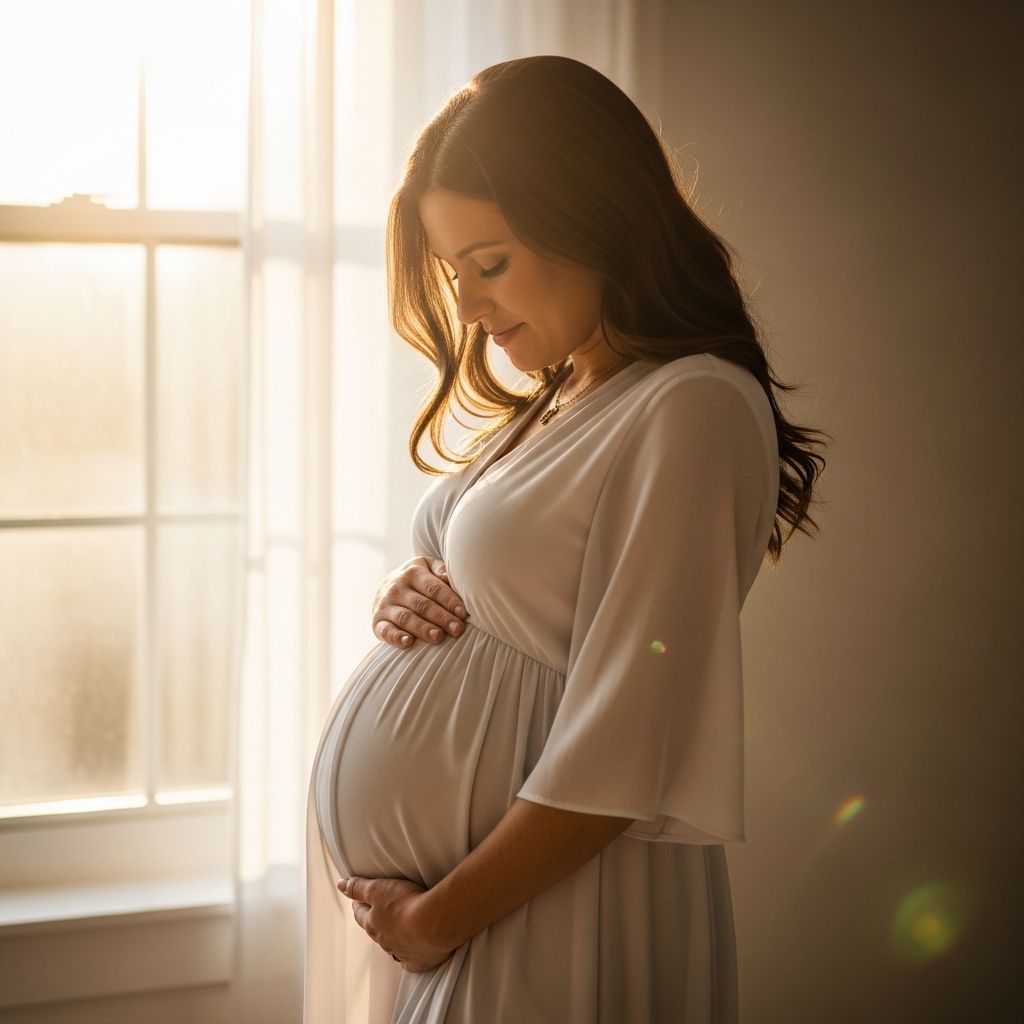
Side profile positioning remains among the most iconic maternity photography angles. By turning the body perpendicular to the camera, the baby bump becomes the focal point while the camera angle can minimize other areas that may have expanded during pregnancy. A slight posterior arch of the spine further defines and emphasizes the bump’s shape, creating what photographers call the desirable “S-curve” silhouette that adds dimension and flattery to the profile view.
Subtle subject rotation offers an alternative to extreme profile shots. Rather than turning completely sideways, a 45-degree angle rotation often provides optimal flattery. This middle-ground positioning allows the camera to capture bump definition while maintaining partial face visibility and a more relaxed, natural appearance than extreme profile shots.
Essential Posing Techniques for Pregnancy Portraits
Effective posing during pregnancy involves understanding how hand placement, leg positioning, and body alignment work together to create visually striking and flattering compositions. These techniques can be adapted across various settings and body types.
Hand Placement and Positioning
Hands require intentional placement during maternity photography, as they serve both functional and aesthetic purposes. The classic “hands-on-belly” pose remains effective because it naturally draws viewer attention directly to the baby bump while giving hands a purposeful place to rest. Variations include placing one hand above and one below the belly, cradling it gently from the side, or positioning hands at the top of the bump while looking downward with a serene expression.
Beyond the traditional belly-cradling pose, hands can be placed at the hips, resting gently on the sides of the torso, tucked into pockets, or softly positioned through the hair or along the neck. The key consideration involves avoiding awkward angles where arms create unflattering lines or the shoulder appears hunched. Arms should maintain an open, relaxed posture that prevents the appearance of tension or discomfort.
Leg Positioning and Lower Body Alignment
Lower body positioning significantly impacts the overall silhouette and can either enhance or diminish the flattery achieved through upper body posing. When standing front-facing toward the camera, slightly turning the body and bending one knee inward creates additional dimension. This stance prevents a flat, square-on appearance while the bent knee naturally shifts weight and hip position, creating a more dynamic and slimming line.
For standing poses photographed from the side, extending one leg straight while keeping the other slightly bent adds definition to the profile. This creates the previously mentioned S-curve effect by adding natural curves and preventing a completely straight, static appearance. The extended leg should feel relaxed rather than rigidly stretched, maintaining a natural stance that prevents muscle tension from showing in the final image.
When sitting is incorporated into the session—particularly for couple or family photos—extra attention should be paid to camera angle, as seated positions can compress the torso. Photographers often adjust their vantage point when working with seated subjects to maintain flattering proportions.
Natural Movement and Dynamic Composition
While posed, static images remain fundamental to maternity photography, incorporating gentle motion adds life, authenticity, and joy to the session. Movement-based shots capture the energy of pregnancy and provide variety across a photo collection.
Gentle walking creates natural, flowing images, particularly when combined with a partner. Holding hands while strolling, perhaps with one hand resting on the belly or gazing toward each other, produces romantic and genuine-feeling portraits. The motion blur and flowing fabric add visual interest compared to completely static poses.
Swaying movements in flowing fabrics create dreamy, artistic effects when captured with appropriate shutter speed. A photographer using a faster shutter speed can freeze dress fabric mid-motion, capturing fabric flowing in wind or the gentle movement of lightweight garments around the body. This technique adds dimensionality and grace to images without requiring rigid posing.
Soft turning movements toward the camera, dancing-like sways, or gentle twirling provide opportunities for varied expressions and body angles within a single session. These dynamic poses keep the session feeling enjoyable and relaxed rather than overly rigid, which typically translates to more genuine, comfortable expressions in the final images.
Building Partnerships: Couple and Family Inclusion
Including partners or family members transforms maternity portraits from solo documentation into collaborative celebration of impending parenthood. These images serve as powerful emotional keepsakes that capture the shared anticipation and emotional connection between family members.
Partner embrace poses create tender, intimate moments. Having a partner stand behind the pregnant individual with arms wrapped around the belly creates physical connection while allowing the camera to capture the belly prominently. Variations include partners gently kissing the forehead, resting their chin on the shoulder, or both partners’ hands meeting on the belly while looking toward each other or the camera.
Belly-to-belly standing poses work well when both partners are approximately similar height. Facing each other with both sets of hands on the bump, perhaps kissing or foreheads touching, creates an intimate framing that emphasizes the shared journey of pregnancy. This pose works particularly well in silhouette photography against sunset or bright window backdrops.
Walking together creates relaxed, natural-feeling images. Partners holding hands while strolling, with one partner’s hand resting on the belly or wrapped around the shoulders, produces movement-based portraits that feel genuine rather than overly posed. Directional gazing—looking toward each other, toward the horizon, or toward the belly—provides compositional variation.
Including older children adds authenticity and tells the expanded family story. Sibling poses might include hand-holding, younger children kissing or touching the belly, or siblings nestled against the pregnant parent with protective or tender expressions. These intimate family moments create multidimensional narratives within a single image.
Wardrobe Selection and Styling Strategy
Clothing choices profoundly influence how maternity portraits appear and should be selected strategically based on desired aesthetic, body confidence, and environmental context.
Fitted garments versus flowing fabrics create different visual effects. Clothing that clings to the body creates clear definition of the baby bump and overall silhouette, producing sharp, detailed portraits with pronounced curves. Flowy dresses and loose garments can work beautifully, particularly when gathered and held snugly beneath the bump or when photographed against wind, creating fabric movement that adds visual interest and dimension.
Color and tone selection affects the overall mood and aesthetic impact. Neutral tones including blacks, whites, creams, and earth tones photograph beautifully in natural lighting and create timeless images that feel elegant and sophisticated. Brighter colors or jewel tones can add vibrancy and personality, particularly valuable when incorporating these hues into maternity portraits that will be displayed alongside other family photography.
Bare belly options create intimate, artistic portraits that celebrate the pregnant form directly. When pursuing topless or minimally covered bump photography, neutral-colored undergarments or coordinating sets in soft colors and lace photograph best. Many photographers recommend moisturizing the belly before sessions to ensure skin appears luminous and healthy, avoiding any dry or dull appearance in close-up images.
Location-appropriate styling ensures wardrobe choices complement environmental context. Urban settings might call for boots and structured clothing, while natural settings often benefit from softer, neutral-toned casual wear. Consistency between wardrobe and backdrop creates cohesive, intentional-looking compositions.
Undergarment selection deserves consideration, particularly when wearing fitted clothing. Looser-fitting undergarments prevent visible panty or bra lines that can detract from otherwise beautiful portraits, while properly fitted supportive undergarments provide comfort during extended shooting sessions.
Lighting Fundamentals for Maternity Photography
Lighting represents a critical yet frequently underestimated component of maternity portrait success. Natural lighting typically provides the most flattering, forgiving illumination for pregnancy photography.
Golden hour photography—shooting during early morning or late evening hours—produces warm, soft light that beautifully flatters skin tones and creates romantic, dreamy atmospheres. This directional, low-angle lighting creates natural dimension and texture while avoiding harsh shadows that can appear unflattering on the changing face and body.
Backlighting and silhouette techniques create artistic, dramatic maternity portraits. Positioning the light source behind the subject—whether natural sunset, window light, or artificial light—creates striking silhouette profiles that emphasize bump shape. This technique works particularly well during golden hour or in front of bright windows, creating bold, artistic compositions that celebrate pregnancy’s distinctive body shape.
Overcast conditions provide soft, diffused natural light that flatters without harsh shadows or blown highlights. While sometimes perceived as less dramatic than golden hour light, overcast days offer consistent, even illumination ideal for natural, approachable maternity portraits.
Composition, Props, and Storytelling Elements
Beyond fundamental posing and technical photography skills, compositional choices and thoughtful prop integration create maternity portraits that feel personally meaningful and emotionally resonant.
Close-up photography captures pregnancy details that often get overlooked in full-body portraits. Images focusing exclusively on the belly, particularly in black and white or desaturated colors, create artistic, intimate compositions. Using lower f-stop values (such as f/1.8) for these close-ups creates pleasing depth of field that separates the subject from the background while maintaining sharp focus on belly details.
Meaningful props and accessories personalize maternity sessions and add narrative depth. Ultrasound images, tiny baby clothing, anticipated nursery items, or sentimental family pieces transform generic maternity portraits into personalized documents of individual family stories. These props work best when intentionally incorporated into the composition rather than appearing forced or obviously placed.
Environmental context adds richness to maternity documentation. Incorporating meaningful locations—childhood homes, significant places within a relationship, anticipated family gathering spaces—transforms maternity portraits into multi-layered images that connect pregnancy documentation to broader life narratives and family history.
Technical Considerations and Equipment Selection
While expensive equipment remains unnecessary for quality maternity photography, certain technical choices enhance image quality and creative possibilities.
Lens selection significantly affects image aesthetics and practical functionality. Moderate telephoto lenses such as 85mm provide excellent flattery for portraits by compressing features and creating pleasing proportions. Wide-angle lenses work for environmental portraits and creative compositions but require careful angle adjustment to avoid unflattering distortion that might exaggerate body proportions beyond pregnancy reality.
Aperture settings determine depth of field and background separation. For close-up belly photography and detail shots, lower aperture values create beautiful background separation and focus the viewer’s attention directly on the subject. For environmental portraits incorporating scenery, slightly higher apertures ensure adequate background context while maintaining subject focus.
Shutter speed considerations become important when incorporating movement. Faster shutter speeds freeze dynamic poses and fabric motion, while slower speeds can introduce intentional motion blur for artistic effect. Session timing and available light influence optimal shutter speed selection.
Frequently Asked Questions
Q: What is the best time during pregnancy for maternity photography?
A: Most photographers recommend scheduling maternity sessions during the third trimester, typically between weeks 30-36, when the baby bump is prominently visible yet the pregnant individual typically feels relatively comfortable for extended posing and movement.
Q: Should I wear makeup for maternity portraits?
A: Light makeup typically enhances maternity portraits by defining features that can appear softer during pregnancy. Natural-looking makeup, slightly heavier than everyday application, photographs well under studio and natural lighting conditions.
Q: Can maternity photography happen indoors?
A: Yes, indoor maternity photography can produce stunning results when using available window light, particularly backlighting from large windows. Interior settings allow creative incorporation of meaningful home locations and provide climate-controlled environments.
Q: What should I do if I feel uncomfortable during my maternity session?
A: Communication with your photographer is essential. Experienced maternity photographers understand pregnancy physical limitations and can modify poses, take breaks, or adjust the session pace to ensure comfort while capturing beautiful images.
Q: How many images typically result from a maternity session?
A: Standard maternity sessions typically produce 50-200 edited images, though this varies based on session length, photographer style, and specific client agreements. Discuss deliverables and editing expectations when booking.
Q: Can I incorporate my pets into maternity photography?
A: Yes, pets can add personality and tell your family story within maternity portraits. Plan pet inclusion carefully with your photographer, as animal cooperation can be unpredictable but often creates charming, authentic images.
References
- The Art of Posing: Tips for Beautiful Maternity Portraits — Jenn Brookover Photography. https://jennbrookover.com/posing-tips-for-the-perfect-maternity-portrait/
- 5 Tips for Flattering Maternity Photography — Digital Photography School. https://digital-photography-school.com/5-tips-for-flattering-maternity-photography/
- 15 Tips for Taking Better Maternity Photographs — The Click Community. https://www.theclickcommunity.com/blog/easy-tips-for-creating-better-maternity-photos-by-leah-cook/
- My Ultimate Maternity Photography Posing Guide — Kristin Militello Photography. https://www.kristinmilitophotography.com/my-ultimate-maternity-photography-posing-guide/
- Client Maternity Guide: Additional Thoughts and Tips — Ava Photography. https://www.avaphotographypg.com/Client-Maternity-Guide/
- Tips and Tricks: How To DIY Your Own Maternity Shoot — Aby Joanne Photography. https://www.abyjoannephotography.co.uk/blog/my-diy-maternity-shoot