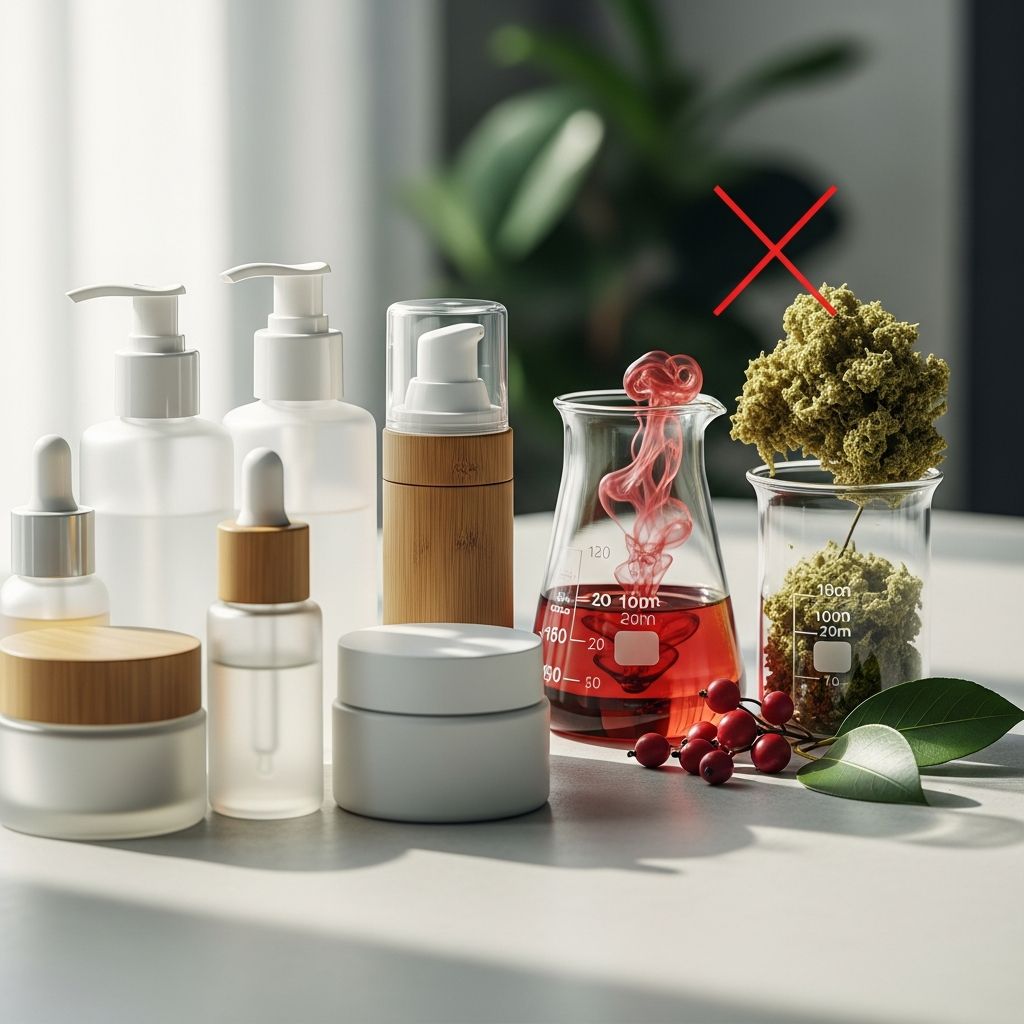
During pregnancy, your skin undergoes remarkable changes, from glowing radiance to unwelcome breakouts or dark spots. Maintaining a beauty routine is tempting, but certain cosmetic ingredients can pose risks to fetal development due to systemic absorption. This guide draws from medical research to highlight substances to avoid or limit, empowering you to make informed choices for healthier skin and a safer pregnancy.
Why Skincare Choices Matter in Pregnancy
Pregnancy alters hormone levels, increasing skin sensitivity and absorption rates. What you apply topically can enter the bloodstream, potentially affecting the baby. Organizations like the American Academy of Dermatology (AAD) stress consulting professionals, as not all ingredients are equally studied in pregnant populations. While many products are safe, prioritizing mineral-based or low-absorption options minimizes risks.
Key Ingredients to Strictly Avoid
Some compounds show clear evidence of harm or high absorption, warranting complete avoidance.
- Retinoids (Retinol, Tretinoin, Adapalene): These vitamin A derivatives accelerate cell turnover but are linked to birth defects in animal studies and case reports. Topical forms absorb systemically, crossing the placenta. The NIH confirms troubling associations with malformations.
- Topical Antibacterials like Clindamycin: Prescription-strength fighters against acne bacteria may disrupt fetal development. Limited pregnancy data advises steering clear.
- Hydroquinone: A potent skin-lightener for hyperpigmentation, it absorbs 35-45% into the bloodstream. Though one small study showed no issues, experts recommend minimizing due to insufficient large-scale data.
Ingredients for Limited or Cautious Use
Not all concerning items require total bans; moderation and low concentrations often suffice.
| Ingredient | Concern Level | Safe Threshold | Alternatives |
|---|---|---|---|
| Benzoyl Peroxide | Sparingly | <2.5% | Azelaic acid, tea tree oil |
| Salicylic Acid | Sparingly | <2% topical | Glycolic acid, lactic acid |
| Parabens (methyl-, propyl-, etc.) | Limit | Avoid if possible | Phenoxyethanol (natural preservatives) |
| Phthalates | Limit | Check labels | Fragrance-free products |
The AAD endorses benzoyl peroxide and low-dose salicylic acid with dermatologist approval, as absorption is minimal and no major risks appear in studies. Parabens and phthalates, common preservatives and fragrance stabilizers, lack robust pregnancy safety data; opt for paraben-free lines.
Exfoliants and Acids: Navigating the Gray Areas
Alpha hydroxy acids (AHAs) like glycolic acid treat acne and fine lines. Animal studies at high doses showed reproductive effects, but human topical use absorbs negligibly (< minimal systemic levels). NIH experts deem it low-concern. Beta hydroxy acids like salicylic follow suit at low strengths.
- Use glycolic acid up to 10% for evening application.
- Avoid high-dose peels or combinations.
Sun Protection and Tanning: Safe Glow Strategies
Sun exposure worsens melasma (pregnancy mask). Physical sunscreens with zinc oxide or titanium dioxide block UV without chemical absorption, making them ideal. Chemical filters like oxybenzone have debated endocrine effects; stick to minerals.
Self-tanners with dihydroxyacetone (DHA) stain the skin’s surface with minimal penetration (0.5% systemic). Many providers greenlight post-first trimester, but avoidance ensures caution.
Hair and Body Care Considerations
Depilatories containing thioglycolic acid or hydroxides have negligible absorption compared to dietary intake, posing no fetal risk per NIH. Hydrogen peroxide in hair bleaches metabolizes quickly at cosmetic levels.
Essential oils (rosemary, sage) and triclosan (antibacterial) fall into ‘use sparingly’—potential hormone disruptors without definitive pregnancy studies.
Safe Alternatives for Common Pregnancy Skin Woes
Acne Management
- Azelaic acid: Anti-inflammatory, pregnancy-tested safe.
- Vitamin C serums: Brighten and protect.
- Niacinamide: Balances oil without irritation.
Hyperpigmentation
- Licorice root extract or arbutin: Gentle brighteners.
- Sun hats and mineral SPF: Prevent worsening.
Moisturizing and Stretch Marks
Hydrate with hyaluronic acid, shea butter, or ceramides. These nourish without penetration risks.
Building Your Pregnancy Skincare Routine
A simple, effective regimen:
- Cleanse: Gentle, fragrance-free foaming cleanser.
- Treat: Morning vitamin C; evening azelaic or low glycolic.
- Moisturize: Layer hyaluronic serum under cream.
- Protect: Broad-spectrum mineral SPF 30+ daily.
Patch-test new products. Fragrance-free minimizes irritation.
Expert Tips from Dermatologists and OBGYNs
“Tell your obstetrician and dermatologist about all skincare. They can tailor plans.” — AAD Guidelines
ACOG views low topical salicylic safe, but many OBGYNs prefer alternatives amid abundance of options. Prioritize MADE SAFE® or pregnancy-specific lines, but verify ingredients.
Frequently Asked Questions (FAQs)
Can I use salicylic acid while pregnant?
Topical salicylic acid under 2% is generally safe per ACOG, but consult your provider; avoid oral forms.
Are mineral sunscreens truly pregnancy-safe?
Yes, zinc oxide and titanium dioxide sit on skin surface, recommended by AAD to prevent irritation.
What about hair dye during pregnancy?
Low ammonia or henna dyes are fine after first trimester; ensure ventilation.
Is vitamin C safe in pregnancy skincare?
Absolutely—antioxidant benefits without risks; apply mornings for glow.
Should I avoid all preservatives?
No, but skip parabens/phthalates; natural options like radish root ferment suffice.
Long-Term Skin Health Post-Pregnancy
Many changes reverse postpartum, but habits like SPF persist. Breastfeeding mirrors pregnancy restrictions for retinoids. Track evolving research, as guidelines update.
Empowerment comes from knowledge: curate products aligning science and safety. Glow confidently, baby protected.
References
- Safety of skin care products during pregnancy — PMC – NIH. 2011-06-27. https://pmc.ncbi.nlm.nih.gov/articles/PMC3114665/
- Label Checker – Verify Ingredients & Quality of Supplements — Perelel Health. Accessed 2026. https://perelelhealth.com/pages/label-checker
- Dermatologist-approved pregnancy skin care — American Academy of Dermatology (AAD). Accessed 2026. https://www.aad.org/public/everyday-care/skin-care-secrets/routine/pregnancy-skin-care
- Pregnancy-Safe Natural Skincare & Body Products — True Botanicals. Accessed 2026. https://truebotanicals.com/collections/pregnancy-skincare