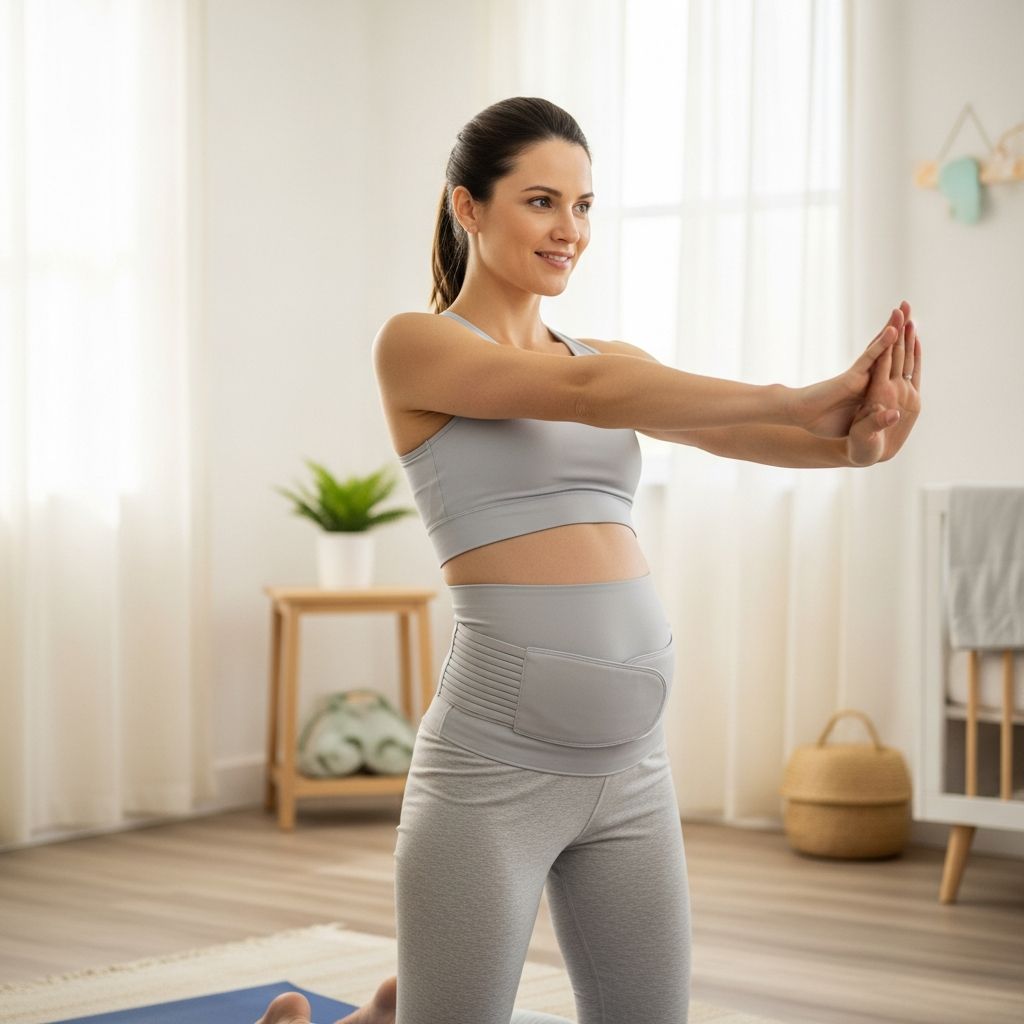
Postpartum belly wraps and girdles have become a go-to accessory for many new parents seeking comfort, support, and a sense of stability during the intense weeks after birth. Rather than a magic solution for instant weight loss, a well-chosen wrap can act like a gentle brace while your core, pelvis, and posture adjust to life after pregnancy.
What Exactly Is a Postpartum Belly Wrap?
A postpartum belly wrap is a wide, supportive band worn around the abdomen and often the lower back to provide light compression and stability after childbirth. It may be made of elastic fabric, structured panels, or adjustable Velcro straps designed to fit snugly but not restrict breathing or movement.
These wraps are sometimes called belly binders, belly bands, or postpartum girdles, and they may be recommended informally by friends, doulas, or even clinicians as one tool among many to support early postpartum recovery.
Why Your Core Feels So Different After Birth
During pregnancy, the abdominal muscles stretch to make room for the growing uterus, and the connective tissue along the midline may thin and widen, a change often referred to as diastasis recti. Combined with hormonal shifts that soften ligaments and the physical demands of late pregnancy, this can leave the core feeling weak, wobbly, or uncoordinated.
After birth, the uterus starts to shrink, fluid shifts, and organs gradually shift back toward their pre-pregnancy positions, but these processes take weeks to months. A wrap does not reverse these changes on its own, yet some people find that external support makes it easier to stand upright, walk, or care for their baby while the body recalibrates.
Potential Benefits of Postpartum Belly Wraps
The benefits of postpartum wraps vary from person to person, and research is still catching up with popular use. That said, many new parents and some clinicians report specific advantages when wraps are used thoughtfully and not excessively.
Physical comfort and pain relief
- Gentle compression can reduce the feeling of abdominal “heaviness” or wobbliness when walking, standing, or getting out of bed.
- Some people report less lower back discomfort because the wrap encourages a more upright posture instead of slumping or arching.
- After a cesarean birth, cushioning over the incision area may help minimize pulling or tugging sensations during movement.
Support for posture and movement
- A wrap can serve as a reminder to avoid deep slouching when feeding or holding the baby, which may reduce strain around the shoulders and lumbar spine.
- Wearing a supportive band can make early walks, household tasks, and baby care feel less jarring to the abdomen.
Emotional and practical benefits
- Feeling held together or more “secure” can offer psychological comfort at a time when the body may feel unfamiliar and vulnerable.
- A smoother silhouette under clothes might boost confidence when venturing out, especially if regular waistbands feel awkward or irritating.
What Belly Wraps Cannot Do
Marketing language can make belly wraps sound like miracle tools that will shrink your waist in days or reverse all abdominal changes. It is important to keep expectations grounded in what is realistically possible and supported by current knowledge.
- Wraps do not burn fat or replace movement, sleep, or nourishing food; they are supportive garments, not weight-loss devices.
- No wrap can guarantee full closure of diastasis recti or prevent pelvic floor issues; targeted rehab exercises and professional guidance matter far more.
- Overly tight binding may actually increase pressure downward on the pelvic floor or interfere with comfortable breathing, which can delay rather than enhance recovery.
Thinking of a wrap as a brace or crutch can be helpful: it may assist you for a period of time, but the long-term goal is for muscles and coordination to resume the heavy lifting.
Types of Postpartum Belly Wraps and Girdles
Postpartum wraps come in several styles, each with pros and cons depending on your birth experience, body type, and comfort preferences. The table below provides a quick overview of common options.
| Type | Key Features | Best For | Possible Drawbacks |
|---|---|---|---|
| Elastic belly band | Simple tube or band of stretchy fabric; easy to slip on and off; usually lightweight. | Everyday light support, layering under clothes, sensitive skin that dislikes stiff panels. | May roll or bunch; limited adjustability as your body changes; gentler compression only. |
| Velcro binder | Wide band with adjustable Velcro closure; can tighten or loosen throughout the day. | Early postpartum when size is changing quickly; people who want customizable compression. | Bulkier under clothes; Velcro can irritate skin if it rubs; may ride up when sitting. |
| Structured postpartum girdle | Shapewear-style garment with multiple panels or boning; often extends over hips. | Special events, more shaping under fitted outfits, or added back support. | Trickier to put on after surgery; may feel too rigid for lounging or sleeping. |
| Traditional fabric bind | Long fabric wrap layered and tied around the torso, inspired by cultural practices. | People who value ritual or tradition and prefer natural fabrics and customizable wrapping. | Learning the wrapping technique takes time; can be warm in hot climates; not as quick to adjust. |
How to Choose the Right Belly Wrap for You
Choosing a wrap is less about chasing dramatic before-and-after images and more about matching a garment to your specific body, birth, and lifestyle. Thinking through your goals and constraints before buying can save money and frustration.
Questions to ask yourself
- What is my main goal: comfort, incision support, posture cues, or shaping for clothes?
- Am I healing from a vaginal birth, a cesarean birth, or a birth with significant tearing or complications?
- Do I have a history of pelvic floor concerns, hernias, or chronic back pain that may affect what feels safe?
- Will I mostly wear the wrap at home, or do I want something smooth and discreet under work or going-out clothes?
Practical buying tips
- Check size charts carefully and, if possible, aim for a size that fits your late third-trimester or immediately postpartum waist rather than pre-pregnancy measurements.
- Look for breathable, soft fabrics with flat seams if you are sensitive to itching or prone to rashes.
- Prioritize wraps with adjustable closures or flexible panels so you can gradually loosen them as swelling decreases and comfort needs change.
- Consider whether you will realistically want to hand-wash or if you need something that can handle frequent laundry cycles.
Using a Postpartum Belly Wrap Safely
Safe use of a belly wrap is more important than wearing one for long hours. Listening to your body, respecting surgical guidelines, and giving your core a chance to breathe and move are all crucial.
When to start and how long to wear
- After a straightforward vaginal birth, some people begin wearing a soft wrap within the first days, once cleared by their care provider.
- After a cesarean or more complex birth, timing depends on medical advice; extra care is needed to avoid friction on the incision.
- Many people limit wear to a few hours at a time, taking breaks for skin checks, deep breathing, and gentle movement.
Signs your wrap is too tight
- Difficulty taking full, relaxed breaths or feeling like you are constantly bracing against the wrap.
- Increased pelvic pressure, heaviness, or new urinary leakage when standing or walking.
- Red marks, chafing, numbness, or tingling that persist long after removing the garment.
If any of these occur, loosen the wrap or remove it entirely, and discuss symptoms with a health professional if they continue.
“`