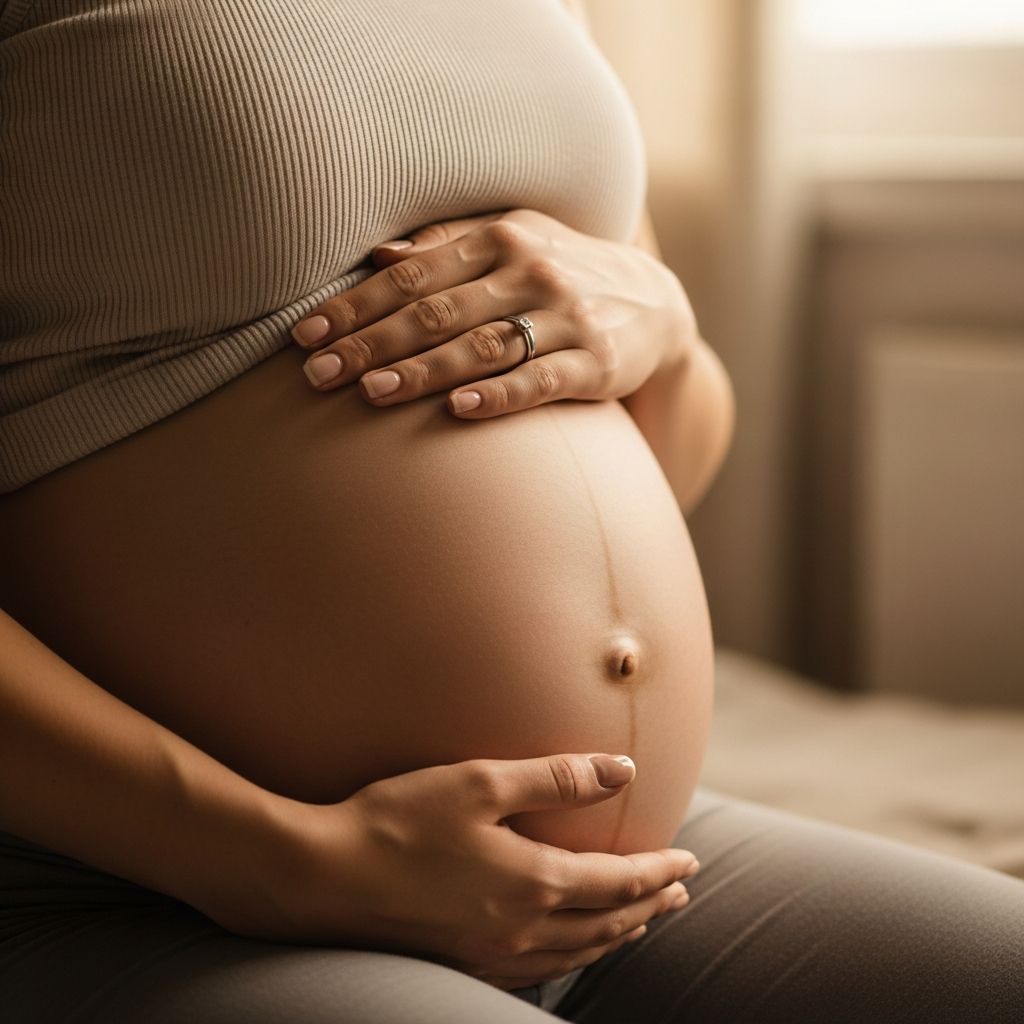
Shortness of breath, or dyspnea, affects many pregnant individuals as the body adapts to support fetal growth. This symptom arises from physiological changes like elevated hormone levels and mechanical pressures, often starting early and peaking later in gestation.
Physiological Reasons Behind Pregnancy-Related Breathlessness
The respiratory system undergoes significant adjustments during pregnancy to meet heightened oxygen demands for both mother and baby. Blood volume expands by up to 50%, compelling the heart and lungs to operate more efficiently, which can manifest as a sensation of air hunger.
**Hormonal Influences on Respiration**
Progesterone, a key pregnancy hormone, stimulates the brain’s respiratory center, prompting deeper and more frequent breaths. This ensures adequate oxygen delivery but often feels like insufficient air intake, even when saturation levels remain normal.
**Mechanical Constraints from Uterine Expansion**
As the uterus enlarges, it elevates the diaphragm—the chief breathing muscle—reducing lung expansion capacity by about 20%. This effect intensifies in later months, limiting full inhalations and exacerbating breathlessness during routine tasks.
**Elevated Metabolic and Oxygen Requirements**
Pregnancy boosts the basal metabolic rate, increasing carbon dioxide production and minute ventilation—the volume of air breathed per minute. The body’s doubled oxygen needs strain the system, particularly under exertion.
Breathlessness Patterns Across Pregnancy Trimesters
Timing provides clues to underlying factors, helping differentiate normal adaptations from potential concerns.
First Trimester Dynamics
Early breathlessness frequently stems from surging progesterone, which alters breathing patterns before visible changes occur. Many notice quicker respirations during light activities, as the hormone heightens sensitivity to blood carbon dioxide levels.
- Typically mild and tied to hormonal surges rather than physical bulk.
- May accompany nausea or fatigue, resolving as the body acclimates.
- Affects up to 60-70% of pregnancies from week 8 onward.
Second Trimester Shifts
Breathlessness may intensify around week 19 as the uterus grows, compressing lungs while blood flow surges. Heart adaptations, like slight chamber dilation, further influence respiration.
- Common during walking or stairs due to reduced lung volume.
- Posture changes can offer temporary ease.
- Studies from decades ago noted 31% prevalence by mid-second trimester in healthy pregnancies.
Third Trimester Challenges
Peak discomfort arises from maximal uterine pressure on the diaphragm and ribs, often worsening when lying flat. Relief sometimes comes as the baby drops into the pelvis near term, freeing lung space.
- Breathlessness at rest or minimal effort is routine.
- Swelling or fluid retention adds to sensations of chest tightness.
- Position-dependent: upright postures typically improve airflow.
Other Contributors to Breathing Discomfort
Beyond standard changes, certain conditions amplify symptoms.
| Condition | Symptoms | Prevalence in Pregnancy |
|---|---|---|
| Iron-Deficiency Anemia | Fatigue, pallor, breathlessness on exertion | Affects ~50% of pregnancies |
| Asthma Exacerbation | Wheezing, coughing, chest tightness | Pre-existing cases worsen in 1/3 |
| Heart-Related Issues | Swelling, palpitations, severe dyspnea | Rare, e.g., peripartum cardiomyopathy |
Anemia reduces hemoglobin’s oxygen transport, intensifying breathlessness. Pre-existing asthma may flare due to immune shifts, while rare cardiac events like peripartum cardiomyopathy demand prompt evaluation.
Practical Strategies for Easing Breathlessness
Lifestyle tweaks can significantly alleviate discomfort without medical intervention.
- Maintain Upright Posture: Sit or stand tall to maximize diaphragm freedom; avoid slouching.
- Pace Activities: Take frequent breaks during chores or exercise; opt for short walks over intense sessions.
- Practice Breathing Exercises: Pursed-lip breathing—inhale through nose, exhale slowly via pursed lips—enhances efficiency.
- Stay Hydrated and Optimize Sleep: Use pillows to prop up while sleeping; hydration thins mucus for better airflow.
- Address Anemia: Consume iron-rich foods like spinach and lean meats; prenatal vitamins help prevent deficiency.
For asthma sufferers, consult providers about pregnancy-safe inhalers to maintain control.
Recognizing When Breathlessness Signals a Problem
While common, sudden or severe episodes warrant attention to rule out complications like pulmonary embolism—a clot blocking lung arteries—or infections.
- Sudden onset or worsening at rest.
- Accompanied by chest pain, rapid heartbeat, coughing blood, or leg swelling.
- Blue lips, extreme fatigue, or confusion.
- Fever, wheezing, or persistent symptoms despite rest.
Peripartum cardiomyopathy, heart failure post-delivery, presents with ankle swelling and low blood pressure; early detection improves outcomes. Always err on caution—contact your obstetrician if unsure.
Frequently Asked Questions (FAQs)
Is breathlessness during pregnancy dangerous for the baby?
Typically no; the body prioritizes fetal oxygenation through efficient adaptations. Monitor for severe cases and follow medical advice.
Does shortness of breath improve after delivery?
Yes, rapidly—within days to weeks—as the uterus shrinks, diaphragm descends, and blood volume normalizes.
Can exercise worsen pregnancy breathlessness?
Moderate activity strengthens respiration; avoid overexertion. Swimming or prenatal yoga often helps.
How much breathlessness is too much in late pregnancy?
If it prevents sleep, daily tasks, or includes pain/dizziness, seek immediate care.
Should I worry about breathlessness in early pregnancy?
Usually hormonal and benign, but paired with severe nausea or bleeding? Contact your doctor promptly.
Long-Term Respiratory Health in Pregnancy
Pregnancy offers a window to build habits like quitting smoking, which impairs oxygen delivery and heightens risks. Weight management and cardio fitness pre-conception buffer symptoms. Postpartum, continued monitoring ensures recovery, especially for those with pre-existing conditions.
Empowerment comes from knowledge: track symptoms, communicate with providers, and embrace adaptations as signs of your body’s remarkable work. Breathlessness fades, heralding new beginnings.
References
- Shortness of Breath During Pregnancy: Causes and Prevention — Cloud Nine Care. 2023. https://www.cloudninecare.com/blog/shortness-of-breath-during-pregnancy
- Pregnancy and Shortness of Breath: When to Worry — Happiest Baby. 2023. https://www.happiestbaby.com/blogs/pregnancy/shortness-of-breath-pregnancy
- Shortness of breath during pregnancy: Causes and management — Medical News Today. 2023-05-12. https://www.medicalnewstoday.com/articles/322316
- Breathing Problem in Pregnancy — Altus Emergency Centers. 2023. https://www.altusemergency.com/blog/breathing-problem-in-pregnancy
- The Third Trimester of Pregnancy: Shortness of Breath and Edema — Healthline. 2023. https://www.healthline.com/health/pregnancy/third-trimester-shortness-breath-edema
- Why Do Some Women Feel Short of Breath During Pregnancy? — KidsHealth. 2023. https://kidshealth.org/en/parents/breathing.html
- When to worry about breathing issues during pregnancy — Norton Healthcare. 2023. https://nortonhealthcare.com/news/when-to-worry-about-breathing-issues-during-pregnancy-what-to-watch-for-and-what-it-might-mean/