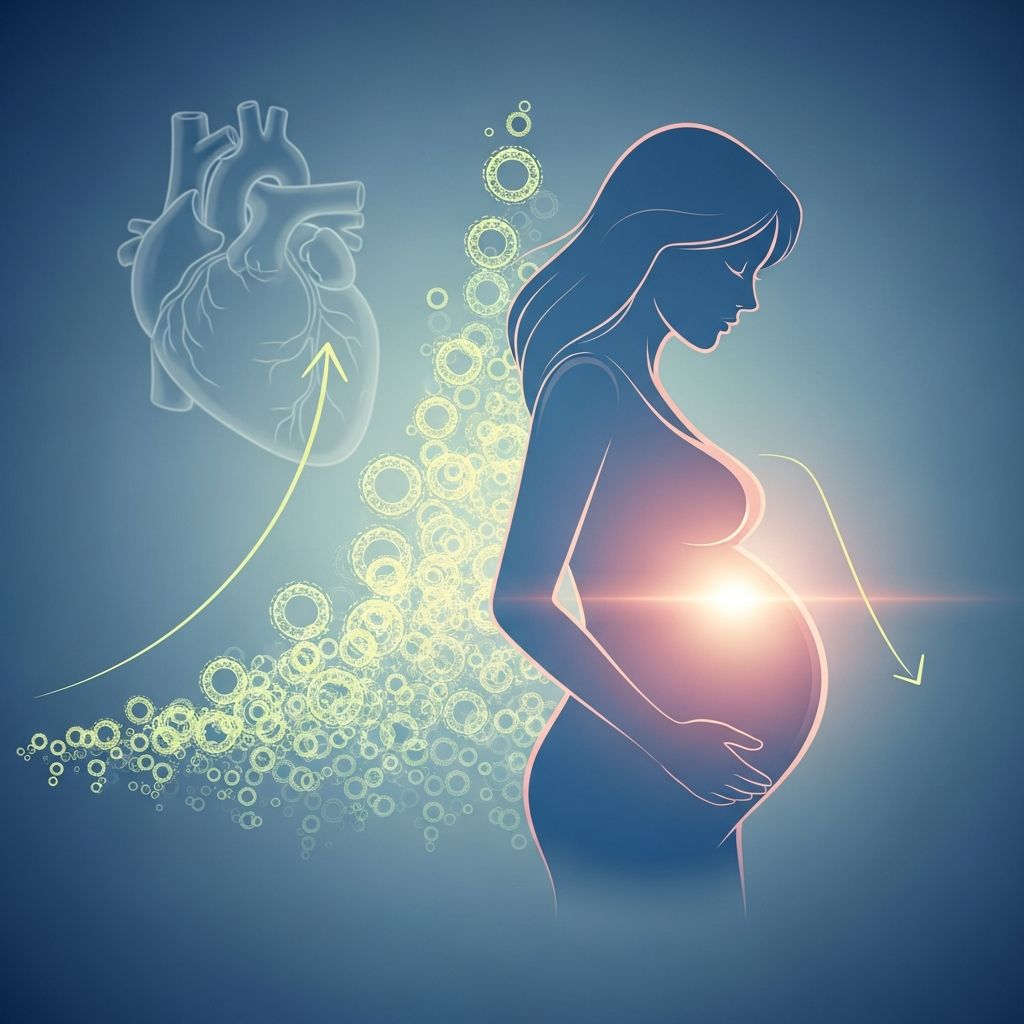
Why Thermal Regulation Becomes Complex During Pregnancy
Pregnancy fundamentally alters how a woman’s body manages heat. The physiological changes required to support fetal development create significant challenges for maintaining optimal core body temperature. During pregnancy, a woman’s metabolic rate increases substantially to meet the energy demands of the growing fetus, which generates additional internal heat production. This heightened metabolic activity, combined with weight gain that reduces the ratio of body surface area to mass, makes it increasingly difficult for pregnant women to dissipate excess heat through normal cooling mechanisms.
The pregnant body experiences expanded blood volume and altered cardiovascular function to support placental circulation. These adaptations redirect blood flow toward maintaining fetal development, which can compromise the body’s ability to efficiently cool itself through perspiration and vasodilation. Additionally, pregnant women face greater susceptibility to dehydration, a condition that further impairs the body’s natural cooling capacity. Unlike non-pregnant individuals who maintain relatively stable core temperatures, pregnant women often experience slightly elevated baseline body temperatures as a normal part of pregnancy physiology.
How Excessive Heat Threatens Maternal Wellbeing
Pregnant women become vulnerable to heat-related illnesses at much lower temperature thresholds than non-pregnant adults. The body’s demand to cool both the mother and developing baby simultaneously creates a dangerous situation where heat exhaustion and heat stroke can develop more rapidly and with greater severity. When core body temperature exceeds safe limits—ideally not surpassing 102 degrees Fahrenheit—serious maternal complications emerge.
Heat exhaustion during pregnancy presents with characteristic symptoms including warm, clammy skin, persistent headache, dizziness, muscle cramping, and nausea. Beyond these acute discomforts, overheating triggers dehydration, which activates the uterine muscles and can cause Braxton Hicks contractions or false labor episodes. Severe dehydration increases the incidence of lightheadedness and fainting spells, creating additional hazards. If a pregnant woman experiences syncope or falls due to heat-induced dizziness, the resulting trauma can precipitate complications including early labor or placental abruption—a condition where the placenta separates prematurely from the uterine wall, potentially requiring emergency delivery.
Fetal Vulnerability and Developmental Risks
The developing fetus faces unique vulnerability during periods of maternal overheating because it lacks independent temperature regulation mechanisms. The fetus depends entirely on the maternal body to maintain appropriate thermal conditions for normal development. When maternal core temperature rises, the fetal environment becomes compromised. The fetus cannot dissipate heat independently and cannot physiologically adapt to excessive thermal stress the way postnatal infants eventually learn to do.
Research indicates that elevated maternal temperature during the critical first trimester poses particular developmental concerns. High fever or sustained heat exposure—such as prolonged hot tub immersion—during early pregnancy has been associated with structural abnormalities in fetal cardiac development and neural tube defects, including conditions such as spina bifida. The developing heart and neural structures are especially temperature-sensitive during the period of organogenesis in the first trimester, making this window of vulnerability especially critical. Animal studies suggest that excessive heat may trigger abnormal cell death or interfere with heat-shock proteins essential for proper protein synthesis, potentially disrupting fundamental cellular processes necessary for normal fetal development.
Beyond first-trimester concerns, heat exposure throughout pregnancy has been linked to multiple adverse outcomes. When maternal overheating occurs, blood oxygen levels and placental-fetal blood flow decrease, directly compromising fetal nutrition and oxygenation. This reduced perfusion can slow fetal growth and contribute to low birth weight outcomes. Inflammation and oxidative stress markers increase in response to elevated temperatures, and these pathological changes may further impair placental function and fetal development trajectories.
Documented Pregnancy Complications Associated with Heat Exposure
Epidemiological research across diverse populations has consistently documented associations between heat exposure and serious pregnancy complications. The concerning findings span multiple adverse outcomes affecting both mother and baby:
- Preterm Birth: Exposure to extreme heat increases the risk of premature delivery. Studies show that as little as a single day of extreme heat can increase preterm birth risk by an estimated 2.5% in the four days following the exposure. When mothers experience repeated or sustained heat exposure, cumulative effects on uterine irritability and premature labor risk become increasingly pronounced, particularly in the third trimester when heat exposure can trigger uterine contractions.
- Low Birth Weight: Temperature exposure during the second and third trimesters demonstrates the strongest associations with reduced birth weight. Research analyzing over 2 million births found that risk of term low birth weight increased substantially with elevated apparent temperature (accounting for both heat and humidity) during these critical growth periods. African studies documented that birth weights declined by 0.9 grams for each additional day with temperatures exceeding 100°F during the second trimester.
- Stillbirth: Heat exposure at any stage of pregnancy has been associated with increased stillbirth risk, though the mechanisms remain under investigation.
- Hypertensive Disorders: Extreme heat exposure increases the risk of pregnancy-related high blood pressure conditions, including pre-eclampsia. Remarkably, even a single day of elevated temperatures can increase hypertensive disorder risk and related complications. These conditions pose serious threats to maternal cardiovascular health and can necessitate premature delivery to protect maternal safety.
- Congenital Heart Defects: Elevated maternal temperatures, particularly during critical cardiac development windows in the first trimester, have been associated with structural heart defects in offspring. Projections suggest that rising global temperatures from climate change could increase the incidence of heat-related cardiac birth defects between 2025 and 2035, with the Midwest predicted to experience the greatest increase.
- Neural Tube Defects: Maternal fever and heat exposure during the crucial window of neural tube closure in the first trimester have been linked to conditions such as spina bifida and other central nervous system malformations.
- Seizures and Additional Complications: In severe cases of maternal overheating, the neurological system can be affected, potentially triggering seizures and other serious maternal emergencies.
Trimester-Specific Heat Vulnerability Patterns
Heat exposure impacts pregnancy differently depending on gestational age. The first trimester represents a period of particular vulnerability for structural birth defects and developmental abnormalities because organogenesis—the formation of major organ systems—occurs during this time. Maternal fever or sustained hyperthermia during weeks one through twelve poses the highest risk for cardiac and neural tube malformations.
During the second trimester, heat exposure primarily affects fetal growth trajectories and birth weight outcomes. The placental circulation becomes more established during this period, and maternal thermal stress can compromise placental perfusion and nutrient delivery, resulting in growth restriction.
Third-trimester heat exposure creates different but equally serious risks. By this stage, the uterus becomes increasingly irritable, and overheating can precipitate Braxton Hicks contractions that escalate into preterm labor. The combination of accumulated heat stress throughout pregnancy and the physiological readiness of the uterine muscles to contract makes this trimester particularly sensitive to premature delivery risks.
Practical Strategies for Maintaining Thermal Safety
Pregnant women need not withdraw from activity or spend entire summers indoors to remain safe. Rather, thoughtful modifications to daily routines and exercise practices provide effective protection without necessitating complete lifestyle restriction. The key principle involves being deliberately intentional about timing, hydration, and clothing choices when heat exposure is unavoidable.
Hydration as the Primary Defense: Maintaining consistent fluid intake represents the single most important intervention for preventing heat-related complications during pregnancy. Pregnant women should drink water throughout the day, not just when thirsty, since pregnancy-related changes to thirst perception may provide inadequate signals. Healthcare providers recommend increasing water consumption significantly during warm weather and monitoring urine color as a hydration indicator—pale yellow urine suggests adequate hydration, while dark yellow signals insufficient fluid intake.
Strategic Activity Timing: Rather than exercising during peak heat hours, pregnant women benefit from scheduling outdoor activities during cooler parts of the day—early morning or late evening. This simple modification dramatically reduces heat exposure while maintaining the physical activity benefits crucial for pregnancy health and labor preparation.
Appropriate Clothing Selection: Loose-fitting garments made from breathable, moisture-wicking fabrics allow more efficient heat dissipation than tight or heavy clothing. Light colors reflect solar radiation more effectively than dark fabrics, providing additional cooling benefits.
Environmental Awareness: Pregnant women should avoid prolonged exposure to high heat and humidity combinations and recognize that indoor environments with poor air conditioning or inadequate ventilation can become dangerously hot. Spending time in air-conditioned spaces during heat waves provides essential relief.
Activity Modification: While exercise during pregnancy remains beneficial, the intensity and duration should be adjusted for thermal safety. Lower-impact activities such as swimming (in appropriately cooled pools), walking, and prenatal yoga offer excellent benefits while allowing easier body temperature management than high-intensity exercises.
Recognizing Warning Signs of Dangerous Overheating
Pregnant women and their healthcare providers should remain alert for symptoms indicating excessive heat exposure that requires immediate intervention. Warning signs include:
- Core body temperature exceeding 101°F accompanied by flu-like symptoms
- Persistent dizziness or lightheadedness that could precede fainting
- Severe headache unresponsive to rest and hydration
- Muscle cramps in the legs or abdomen
- Nausea or vomiting during heat exposure
- Cessation of sweating despite feeling excessively hot (suggesting heat stroke)
- Unusual uterine contractions or cramping patterns
- Rapid or irregular heartbeat
When any of these symptoms appear, pregnant women should immediately move to a cooler environment, drink cool water, and contact their healthcare provider for guidance. Pregnant women become seriously ill more rapidly than non-pregnant individuals during heat stress, so clinicians generally adopt more aggressive fever management approaches in pregnancy compared to standard protocols for non-pregnant patients.
When Hot Tub Use and Sauna Exposure Should Be Avoided
Recreational heat exposure through hot tubs, saunas, and steam rooms requires special caution during pregnancy. Immersion in water exceeding 101-102°F can rapidly elevate core body temperature to dangerous levels, particularly in the first trimester when fetal structures are forming. The sustained temperature elevation from hot tub use has been specifically associated with cardiac and neural tube birth defects. Most healthcare providers recommend that pregnant women avoid hot tubs entirely or, if use is desired, limit immersion to very brief periods in cooler water and avoid submersion of the torso and head.
Climate Change and Evolving Heat-Related Pregnancy Risks
As global temperatures continue rising due to climate change, the frequency and intensity of heat waves are increasing worldwide. Research published in the Journal of the American Heart Association projects that elevated ambient temperatures may substantially increase the number of infants born with congenital heart defects between 2025 and 2035, with particularly pronounced increases predicted in regions like the American Midwest. This emerging public health threat underscores the importance of developing and implementing heat safety strategies as climate patterns shift.
Frequently Asked Questions
Can pregnant women exercise outdoors during summer?
Yes, pregnant women can exercise outdoors during summer by taking appropriate precautions. Schedule activities during cooler times of day, wear breathable clothing, maintain excellent hydration, and avoid high heat and humidity combinations. Lower-impact activities are preferable to intense exercise, and any signs of overheating warrant immediate cessation of activity and movement to a cooler environment.
What is the safest core body temperature limit during pregnancy?
Core body temperature should ideally not exceed 102 degrees Fahrenheit during pregnancy. Temperatures above this threshold significantly increase risks of heat stroke, heat exhaustion, and serious fetal complications. If body temperature reaches 101°F or higher, especially with accompanying flu-like symptoms, medical evaluation is warranted.
Which trimester presents the highest risk for heat-related birth defects?
The first trimester carries the greatest risk for structural birth defects from heat exposure because organogenesis—the formation of major organ systems including the heart and neural tube—occurs during this period. Heat exposure during weeks one through twelve poses particular risk for cardiac malformations and neural tube defects such as spina bifida.
How much water should a pregnant woman drink daily during hot weather?
While individual needs vary based on activity level and climate conditions, pregnant women should drink water throughout the day without waiting for thirst signals. Healthcare providers recommend increasing water consumption significantly during warm months. A practical approach involves monitoring urine color—pale yellow indicates adequate hydration, while dark yellow suggests insufficient intake. Many pregnant women benefit from carrying a water bottle and drinking regularly throughout the day.
Is a single exposure to extreme heat harmful to pregnancy?
Yes, research demonstrates that even a single day of extreme heat exposure can increase risks of certain complications. Studies show that one day of elevated temperatures can increase preterm birth risk by approximately 2.5% in the following four days and can increase hypertensive disorder risk. This emphasizes the importance of heat safety precautions even during brief heat waves.
Can dehydration cause labor complications in pregnancy?
Yes, dehydration during pregnancy can trigger Braxton Hicks contractions and, in late pregnancy, may precipitate preterm labor. Dehydration also increases the risk of dizziness and fainting, which can lead to falls that cause serious pregnancy complications including placental abruption. Maintaining consistent hydration is therefore crucial for preventing both heat-related illness and dehydration-induced labor complications.
References
- Summer Heat Brings Special Health Risks for Pregnant Women — American Heart Association. 2019-07-01. https://www.heart.org/en/news/2019/07/01/summer-heat-brings-special-health-risks-for-pregnant-women
- Extreme Heat May Increase Risk of Pregnancy Complications — Harvard T.H. Chan School of Public Health. 2024. https://hsph.harvard.edu/news/extreme-heat-may-increase-risk-of-pregnancy-complications/
- Pregnancy and Excessive Heat: Avoiding Risks of Serious Complications — Baptist Health. 2024-07-11. https://baptisthealth.net/baptist-health-news/pregnancy-and-excessive-heat-avoiding-risks-of-serious-complications
- Staying Safe in Heat During Pregnancy — Mayo Clinic Health System. https://www.mayoclinichealthsystem.org/hometown-health/speaking-of-health/staying-safe-in-heat-during-pregnancy
- Safe Pregnancies in Extreme Heat — California Department of Public Health. https://www.cdph.ca.gov/Programs/CFH/DMCAH/Pages/Health-Topics/Safe-Pregnancies-in-Extreme-Heat.aspx
- Taking the Heat: Potential Fetal Health Effects of Hot Temperatures — National Institutes of Health. 2020. https://pmc.ncbi.nlm.nih.gov/articles/PMC6910775/
- Heat and Pregnancy — U.S. Environmental Protection Agency. https://www.epa.gov/children/heat-and-pregnancy
- Heat and Pregnancy — Centers for Disease Control and Prevention. https://www.cdc.gov/heat-health/risk-factors/heat-and-pregnancy.html