Breastfeeding provides optimal nutrition for infants, but a mother’s diet can influence milk quality, quantity, and baby’s comfort. While no universal bans exist, certain foods may trigger fussiness, gas, allergies, or reduced supply. This guide draws from expert recommendations to help you navigate choices for smoother nursing.
Understanding Diet’s Role in Breastfeeding Success
Your body transfers nutrients, flavors, and sometimes irritants through breast milk. Babies’ immature digestive systems make them sensitive to dairy proteins, caffeine, or strong spices. Monitoring intake helps identify triggers, promoting better sleep and feeding for both of you. Aim for a balanced diet with 500 extra calories daily, focusing on whole foods.
Common Culprits: Dairy and Other Allergens
Dairy tops the list for causing baby discomfort. Cow’s milk proteins pass into milk, potentially leading to colic, reflux, or rashes in sensitive infants. One common sensitivity among breastfed babies is dairy, often hidden in processed foods.
- Signs of dairy sensitivity: Excessive crying, green stools, vomiting, or eczema.
- Tips: Eliminate for 2-4 weeks to test; read labels for whey, casein, or butter.
Soy follows closely, especially in dairy-free alternatives. It can provoke similar reactions like fussiness or gas. Wheat, corn, eggs, peanuts, tree nuts, fish, and shellfish complete the eight major allergens—family history increases risk.
| Allergen | Potential Baby Reactions | Safe Swaps |
|---|---|---|
| Dairy | Gas, colic, rash | Almond/oat milk (check for soy) |
| Soy | Fussiness, diarrhea | Coconut/rice milk |
| Wheat/Corn | Bloating, allergies | Quinoa, rice |
| Eggs/Nuts/Fish | Hives, vomiting | Seeds, lean meats |
Caffeine and Stimulants: Energy Boosts with Risks
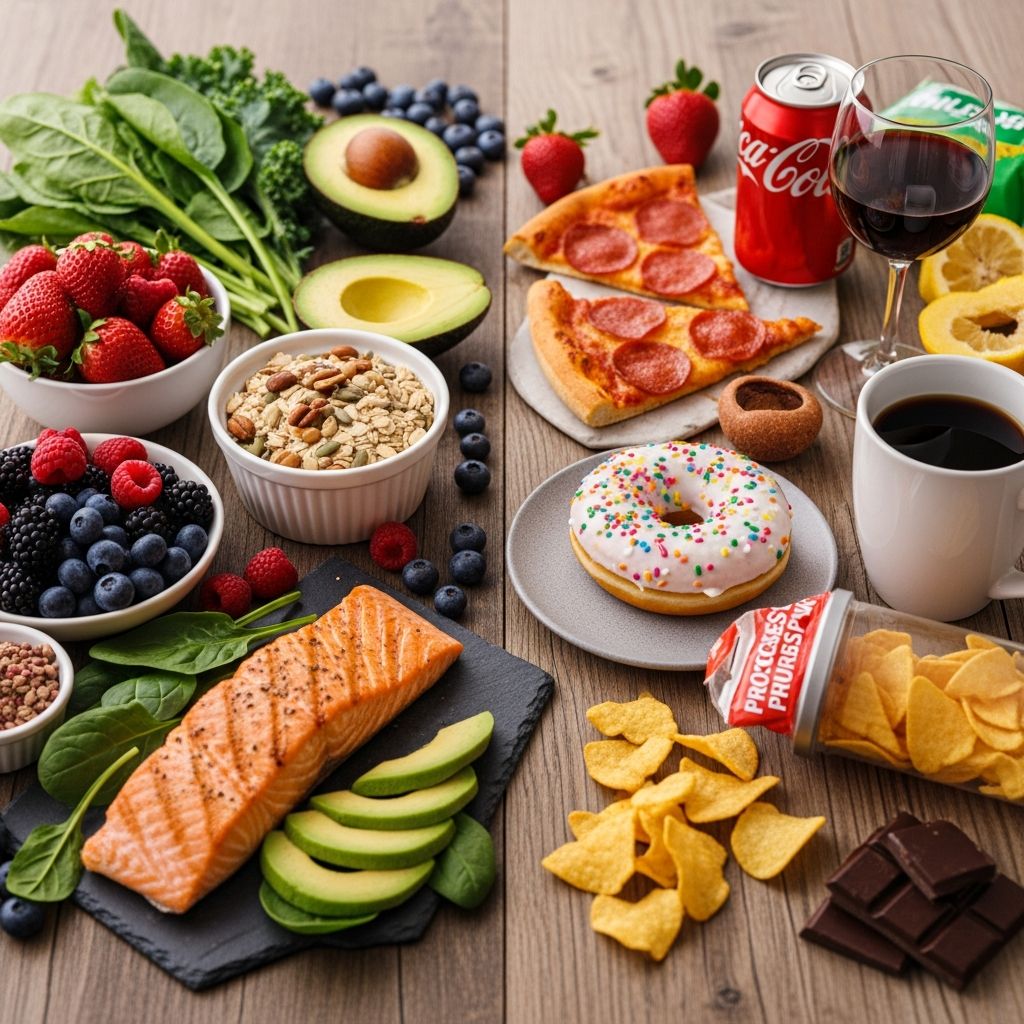
Caffeine from coffee, tea, or chocolate enters breast milk, peaking 1-2 hours post-consumption. It can make babies irritable, disrupt sleep, or overstimulate. Limit to 2-3 cups coffee daily (under 300mg).
- Black/green tea, energy drinks: Similar effects; opt for decaf.
- Chocolate: Contains caffeine and theobromine; moderation key.
Excess vitamin C/B from supplements or citrus (oranges, Vitamin Water) may reduce supply or irritate tummies.
Gassy and High-Fiber Foods: Easing Digestive Woes
Foods causing mom gas often do the same for baby via milk flavors and compounds. Cruciferous veggies like broccoli, cauliflower, Brussels sprouts, cabbage lead to bloating or colic-like symptoms.
- Beans, onions, garlic: Strong odors alter milk taste, causing nursing refusal.
- High-fiber shifts: Good for you, but introduce gradually to avoid baby gas.
Citrus fruits (oranges, pineapple, strawberries, kiwis) acidity irritates immature guts, sparking discomfort.
Spicy Foods and Flavor Changers
Spices like garlic, curry, chili, cinnamon change milk’s taste/smell, leading to refusal or indigestion. Dial back if baby fusses post-feed.
Herbs That May Lower Milk Supply
Certain herbs act as galactagogues in small doses but suppress lactation in excess: peppermint, spearmint (gum, tea), sage (sausages, dressings), parsley. Avoid if supply dips.
Seafood Choices: Balancing Omega-3s and Mercury
Fish offers protein and DHA for brain development, but mercury accumulates in predators. Limit high-mercury types to prevent nervous system risks in infants.
- Avoid or limit: Shark, swordfish, king mackerel, tilefish, marlin (1 portion/week max).
- Safe options: Salmon, trout, tilapia, shrimp, light tuna—2 servings (6oz each)/week.
CDC advises caution as mercury passes through milk, affecting development.
Alcohol and Sugary Drinks: Clear Limits
Alcohol delays milk let-down and enters milk; wait 2-3 hours per drink before nursing. Sugary/carbonated beverages offer empty calories, potentially lowering supply.
Foods to Embrace for Better Supply and Health
Boost lactation with lactation-supportive eats. No single food guarantees more milk, but variety supports.
- Oatmeal, barley, grains: Beta-glucan aids production.
- Nuts/seeds (almonds): Healthy fats, protein.
- Lean proteins: Chicken, turkey soup.
- Leafy greens, fruits: Hydration, vitamins.
Stay hydrated (13 cups/day), eat frequently.
How to Spot and Test Food Triggers
Track diet and symptoms in a journal. Eliminate suspect food 2 weeks, reintroduce to confirm. Consult pediatrician/lactation expert for allergies.
- Observe patterns: Fussiness 2-6 hours post-feed.
- Eliminate one at a time.
- Monitor supply: Frequent nursing key.
Nutrition Essentials for Nursing Moms
Need 450-500 extra calories; prioritize calcium (dairy-free sources), iron (leafy greens), omega-3s. Multivitamin if needed.
Frequently Asked Questions
Can I drink coffee while breastfeeding?
Yes, limit to 200-300mg caffeine daily (1-2 cups) to minimize baby irritability.
Does spicy food harm my breastfed baby?
It may alter milk flavor, causing refusal or gas; reduce if issues arise.
Is fish safe during breastfeeding?
Choose low-mercury types like salmon twice weekly; avoid shark/swordfish.
How does dairy affect babies?
Proteins can cause colic/gas; try elimination diet.
Do herbs like peppermint reduce milk?
Yes, in excess; skip mint teas/gums if supply low.
What if my baby is gassy?
Cut cruciferous veggies, fiber; burp often.
This comprehensive approach empowers confident choices. Always personalize with healthcare pros.
References
- 5 Best and Worst Foods for Breast Milk Supply — Le Bonheur Children’s Hospital. 2023. https://www.lebonheur.org/blogs/practical-parenting/5-best-and-worst-foods-for-breast-milk-supply
- 8 Foods That Could Be Making Your Breastfed Baby Fussy — Byram Baby. 2023. https://www.byrambaby.com/blog/post/8-foods-that-could-be-making-your-breastfed-baby-fussy
- Foods to Avoid While Breastfeeding — OSF HealthCare. 2024-01-16. https://www.osfhealthcare.org/blog/breastfeeding-diet-tips-less-fussy-baby
- What to Eat and Drink – Breastfeeding — NHS. 2024. https://www.nhs.uk/best-start-in-life/baby/feeding-your-baby/breastfeeding/healthy-diet-when-breastfeeding/food-and-drinks-to-avoid-when-breastfeeding/
- Foods to Eat or Avoid When Breastfeeding — WebMD. 2024. https://www.webmd.com/parenting/baby/ss/slideshow-breastfeeding-foods
- What To Eat & What Not To Eat While Breastfeeding — Baptist Health. 2023. https://www.baptisthealth.com/blog/mother-and-baby-care/what-to-eat-what-not-to-eat-while-breastfeeding
- Breastfeeding Nutrition: Tips for Moms — Mayo Clinic. 2024-07-30. https://www.mayoclinic.org/healthy-lifestyle/infant-and-toddler-health/in-depth/breastfeeding-nutrition/art-20046912